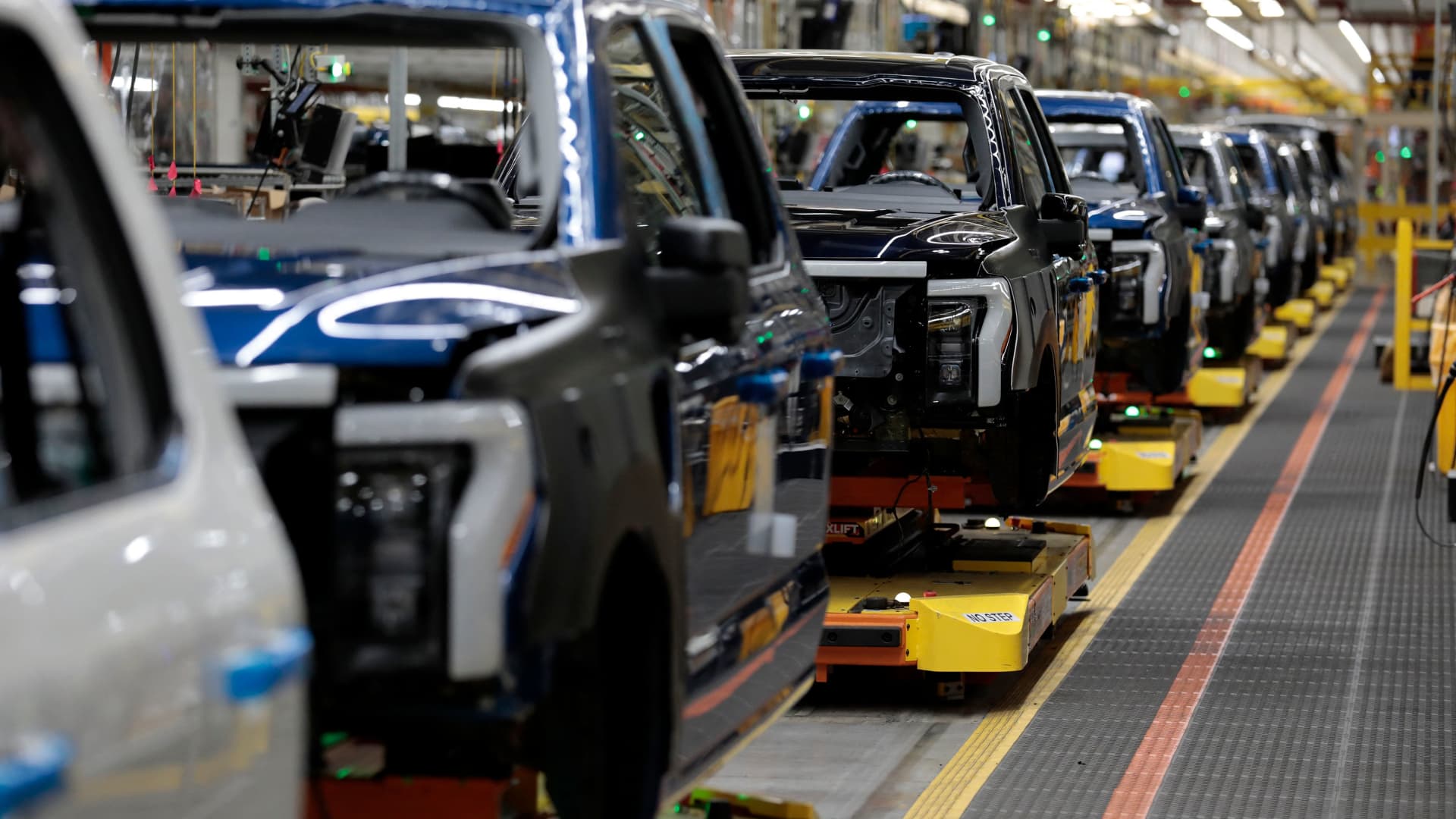
Ford is scaling back its electric vehicle plans, citing low demand and regulatory changes under the Trump administration, resulting in a $19.5 billion hit and a shift towards hybrid and gas-powered vehicles, including redesigning the F-150 as a hybrid and canceling a new electric van.
Ford is discontinuing its fully-electric F-150 Lightning pickup due to financial losses and declining demand, shifting focus to hybrid and gasoline vehicles, and reallocating investments toward more profitable segments like trucks, vans, and hybrids, amid broader industry challenges with EV adoption.
Ford is shifting its EV strategy, abandoning plans for a large all-electric F-150 Lightning in favor of extended-range hybrids and more hybrids across its lineup, citing weaker domestic EV demand and regulatory changes. The company will focus on affordable electric models, repurpose a plant for gas vehicles, and enter the battery storage business, while collaborating with Renault for European EVs and continuing to produce gas-powered commercial vehicles.
Ferrari has scaled back its all-electric vehicle plans due to tepid demand from wealthy consumers, reducing its target for electric cars in its lineup from 40% to 20% by 2030, which disappointed investors and caused its stock to drop significantly. This shift reflects a broader trend among premium automakers like Lamborghini and Mercedes-Benz, indicating a reconsideration of EV strategies amid lukewarm interest in high-end electric vehicles.
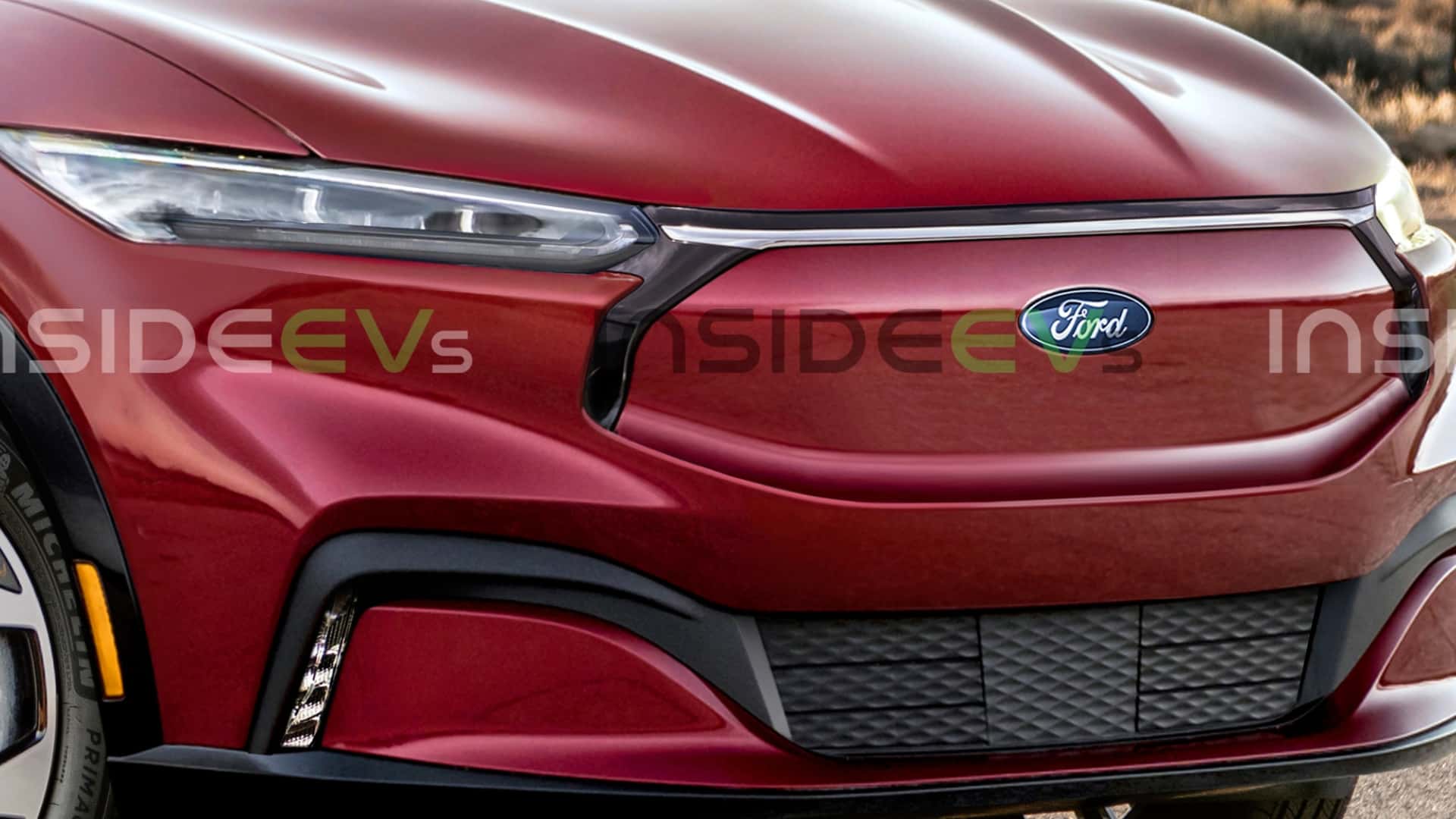
Ford is set to unveil its next-generation electric vehicle plans on August 11, describing it as a 'Model T moment' to revolutionize affordable EVs in the U.S., with new models built on a dedicated platform and powered by low-cost lithium iron phosphate batteries from its new Michigan plant.
Honda is canceling its plans for a larger electric SUV in the US due to expected lower demand following the end of federal tax credits, shifting focus instead to hybrids and smaller EVs like the upcoming Honda 0 Series. This move aligns with industry trends as automakers adjust EV strategies amidst changing incentives and market conditions.
Ford Motor fell short of revenue and profit estimates in its third-quarter results due to the impact of the United Auto Workers' strike, causing its stock to drop over 12%. Ford became the first of the Detroit automakers to reach an agreement with the UAW, while Stellantis followed suit. However, General Motors is still without a deal and faced an expanded strike at one of its facilities. Ford's EV unit, Ford Model, reported a higher operating loss compared to last year, despite increased revenue. The newly agreed-upon terms with the UAW will put additional pressure on Ford's ongoing cost efforts. Additionally, Ford announced a postponement of $12 billion in EV investments due to customer reluctance to pay a premium for EVs.
Ford's shares fell 9% after the company reported earnings that missed estimates and revealed that demand for its electric vehicles was falling short of expectations. The disappointing results were attributed to lost production due to a strike by the United Auto Workers (UAW). Ford's new contract with the UAW will add $850 to $900 in costs to every vehicle assembled in the U.S., putting pressure on CEO Jim Farley's efforts to improve costs and quality. Additionally, Ford announced a delay in $12 billion of previously planned spending on EV manufacturing capacity, citing a lack of willingness from North American customers to pay a premium for EVs compared to internal-combustion or hybrid alternatives. Concerns about Ford's ability to compete with Tesla and other EV entrants have raised caution among investors.