
regulation10.12 min read
Prediction Markets Enter a High-Stakes Regulatory War
7 days ago•Source: WIRED

The latest regulation stories, summarized by AI
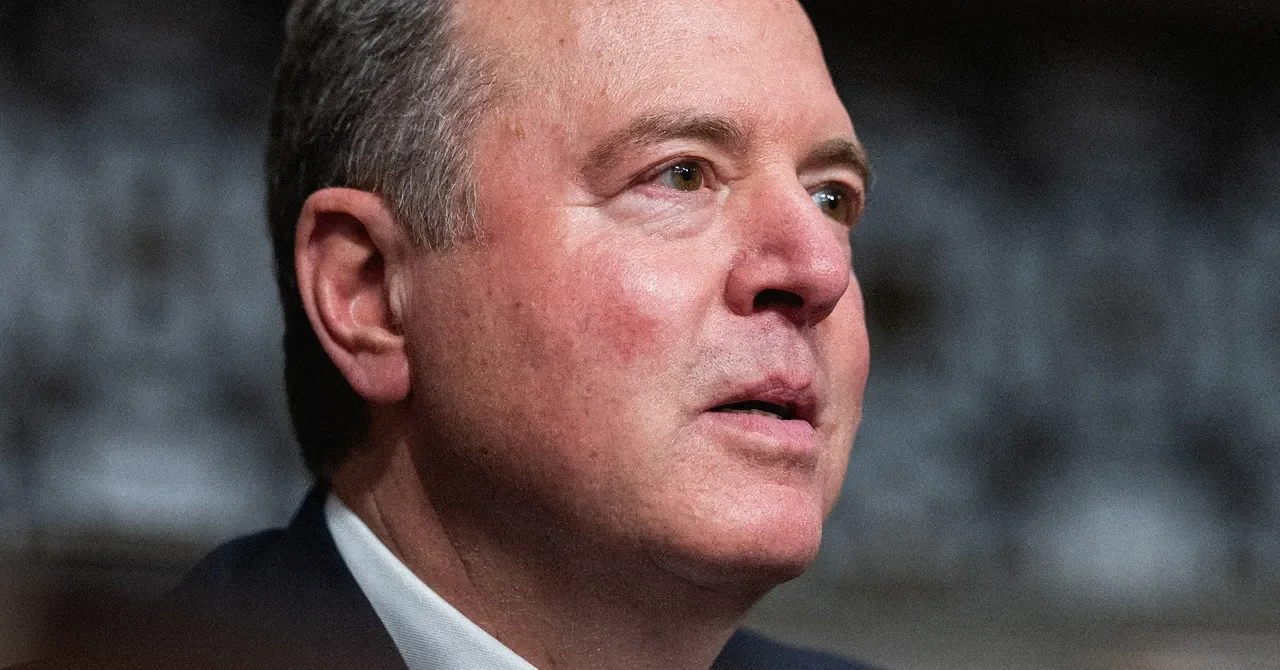
A group of 23 Democratic senators led by Adam Schiff urged the CFTC to refrain from weighing in on ongoing state and federal lawsuits over the legality of Kalshi and Polymarket, arguing the platforms lack protections and touch on prohibited events. The letter pushes the agency to bar certain contracts, while the CFTC maintains exclusive jurisdiction over derivatives, highlighting a broader regulatory clash as lawsuits unfold.

The Wall Street Journal•2 years ago
The Daily Hodl•2 years ago
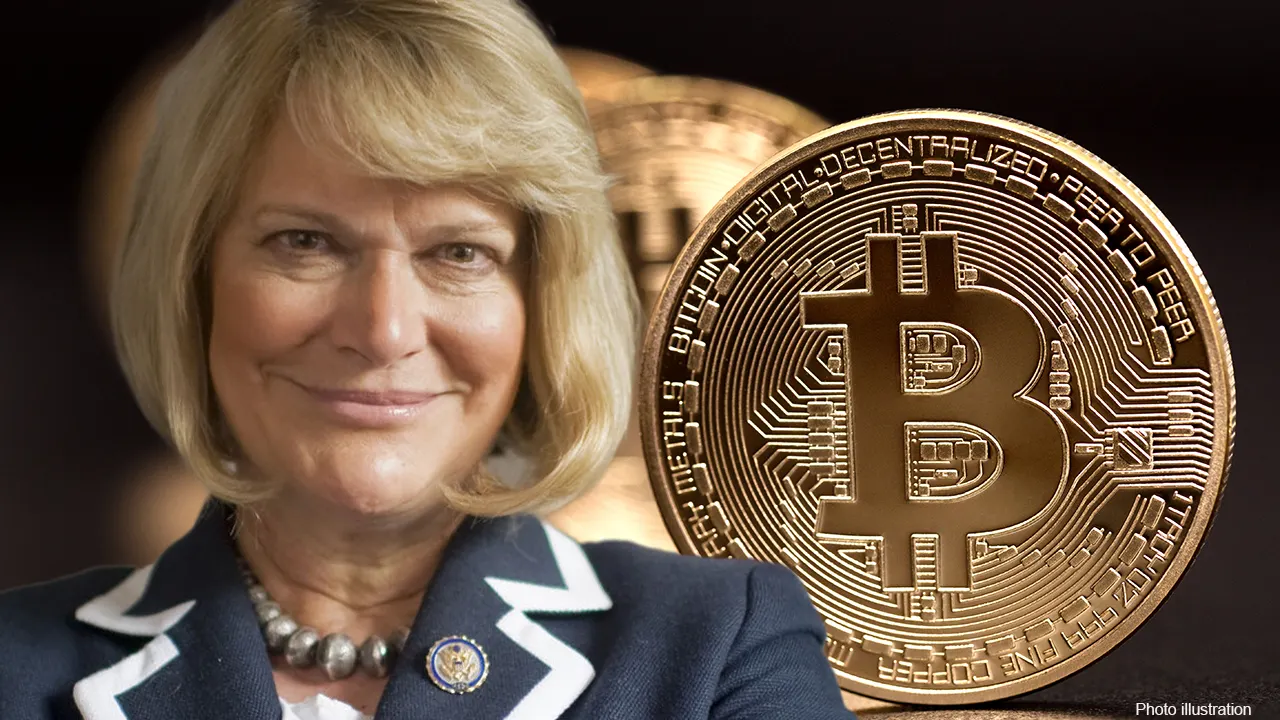
US Senator Cynthia Lummis is working on a regulatory framework that would enable individuals and companies to own and trade digital assets within the United States. Working alongside Senator Kirsten Gillibrand, Lummis has been working on a revamped bipartisan effort to introduce comprehensive regulations for cryptocurrencies. The forthcoming bill primarily seeks to define cryptocurrencies while potentially removing the “security” tag associated with them. Additionally, the proposed legislation will supposedly impose a universal ban on algorithmic stablecoins although further deliberations are necessary to determine the entities authorized to issue stablecoins and the requirements associated for maintaining their USD reserves.
The U.S. Commodity Futures Trading Commission (CFTC) has won a lawsuit against decentralized autonomous organization (DAO) Ooki DAO, which allegedly offered unregistered commodities. The judge ruled that Ooki DAO operated an illegal trading platform and unlawfully acted as an unregistered futures commission merchant (FCM), ordering the organization to pay $643,542 in penalty and permanently cease its operations. This ruling challenges the perception that DeFi actors are immune to regulatory scrutiny.
The US Securities and Exchange Commission (SEC) has told an appeals court that Coinbase has not provided sufficient evidence to justify the creation of a new regulatory framework for the digital asset industry. Coinbase had filed a petition with the SEC in July 2022, asking for guidance around digital assets. The SEC has not yet made a decision on the petition and "continues to consider" the filing, the regulator said in a filing. The SEC also noted that considering new rules or amendments to existing regulations does not preclude it from enforcing existing regulations.
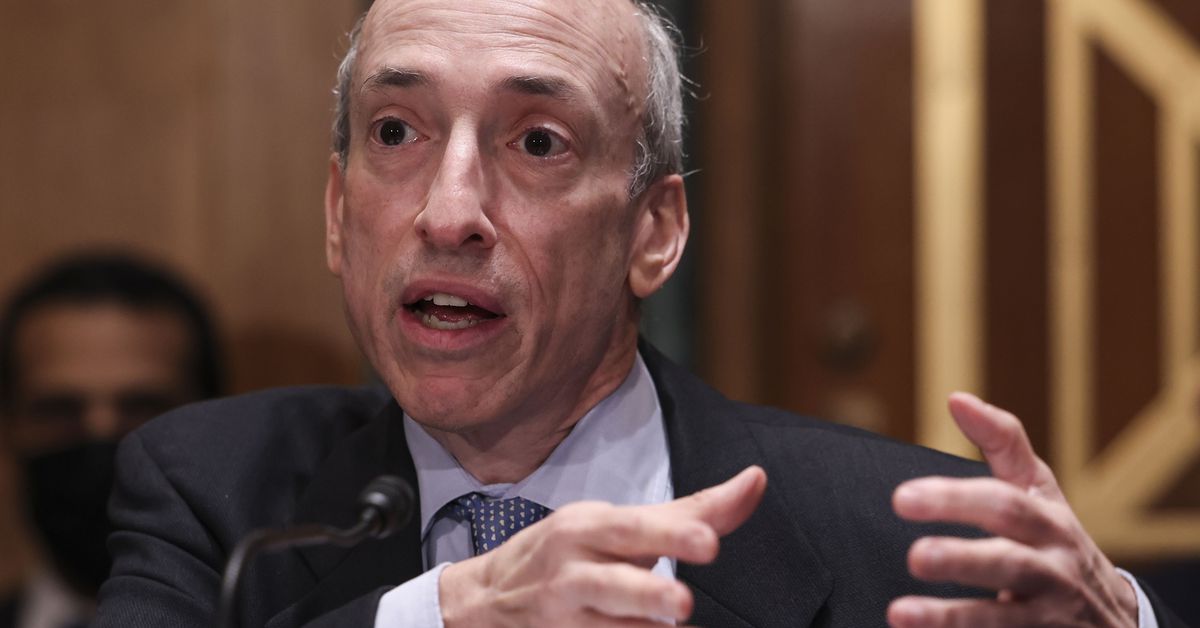
The SEC's proposed rule demanding investment firms safeguard all of their clients' assets, including crypto, with approved custodians has drawn criticism from financial giant JPMorgan, the Small Business Administration, and the crypto sector. The proposed rule said any assets entrusted to investment advisers need to be held with "qualified custodians," which generally means a chartered bank or trust company, a broker-dealer registered with the SEC, or a futures commission merchant registered with the Commodity Futures Trading Commission. The SEC's Chair, Gary Gensler, said the rule would help ensure that advisers don't inappropriately use, lose, or abuse investors' assets.
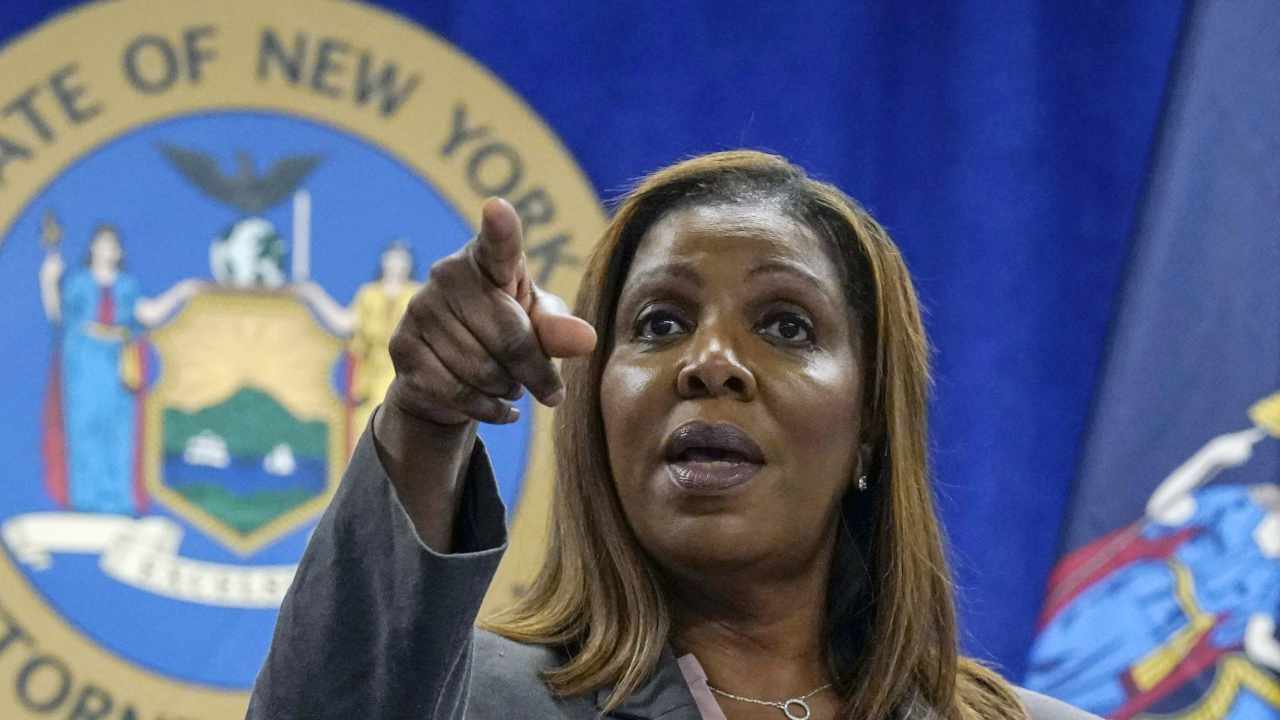
New York State Attorney General Letitia James has proposed a "landmark" crypto legislation that claims to be "the strongest and most comprehensive set of regulations on cryptocurrency" in the United States. The proposed bill, called the "Crypto Regulation, Protection, Transparency, and Oversight (CRPTO) Act," would increase transparency, eliminate conflicts of interest, and impose measures to protect investors, consistent with regulations imposed on other financial services. The bill would also require independent public audits of cryptocurrency exchanges, strengthen the New York State Department of Financial Services' regulatory authority of digital assets, and bolster investor protections by enacting and codifying "know-your-customer" provisions.

New York Attorney General Letitia James has proposed a new set of state crypto regulations that would increase transparency and enhance investor protections in the digital asset sector. The proposed legislation would implement public audit requirements for crypto exchanges, reduce conflict-of-interest issues, require reimbursement for victims of fraudulent transfers, and ban the use of the word “stablecoin” to describe digital assets that aren’t backed up on a 1:1 basis by dollars or other high-quality liquid assets. James says her office will submit the bill to New York state lawmakers for consideration in the ongoing legislative session.
New York Attorney General Letitia James has proposed a bill that would give the New York Department of Financial Services stronger authority to regulate digital assets, including the power to shut down businesses engaging in fraud and illegality. The legislation seeks to ban marketplaces from keeping custody of customer funds and would require exchanges to reimburse customers if they are victims of fraud. The bill also targets a range of stakeholders from crypto issuers and exchange platforms to digital asset influencers, with all to be held to detailed disclosure requirements. The proposed legislation must still be passed by state lawmakers to become state law.
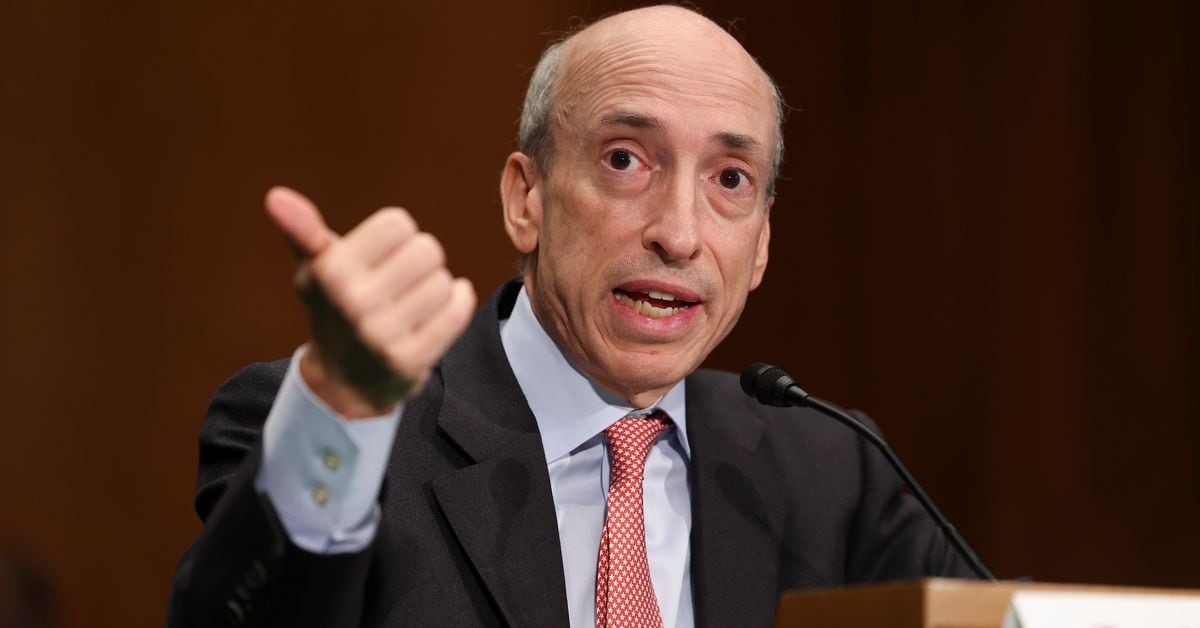
The US Securities and Exchange Commission (SEC) removed its first formal definition of "digital asset" from its latest hedge fund rule, stating that it is still considering the term and not adopting it at this time. The SEC has been actively considering crypto matters, including reopening a previously proposed rule redefining the term "exchange" to include decentralized finance (DeFi). The agency's decision to remove the definition of digital assets from the hedge fund rule may be due to concerns that any recognition of their uniqueness as a novel product weakens their litigation stance that digital assets are securities and subject to SEC securities laws.

Nigeria's Securities and Exchange Commission (SEC) is preparing new regulations for digital asset platforms, considering allowing licensed digital exchanges to list tokens backed by certain assets like equity, debt, or property, but not cryptocurrencies like Bitcoin or Ether. The SEC aims to register fintech firms as digital sub-brokers, crowdfunding intermediaries, fund managers, and tokenized coins issuers, but will not register crypto exchanges until the central bank provides clear regulations for the crypto market. License applicants would undergo a year of "regulatory incubation," allowing the SEC to study their operations and render their services in the country.

The Chairman of the House Financial Services Committee, Patrick McHenry, has announced a series of joint hearings in May that will focus on addressing the market structure around digital assets in the U.S. The aim of the hearings is to establish a bill providing regulatory clarity to the crypto sector, which adds to the work being done on the bipartisan bill led by Senator Cynthia Lummis and Senator Kirsten Gillibrand. The Responsible Financial Innovation Act, also known as the Lummis-Gillibrand bill, was initially introduced in the U.S. Senate in June 2022 and addresses Securities and Exchange Commission (SEC) and Commodities Futures Trading Commission (CFTC) jurisdiction, stablecoin regulation and crypto taxation, among other things.