The risk of a US recession in 2026 has decreased, largely due to the AI boom and resilient economic indicators, though uncertainties remain across the labor market, inflation, consumer spending, and AI dependency. Experts suggest a high likelihood of avoiding a downturn this year, but warn that any significant negative shift in these areas could change the outlook.
The US government shutdown has caused more economic damage than expected, affecting travel and construction, but the White House expects a quick economic rebound once it ends, despite concerns about a potential near-term downturn.
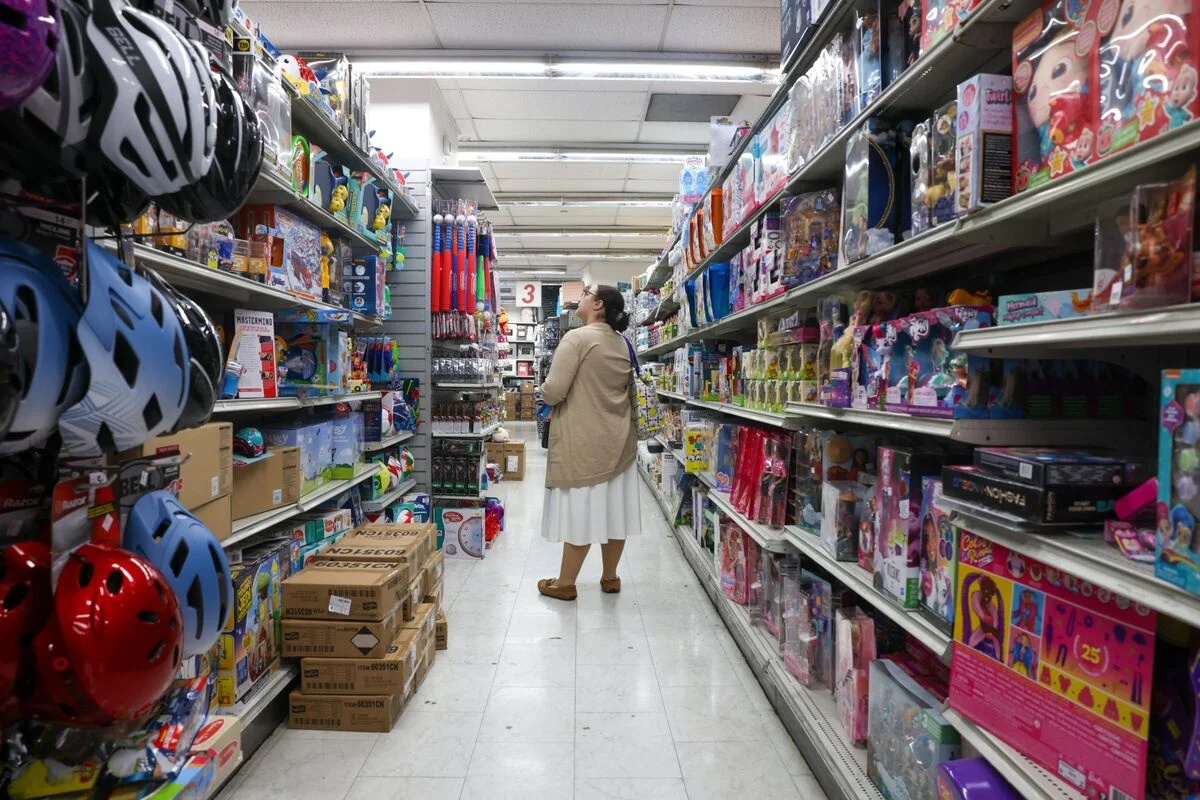
The US economy appears resilient due to high-income households driving growth, while middle and lower-income groups are pulling back on spending amid rising costs and layoffs, creating a fragile 'Jenga tower' scenario that increases recession risks.
The US economy appears resilient but is increasingly driven by high-income households, while low- and middle-income Americans face economic strain, widening the wealth gap and raising concerns about vulnerability to a downturn.
The ongoing government shutdown has halted key economic data releases, increasing uncertainty about the U.S. economy's health amid signs of a slowdown and rising inflation, which could elevate recession risks and hinder policy responses.
The US economy's second quarter GDP growth was revised upward to 3.8%, driven by increased consumer spending, indicating resilience and continued momentum into the third quarter, with no immediate recession risk suggested by experts.
In Q2, the top 10% of American earners accounted for nearly half of consumer spending, highlighting growing income inequality and economic disparities, with high earners benefiting from record stock and home prices, while overall consumer spending remains fragile and could threaten a recession if high earners pull back.
Barclays analysts warn that the US economy has entered a 'stall state' with a 50% chance of recession within two years, supported by indicators like employment ratios and unemployment rates, and suggest the Federal Reserve may cut interest rates later this year.
A CNBC analysis ranks Alaska, Mississippi, Kansas, New Mexico, Louisiana, Rhode Island, Illinois, North Dakota, West Virginia, and Oregon as the ten most vulnerable U.S. states to economic downturns, primarily due to heavy reliance on federal funds, international trade exposure, and specific industry dependencies, with Alaska and Mississippi at the highest risk due to their dependence on oil and federal spending respectively.
US consumer confidence declined in June, with the Consumer Confidence Index dropping by 5.4 points to 93.0, reflecting concerns about the economy, inflation, and future business conditions. While current financial assessments remain solid, expectations for future economic growth and job prospects have become more pessimistic, indicating cautious consumer sentiment amid ongoing economic uncertainties.
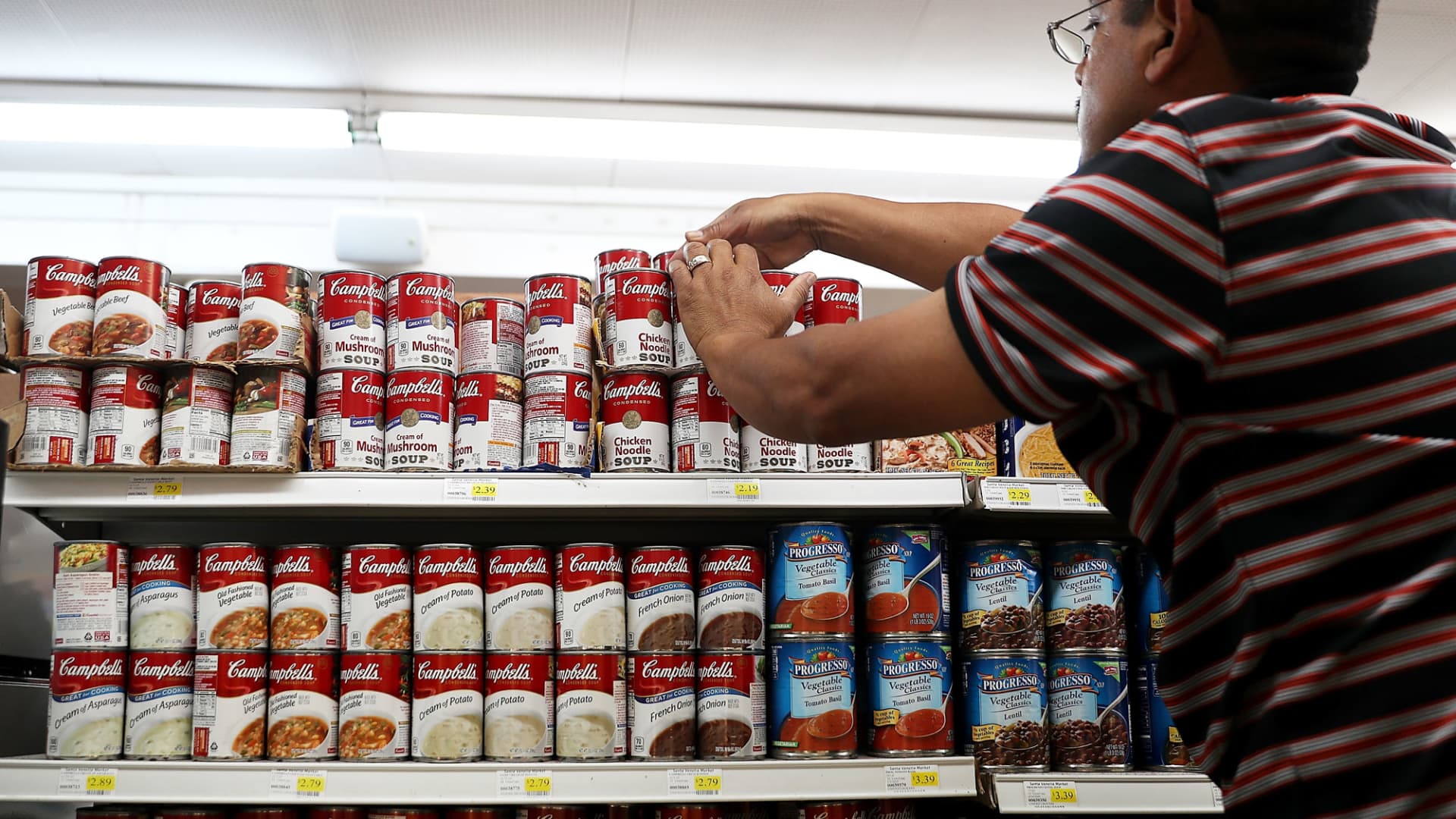
Campbell's reports a surge in home cooking to its highest level since early 2020, indicating Americans are tightening their wallets amid economic uncertainty, which could impact consumer spending and economic growth.
U.S. corporate bankruptcies surged in June, surpassing pandemic-era peaks, with 75 filings last month and a year-to-date total of 356. High interest rates, supply chain issues, and slowing consumer spending are major factors. Notable bankruptcies include Fisker and Chicken Soup for the Soul Entertainment. The rise in bankruptcies and other economic indicators, such as increasing unemployment, have raised concerns about a potential recession, prompting calls for the Federal Reserve to consider rate cuts.
The Conference Board Consumer Confidence Index rose to 102.0 in May from 97.5 in April, marking an improvement after three months of decline. The Present Situation Index increased, reflecting a strong labor market, while the Expectations Index also rose but remained below the recession threshold. Despite improved confidence among various demographics, concerns about inflation, interest rates, and a potential recession persist.
Americans are saving less and spending more, with the personal saving rate dropping to 3.8% in January, well below pre-pandemic levels. This trend is expected to weaken consumer spending and make the economy more vulnerable to a slowdown or recession, especially as more Americans retire. While some are feeling more confident about the economy, others, particularly low- and middle-income households, are struggling financially, with credit card debt at a record high and delinquencies rising. While economists don't forecast a downturn, they acknowledge the risk of weaker spending as wage growth slows and job gains decrease.
Despite optimism about the U.S. economy avoiding a recession, economists warn of potential risks including a delayed slowdown due to eroding consumer buffers, the return of inflation, and unwelcome surprises such as geopolitical tensions or financial system crises. The Federal Reserve's ability to navigate these challenges is crucial, as the economy has less buffer for further slowdown, and any missteps could lead to job losses.