The US government shutdown has caused more economic damage than expected, affecting travel and construction, but the White House expects a quick economic rebound once it ends, despite concerns about a potential near-term downturn.
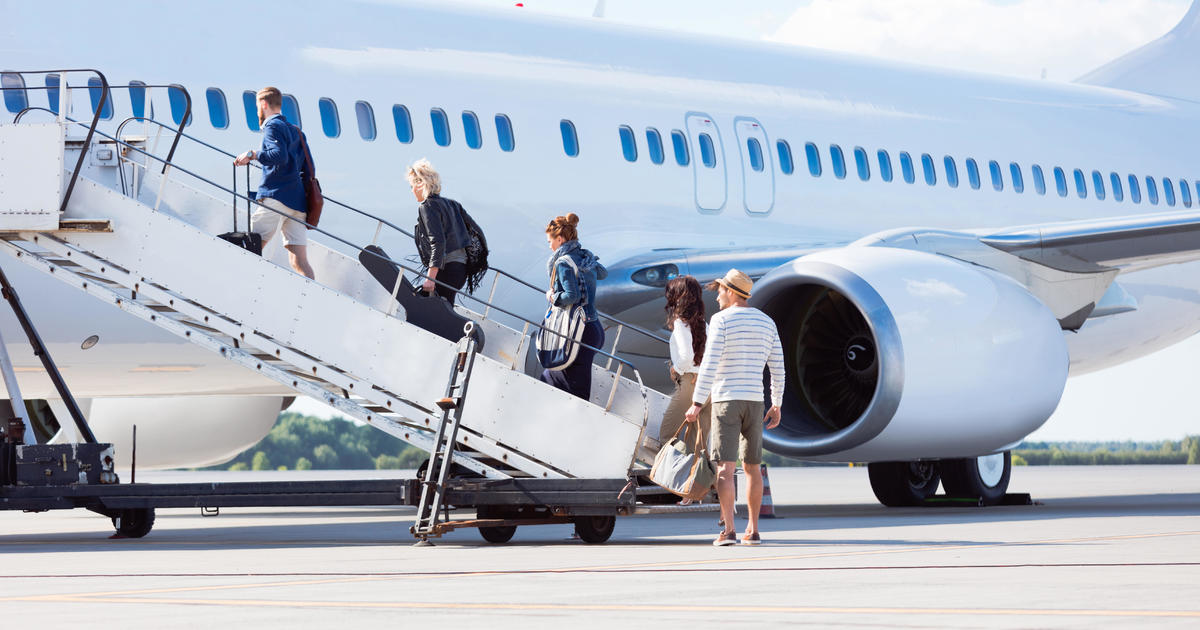
Despite a general decline in travel among Americans, bookings for luxury hotels are increasing significantly, with travelers spending more per night than before the pandemic, indicating a shift towards high-end travel experiences.
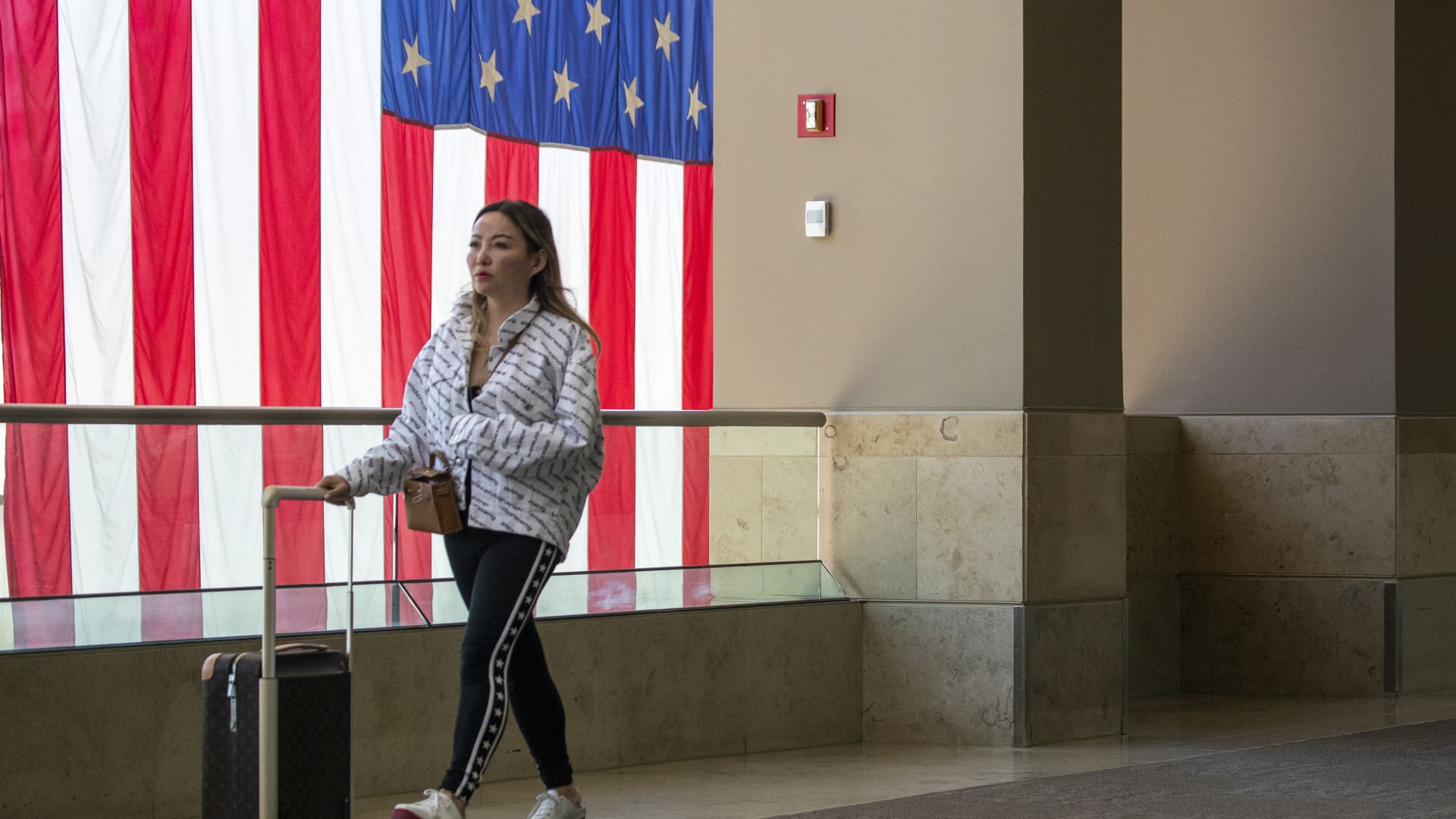
A new $250 visa fee in the US, raising total costs to $442, threatens to deepen the decline in international travel, especially from non-visa waiver countries, amid ongoing immigration crackdowns and geopolitical tensions, potentially impacting tourism revenue and global perceptions of the US as a travel destination.
The US is introducing a $250 visa fee that could deter international visitors during major events like the 2026 World Cup and 2028 Olympics, sparking criticism from the travel industry which argues it may harm tourism and economic benefits from these events.
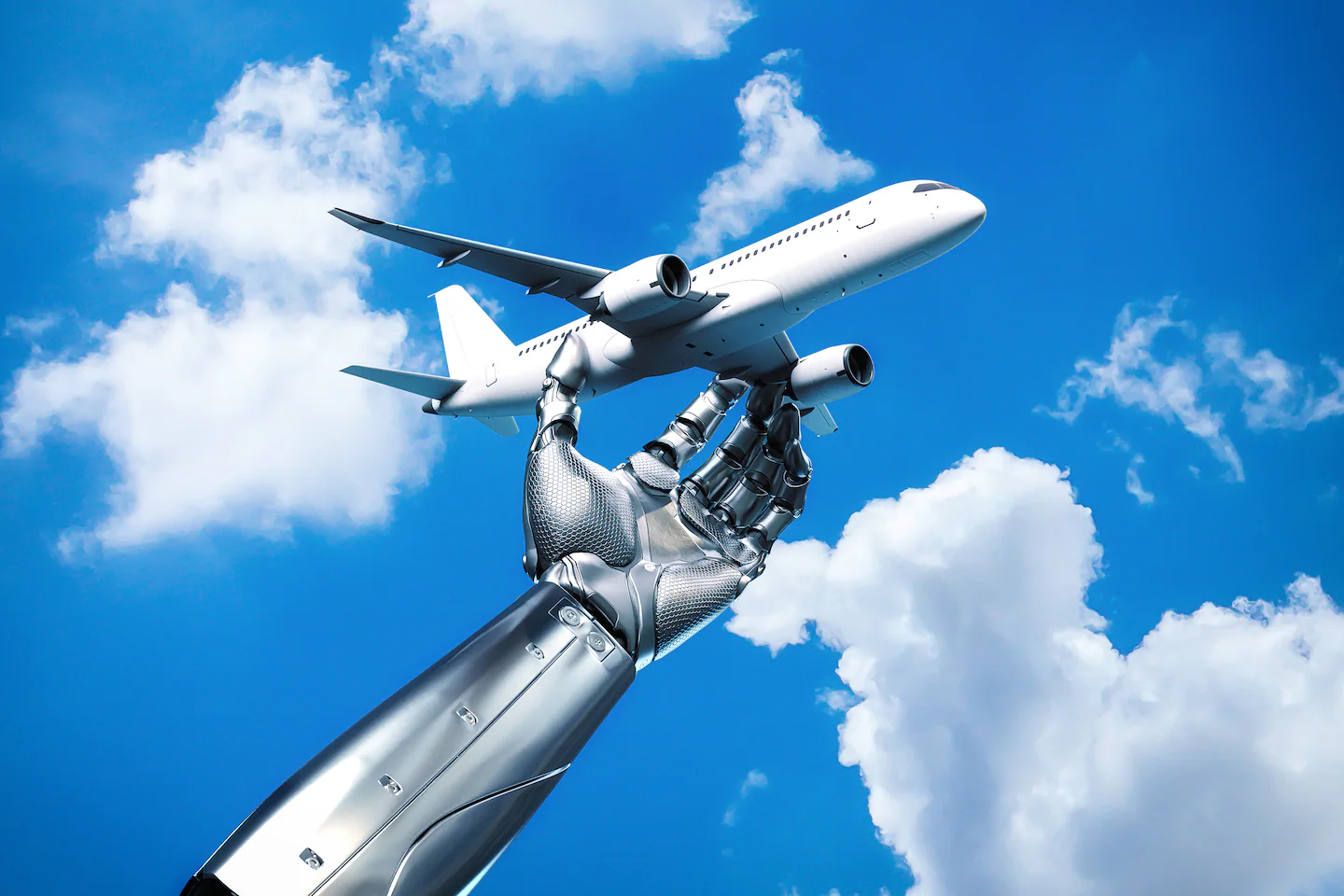
The travel industry is increasingly adopting AI for dynamic pricing and service enhancements, raising concerns about transparency, privacy, and fairness among consumers and regulators, as airlines like Delta, Marriott, and Hertz implement AI-driven systems for ticket pricing, upgrades, and damage assessments.
International inbound travel to the U.S. in 2025 shows mixed results, with a significant decline in Canadian visitors and an increase in Mexican visitors, impacting overall travel spending and industry earnings.
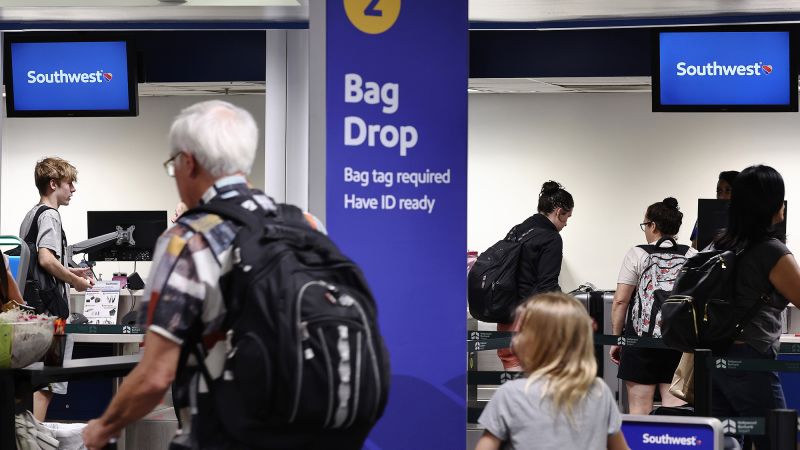
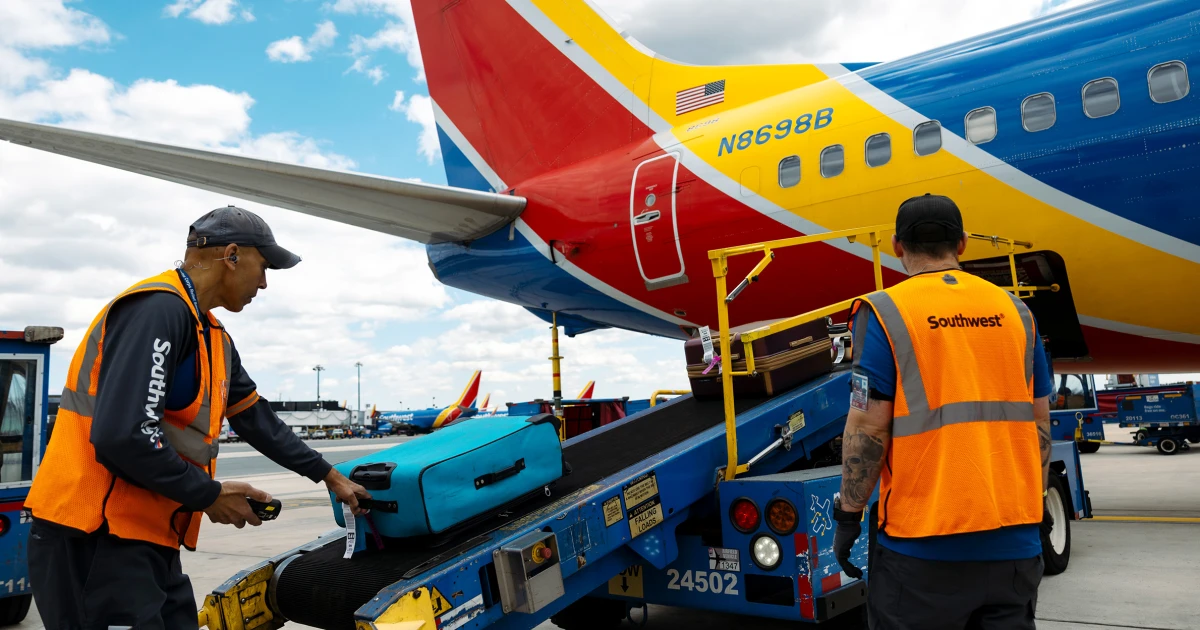
Southwest Airlines announced that starting May 28, it will charge $35 for the first checked bag and $45 for the second, ending its long-standing 'bags fly free' policy, in line with industry standards, to boost profitability amid industry changes and investor pressure.
Southwest Airlines is ending its longstanding policy of free checked bags, requiring most passengers to pay for checked luggage unless they qualify for certain loyalty or fare categories, in an effort to boost revenue amid recent financial struggles and policy changes like assigned seating and baggage charge implementation.
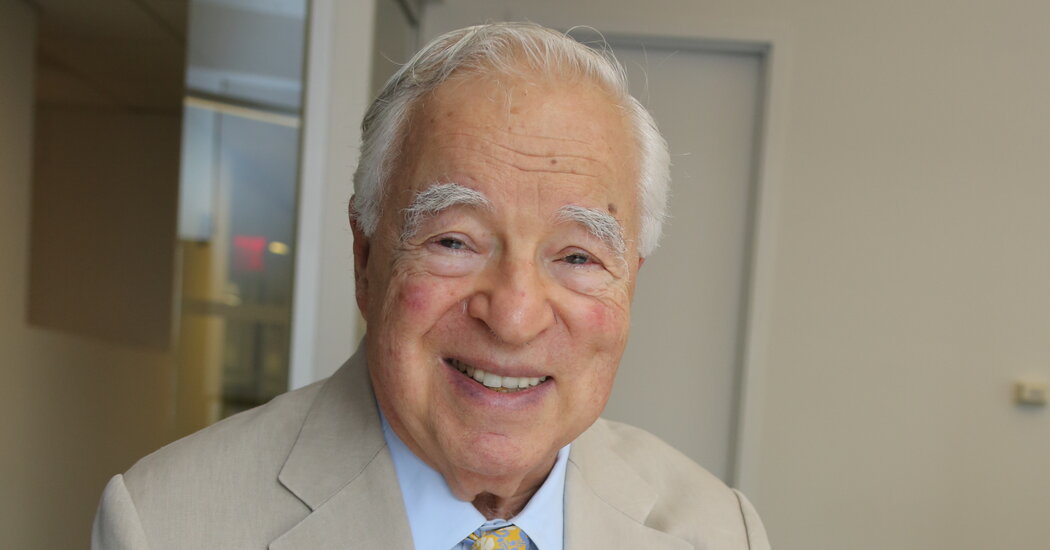
Arthur Frommer, the influential travel writer who democratized travel with his guidebooks, has passed away at the age of 95. His work made travel accessible to the masses, significantly impacting the travel industry.
American Airlines is facing significant challenges, including labor disputes with pilots and flight attendants, executive pay controversies, and strategic missteps in sales channels. The airline's profitability heavily relies on its loyalty program, while its core operations struggle to turn a profit. Recent management changes and strategic reversals have added to the turmoil, raising questions about the airline's future stability and ability to improve customer and employee satisfaction.
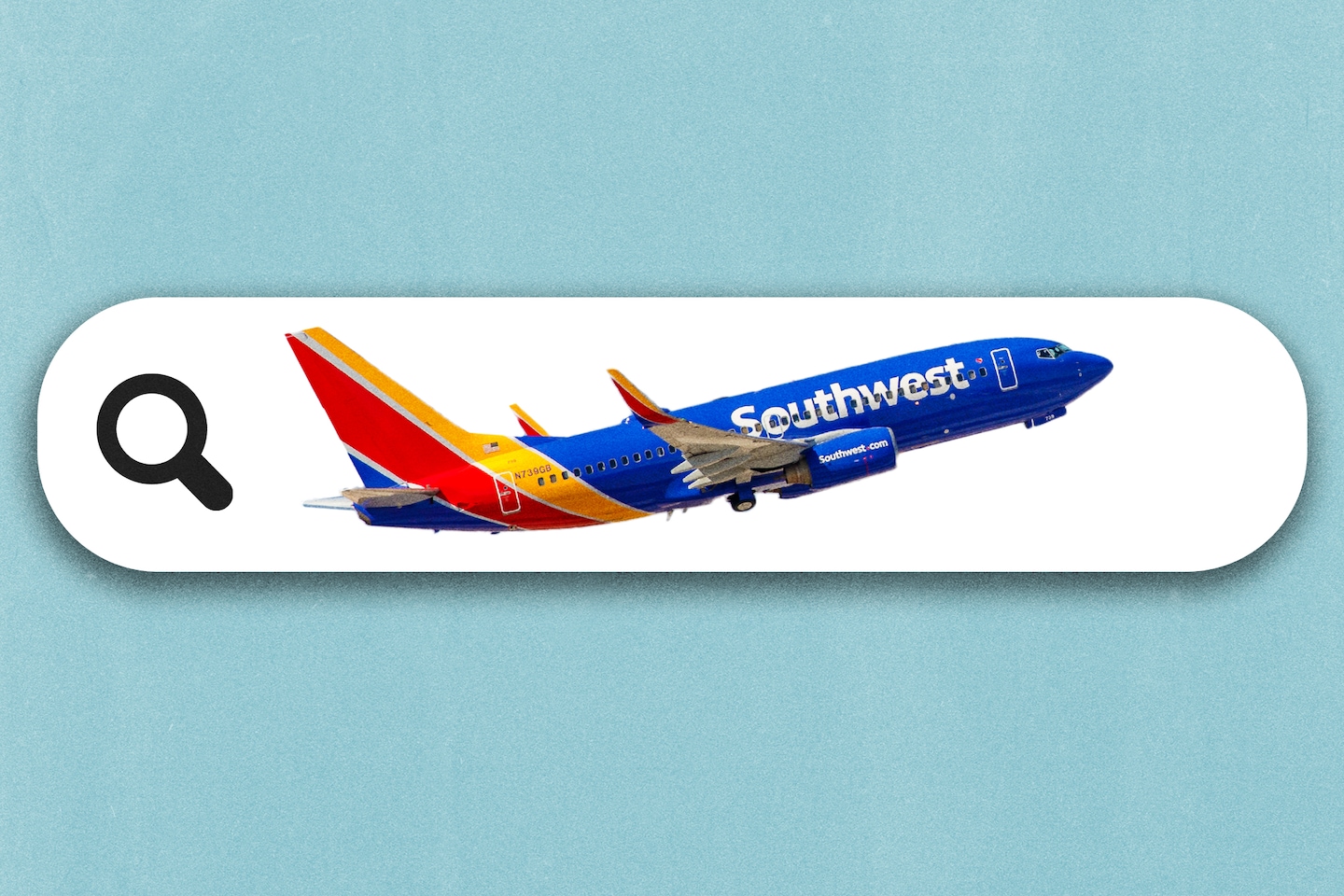
Southwest Airlines has joined Google Flights, allowing travelers to compare its fares with other major U.S. carriers directly on the platform. This move enhances visibility for Southwest and benefits deal seekers by simplifying fare comparisons. However, Southwest does not plan to expand to other third-party travel websites.
Southwest Airlines flights are now available on Google Flights, marking a significant shift from their previous strategy of only selling tickets directly through their own website. This change comes as Southwest faces financial struggles and new Department of Transportation rules that require airfare displays to include fees, making Southwest's bundled pricing model appear more competitive.
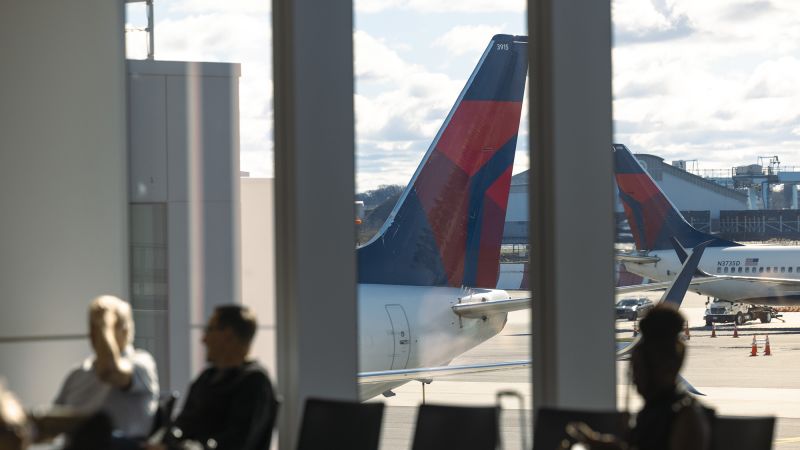
Delta Air Lines is changing its boarding process starting May 1, introducing numbered boarding zones for all flights to speed up loading passengers onto planes. Customers will have a zone number assigned to them instead of boarding groups labeled by airline status or fare class. The change aims to provide more clarity and make the boarding process more intuitive, especially for infrequent travelers and non-English speakers. However, some experts question whether the change will significantly speed up the process, suggesting that other changes, such as boarding based on seat location, could be more efficient.
Delta Air Lines will revert to a numbered zone boarding process starting May 1, 2023, replacing its current method of boarding by named categories. The new zones will provide more clarity for customers and will be printed on boarding passes. This change marks the end of a five-year boarding process aimed at bringing consistency and simplicity to the gate and boarding experience. Other airlines, such as United and American, have also made adjustments to their boarding procedures in efforts to save time and improve efficiency.
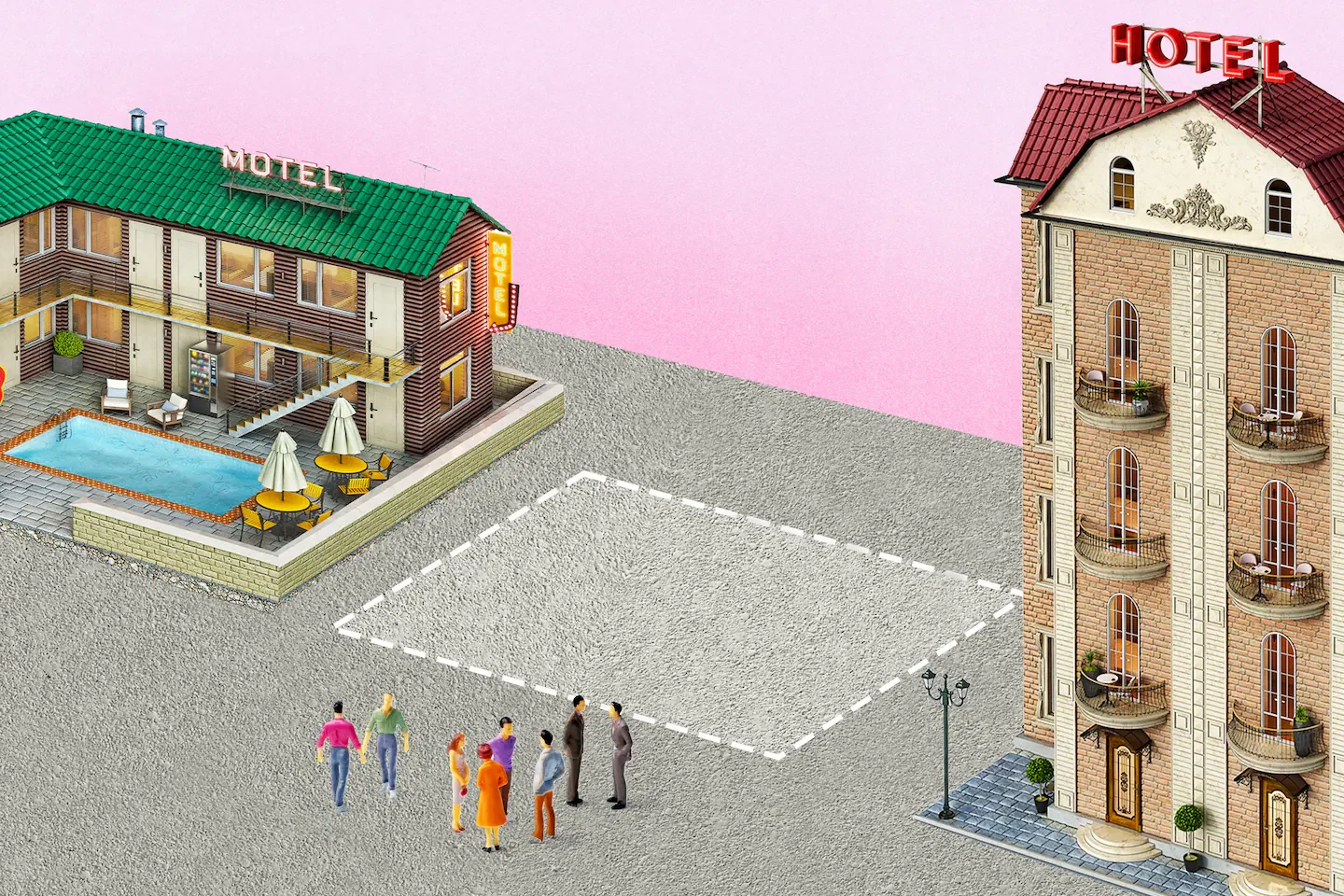
Hotel rates in states along the path of the upcoming solar eclipse have skyrocketed, with some travelers finding their reservations canceled and resold at much higher prices. The surge in demand for accommodation has led to overbooking and price gouging, causing frustration for eclipse watchers and prompting accusations of putting profits before customer experience.