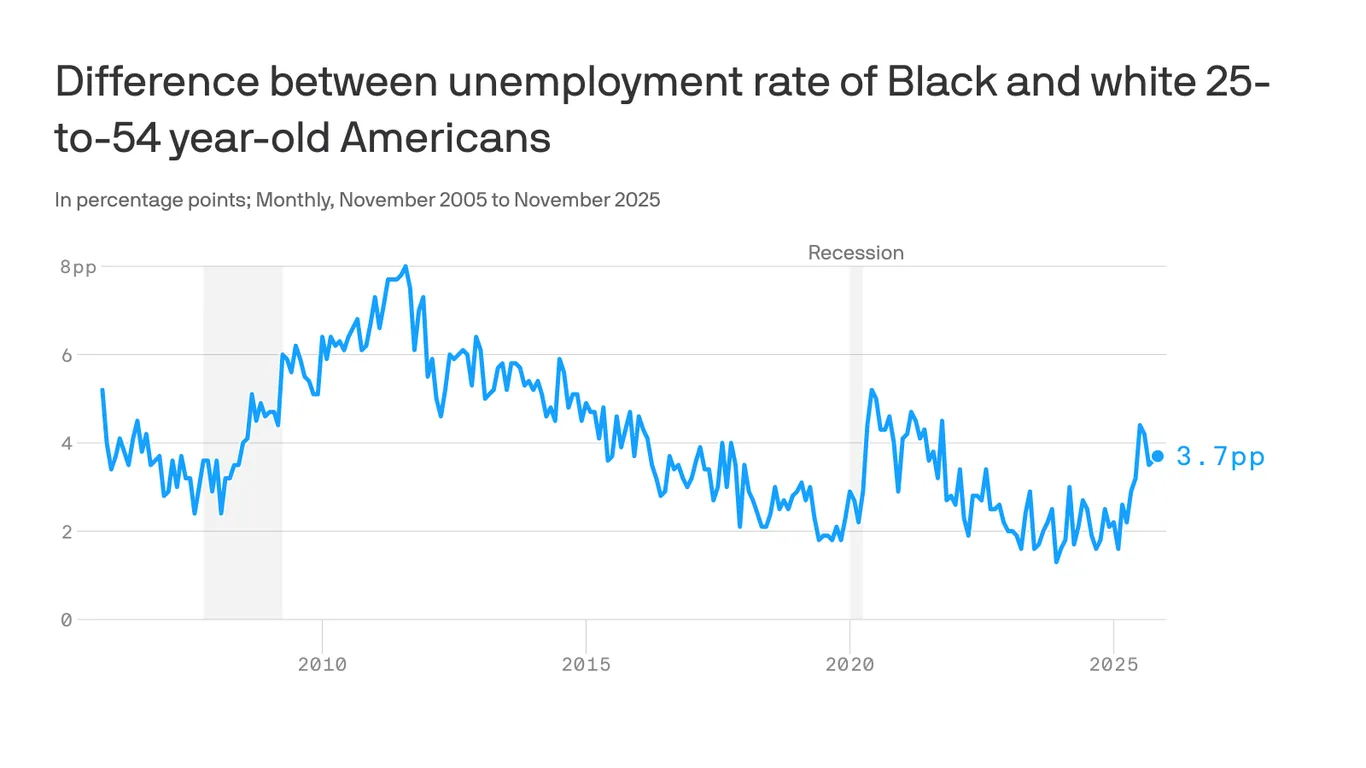
Black Americans are experiencing a worsening in employment conditions, with their unemployment rate rising sharply due to factors like shrinking federal jobs, reversing previous gains where Black-white employment gaps were at record lows, and highlighting ongoing racial disparities in the labor market.
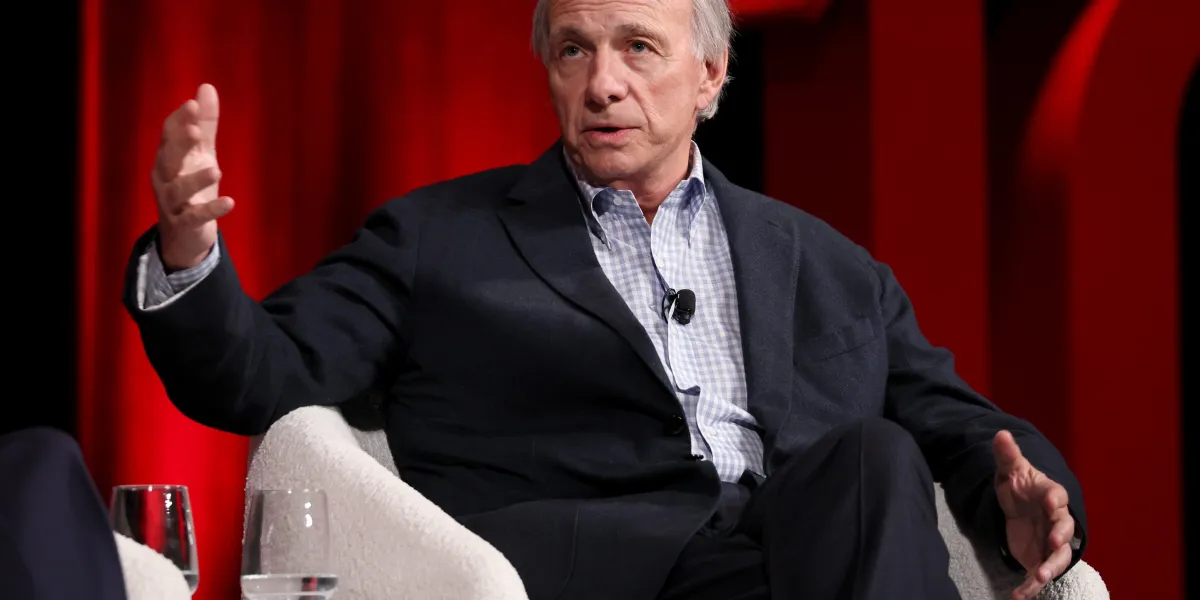
Ray Dalio warns of impending global and internal conflicts in the U.S. and U.K., driven by debt, internal strife, and geopolitical tensions, especially with China. He advises individuals to stay flexible, build financial strength, and focus on meaningful relationships, emphasizing that personal resilience is key in navigating these challenging times.
The stock market has reached unprecedented valuation levels, with the Buffett Indicator surpassing 200% for the first time, suggesting stocks are historically overpriced. This metric, which compares the market cap of U.S. stocks to GDP, has a strong track record of predicting market downturns when valuations are high. Despite these warning signs, historical data shows that economic recessions are typically short-lived, and bull markets tend to last significantly longer than bear markets, highlighting the importance of patience for investors.
Arpit Gupta, associate professor of finance at NYU Stern School of Business, discusses the potential "financial urban doom loop" caused by the collapse in office real estate and its impact on big cities like New York and San Francisco. He highlights the role of property taxes in driving this cycle and explores the challenges facing urban areas in the future, including the lag in data and the unique recovery challenges for cities like San Francisco.
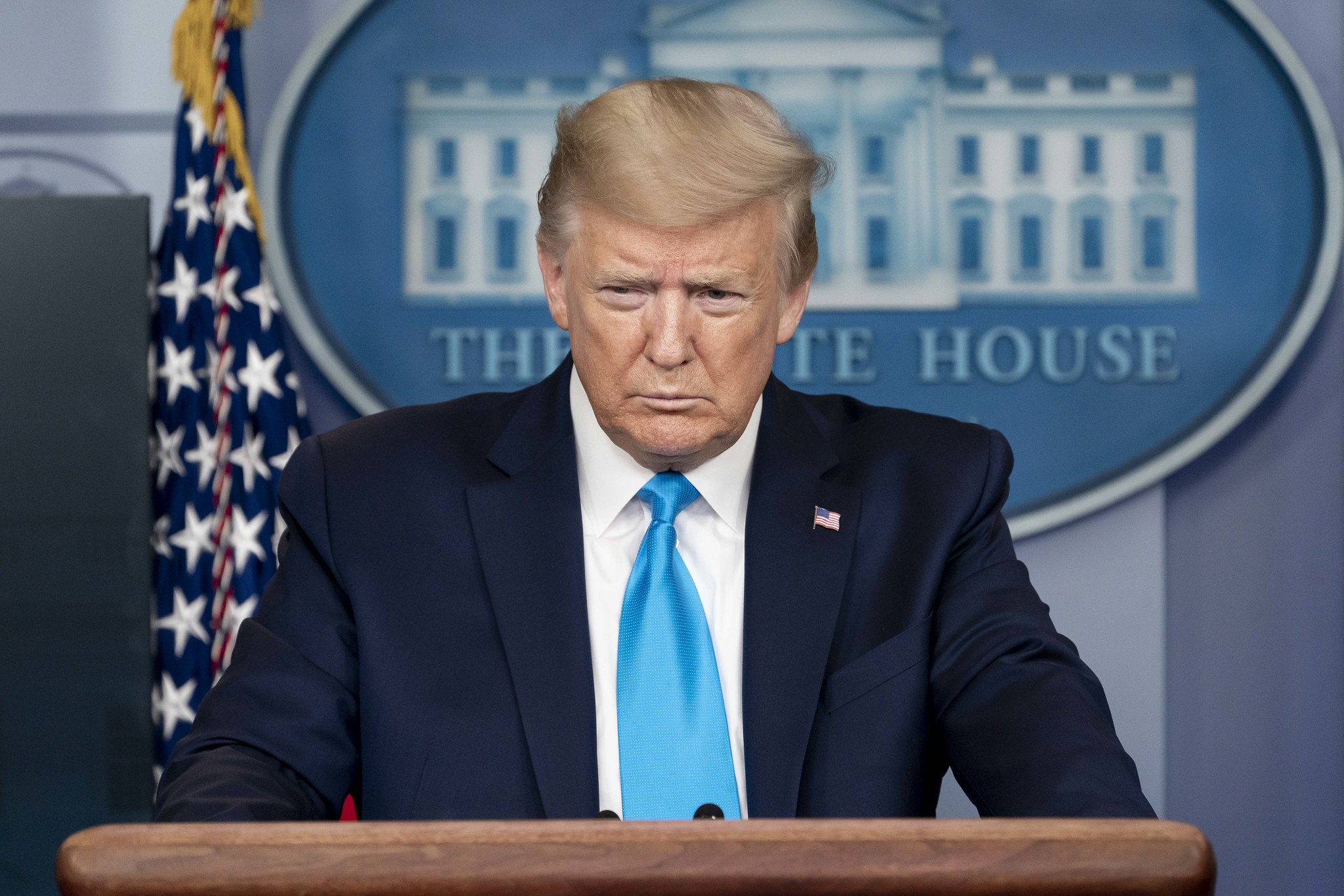
The potential impact of a second term for Donald Trump on the stock market is uncertain, with macroeconomic factors and policy proposals contributing to the uncertainty. History shows that both Republican and Democratic presidents have overseen stock market gains, with the S&P 500 rising an average of 6.9% under Republican presidents since 1945. However, factors such as declining money supply, high stock valuations, and unknown policy proposals could lead to a stock market plunge if Trump wins a second term. Nonetheless, long-term investors are likely to see success regardless of the election outcome due to the historical resilience of the stock market and the economy.
Economists believe that the global cycle of interest rate rises has come to an end, marking a significant milestone. Factors such as slowing economic growth, low inflation, and central banks adopting a more dovish stance on monetary policy have contributed to this shift. The expectation is that interest rates will remain low or even be cut in some countries, as central banks prioritize supporting economic growth over fighting inflation.
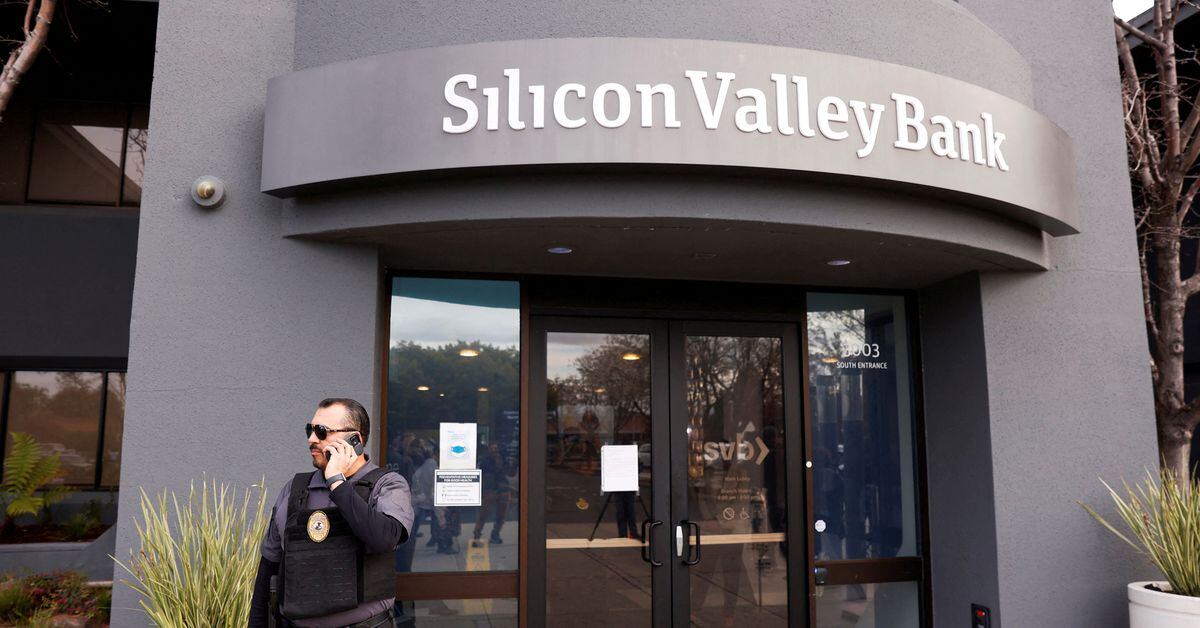
The US banking system is not on the brink of a broad crisis, but credit is becoming less available and more expensive, according to a Fed report on financial stability and a central bank survey of bank loan officers. The process should mean less consumer and business spending and, eventually, lower inflation. The Fed's Senior Loan Officer Opinion Survey, which was conducted after the collapse of Silicon Valley Bank and released on Monday, was less dire than anticipated. Only a slightly larger share of banks tightened standards for key business loans compared with the survey in January.