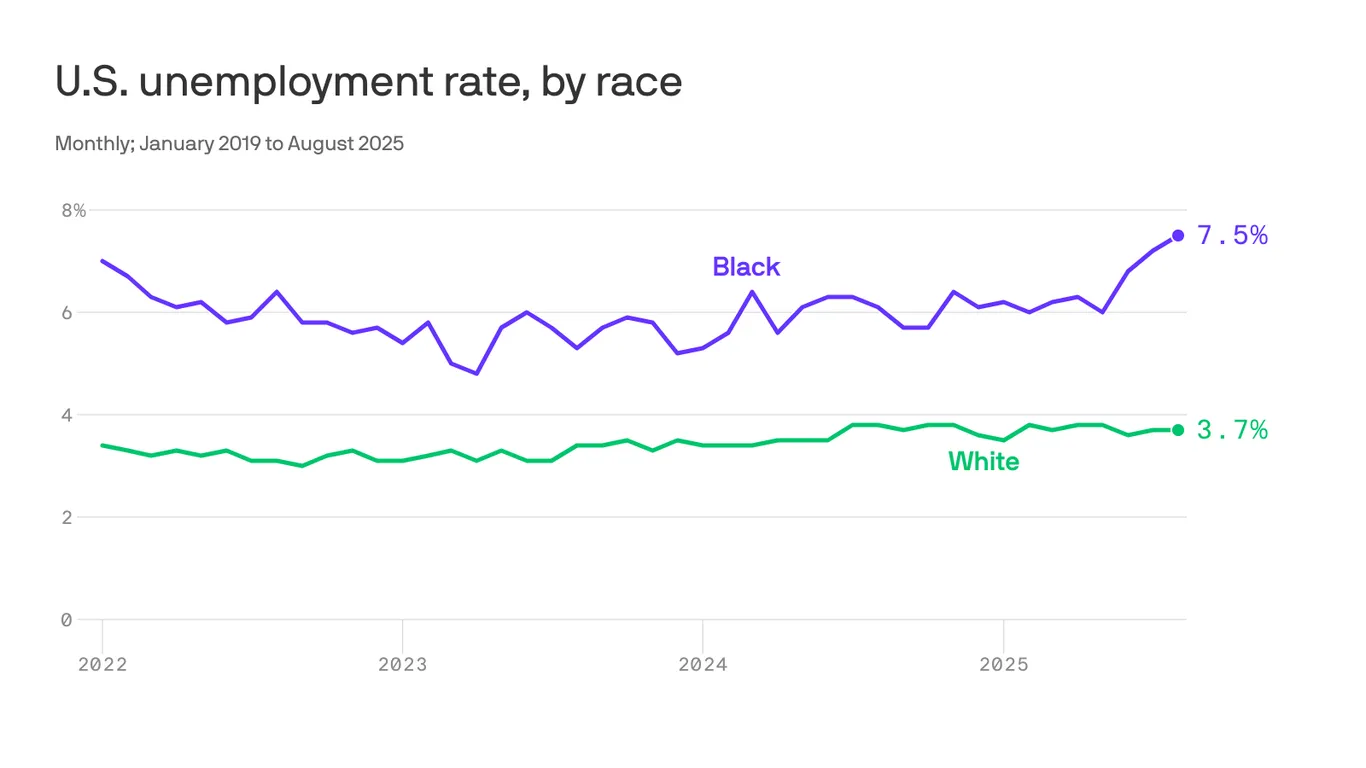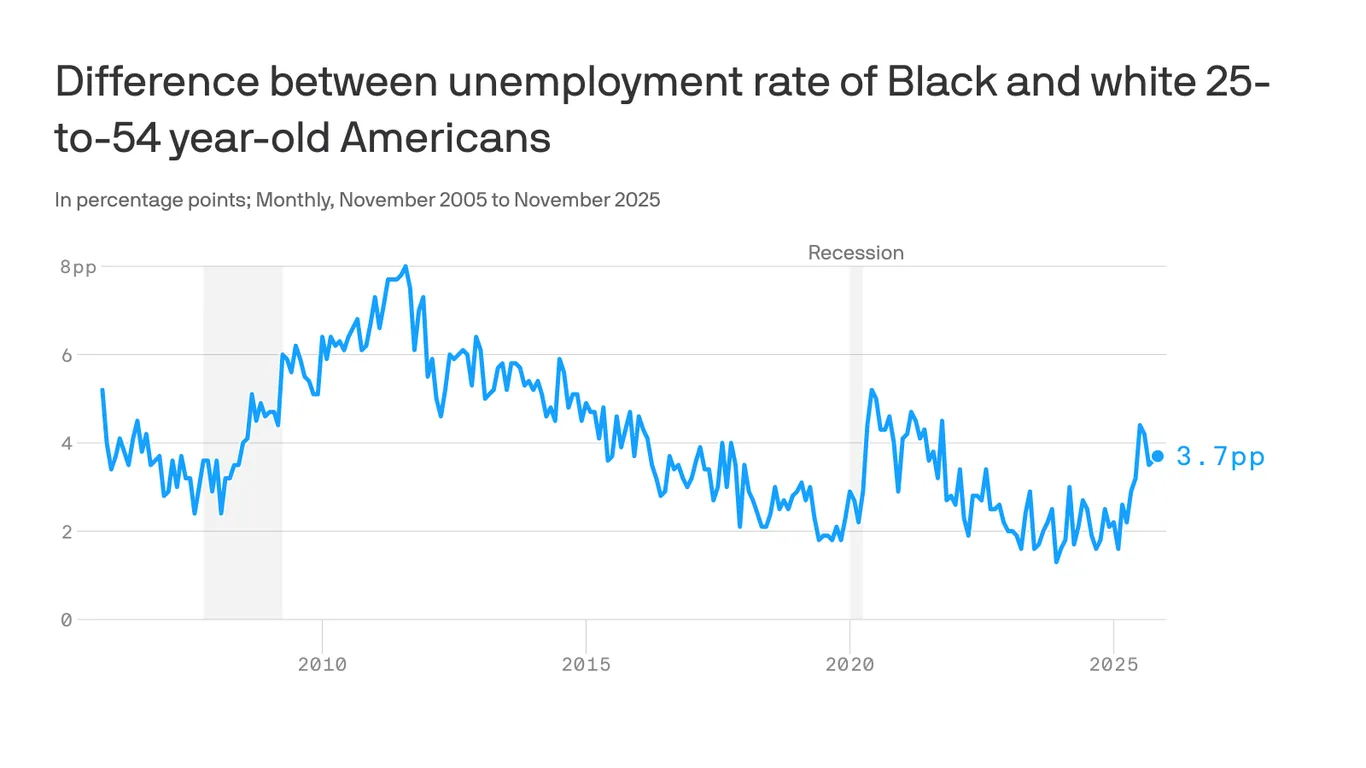
Black Americans are experiencing a worsening in employment conditions, with their unemployment rate rising sharply due to factors like shrinking federal jobs, reversing previous gains where Black-white employment gaps were at record lows, and highlighting ongoing racial disparities in the labor market.
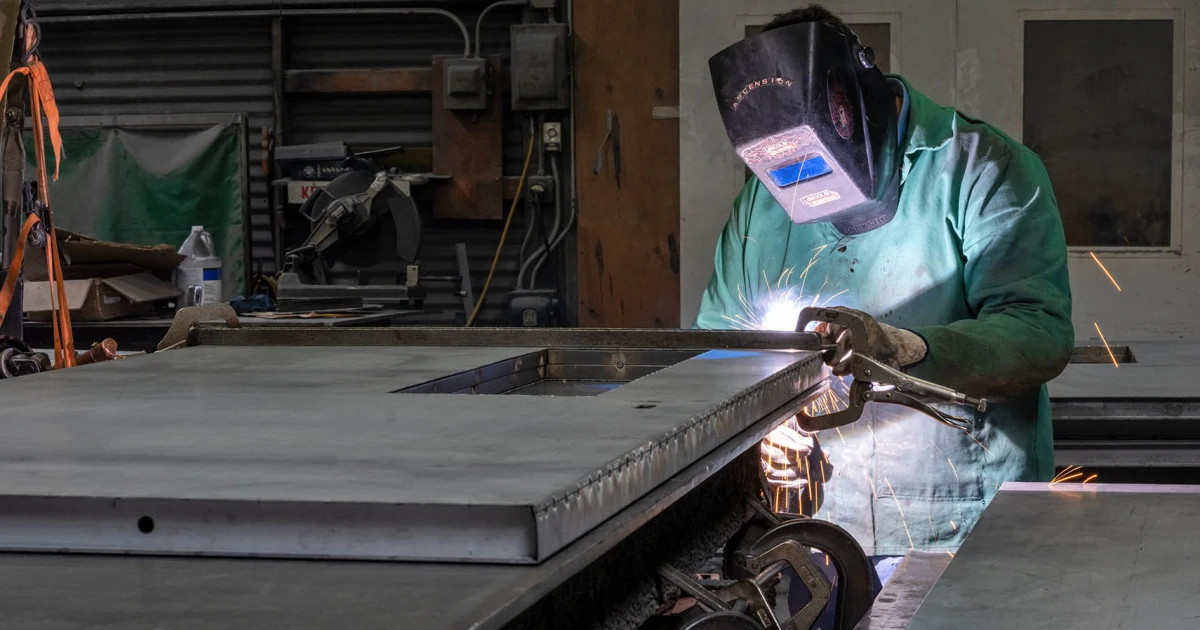
The latest U.S. jobs report reveals concerning trends including a slowdown in job creation since April, rising Black unemployment, growth concentrated in health and social services sectors, significant manufacturing job losses, and a surge in teen unemployment, indicating potential ongoing challenges in the labor market.
The sharp rise in Black unemployment to 7.5% signals a broader economic slowdown and highlights disparities in employment impacts, with recent federal layoffs and reduced diversity efforts exacerbating the issue. This trend raises concerns about whether the Federal Reserve will consider these disparities in its monetary policy decisions.
The US economy under Trump is experiencing its worst job growth in five years, with rising unemployment, especially among Black Americans, and widespread layoffs across sectors like manufacturing, trade, and healthcare, highlighting deepening economic disparities.
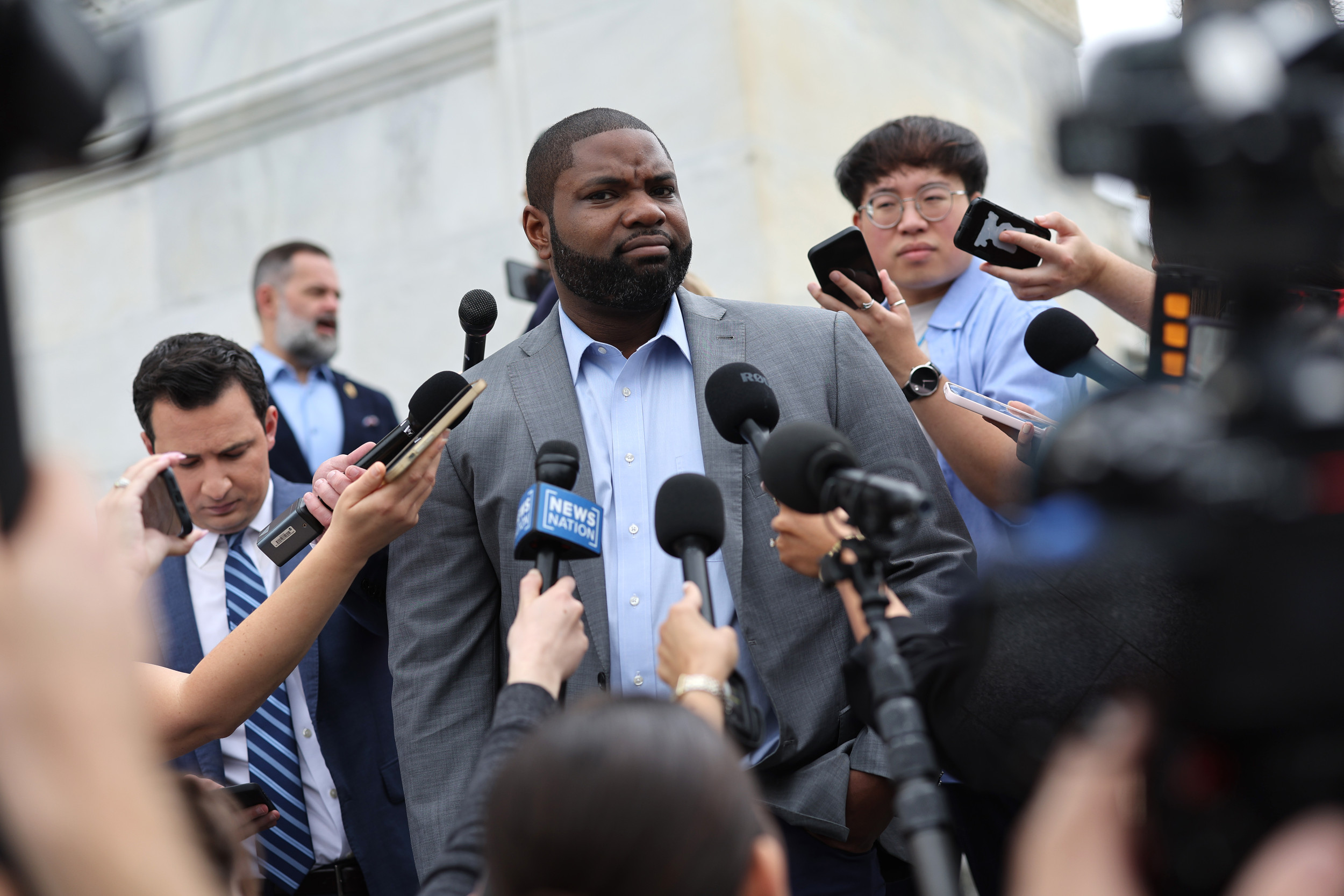
Congressman Byron Donalds was corrected live on-air by CNN journalist Abby Phillip after claiming that economic policies were better under Donald Trump than Joe Biden. Phillip pointed out that Black unemployment and poverty rates were at their lowest under Biden. Donalds argued that inflation-adjusted wages were better under Trump. The interview followed controversial comments Donalds made about the Jim Crow era and comes amid efforts by both Trump and Biden to engage Black voters ahead of the presidential election.
Black unemployment in the US rose to 6% in June, nearly double the rate of White joblessness, which fell to 3.1%. Black workers accounted for 90% of the recent rise in unemployment, with 267,000 job losses since April. Latino and Asian unemployment also increased, while the overall unemployment rate fell to 3.6%. Experts warn that if economic conditions continue to weaken, gains made by Black workers and other vulnerable groups could diminish quickly. Racial disparities in unemployment persist, with Black workers being more likely to be fired during economic slowdowns.