Tag

Quantum States

All articles tagged with #quantum states

Quantum Computers Struggle with Intractable Problems

Originally Published 2 months ago — by Phys.org

Featured image for Quantum Computers Struggle with Intractable Problems
Source: Phys.org

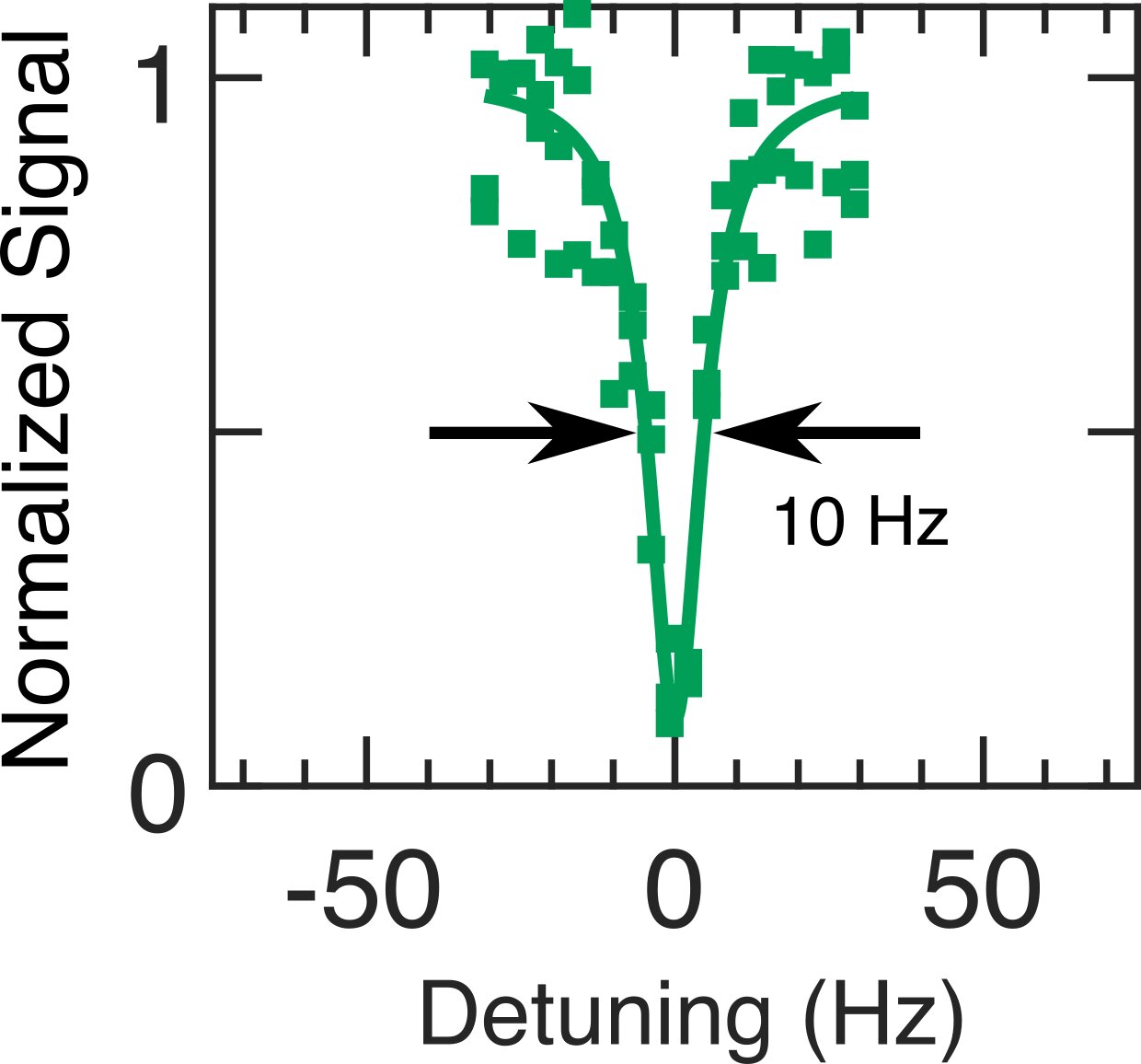
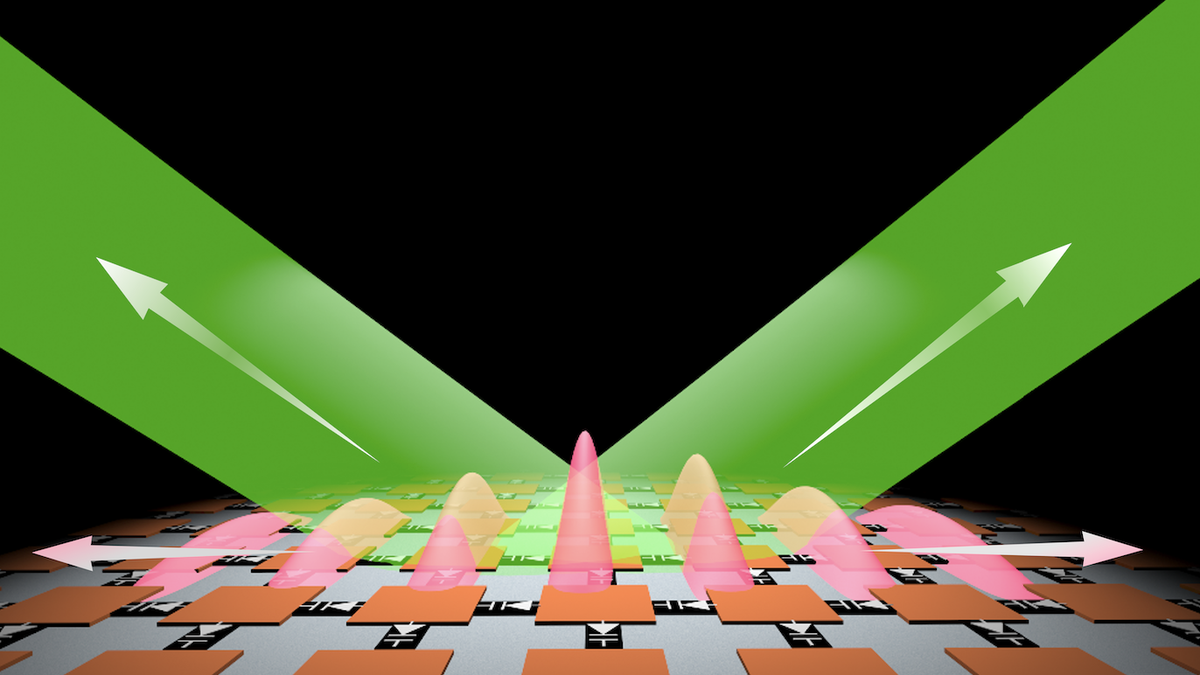
Researchers have demonstrated that recognizing phases of matter in quantum states can be exponentially hard for quantum computers, especially as the correlation length increases, making some problems practically impossible to solve efficiently, which raises fundamental questions about the limits of physical observation.
Efficient Quantum State Preparation with Grover's Algorithm in Optical Cavities

Originally Published 5 months ago — by Phys.org

Featured image for Efficient Quantum State Preparation with Grover's Algorithm in Optical Cavities
Source: Phys.org

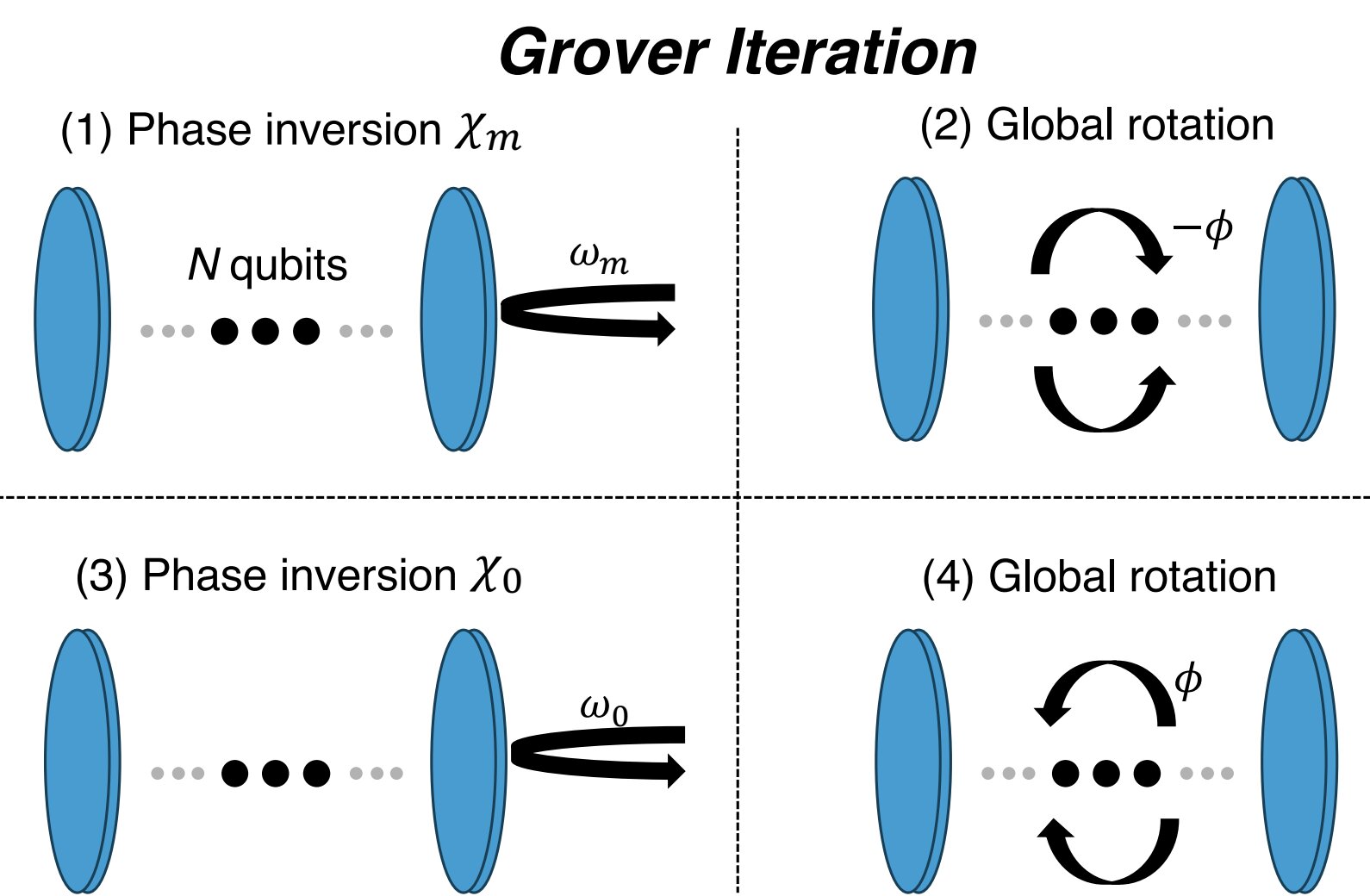
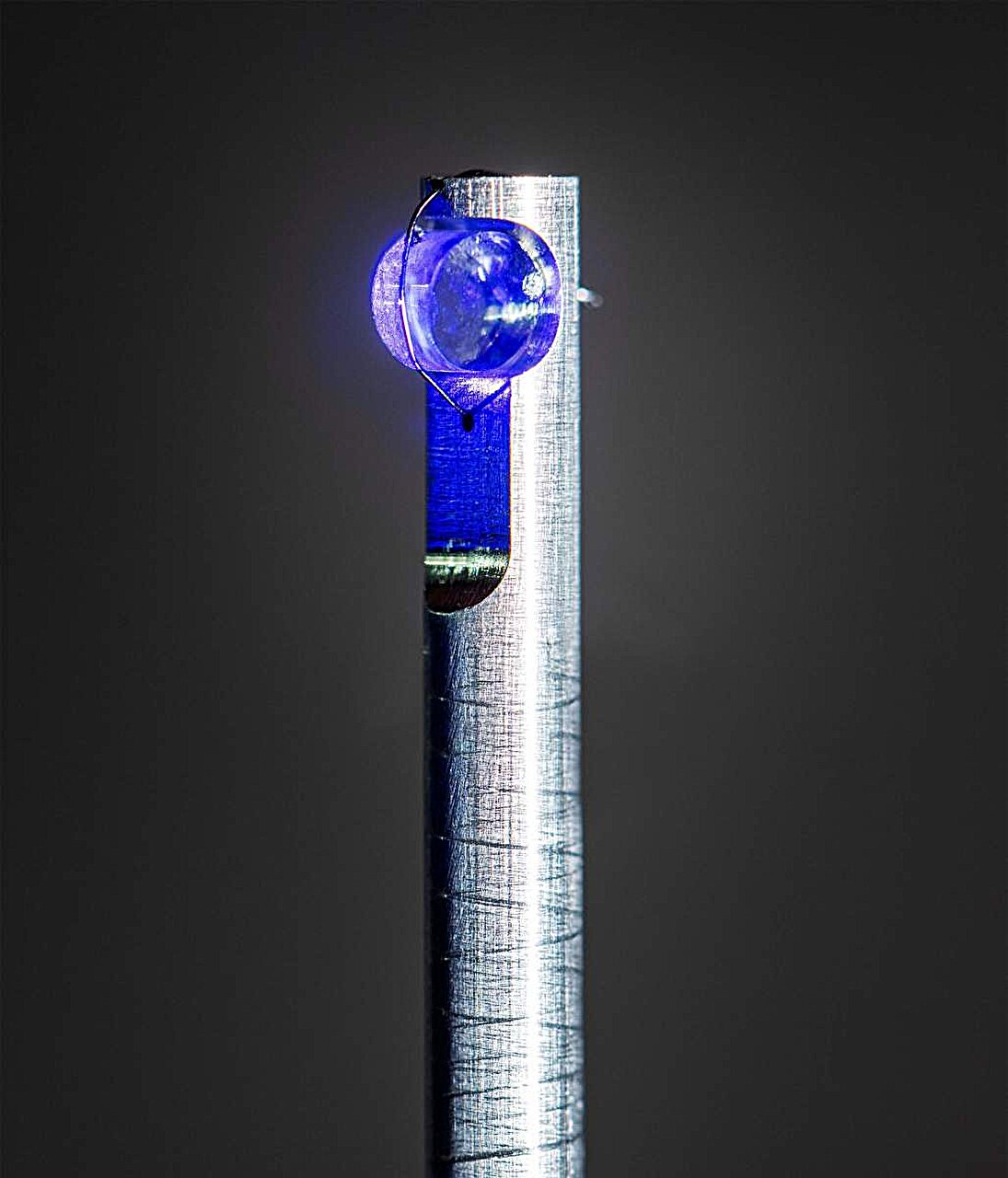
Researchers have proposed a method using Grover's algorithm to efficiently prepare entangled quantum states, such as Dicke and GHZ states, in optical cavities, potentially advancing quantum technology applications. The approach involves repeatedly reflecting single photons in atom-cavity systems, making the process scalable and applicable to various physical systems.

Scientists Develop Nuclear Clock to Detect Dark Matter

Originally Published 6 months ago — by Phys.org

Featured image for Scientists Develop Nuclear Clock to Detect Dark Matter
Source: Phys.org

Scientists are developing a nuclear clock using thorium-229 to detect dark matter by measuring tiny shifts in atomic nuclei's absorption spectrum, which could reveal dark matter's influence even if it is 100 million times weaker than gravity. This innovative approach could significantly advance our understanding of dark matter and improve precision in various scientific fields.

"Quantum States and Spin-Boson Discovery Unlock New Device Potential"

Originally Published 1 year ago — by SciTechDaily

Featured image for "Quantum States and Spin-Boson Discovery Unlock New Device Potential"
Source: SciTechDaily

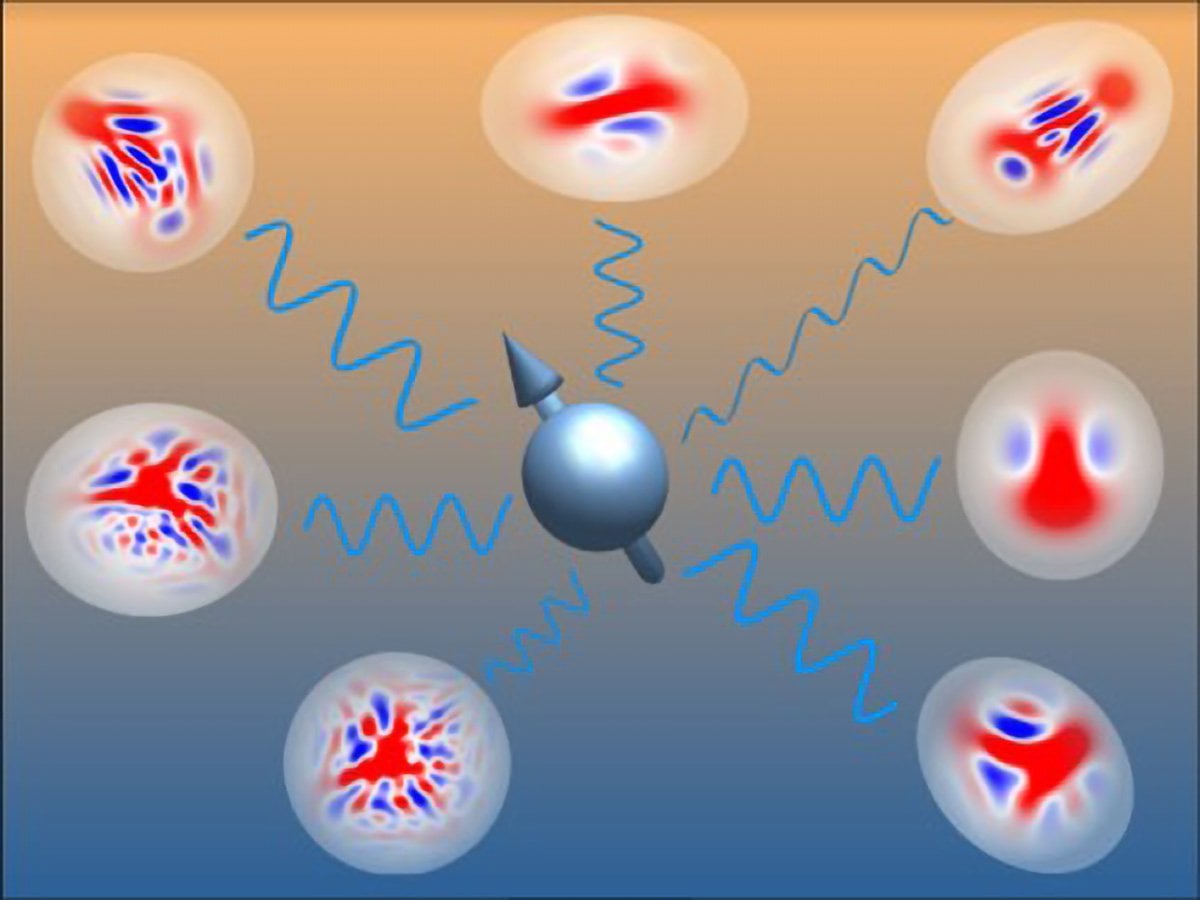
Researchers from Amsterdam have developed a new method using non-Gaussian states to efficiently describe and configure quantum spin-boson systems, which could significantly advance quantum computing and sensing. This approach allows for the preparation of complex quantum states, potentially enhancing quantum simulation, error correction, and sensor sensitivity. The method, demonstrated for a single spin, aims to extend to multiple spins and bosonic modes, with ongoing efforts to account for environmental disturbances.

"Remote Superconducting Nodes Achieve Multi-Photon State Transfer"

Originally Published 1 year ago — by Phys.org

Featured image for "Remote Superconducting Nodes Achieve Multi-Photon State Transfer"
Source: Phys.org

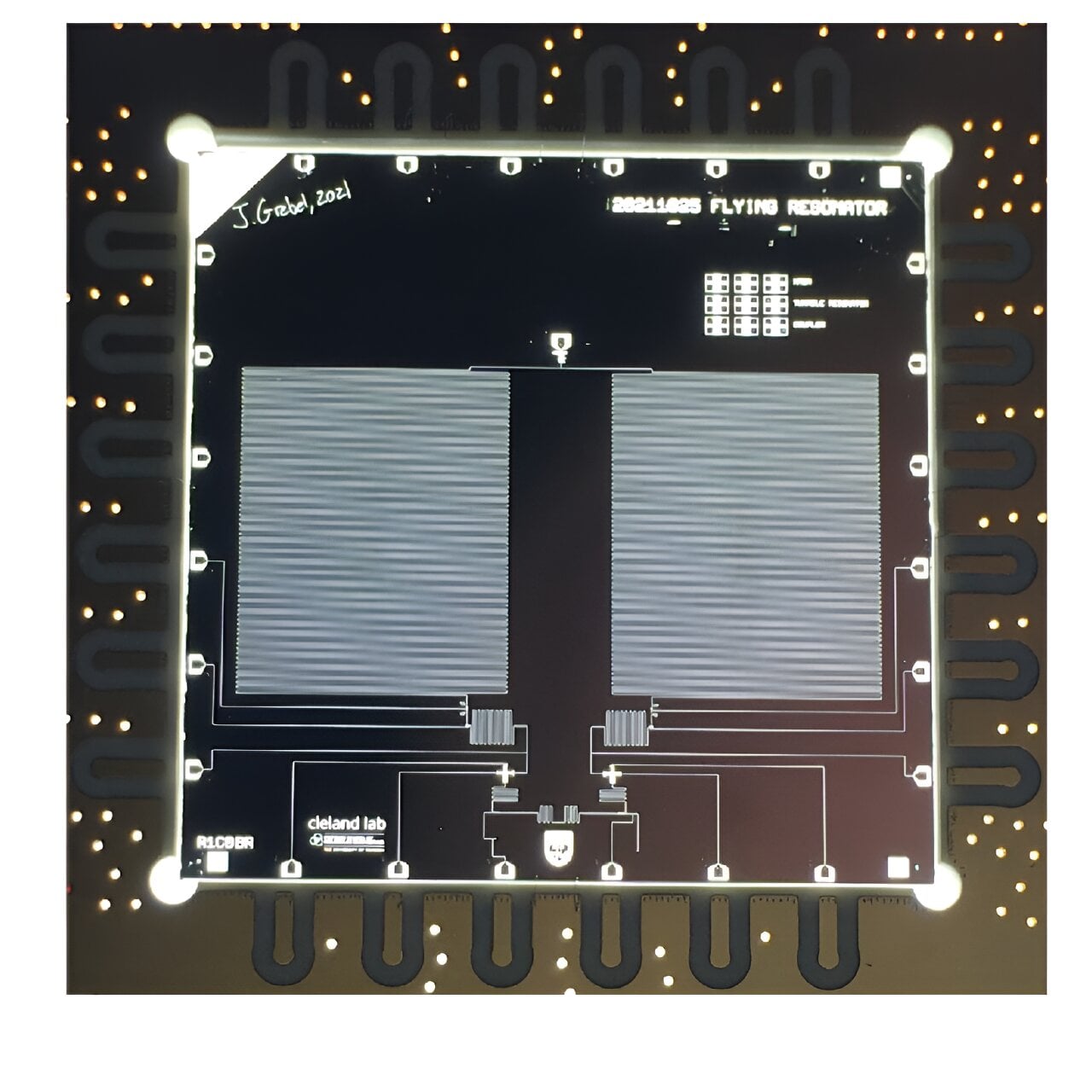
Researchers at the University of Chicago have demonstrated bidirectional multiphoton communication between remote superconducting nodes, using a new quantum communication testbed with resonators and superconducting qubits. Their study, published in Physical Review Letters, showcases the transmission of complex quantum states representing multiple qubits at the same time, paving the way for efficient communication of more complex quantum states than single photons between two nodes. This advancement could lead to distributed computing, coded quantum information transmission, and further exploration of multi-node communication channels.

"Breakthrough in Superconductivity: Andreev Chemistry Creates Isolated Pair States on Nanowires"

Originally Published 2 years ago — by Phys.org

Featured image for "Breakthrough in Superconductivity: Andreev Chemistry Creates Isolated Pair States on Nanowires"
Source: Phys.org

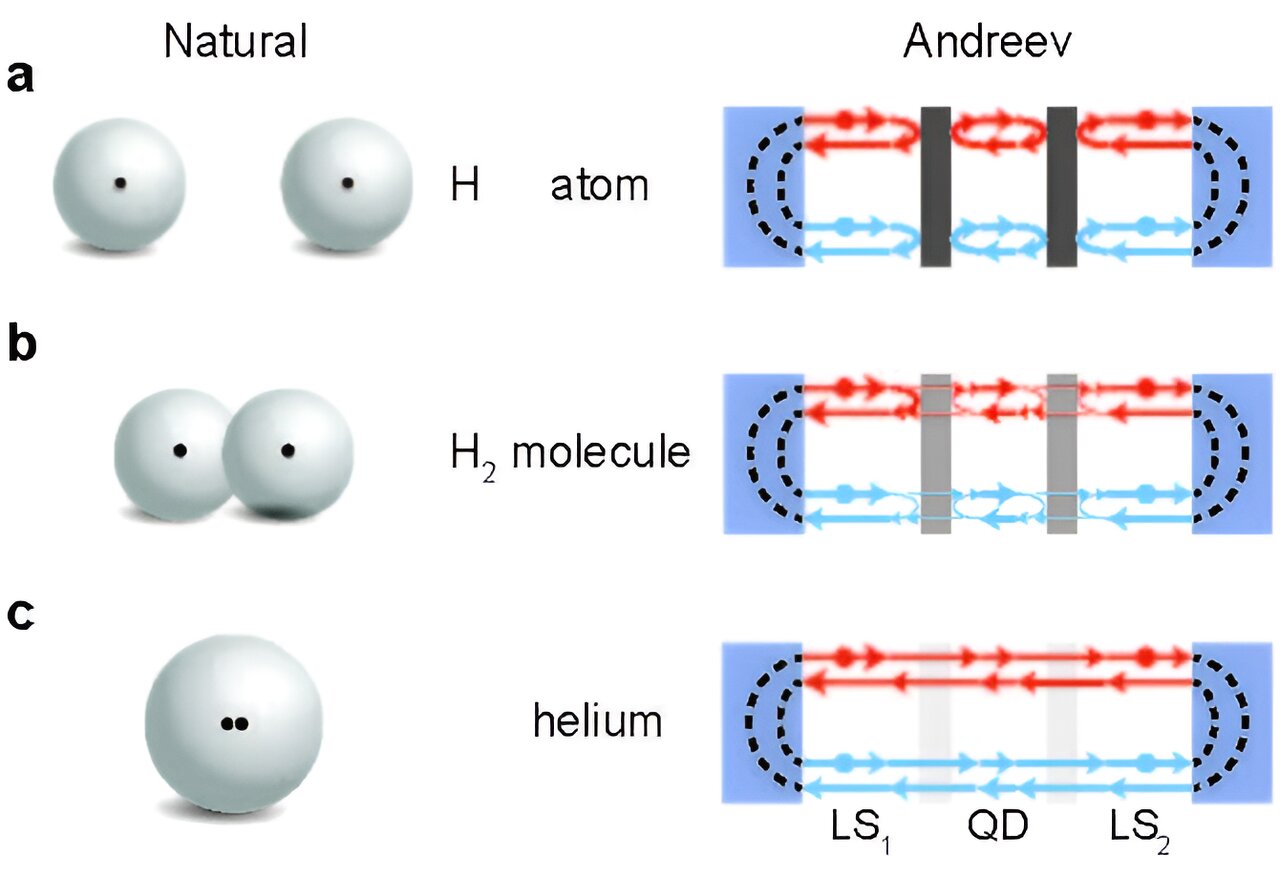
Researchers at the University of Basel and Lund University have generated superconducting pair states of electrons on nanowires, separated by barriers. By manipulating the height of the barriers, the researchers observed different types of pair states, including individual Andreev bound states (Andreev atoms), coupled Andreev bound states (Andreev molecules), and fused pair states that conduct electrical current without dissipation (Andreev helium). These findings provide insights for the development of new quantum states and potential applications in quantum computers.

Visualizing Quantum States in 2D Materials

Originally Published 2 years ago — by Phys.org

Featured image for Visualizing Quantum States in 2D Materials
Source: Phys.org

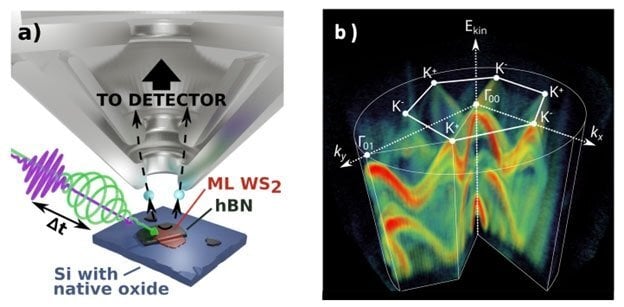
Scientists have developed a new approach to create separate images of individual quantum states in two-dimensional crystals of tungsten disulfide (WS2) using a technique called time-resolved momentum microscopy. By tracking the individual quantum states, researchers showed that the coupling mechanisms that lead to mixing of the states may not fully match current theories. This study provides crucial experimental support for some current theories of exciton coupling in TMDs, but also sheds light on important discrepancies.

Revolutionary Terahertz Molecular Clock Achieves Unprecedented Precision.

Originally Published 2 years ago — by Phys.org

Featured image for Revolutionary Terahertz Molecular Clock Achieves Unprecedented Precision.
Source: Phys.org

Researchers at Columbia University and University of Warsaw have developed a highly accurate molecular clock based on the diatomic molecule Sr2, which uses the vibrational modes of the molecule as a precise frequency reference to keep track of time. The clock achieved a total systematic uncertainty of 4.6×10⁻¹⁴, exhibiting a notably high precision. The vibrational molecular clock could become a standard for terahertz frequency applications and inform the creation of new molecular spectroscopy tools.

Photonic Time Crystal Enhances Light Amplification

Originally Published 2 years ago — by Gizmodo

Featured image for Photonic Time Crystal Enhances Light Amplification
Source: Gizmodo

Physicists have created a 2D photonic time crystal that amplifies light at microwave frequencies, which could have applications in technologies like transmitters and lasers. Unlike time crystals, photonic time crystals are artificial materials not found in nature and are not necessarily suspended in quantum states. The crystal could be used to improve wireless signals by coating devices in 2D photonic time crystals, making signal strengths more robust. The crystal only amplifies microwave frequencies, but a slight tweak in the design could allow it to work in millimeter-wave frequencies, like those used in 5G communications.