A new theory suggests that the molecular clock, which estimates the timing of evolutionary events, may have sped up during major evolutionary transitions, potentially explaining the 30-million-year gap between the predicted age of the common ancestor of complex animals and their first fossil appearance, thus aligning Darwin's theory with fossil evidence.
A landmark study of bird genomes has produced a clear picture of the bird family tree, revealing that most modern bird groups appeared within 5 million years after the extinction of dinosaurs. The study identified fundamental relationships among major bird groups, overturning previous ideas and revealing new groupings. It also unveiled a new bird grouping called "Elementaves" and confirmed a close relationship between passerines and parrots. The study placed a timescale on the bird family tree, showing that all living birds share an ancestor that lived just over 90 million years ago, with most modern bird groups emerging within a few million years after the end of the Cretaceous period. However, the relationships of the hoatzin, a distinctive bird species, remain a mystery.
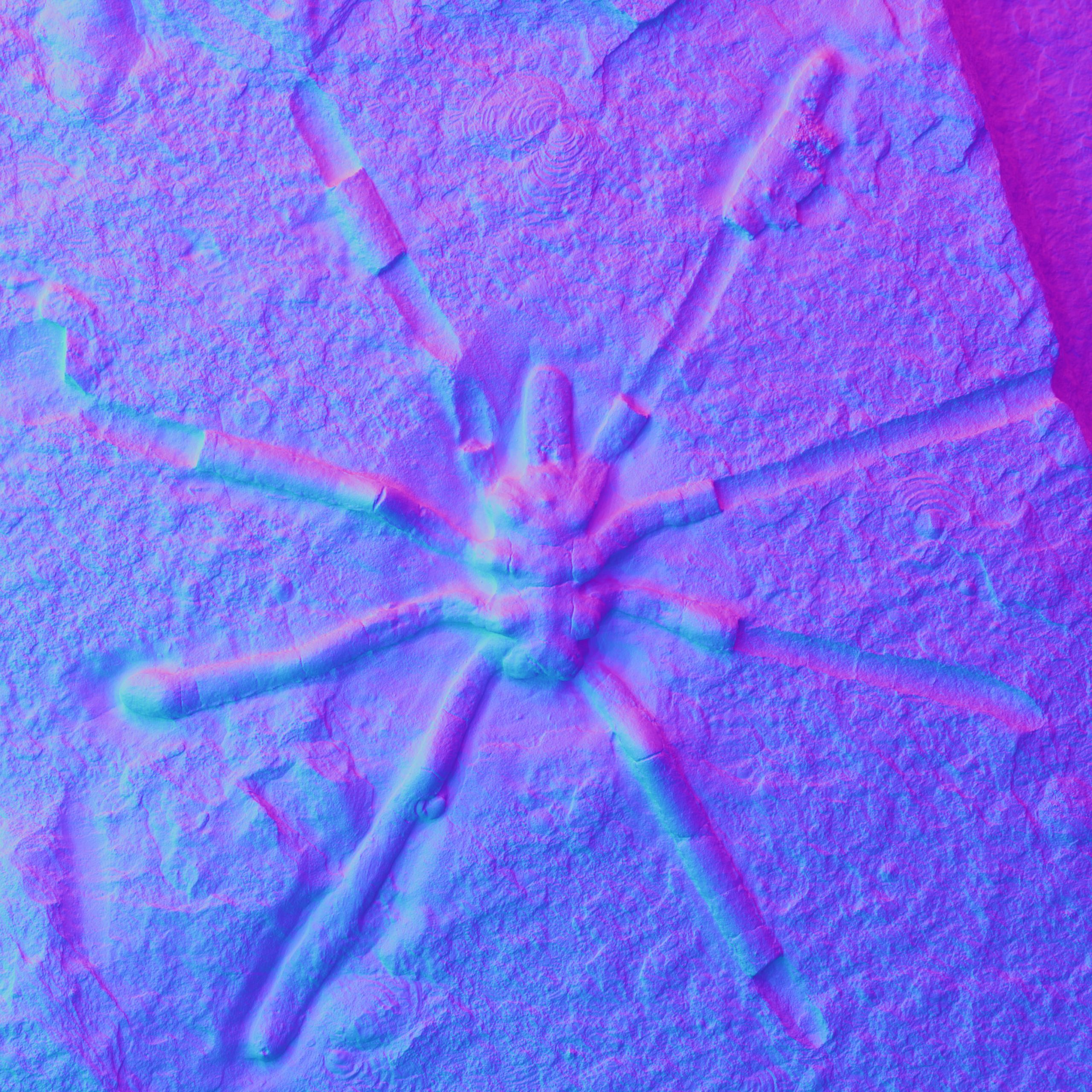
Researchers have discovered a rare collection of 160-million-year-old sea spider fossils in Southern France that are closely related to living species. These fossils provide insights into the evolution of sea spiders and will help calibrate the molecular clock, improving our understanding of arthropod evolution. The fossils, which are morphologically similar to living species, confirm that the diversity of sea spiders began taking shape during the Jurassic period. The findings will also aid in studying the impact of biodiversity crises on sea spider diversity throughout Earth's history.
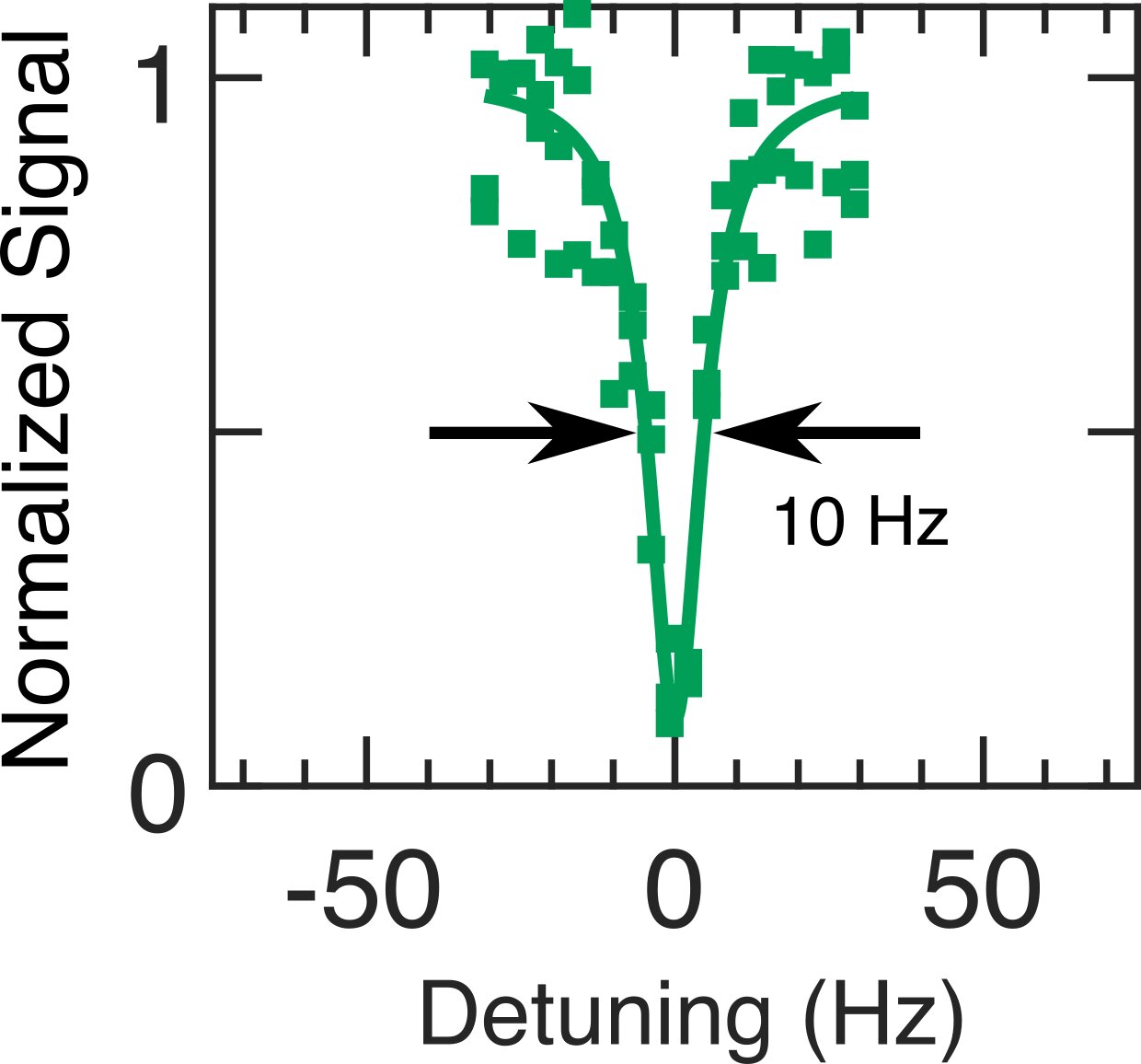
Researchers at Columbia University and University of Warsaw have developed a highly accurate molecular clock based on the diatomic molecule Sr2, which uses the vibrational modes of the molecule as a precise frequency reference to keep track of time. The clock achieved a total systematic uncertainty of 4.6×10⁻¹⁴, exhibiting a notably high precision. The vibrational molecular clock could become a standard for terahertz frequency applications and inform the creation of new molecular spectroscopy tools.