The U.S. Department of Energy announced $625 million to renew five National Quantum Information Science Research Centers, aiming to lead in quantum computing, sensing, and networking, and to strengthen America's position in quantum technology development.
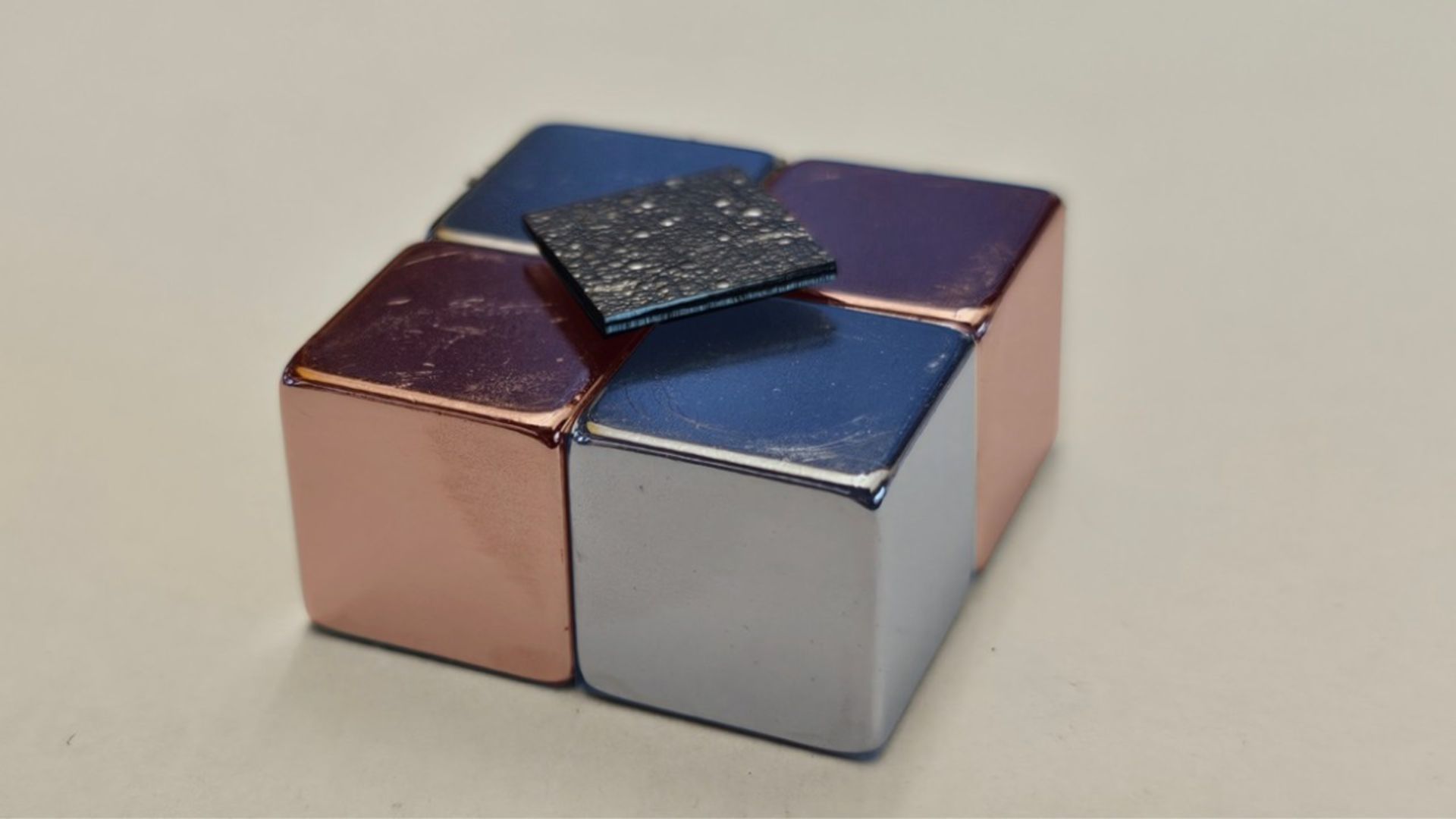
A research team in Japan has achieved levitation without using any external energy source by developing a new material, opening possibilities for gravity-free technology in the future. This breakthrough utilizes the principle of magnetic levitation, where superconducting magnets create a strong magnetic field and diamagnetic materials levitate, enabling objects to float and travel at high speeds.
Scientists have identified the world's first unconventional superconductor found in nature, a mineral called miassite, which exhibits superconductivity at low temperatures without using typical quantum mechanisms. This discovery opens up new possibilities for advancing fields such as quantum science and superconductor technology, as miassite's unique properties could lead to novel applications. The research team conducted detailed lab tests to confirm miassite's unconventional superconductivity, and the findings have been published in Communications Materials.
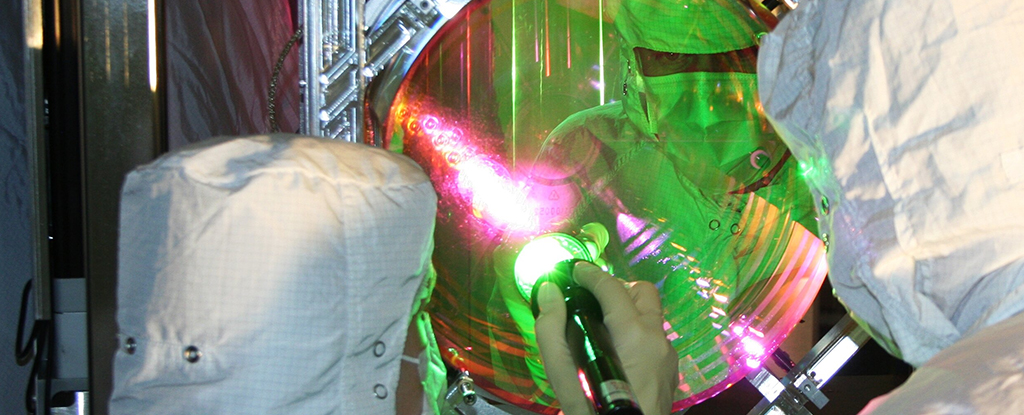
Physicists from University College London, the University of Southampton, and the Bose Institute have proposed a novel approach to measure quantum behavior in larger objects, challenging the traditional view that quantum physics only applies at small scales. Their experiment involves observing the motion of an object on a pendulum and flashing light at different times to see if quantum behavior is occurring. If successful, this could extend the domain of quantum mechanics and test its validity for larger masses, potentially revolutionizing our understanding of the fundamental theory of nature.
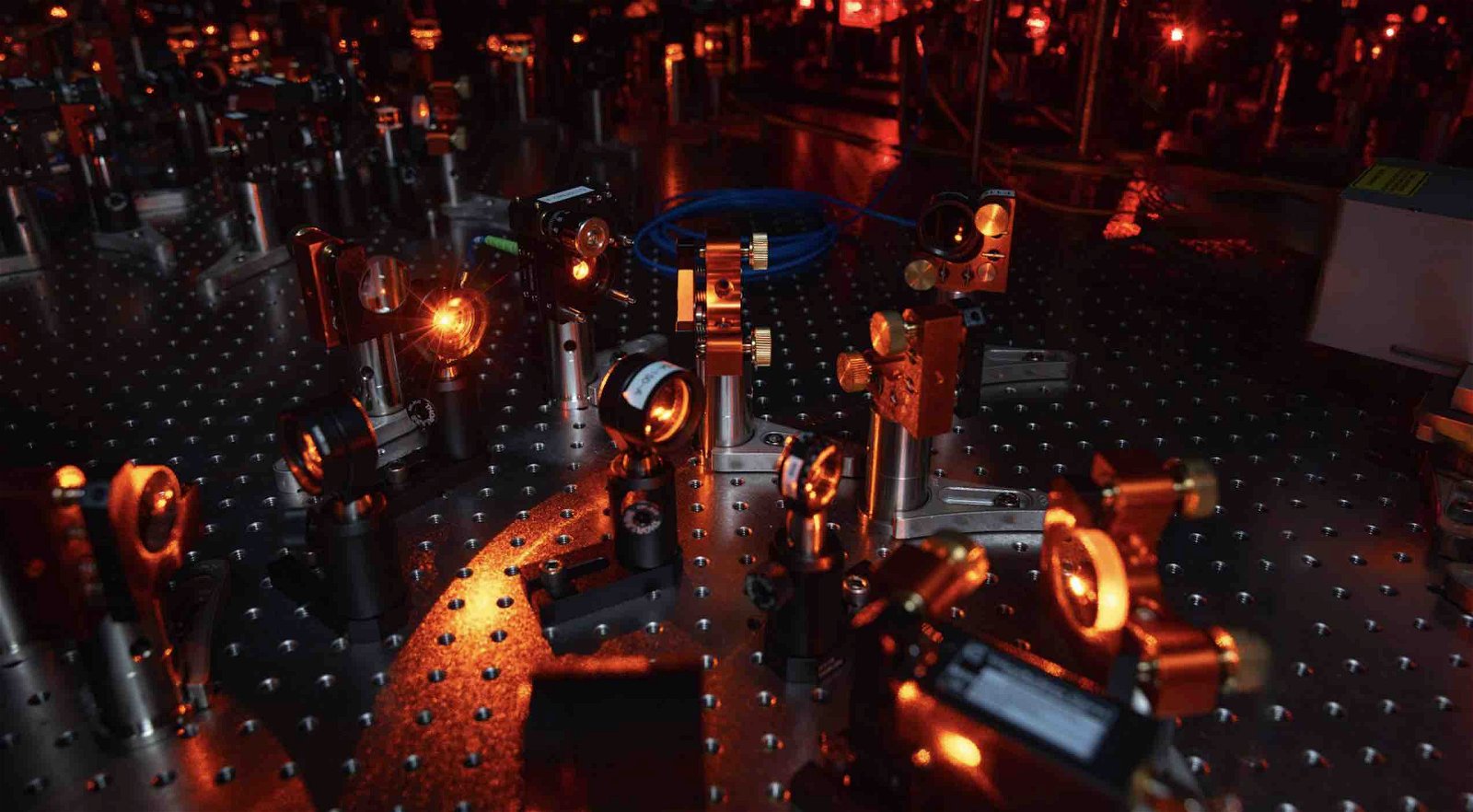
Physicists at Princeton University have achieved on-demand entanglement of individual molecules, a significant breakthrough in quantum science. This achievement leverages quantum mechanics and paves the way for the development of quantum computers and related technologies. The successful control of entanglement in molecules opens up possibilities for practical applications in quantum information processing and the simulation of complex materials. The research demonstrates the potential of using molecules as building blocks for quantum science and confirms the reliability of the "tweezer array" approach. Similar results were obtained in a separate study by Harvard University and MIT researchers, further validating the findings.
Hexagonal boron nitride (hBN) has the potential to surpass diamonds as the preferred material for quantum sensors, according to a new study. While diamonds have been widely used in quantum science due to their lattice structures and optical properties, they become ineffective at smaller sizes. hBN, on the other hand, shows promise in terms of quantum potential, particularly with boron vacancies. By manipulating and monitoring hBN, researchers have been able to stabilize the negatively charged boron vacancy, making it an ideal material for quantum systems. This discovery could lead to higher sensitivity and spatial resolution in quantum sensors and quantum information processing.
Caltech has broken ground on the Dr. Allen and Charlotte Ginsburg Center for Quantum Precision Measurement, thanks to a naming gift from philanthropists Allen and Charlotte Ginsburg and a major grant from the Sherman Fairchild Foundation. The center will accelerate the exploration of quantum phenomena and the invention of instruments to measure them with unprecedented sensitivity, enabling researchers to advance fundamental research across various scientific disciplines. The facility will house the Kip Thorne Laboratories and the Institute for Fundamental Quantum Sciences, fostering collaboration among quantum researchers from diverse fields. The Ginsburg Center aims to revolutionize agriculture, consumer electronics, energy production, medicine, and sustainability through the development of quantum devices. The center is expected to open in fall 2025.
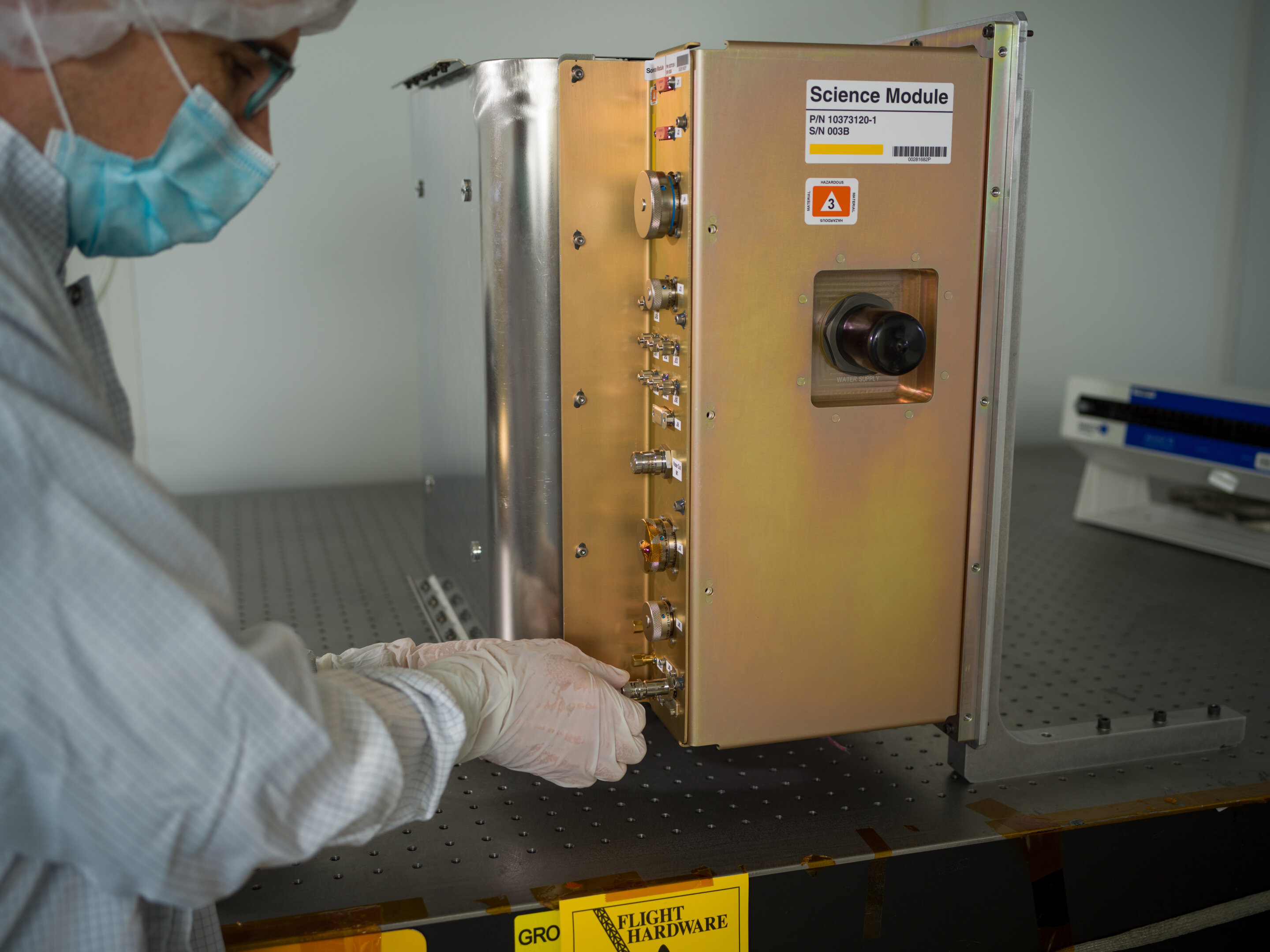
NASA's Cold Atom Lab, a quantum science facility operating on the International Space Station since 2018, has received a major hardware upgrade called the Quantum Observer Module. The lab, which can chill atoms to almost absolute zero, enables scientists to conduct experiments in quantum science. The upgrade will increase the number of atoms available for experiments, allowing scientists to collect more data and expand the variety of experiments. The Cold Atom Lab's research could lead to advancements in space-based navigation, communications, and the study of cosmological mysteries like dark matter and dark energy.
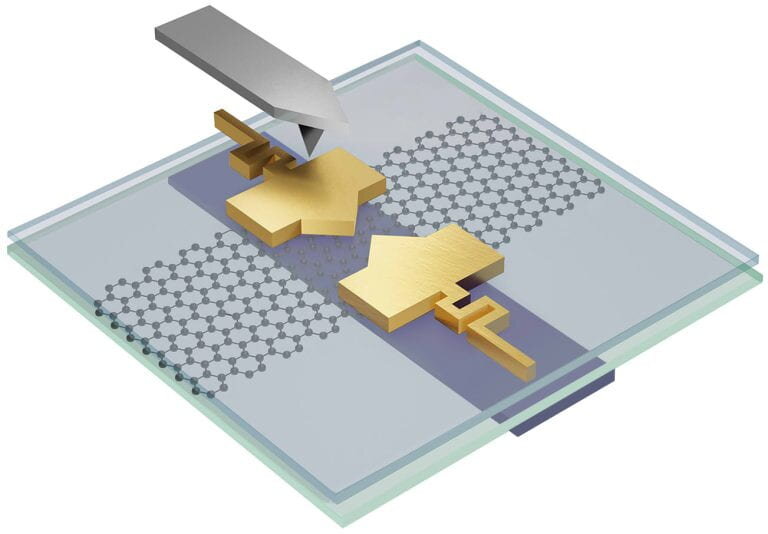
Physicists at the University of California, Irvine have discovered nanoscale electronic devices that can transform into many different shapes and sizes, unlike traditional solid-state devices. The devices are made of single-atom thick sheets of graphene attached to gold wires that can be transformed into a variety of different configurations on the fly. The discovery could fundamentally change the nature of electronic devices and the way scientists research atomic-scale quantum materials. The team expects their work could usher in a new era of quantum science research.