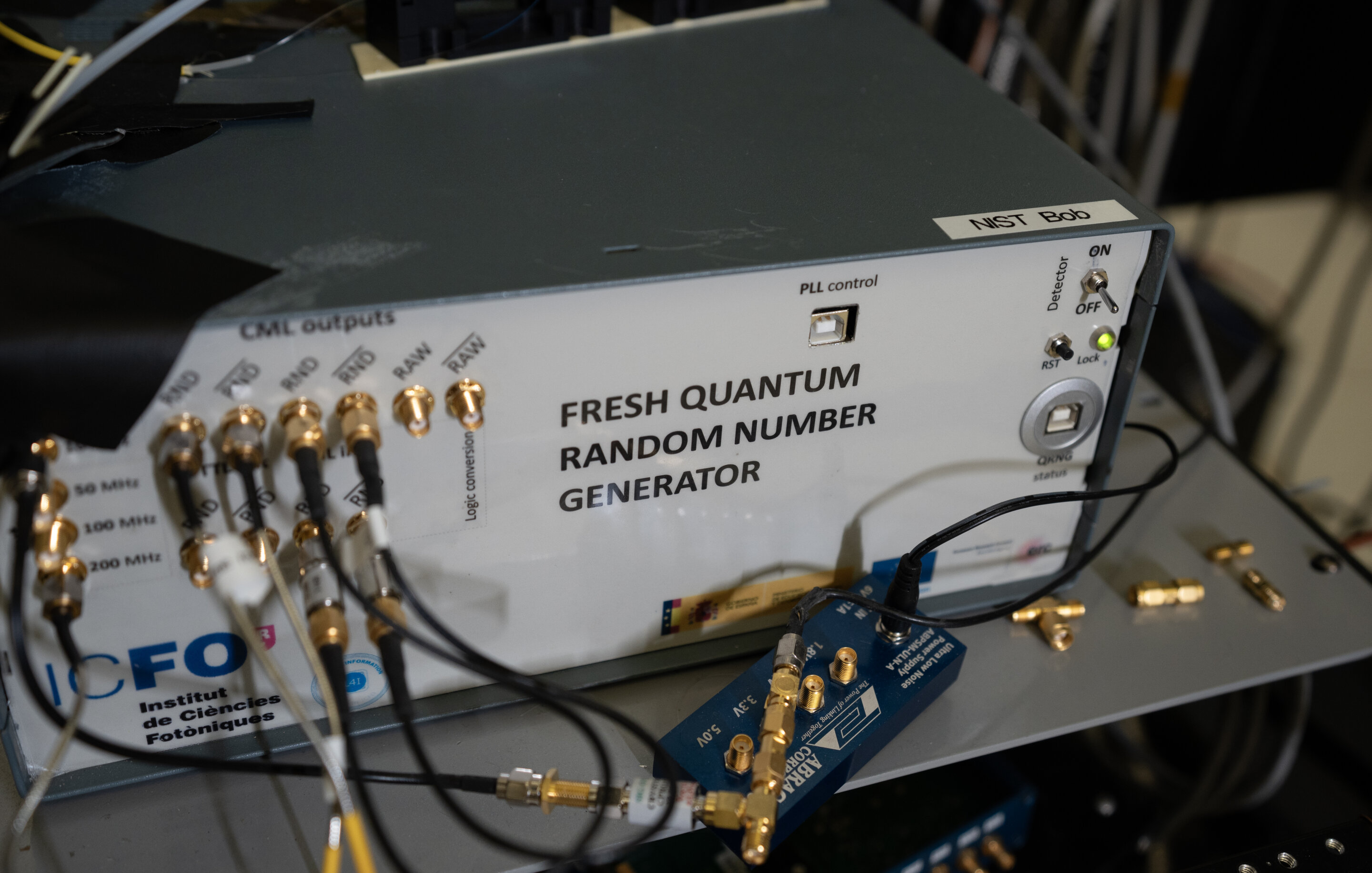
Researchers at NIST and the University of Colorado Boulder have developed a public, verifiable quantum random number generator called CURBy, which uses quantum nonlocality and Bell tests to produce truly random numbers that are certifiable and traceable, marking a significant milestone in the use of quantum physics for secure and unbiased randomness generation.
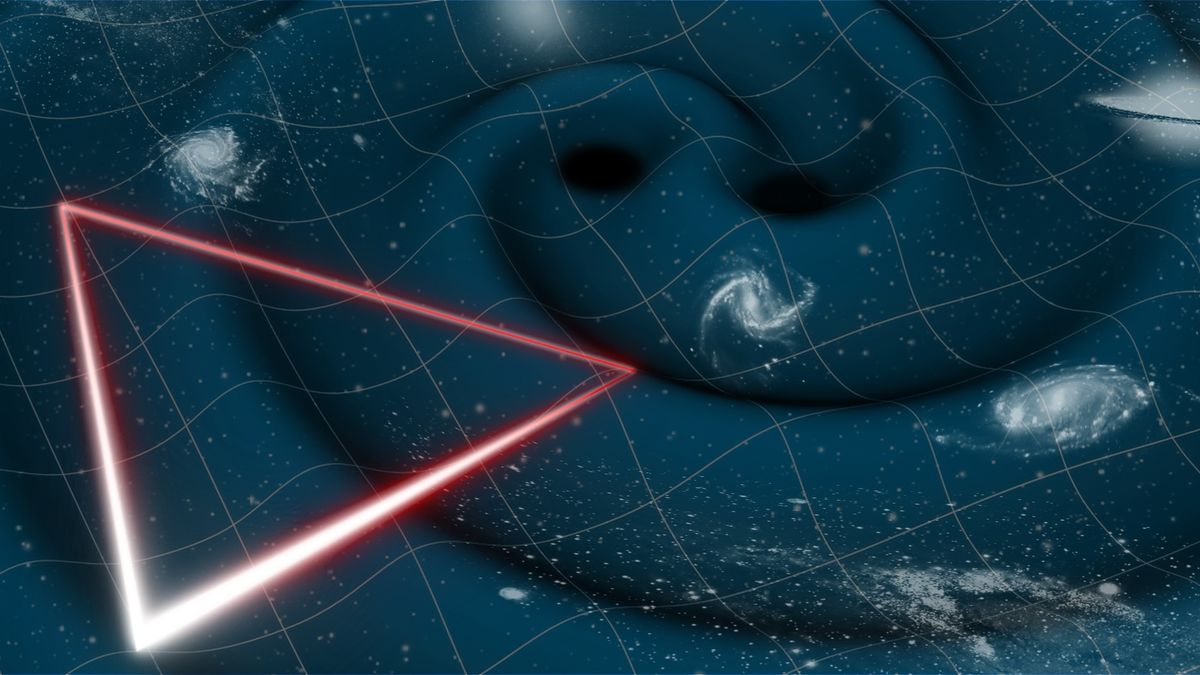
A new study suggests a potential solution to the black hole information paradox, a problem that has puzzled scientists since Stephen Hawking's discovery of Hawking radiation. The research proposes that black holes may leak information through nonviolent nonlocality, where quantum connections between the inside and outside of a black hole create subtle signatures in gravitational waves. While current detectors lack the sensitivity to confirm this hypothesis, future instruments might be able to test it, potentially resolving the paradox.
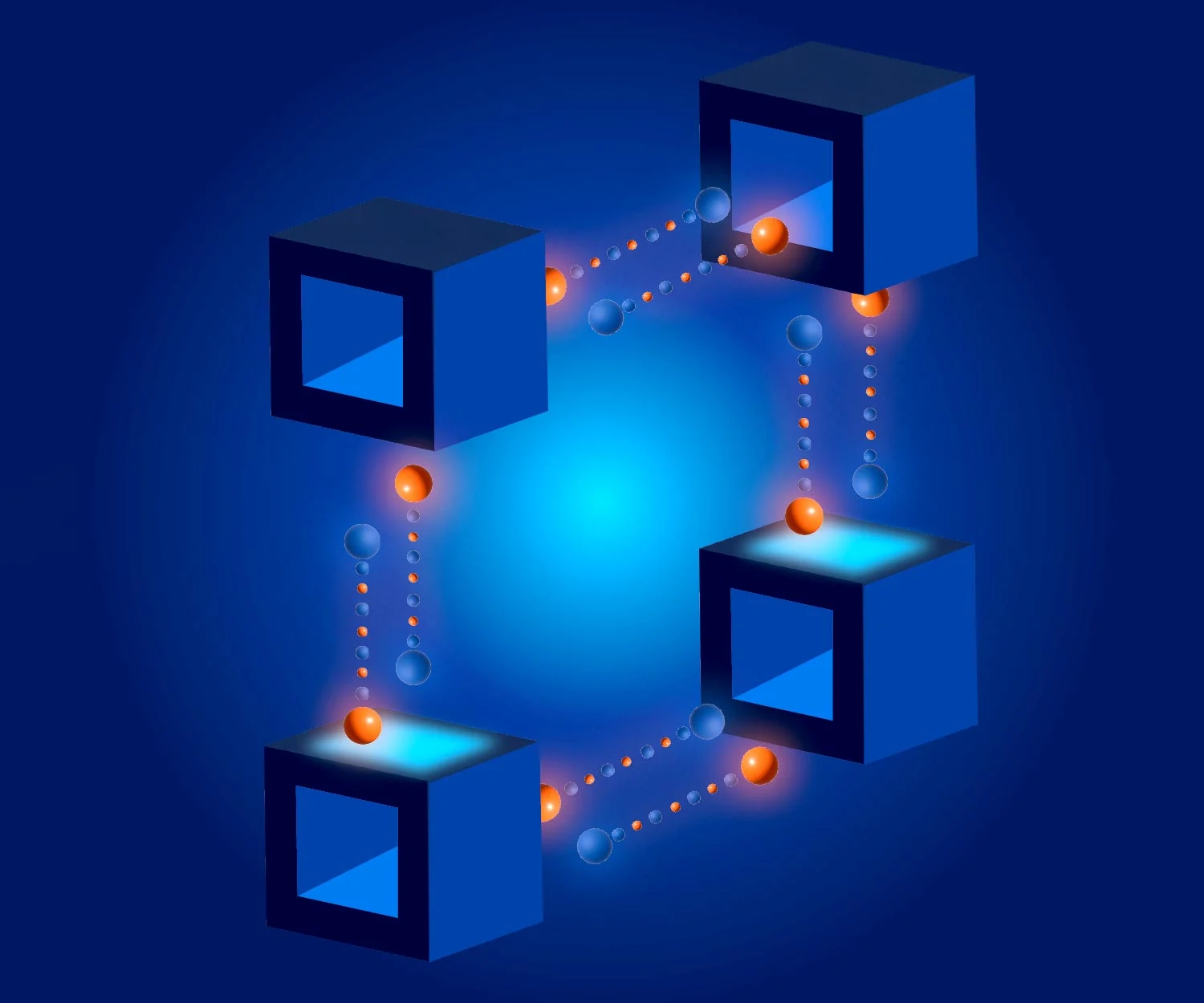
Researchers have developed a theoretical framework that provides deeper insights into quantum nonlocality, a vital property for quantum networks to outperform classical technology. The study unified previous nonlocality research and showed that nonlocality is achievable only through a restricted set of quantum operations. This framework could aid in evaluating the quality of quantum networks and broaden our understanding of nonlocality.