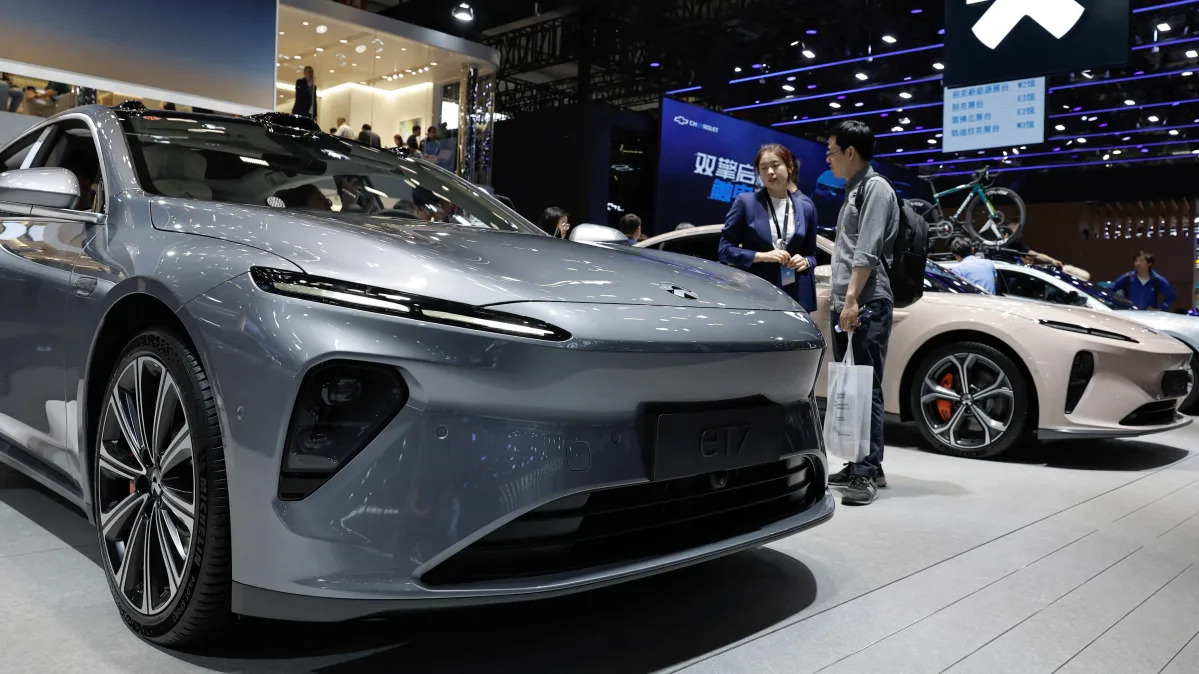
Nio reported a wider-than-expected Q1 loss and revenue that fell short of estimates, leading to a nearly 2% drop in shares. Despite delivering over 42,000 vehicles, the company's financial results disappointed analysts, though it projects an 11.8% to 15% revenue increase in Q2. CEO William Bin Li highlighted market share gains for new models.
NIO's shares dropped after reporting a larger-than-expected loss in Q1, with vehicle deliveries falling 3.2% year-over-year. Increased competition in the EV market is a significant factor, impacting both domestic Chinese players and larger US automakers like Tesla. Despite the current downturn, NIO forecasts a substantial increase in vehicle deliveries for Q2, expecting between 54,000 to 56,000 units, which would represent a year-over-year increase of up to 138%. Revenue projections for Q2 are between $2.3 to $2.37 billion.
Samsung Electronics reported a record loss in its semiconductor business in Q1 due to weak demand for tech devices, leading to a global downturn in semiconductor purchases and plummeting chip prices. The company expects a gradual recovery for chips in H2 2019, focusing on high-capacity server and mobile products. Samsung's mobile business was a brighter spot, reporting a profit of 3.94 trillion won in Q1, up from 3.82 trillion won a year earlier. Despite the record loss in chips, Samsung spent 10.7 trillion won in capital expenditures during Q1, the highest for the first quarter of any year.
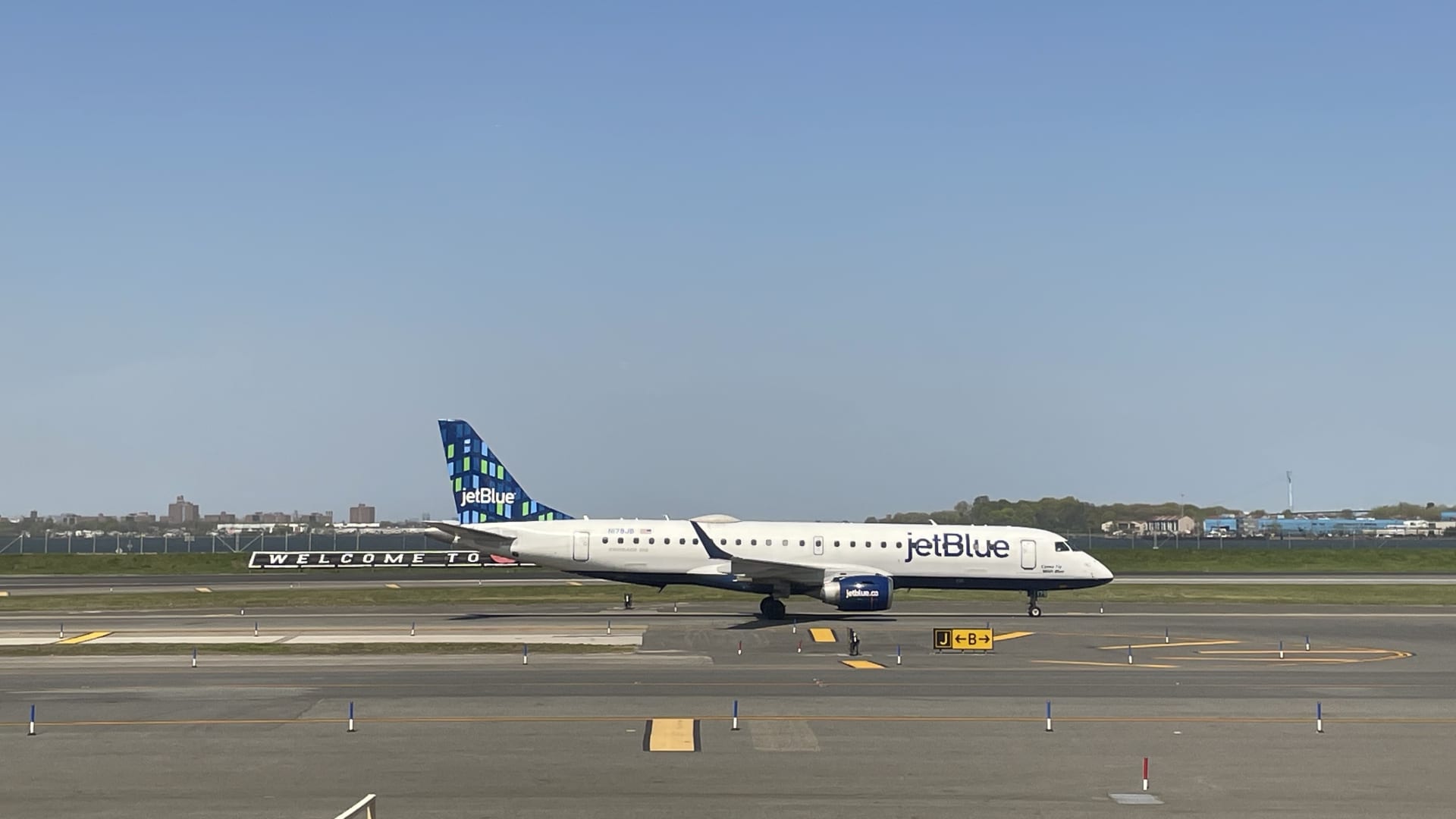
JetBlue Airways posted a loss of $192 million for Q1 2022, but forecasts a profit for Q2 due to strong travel demand. The airline estimated per-share earnings of 35 cents to 45 cents for the current quarter, ahead of analyst estimates. JetBlue's Q1 revenues jumped 34% to $2.33 billion, slightly ahead of estimates, while expenses rose more than 22% to $2.57 billion. The New York-based airline is facing legal challenges to its deal to buy budget carrier Spirit Airlines and its partnership with American Airlines in the Northeast.
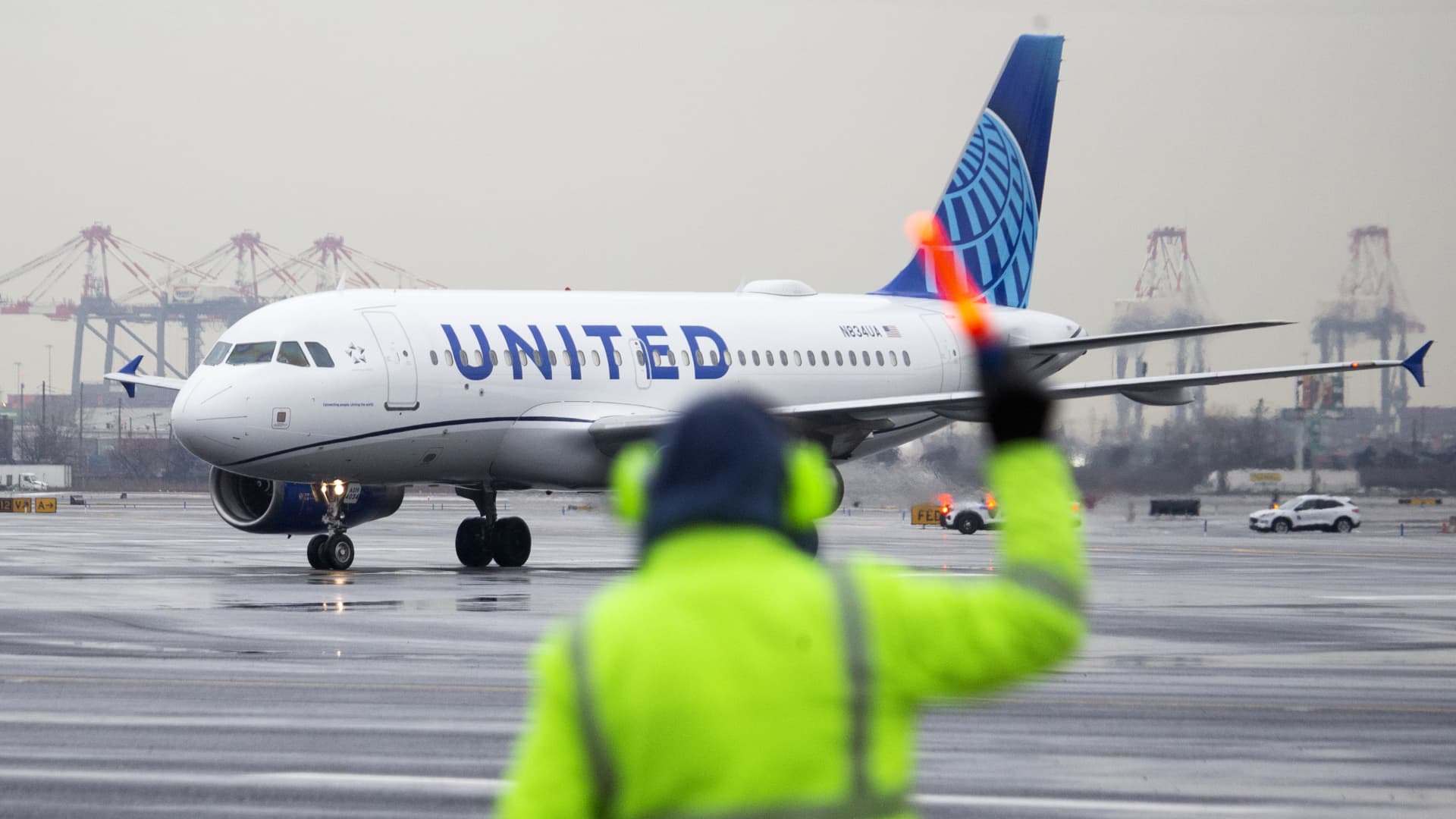
United Airlines shares fell 4% after the carrier forecasted a Q1 loss due to weaker demand growth and higher fuel costs. The company also expects to accrue expenses tied to a possible new contract with its pilots in Q1. United trimmed its estimate for unit revenues to between 22% and 23% over a year earlier, down from previous guidance of a 25% increase. However, the airline still expects to earn between $10 and $12 a share this year, on an adjusted basis.