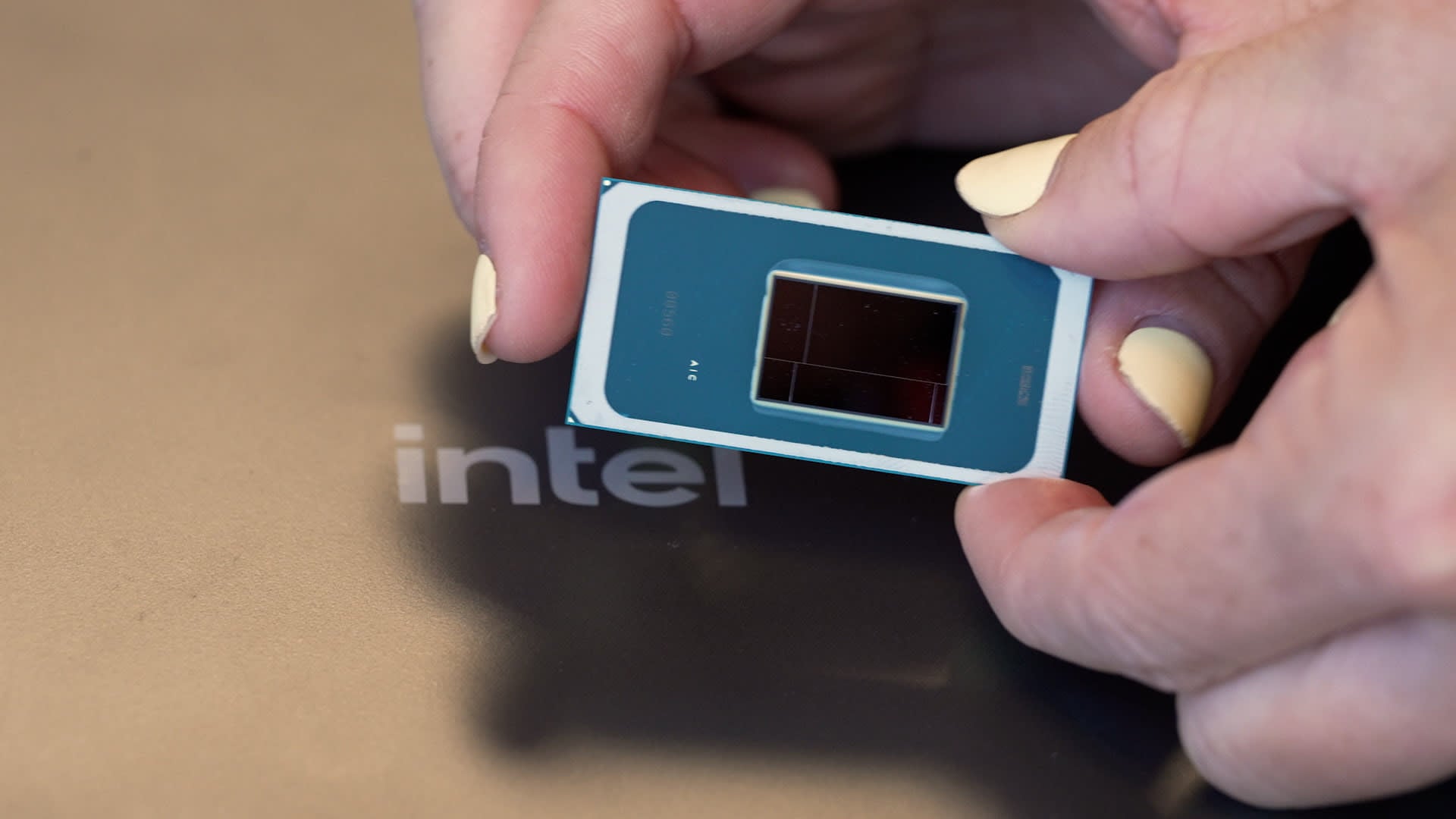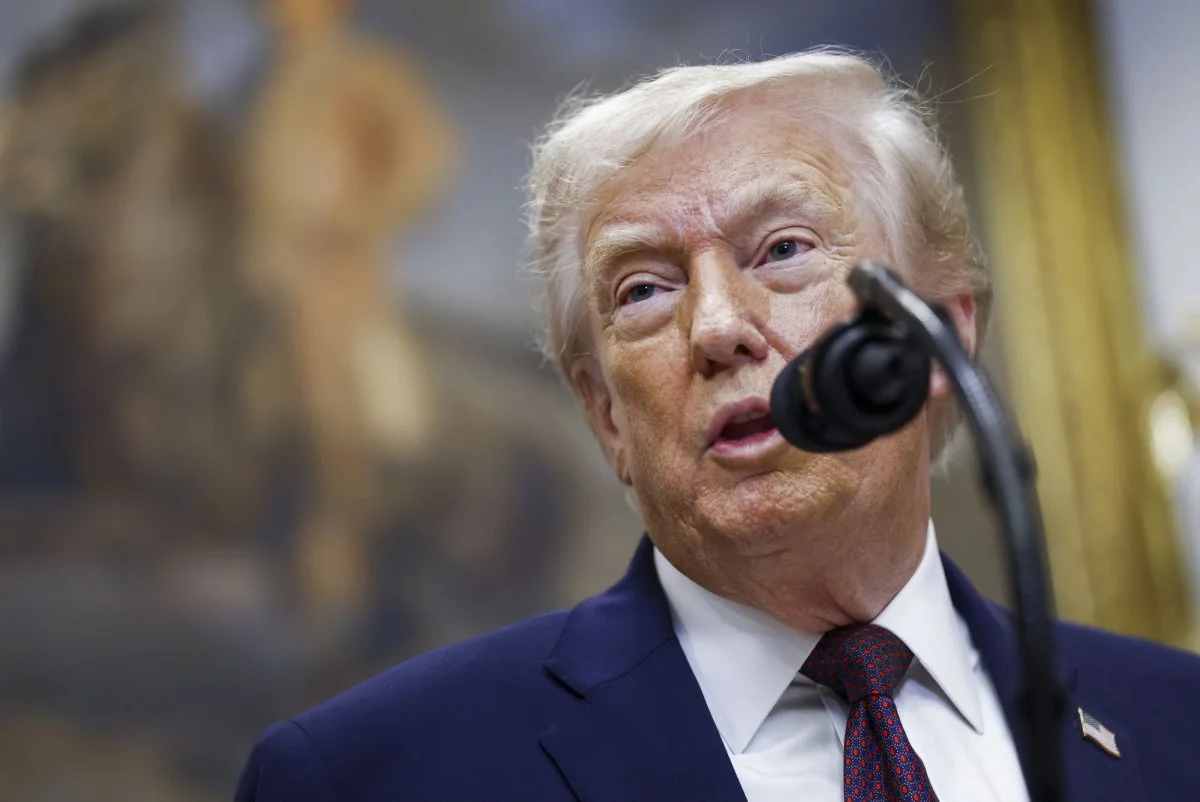
Semiconductor stocks, led by Intel, rose after U.S. President Donald Trump praised the company and highlighted the U.S. government's significant investment and efforts to bring chip manufacturing back to America, boosting investor confidence in the sector.
Micron Technology's stock has surged over 252% in the past year driven by AI infrastructure optimism, but a discounted cash flow analysis suggests it may be overvalued by about 64%, raising questions about the sustainability of its high valuation.
President Donald Trump signed an executive order blocking a $2.92 million semiconductor deal between U.S. and Chinese companies, citing national security concerns, and requiring HieFo Corp. to divest from EMCORE within 180 days.
ASML shares rose about 4% after Aletheia Capital upgraded the stock to Buy, citing strong demand driven by expanding semiconductor factories, increased orders for EUV lithography tools used in AI and high-performance computing, and expectations of higher earnings in 2026 and 2027 due to increased chip manufacturing capacity, especially from TSMC.
China has called on the Netherlands to correct its actions regarding the control of Chinese-owned chipmaker Nexperia, which was seized by the Dutch government amid US security concerns, leading to tensions and potential disruptions in the global semiconductor supply chain, especially affecting the automotive industry.
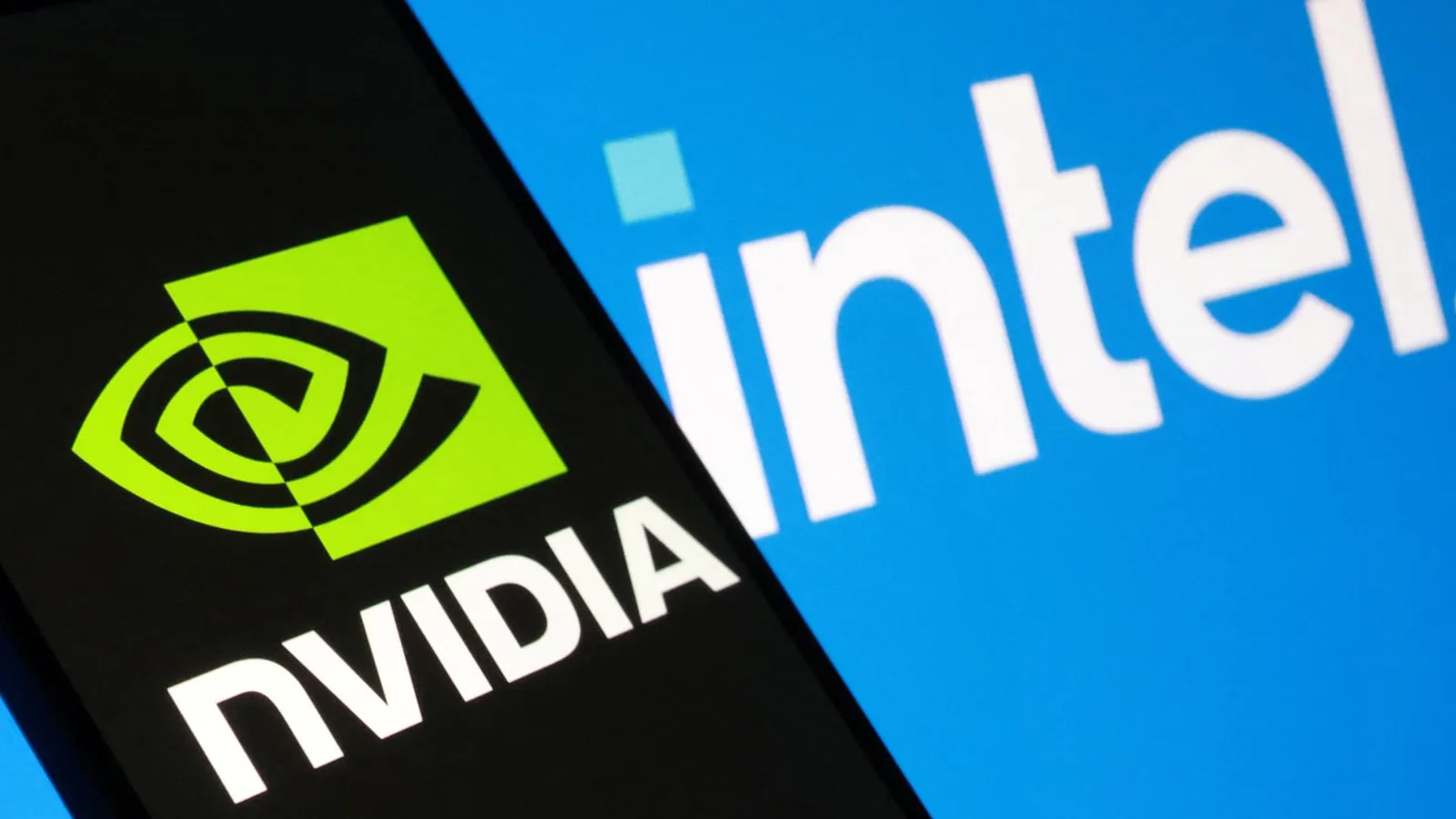
Intel sold a $5 billion stake to Nvidia, acquiring 214.8 million shares at $23.28 each, marking a significant cross-shareholding in the semiconductor industry. The deal provides Intel with a financial boost to support its restructuring and technological investments, while Nvidia gains strategic and financial exposure to Intel's recovery and growth. Investors will monitor Intel's upcoming earnings and capital plans for further insights.
Nvidia has purchased $5 billion worth of Intel shares as part of a September agreement, providing a financial boost to Intel amid its recent struggles, with the transaction cleared by U.S. antitrust agencies.
Morgan Stanley highlights Nvidia, Broadcom, and Astera Labs as top semiconductor stocks for 2026, driven by strong AI demand in data centers, with Nvidia and Broadcom leading in processor and AI infrastructure markets, respectively.
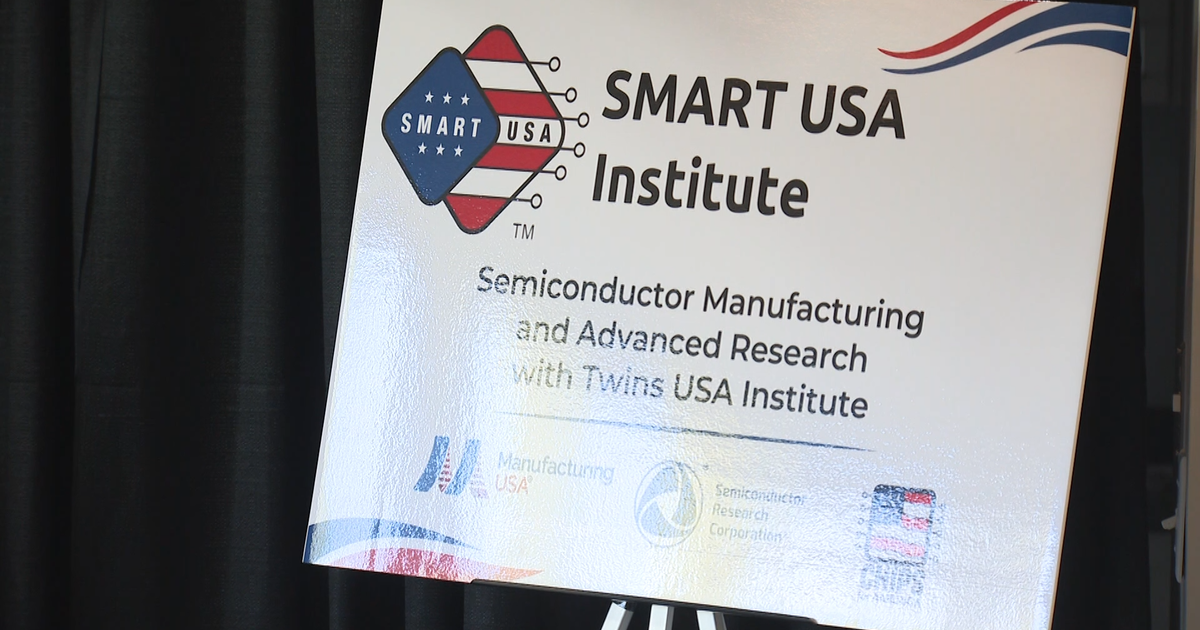
The U.S. federal government has terminated a $285 million contract with Durham-based Smart USA Institute for the CHIPS Act project, citing 'convenience,' despite the company meeting all performance targets. The project aimed to boost domestic semiconductor manufacturing and incorporate AI technologies like digital twins. Smart USA is now planning next steps after the funding loss.
A global selloff in semiconductor stocks has erased approximately $500 billion in market value due to concerns over high valuations and the sustainability of earnings growth amid rising interest rates, with major chipmakers and tech giants experiencing significant declines, signaling a potential correction after a rapid rally driven by AI demand.
Qnity Electronics completed its spinoff from DuPont, becoming an independent company specializing in semiconductor materials and chip manufacturing technology, and immediately joining the S&P 500 with a positive market response and a buy rating from analysts.
Nexperia China assures customers of uninterrupted production, having secured new wafer suppliers and implementing contingency plans, despite the Dutch authorities' control of its Netherlands parent and disputes over contractual and financial issues.
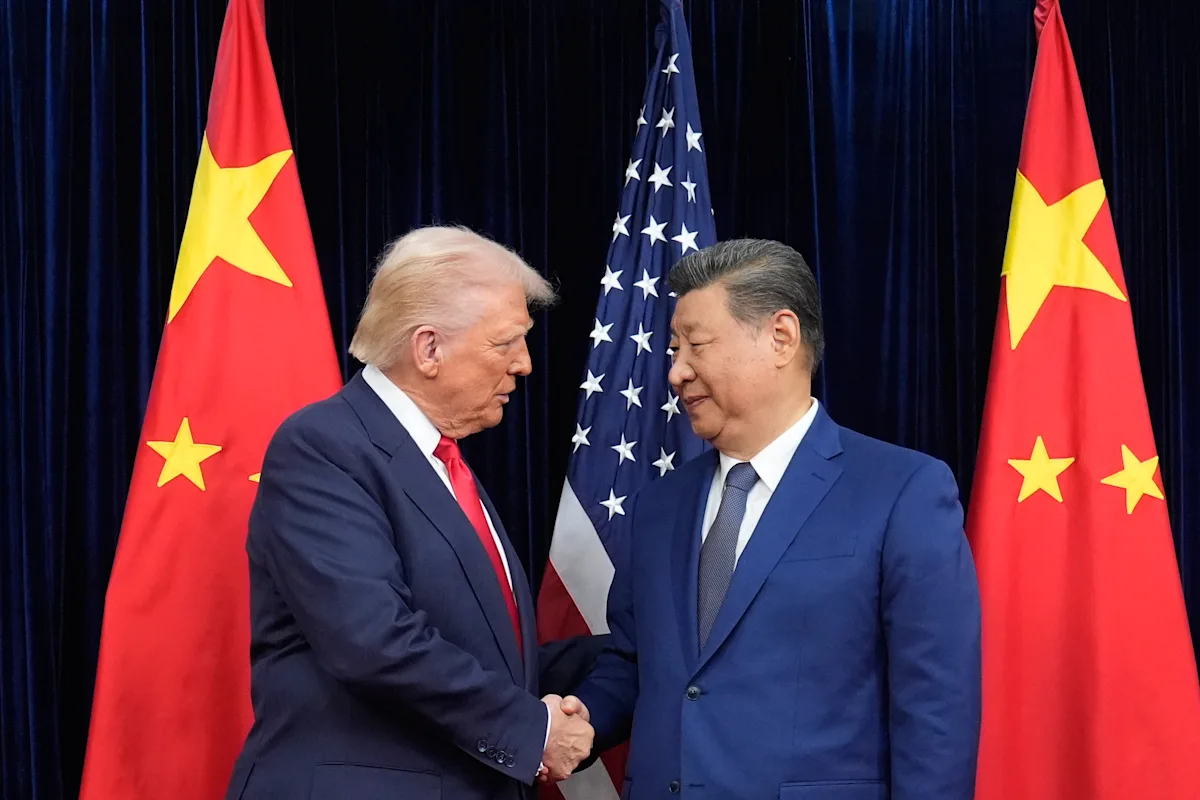
China will suspend some export controls on rare earth metals and halt investigations into US chip firms as part of a trade agreement with the US, which also includes halving tariffs on fentanyl and resuming agricultural purchases, aiming to ease tensions between the two countries.
Nexperia, a Dutch-based semiconductor company owned by China’s Wingtech, is at the center of a geopolitical dispute involving the U.S., China, and the EU, threatening global auto supply chains due to export controls and security concerns. Recent developments suggest potential easing of export restrictions, but the broader issues of ownership and security remain unresolved, risking significant disruptions in automotive manufacturing worldwide.
China has indicated a potential easing of its export ban on Nexperia semiconductors, signaling a possible shift in trade restrictions affecting the semiconductor industry.