UnitedHealth Group beat earnings expectations with a $2.92 EPS but missed revenue targets and saw a 50% drop in operating income, driven by challenges in managing medical costs and Medicare funding. The company's UnitedHealthcare segment grew strongly, while Optum's growth slowed, raising concerns about future margins. Despite raising full-year guidance, cautious outlooks remain as management navigates ongoing headwinds, with shares rising pre-market on positive earnings and Berkshire Hathaway's new investment.
SAP's stock declined over 2% after reporting a quarterly profit that exceeded estimates but missed revenue expectations, with concerns over delayed deals in manufacturing due to tariffs and a lower-than-expected cloud backlog growth, despite a 37% rise in earnings and a 7% revenue increase.
Cava Group's stock dropped 22% after missing second-quarter revenue expectations and lowering its full-year same-store sales growth forecast to 4-6%, citing a revenue shortfall despite increased restaurant openings and earnings beat. The company opened 16 new locations in the quarter and plans to open up to 70 this year, raising pre-opening cost estimates but maintaining its EBITDA outlook.
C3.ai's stock dropped 30% after missing revenue estimates by 33%, with preliminary revenue of around $70.3 million, significantly below analyst expectations, due to restructuring and CEO health issues, leading to a downgrade by DA Davidson.
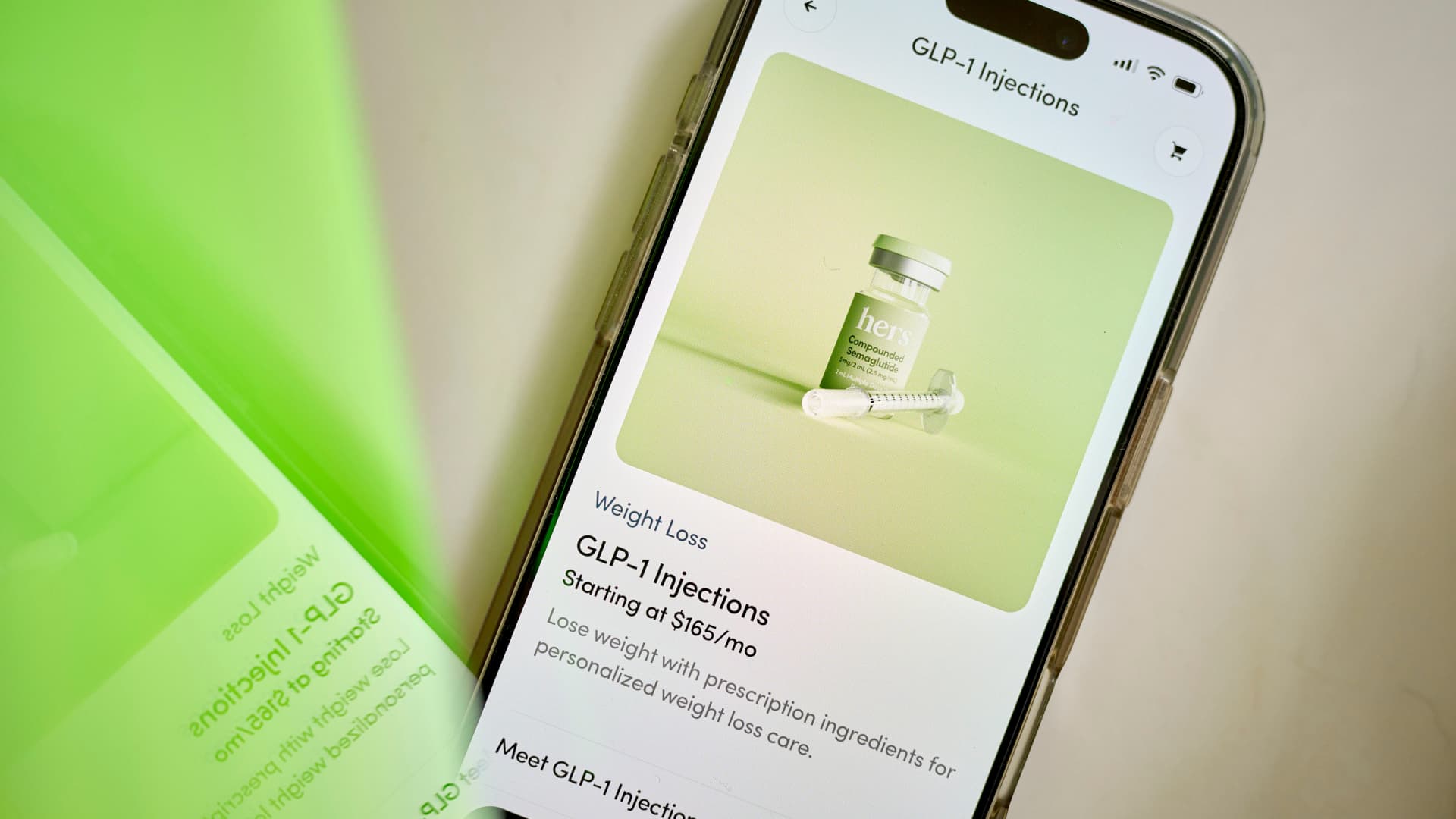
Hims & Hers stock dropped 10% after missing revenue expectations in Q2, despite a 73% revenue increase year-over-year and higher net income. The company forecasted Q3 revenue slightly below analyst estimates and reported strong EBITDA, but faced controversy over compounded drug sales and a failed collaboration with Novo Nordisk.
Spotify's stock fell over 7% after missing revenue expectations and providing weak guidance for the upcoming quarter, despite a 10% revenue increase and growth in active users and subscribers. The company cited higher costs and foreign exchange headwinds as factors, but also highlighted new AI features and expansion efforts. Shares have gained 57% this year, and Spotify has increased its share repurchase program.
GameStop reported a 16.9% decline in Q1 revenue to $732.4 million, missing analyst estimates, but its non-GAAP profit of $0.17 per share significantly beat expectations. Despite a profit beat, the company's sales decline and future revenue projections suggest challenging demand conditions for the retailer.
Nio reported a wider-than-expected Q1 loss and revenue that fell short of estimates, leading to a nearly 2% drop in shares. Despite delivering over 42,000 vehicles, the company's financial results disappointed analysts, though it projects an 11.8% to 15% revenue increase in Q2. CEO William Bin Li highlighted market share gains for new models.
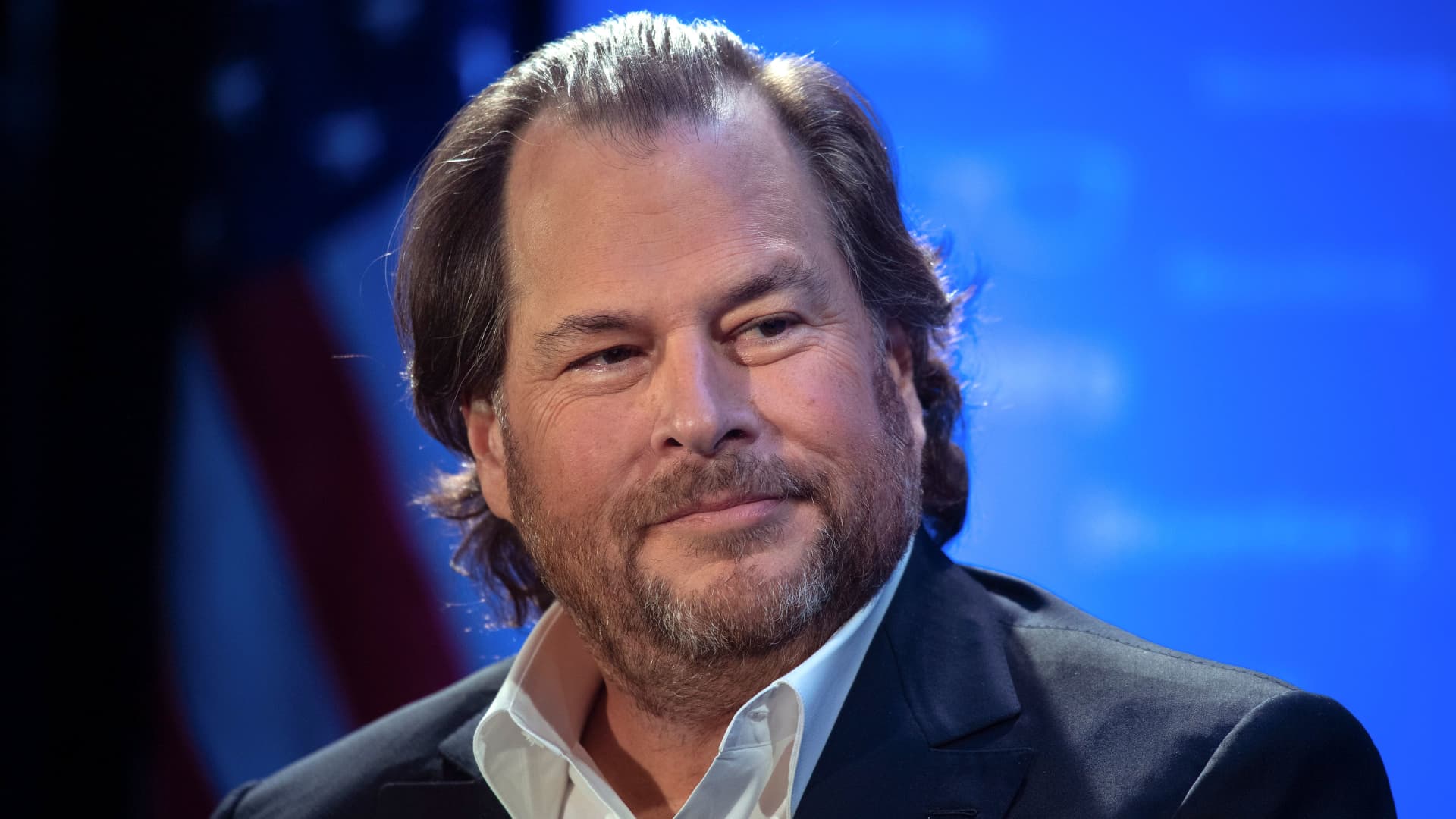
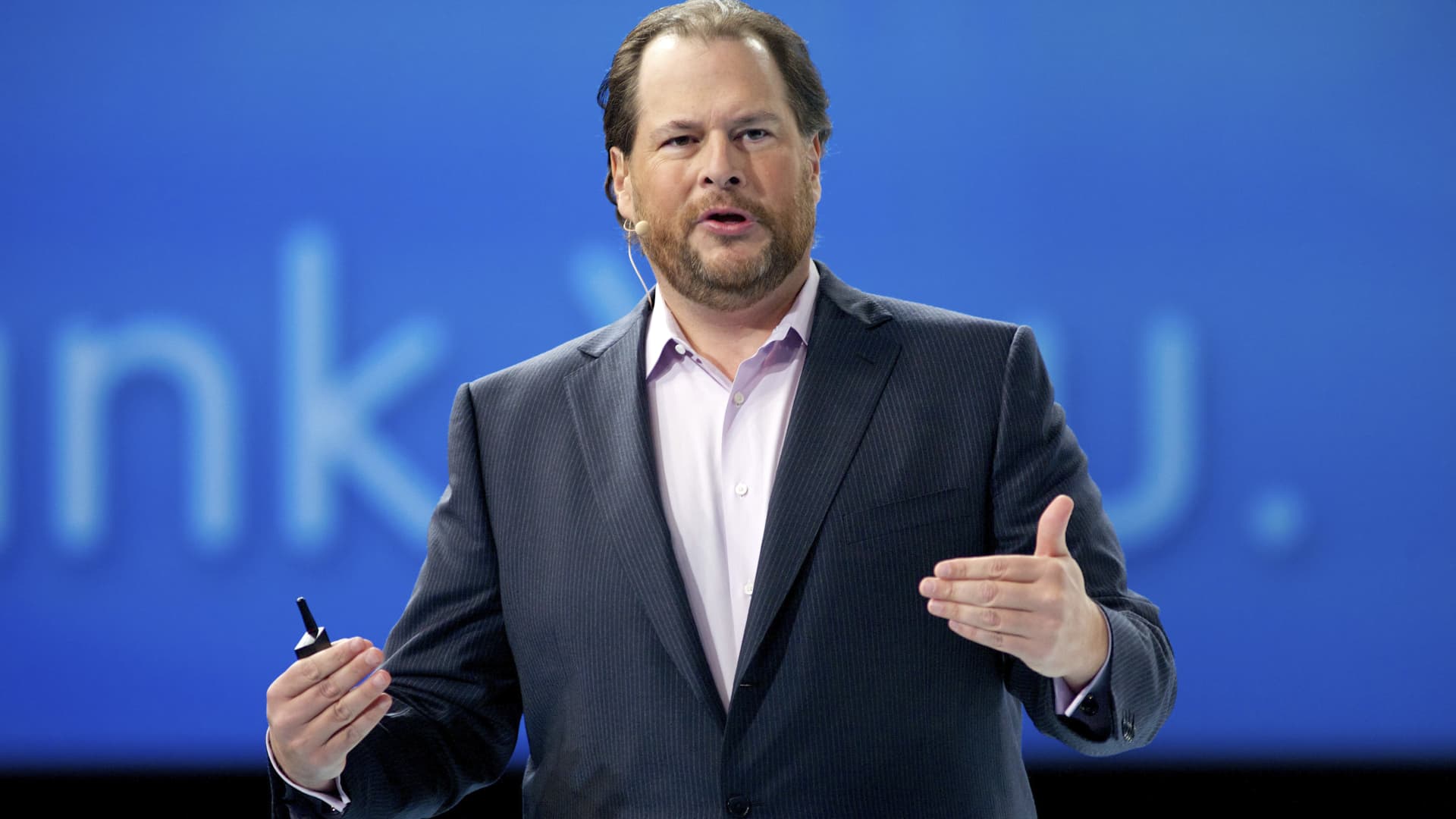
Salesforce CEO Marc Benioff discussed the company's first revenue miss since 2006, attributing it to a "measured" post-pandemic buying environment for enterprise software. Despite weaker-than-expected guidance and a revenue of $9.13 billion, Benioff highlighted the company's strong cash flow, margins, and advancements in AI capabilities for customers.
Salesforce shares dropped 16% after the company reported its first revenue miss since 2006, with earnings and revenue falling short of Wall Street expectations. Despite an 11% year-over-year revenue increase, budget scrutiny and longer deal cycles impacted performance. Salesforce's guidance for the next quarter also trailed analyst predictions, contributing to the stock's decline.
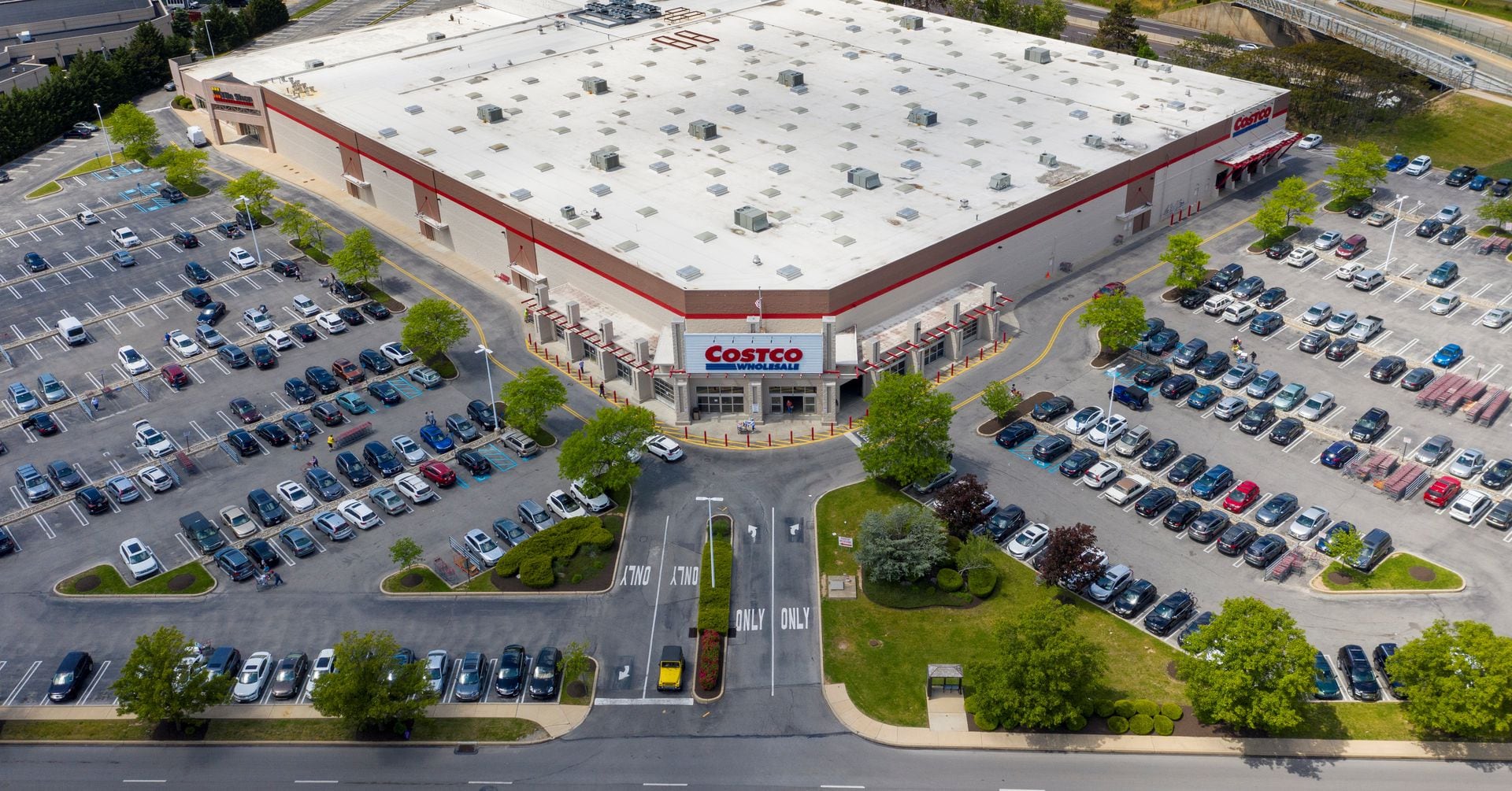
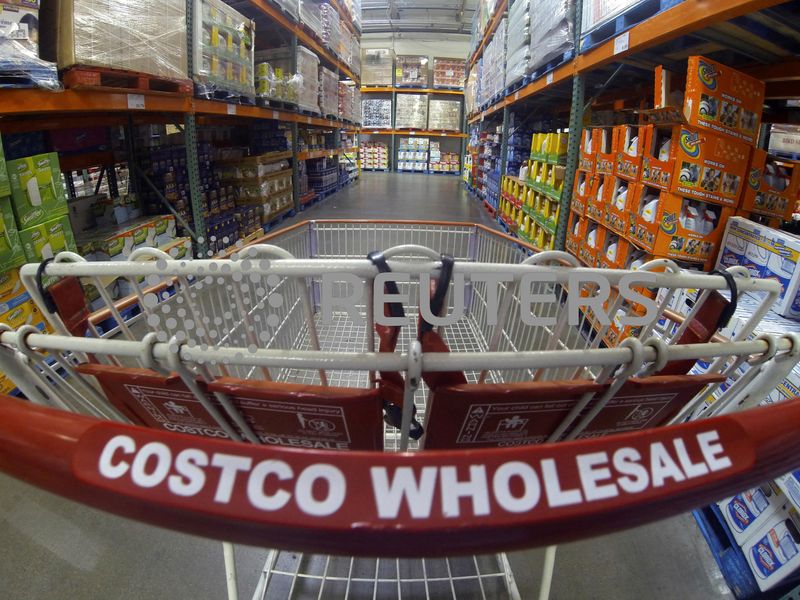
Costco's stock experienced its worst day in nearly two years after missing second-quarter revenue expectations and signaling a negative impact from lower gasoline prices. Despite the revenue miss, several brokerages raised their price targets on Costco, with the retailer's second-quarter revenue rising 6% to $58.44 billion. The company's outgoing CFO attributed the revenue miss to gasoline price deflation, which negatively impacted total reported comp sales. However, Costco's comparable sales, excluding fuel and currency fluctuations, saw a 5.8% increase, driven by strong demand for appliances and the retailer's efforts to lower prices on select products. Analysts believe that Costco's strong underlying same-store sales and ability to attract customers in an uncertain environment position it for revenue growth through strong demand, membership fees, and lower prices.
Costco's stock plummeted over 7% after the retail chain missed second-quarter revenue expectations due to lower gasoline prices, leading to its worst day since May 2022. Despite the revenue miss, brokerages raised their price targets on Costco, with the retailer's second-quarter revenue rising 6% to $58.44 billion. The company's outgoing CFO cited gasoline price deflation as a factor impacting total reported comp sales, while a pullback in demand for higher-margin goods like appliances and electronics was also observed. However, Costco's comparable sales, excluding fuel and currency fluctuations, saw a 5.8% increase, indicating strong underlying same-store sales and good traffic into the stores.
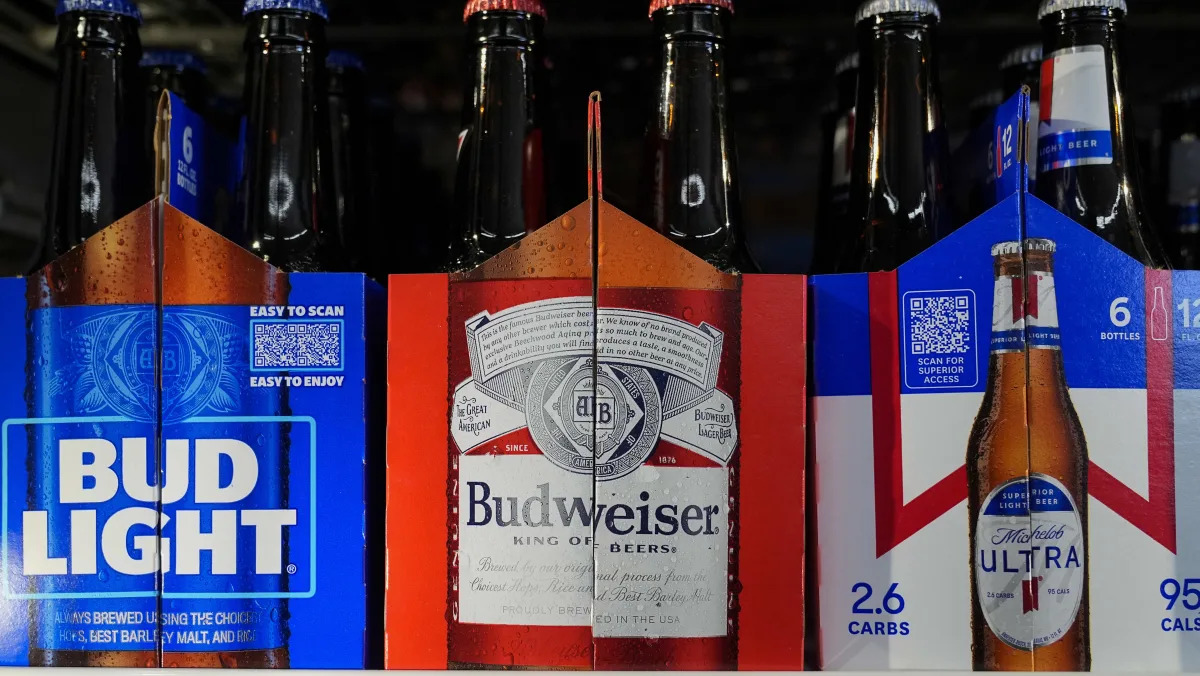
Anheuser-Busch InBev (BUD) reported a Q4 profit despite a revenue miss of $14.7 billion, attributed to recent price hikes, with adjusted earnings per share gaining $0.82. However, the company experienced a 17.3% decline in US revenue and a 2.6% drop in volume, largely due to the poor performance of Bud Light following a boycott in 2023. The CEO acknowledged the challenging year for the US business but noted gradual improvement and a market share of 38.3%.
Avis Budget Group's fourth-quarter revenue missed estimates, causing its stock to initially plummet but later recover; Arista Networks' stock slid after posting a strong quarter, beating on top and bottom lines but falling short of high expectations; ZoomInfo Technologies' shares surged 22% on better-than-expected results and the announcement of a new AI-powered feature, following a year of struggles and a 13% decline.