Micron forecasts nearly double the expected profit for Q2 driven by booming AI demand and tight memory chip supplies, leading to a 7% share increase; the company plans to raise 2026 capital expenditure to $20 billion and expects the memory market to remain tight beyond 2026, with AI being the primary growth driver.
Sony exceeded earnings expectations in Q2, driven by strong performances in its music and imaging divisions, leading to an upward revision of its full-year profit and revenue forecasts, despite challenges in its picture business and some impact from tariffs.
General Motors raised its annual profit forecast due to tariff relief and reduced losses on electric vehicles, leading to a 14% surge in shares, its best day in six years, amid strong quarterly earnings and optimistic outlooks for 2026.
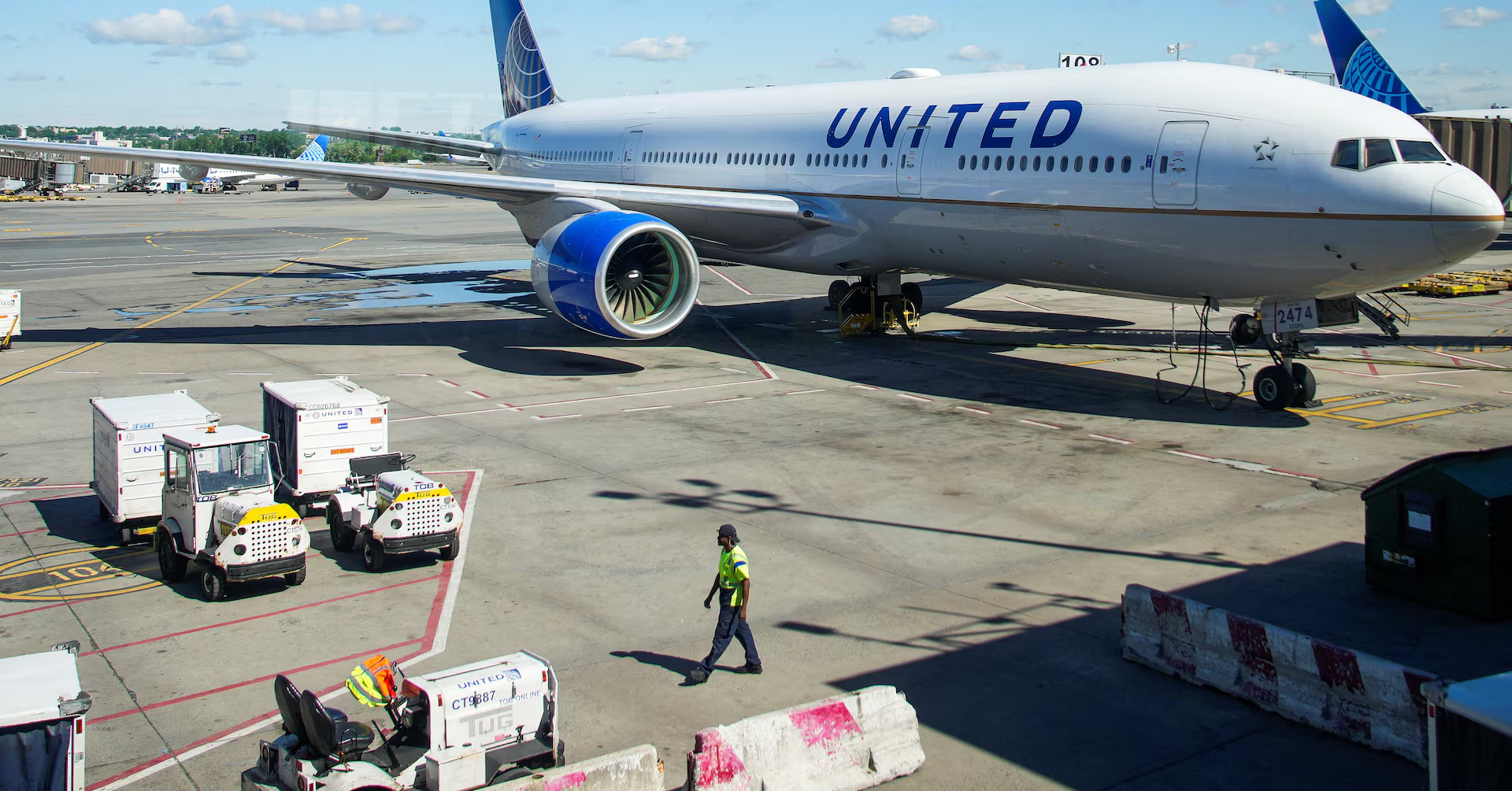
United Airlines forecasts its highest-ever quarterly revenue driven by increased travel demand and improved pricing, with an expected adjusted profit of $3.00 to $3.50 per share for the current quarter, surpassing analyst estimates, as it invests in customer experience and benefits from a strong premium and international travel market.
Delta Air Lines exceeded earnings expectations for Q3 and forecast a strong finish to 2025 driven by rising airfares and resilient luxury travel demand, with positive outlook for 2026 and shares rising over 5% premarket.
Novo Nordisk plans to cut 11% of its global workforce, approximately 9,000 jobs, and reduce its profit forecast due to increased competition and market challenges in obesity drugs, aiming to save 8 billion kroner by 2026 as part of a broader organizational restructuring to focus on growth areas.
UnitedHealth's CEO Stephen Hemsley faces investor scrutiny over efforts to control rising medical costs and the company's decision to withdraw its 2025 earnings forecast amid regulatory investigations and a significant stock decline, with expectations of a clearer strategy and revised profit outlook for 2025.
Verizon raised its annual profit forecast driven by strong demand for premium plans and internet services, despite a slight decline in wireless subscribers, with revenue and earnings surpassing estimates and a focus on fiber-optic expansion.
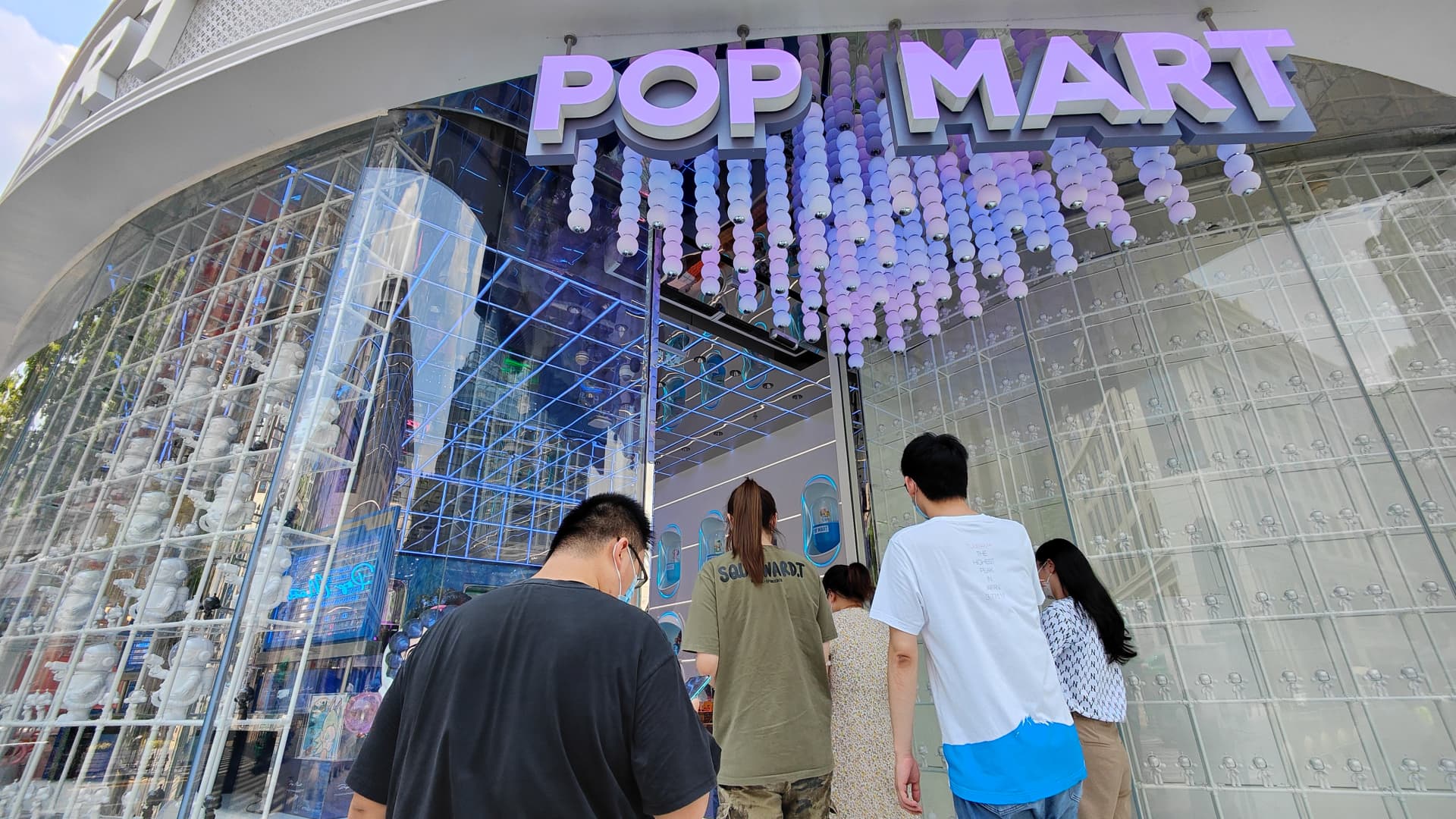
Pop Mart's shares dropped over 6% despite forecasting a 350% profit increase and 200% revenue growth for H1 2025, amid investor concerns over sales sustainability and valuation, despite strong recent earnings and global brand recognition.
Exxon Mobil warned that lower oil and gas prices could reduce its second-quarter profit by over $1 billion, with benchmark Brent crude prices falling 11% from the previous quarter, impacting earnings ahead of its August 1 earnings report.
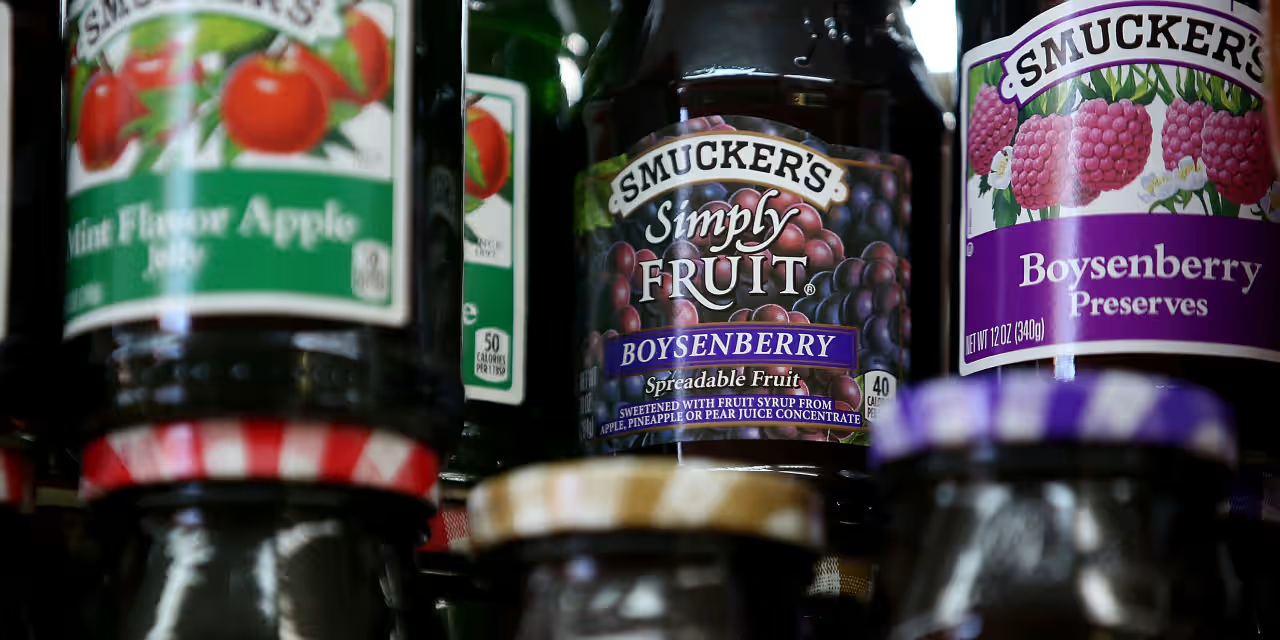
J.M. Smucker's stock plummeted 14% after reporting mixed quarterly earnings and projecting a decline in profit for fiscal 2026, amid challenges like rising costs, declining sales in key segments, and changing consumer preferences, leading to concerns about the company's future performance.
Lululemon's shares dropped 22% after cutting its annual profit forecast due to higher costs from tariffs and weak demand for new products, as economic uncertainties and increased competition impact sales and margins.
Dell raised its annual profit forecast due to strong demand for AI-powered servers with Nvidia chips, generating $12.1 billion in AI orders this quarter and expecting higher revenue and profit per share, despite margin pressures from competition and tariffs.
HP Inc. has lowered its annual profit forecast due to the impact of tariffs and a slowdown in PC market growth, leading to a 14% drop in shares. The company faces increased costs from tariffs, particularly affecting its Personal Systems segment, and expects to offset these costs by the fourth quarter. Despite some revenue growth in its PC segment, HP's overall outlook for 2025 has been revised downward, with the third quarter also expected to see lower profits.
Macy's has lowered its full-year profit outlook due to tariffs imposed by the Trump administration, which, along with declining consumer spending and increased competition, have negatively impacted the retailer's performance. Despite ongoing store closures and strategic improvements, tariffs on Chinese imports remain a significant challenge for Macy's and other retailers.