An open letter from Mickey Mouse to Bob Iger expresses concern over the use of AI-generated videos involving Mickey and other Disney characters on Sora, highlighting issues with the content and the implications of AI in entertainment, while humorously referencing Disney history and controversies.
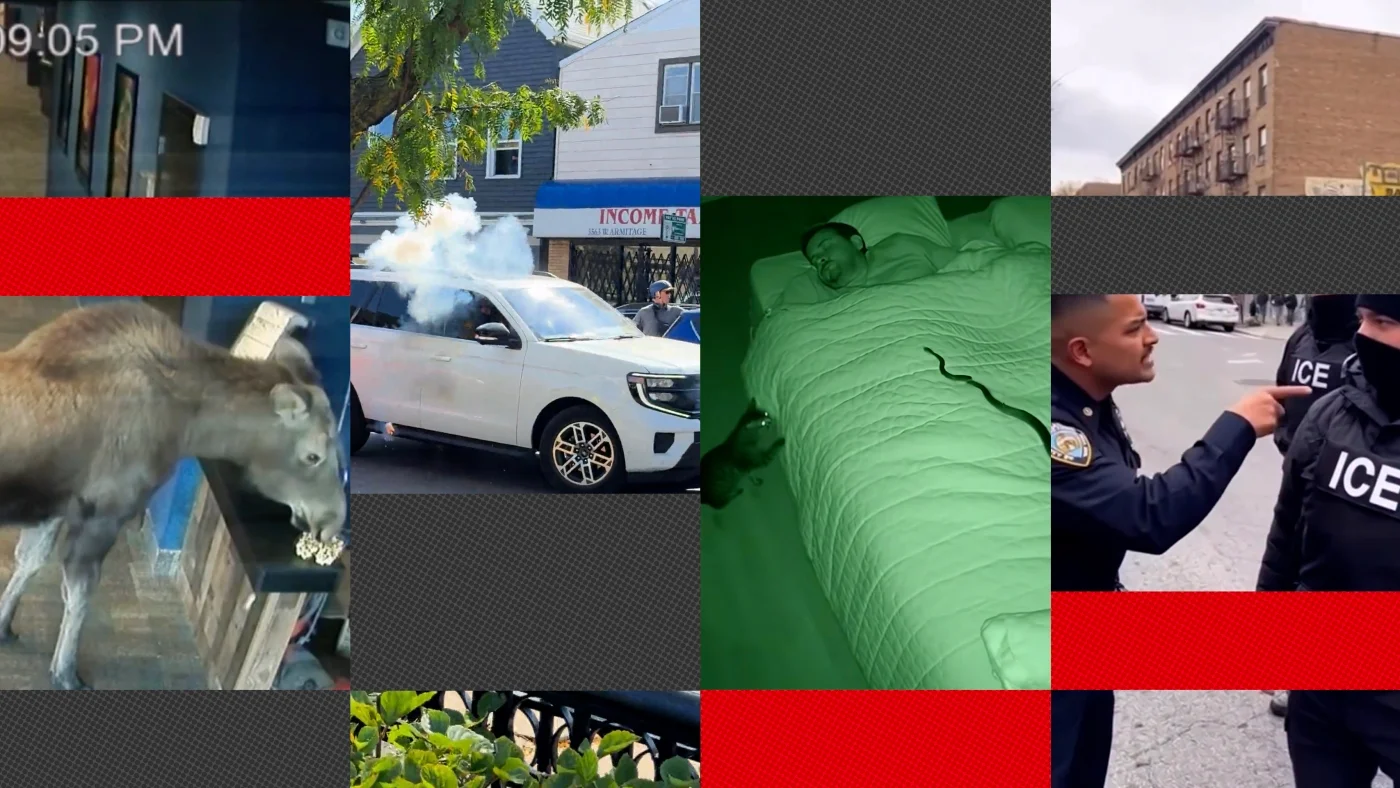
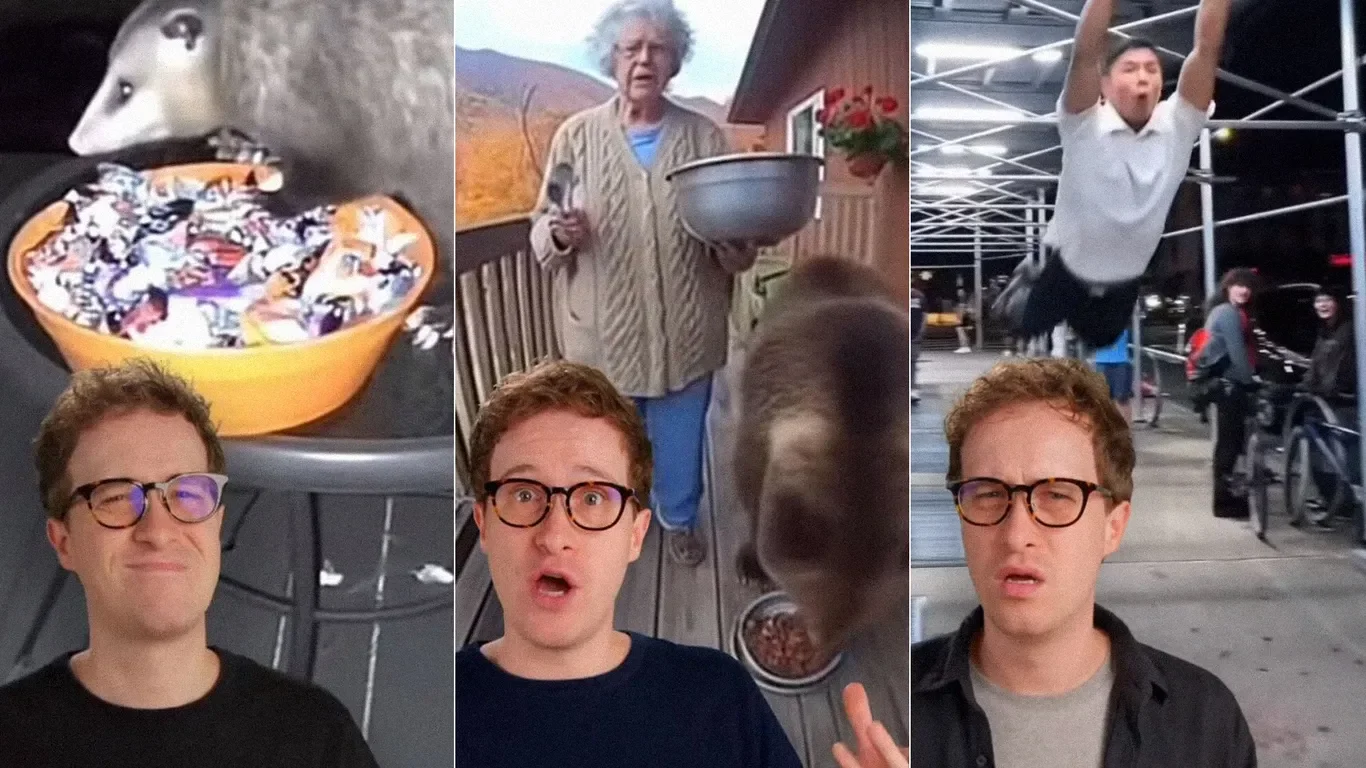
The article discusses the prevalence of AI-generated fake videos online, how to identify them through features like length and framing, the importance of considering the video's context and source, and advises caution in sharing such content to prevent misinformation and erosion of trust in genuine videos.
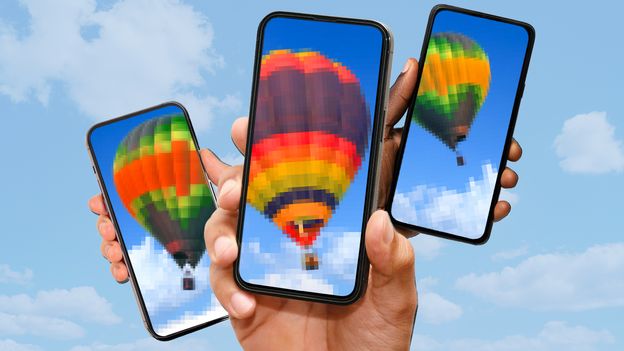
AI video generators have become so advanced that low-quality, grainy videos are often a sign of AI manipulation, but as technology improves, these visual cues will disappear, making verification more challenging. Experts recommend focusing on the source and context of videos rather than surface features, as future detection will rely more on provenance and digital fingerprints. The key challenge is adapting our understanding of authenticity in the age of AI-generated content.
OpenAI is introducing a paid option for Sora users to generate more AI videos per day, moving away from the current free limit of 30, due to unsustainable economics, with plans to eventually reduce free quotas and possibly offer paid character cameos.
OpenAI's Sora platform now offers users the option to purchase extra credits for AI video creation due to unsustainable free usage limits, with plans to reduce free allowances in the future and introduce monetization features for creators, including paid cameos and deepfake avatars.
The Sora app, a new AI-generated short video platform by OpenAI, has rapidly gained popularity with over a million downloads, but raises concerns about authenticity, copyright infringement, and the potential erosion of public trust due to its hyperreal, often controversial content including re-creations of deceased celebrities and public figures. The platform's ability to produce convincing fake videos has sparked debates over ethical use, copyright control, and the impact on society's perception of reality.
Google has upgraded its AI video model Veo to version 3.1, enhancing realism, audio quality, prompt accuracy, and support for vertical videos, with plans to integrate it into YouTube Shorts and other platforms, strengthening its position in AI-generated content.
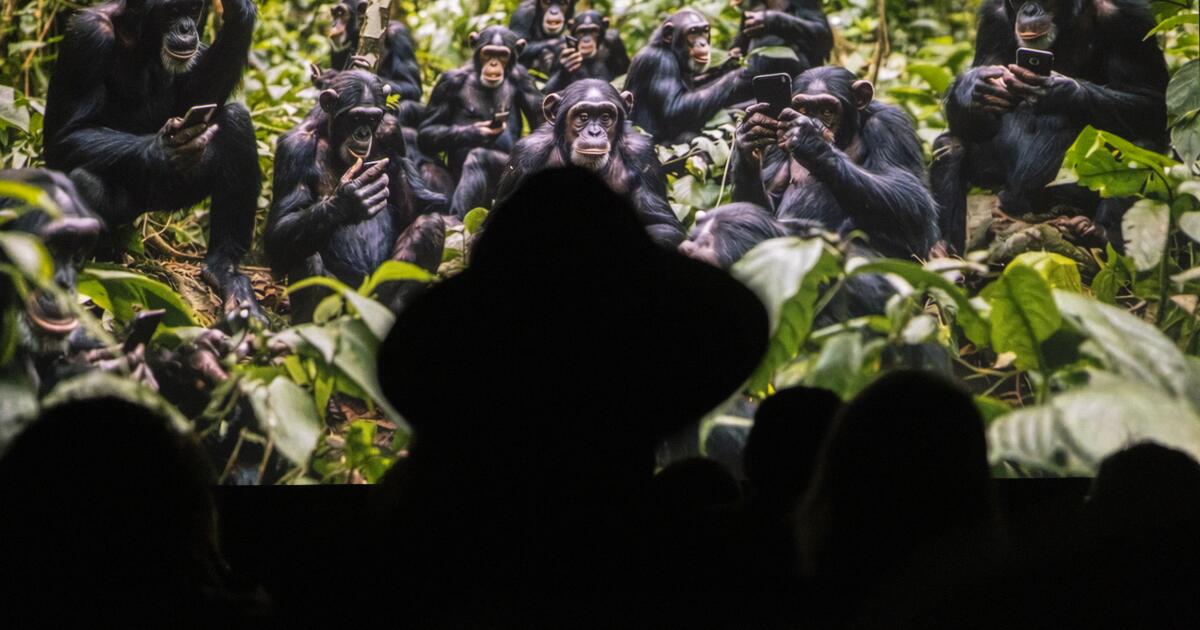
OpenAI's Sora video app has released highly realistic AI-generated videos, leading to concerns about fake content and the difficulty in distinguishing real from AI-created footage. Despite watermarking efforts, advanced removal tools and high-quality outputs make detection challenging, emphasizing the need for media literacy and cautious viewing habits.
OpenAI's Sora app is popularizing deepfake videos, raising concerns among experts about the erosion of trust and the potential for misuse, as synthetic content floods social media and challenges perceptions of reality.
Jake Paul has embraced the AI video app Sora 2, leading to a flood of AI-generated videos of him on TikTok, which he finds amusing despite some industry concerns about the use of likenesses and intellectual property. While Paul enjoys the publicity, others in Hollywood are worried about potential infringements and the ethical implications of AI-generated content of real people.
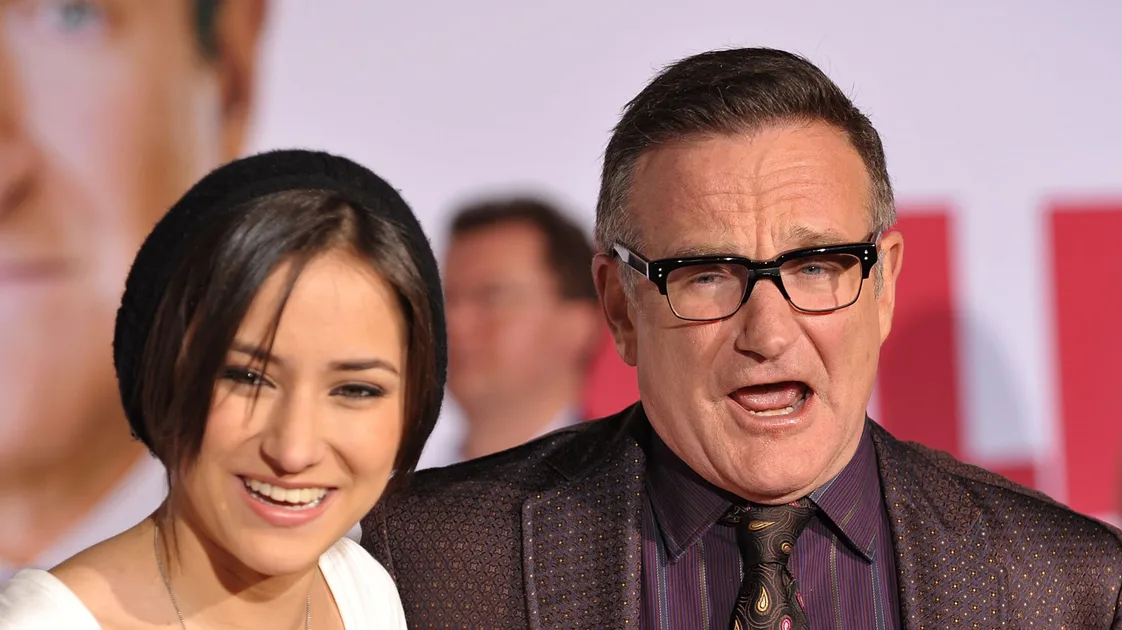
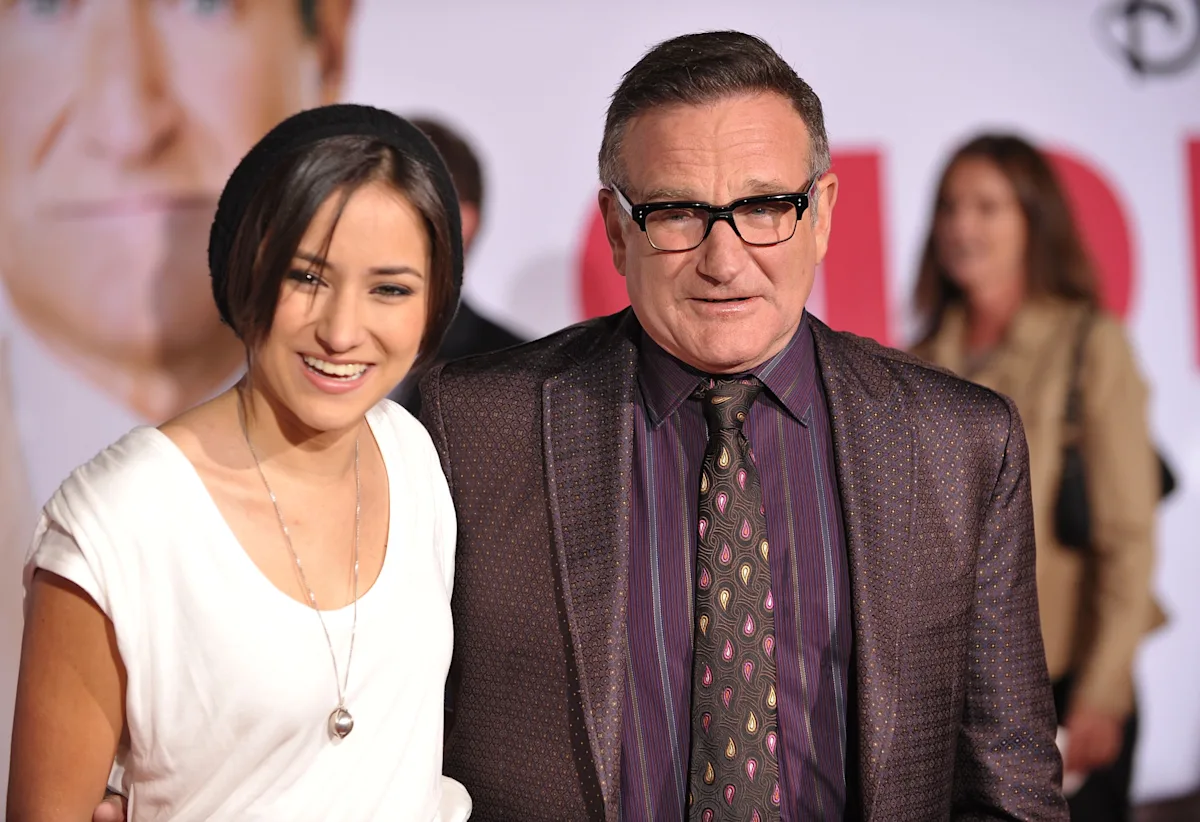
Zelda Williams, daughter of Robin Williams, has publicly urged fans and trolls to stop sending her AI-generated videos of her father, criticizing the content as distasteful and a poor imitation of art, and expressing her discomfort with the use of AI to recreate her father's voice and image.
Zelda Williams has publicly expressed her disgust and frustration over AI-generated videos of her late father Robin Williams and other celebrities, urging people to stop sharing such content, which she finds gross and disrespectful, emphasizing that it distorts their legacies and is not what her father would have wanted.
Zelda Williams publicly urges fans to stop sending her AI-generated videos of her late father Robin Williams, criticizing the use of AI to recreate his image and voice, and emphasizing that such actions are disrespectful and not aligned with her father's wishes.
OpenAI's Sora app for AI videos quickly became a viral hit, reaching No. 1 on the US App Store within days of launch, with 56,000 downloads on the first day and a total of 164,000 in the first two days, outperforming many other AI apps despite being invite-only and limited to US and Canada.
President Trump and Republicans are sharing AI-generated videos depicting Democrats in sombreros and mustaches, sparking accusations of racism and cultural insensitivity, with critics condemning the posts as dangerous and divisive amid ongoing government shutdown debates.