Several U.S. states, including Utah and California, have enacted laws requiring entities to disclose AI usage, aiming to empower individuals to opt out or be informed about AI involvement, amid ongoing debates about transparency, innovation, and privacy concerns.
Kids in New York are risking their lives by subway surfing, with over a dozen deaths and injuries, prompting safety campaigns and discussions on physical barriers and technology solutions to prevent access to train roofs.
A study reveals that microplastics are accumulating in the human body through common foods and air, causing gut inflammation, weakening immunity, and increasing health risks, highlighting the urgent need for public awareness and stricter plastic pollution policies.
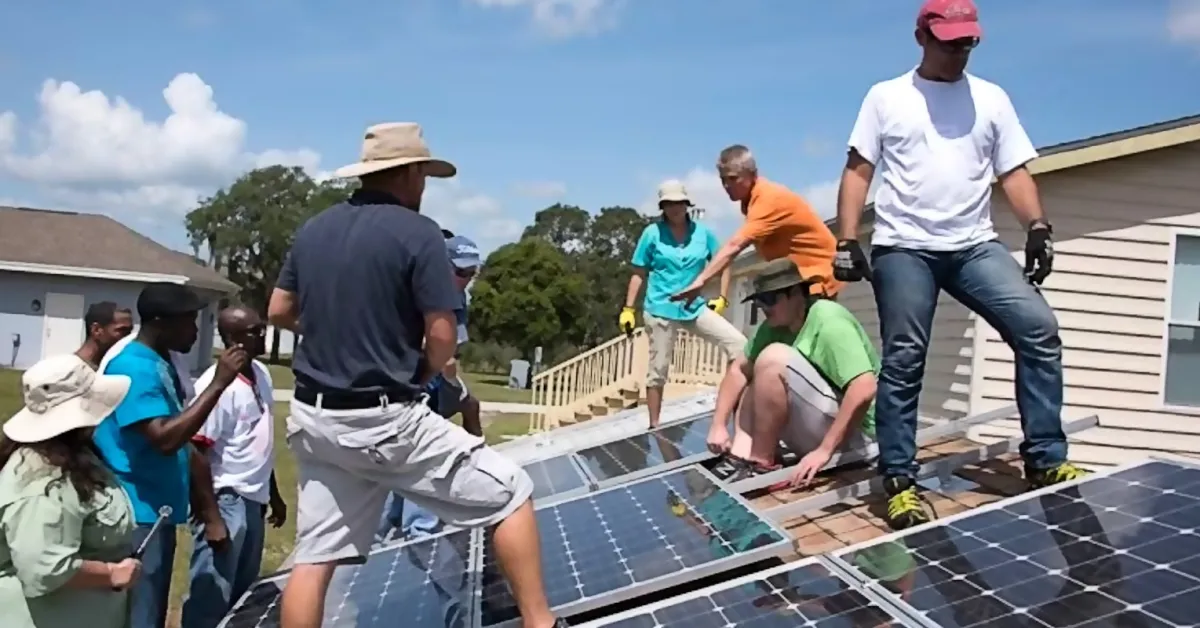
A survey of Electrek readers reveals that nearly 39% are deeply concerned about the upcoming expiration of the 30% federal home solar tax credit, prompting some to accelerate their solar plans, while a significant portion remains unaware of the credit, highlighting the need for better public awareness. The impact on the broader market is uncertain, especially among the general public who may not be aware of the incentive.
Katie Couric revisits her iconic on-air colonoscopy in a humorous PSA, collaborating with Ryan Reynolds' company to promote colorectal cancer screening and raise awareness about the importance of early detection, especially among younger populations.
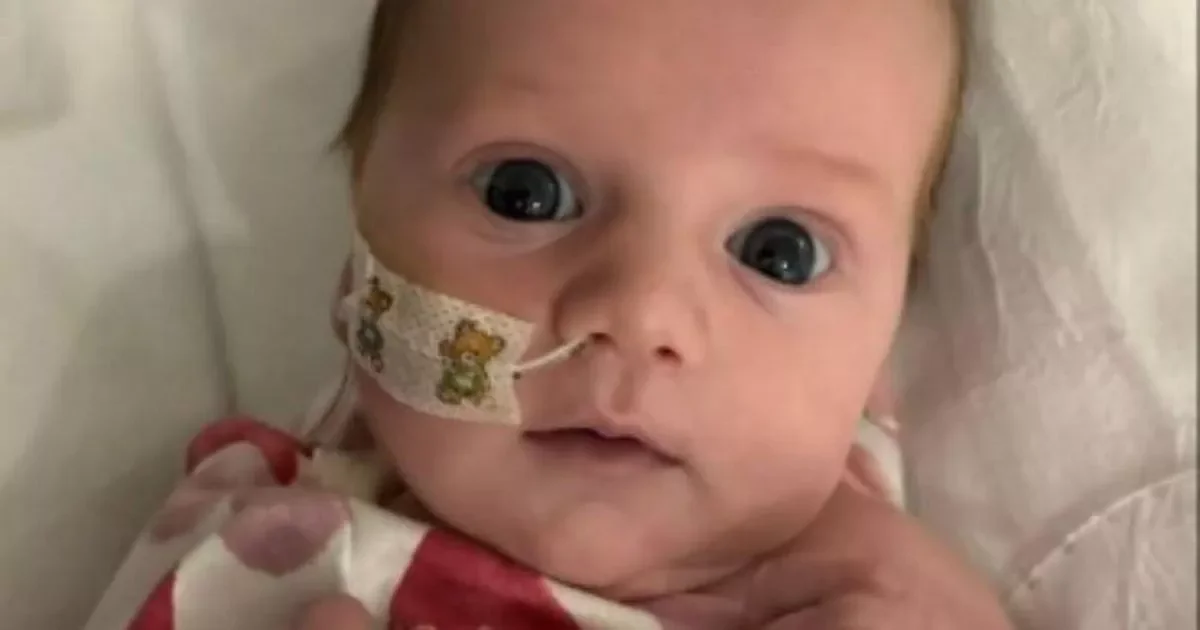
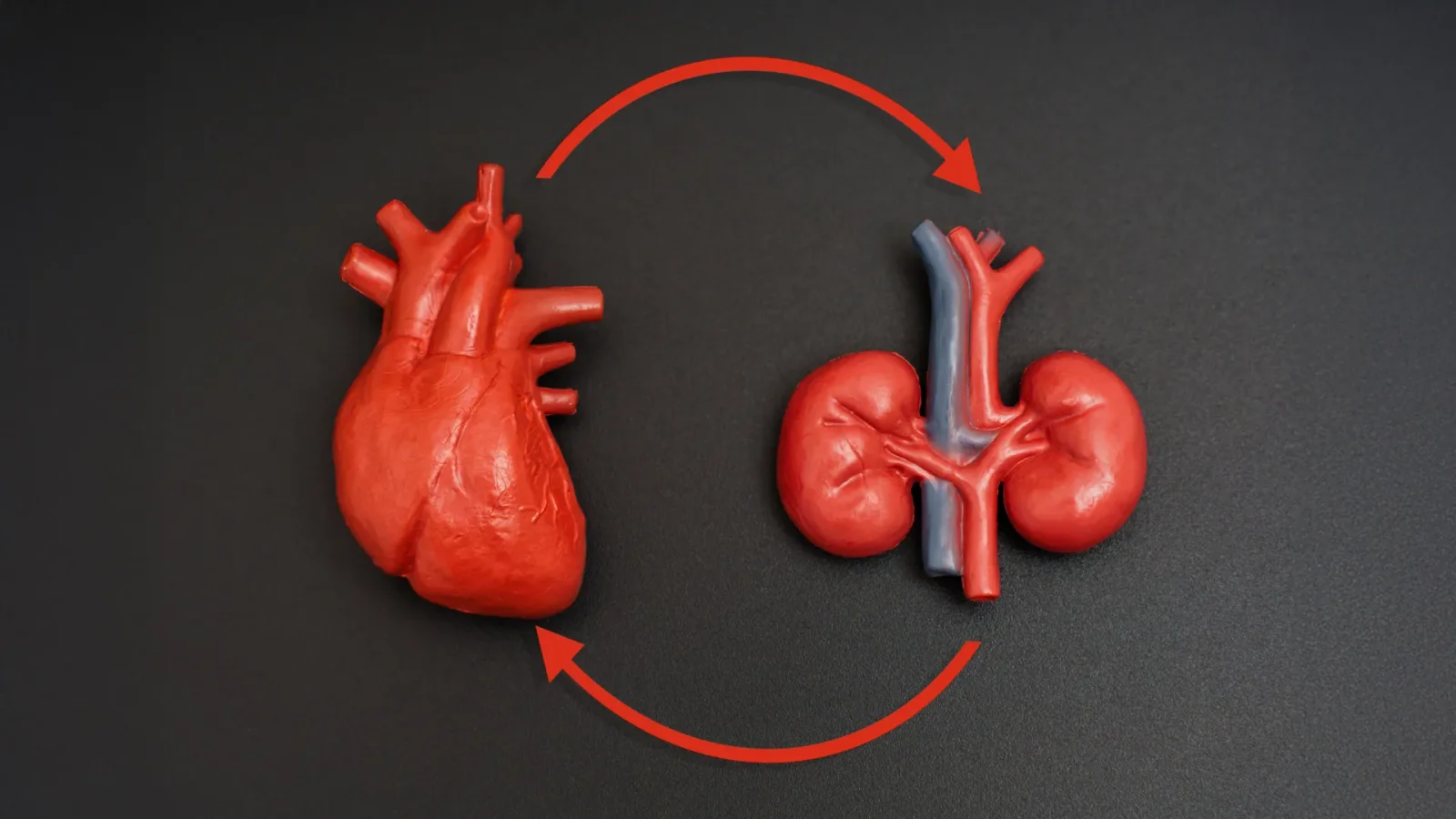
The parents of six-month-old Rory, who suffers from dilated cardiomyopathy and is awaiting a heart transplant, are pleading for organ donors amid a record-high UK waiting list and declining donor numbers, highlighting the urgent need for increased organ donation registration to save lives.
The Make America Healthy Again Commission has released a comprehensive strategy with over 120 initiatives aimed at reversing childhood chronic diseases through science-based policies, regulatory reforms, public awareness campaigns, and private sector collaboration, led by HHS Secretary Robert F. Kennedy Jr. and supported by multiple federal agencies, focusing on improving nutrition, reducing harmful chemicals, and promoting healthier lifestyles for children.
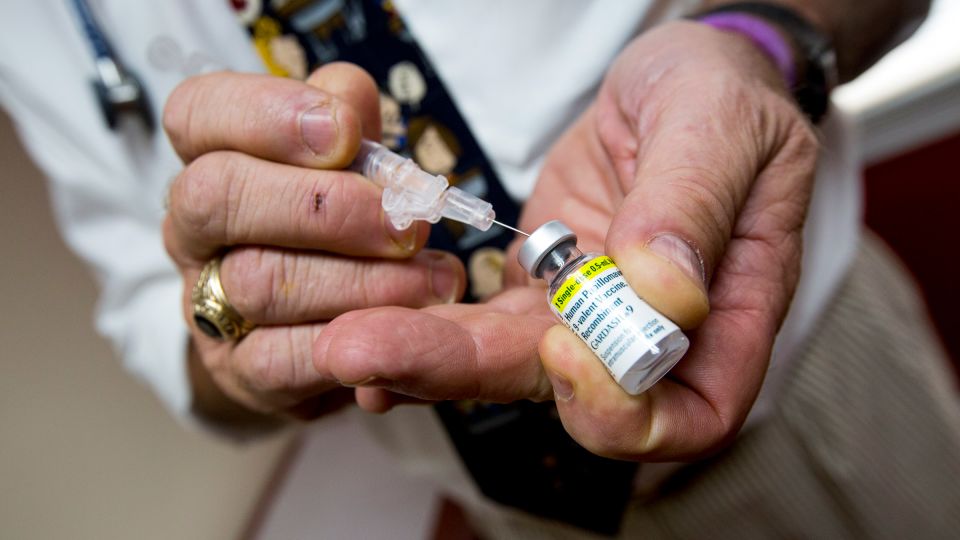
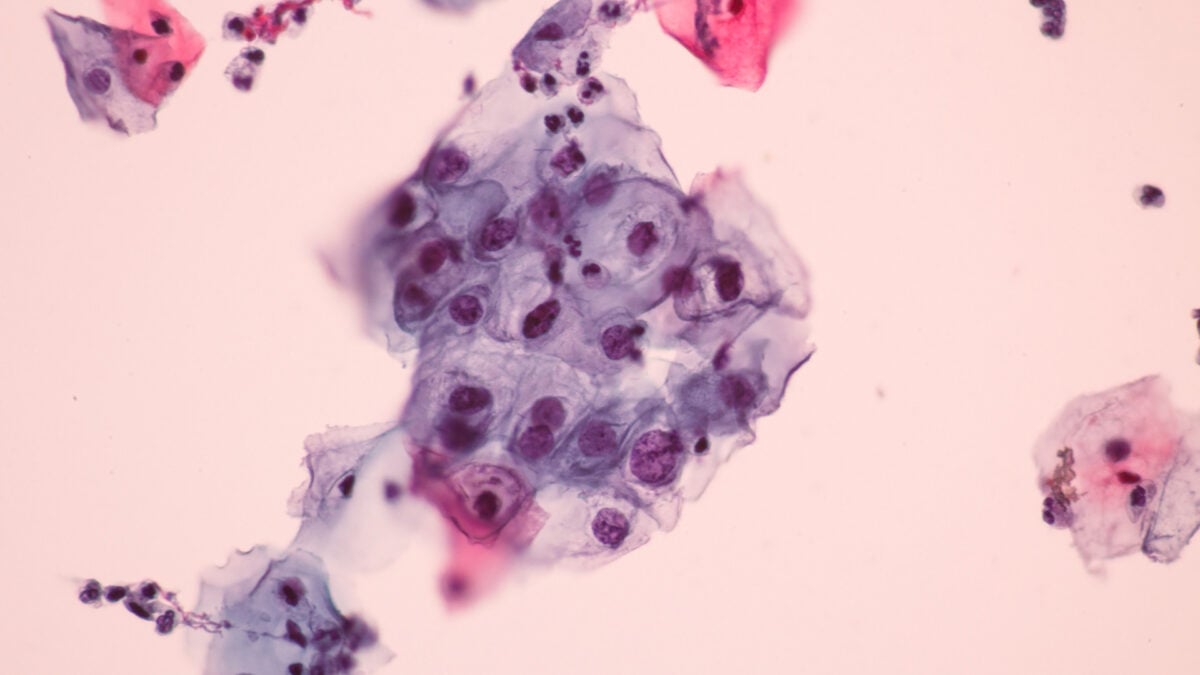
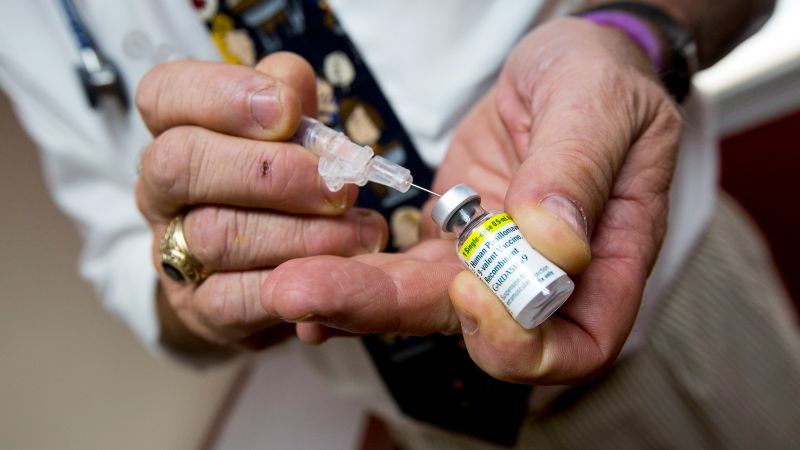
The article emphasizes the importance of the HPV vaccine in preventing HPV-related cancers, including cervical and oral cancers, highlighting that public awareness remains low despite the vaccine's high efficacy. It discusses HPV transmission, the safety and timing of vaccination, and addresses misconceptions about encouraging early sexual activity, urging increased education and awareness to reduce HPV-related cancer rates.
A study reveals that most Americans are unaware of HPV and its link to various cancers, especially in Midwest and Southern states, contributing to low vaccination rates. Despite the availability of effective vaccines that can prevent multiple HPV-related cancers, public knowledge remains limited, highlighting the need for enhanced education and outreach efforts to improve vaccination coverage and reduce cancer incidence. The study emphasizes the importance of addressing regional disparities and misinformation to better prevent HPV-related health issues.
The article emphasizes the importance of the HPV vaccine in preventing HPV-related cancers, highlights the low public awareness about HPV, and discusses the vaccine's high efficacy and recommended administration age, while addressing common misconceptions and the need for increased education.
Kim Kardashian has been asked by Amy Bradley's family to help raise awareness and aid in the search for Amy, who disappeared in 1998 during a Caribbean cruise. Her brother reached out to Kim after she posted about the Netflix documentary on social media, hoping she can leverage her influence to involve high-profile figures and generate new tips. The family believes Amy is still alive and is seeking help from celebrities and authorities to find her.
A new report warns that chemical pollution poses a threat comparable to climate change, with over 100 million synthetic chemicals in use and widespread contamination affecting human health and the environment, highlighting the need for increased awareness, better testing methods, and consumer-driven solutions.
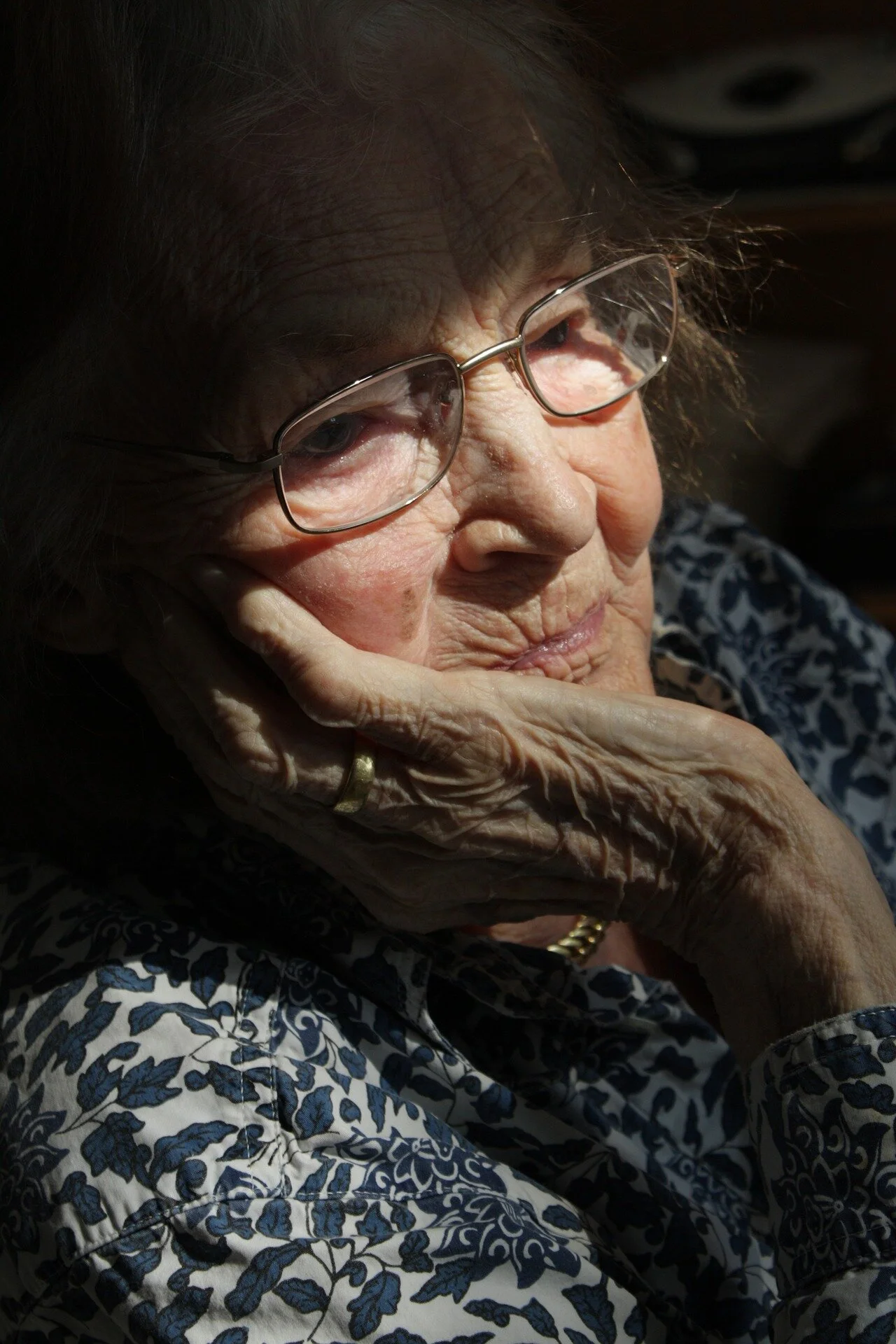
A global analysis reveals that people with dementia experience an average delay of 3.5 years, and 4.1 years for early-onset cases, before diagnosis, due to factors like stigma, lack of awareness, and healthcare system issues, highlighting the urgent need for improved diagnostic strategies and awareness campaigns.
A new study finds that it typically takes 3.5 years from the first symptoms of dementia to diagnosis, with delays longer for early-onset cases, highlighting the need for improved awareness, healthcare strategies, and early recognition to facilitate timely diagnosis.
In Northwest Florida, there is growing concern over the lack of public health alerts regarding vibrio vulnificus, a bacteria contracted from warm waters and shellfish, with local experts criticizing the health department for not providing sufficient warnings despite rising cases and known risks for vulnerable populations.