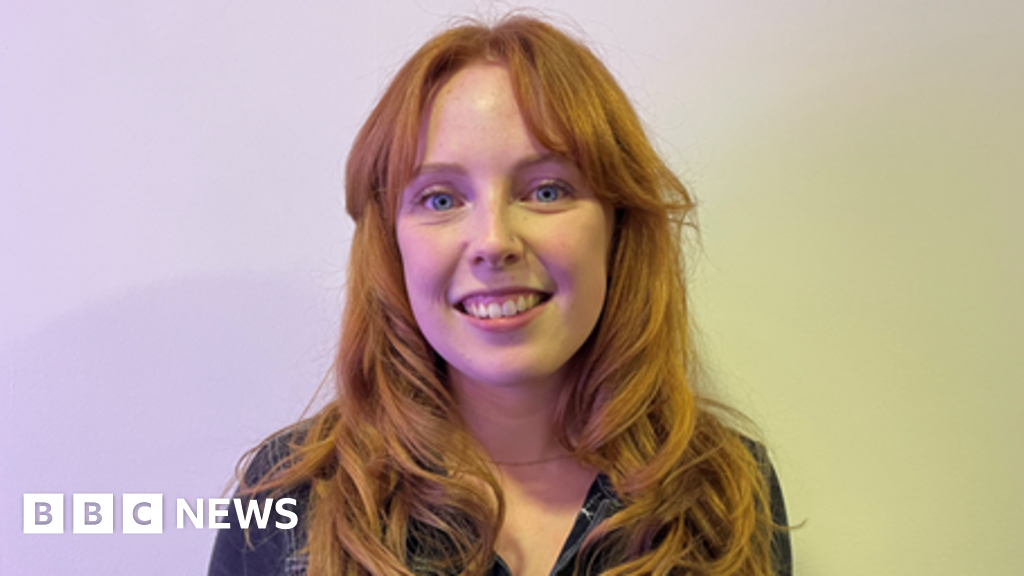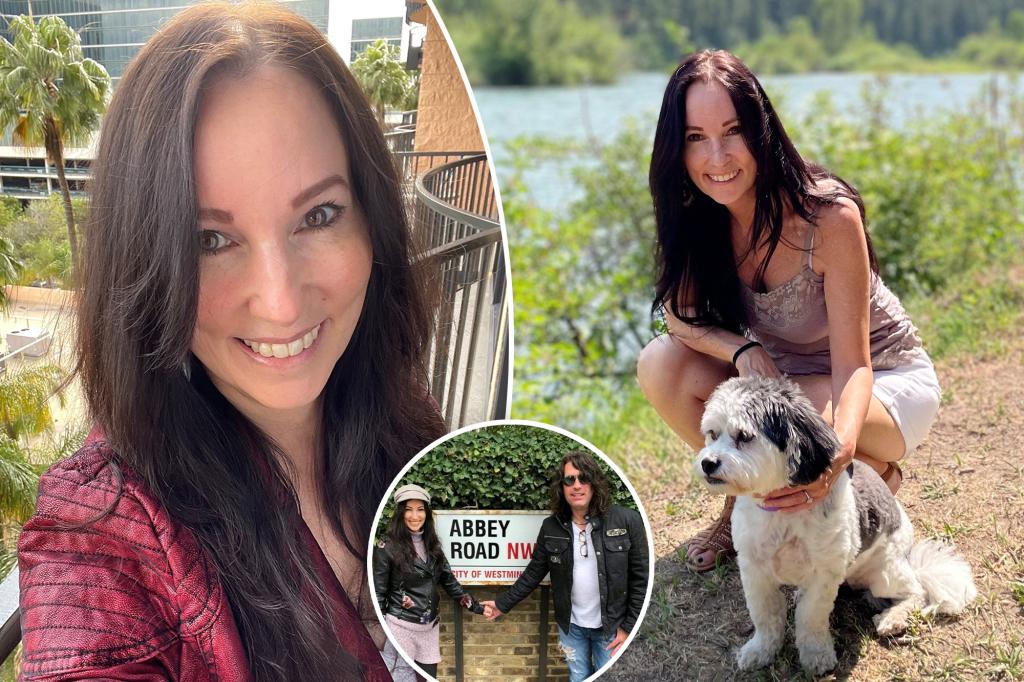
Liv Heeney from Birmingham, at risk of early onset dementia due to a faulty gene inherited from her mother Bernie, is using genetic testing and IVF to prevent passing the gene to her children, while raising awareness and funds for dementia research.
A global analysis reveals that people with dementia experience an average delay of 3.5 years, and 4.1 years for early-onset cases, before diagnosis, due to factors like stigma, lack of awareness, and healthcare system issues, highlighting the urgent need for improved diagnostic strategies and awareness campaigns.
A new study finds that it typically takes 3.5 years from the first symptoms of dementia to diagnosis, with delays longer for early-onset cases, highlighting the need for improved awareness, healthcare strategies, and early recognition to facilitate timely diagnosis.
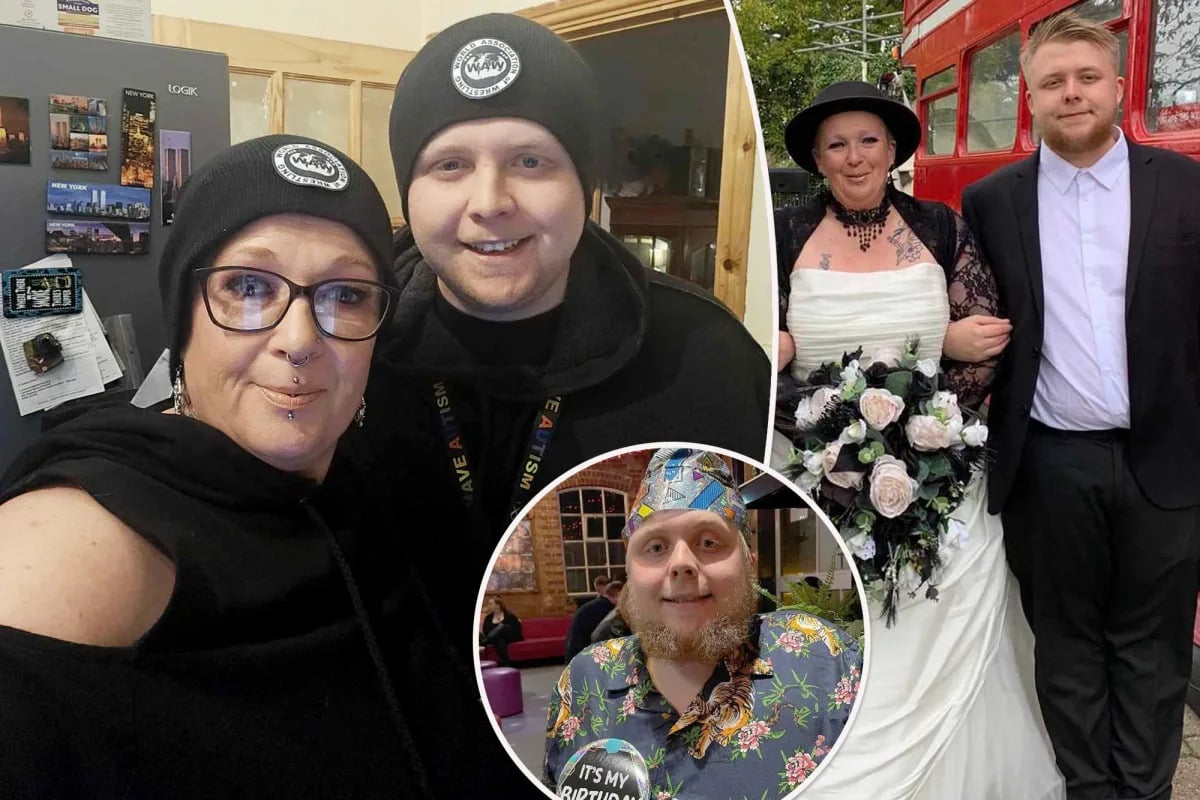
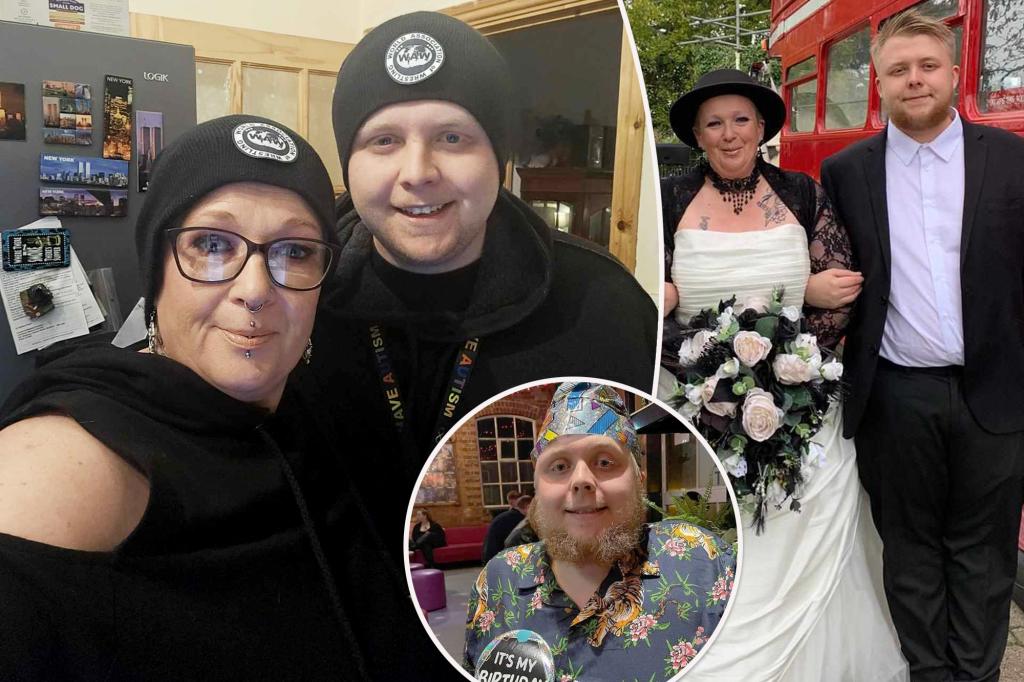
A 22-year-old man in the UK has been diagnosed with early-onset dementia, making him one of the youngest with the condition in the country. His mother, who initially suspected autism, now provides full-time care as his condition rapidly deteriorates. The family is hoping for answers through genome testing and aims to enroll him in clinical trials, despite slim chances of improvement. They have also set up a GoFundMe for his bucket list experiences.
A 22-year-old man in the UK has been diagnosed with early-onset dementia, making him one of the youngest individuals with the condition in the country. His mother, who initially suspected autism, now provides full-time care as his symptoms progress, including memory loss and slowed movement. The family is awaiting genome testing to determine the cause and potential participation in clinical trials, despite slim chances of improvement, and has created a GoFundMe for their son's bucket list experiences.
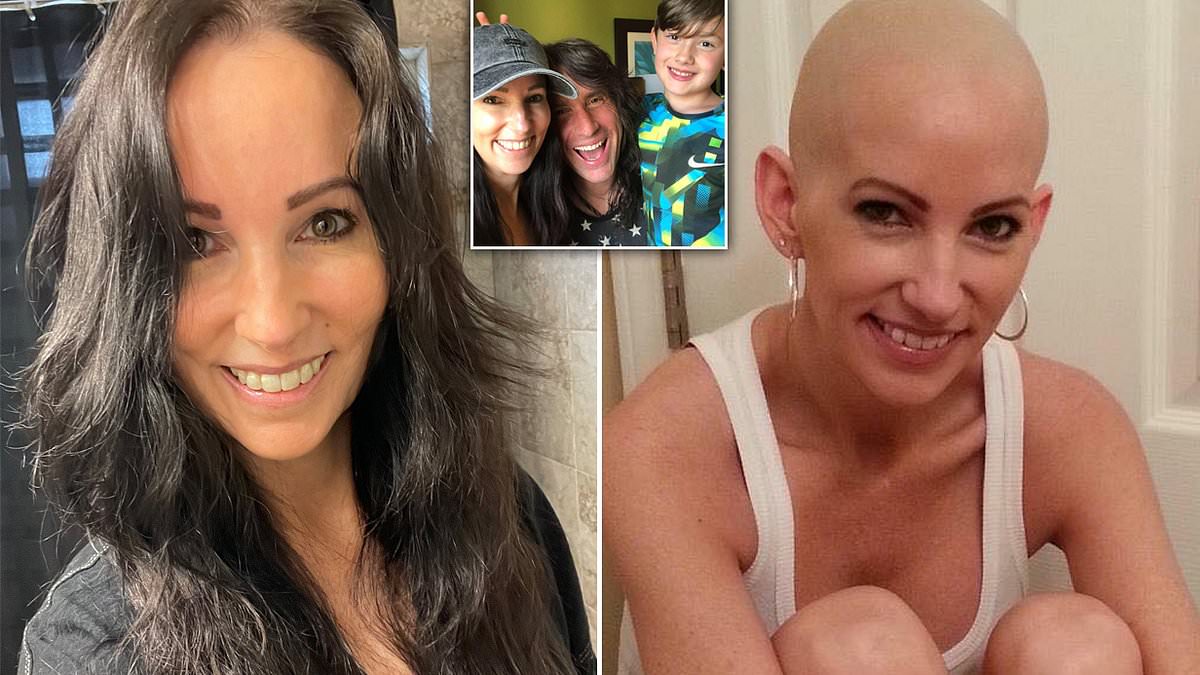
Jana Nelson, a 53-year-old woman from Idaho, initially thought her severe mood swings were caused by a brain tumor, but it was later revealed that she has early-onset dementia. Her symptoms, including difficulty regulating emotions and cognitive decline, led to a diagnosis of Stage 4 dementia, which has since progressed to Stage 5. Nelson's condition is attributed to fetal alcohol syndrome, hydrocephalus, and repeated concussions. She has found support and guidance from others with similar conditions and is preparing for the need for full-time in-home care within the next year.
Jana Nelson, a mother from Idaho, was diagnosed with early-onset dementia at age 50 after experiencing sudden personality changes and cognitive decline. Despite no family history of the disease, she was told she may not live to see 60 and will eventually need round-the-clock care at home. Her symptoms have progressed to stage five, including speech issues and disorientation. Feeling isolated, she turned to TikTok to connect with others suffering from early-onset dementia and has found a supportive community. She is preparing for full-time in-home care within the next year.
The number of early-onset dementia cases has increased by 200% from 2013 to 2017, with the highest increase in diagnoses occurring in younger age groups. Genetics are not the only factor, as excessive alcohol usage and traumatic brain injury are also major risk factors. Early intervention is key for optimal treatment, and signs to look out for include difficulty with movement, changes in behavior, vision, language, or personality. Protecting your brain as early as possible in your life span is more important today than ever before, and brain-healthy foods, restful sleep, and high-quality supplementation can help reduce the risk of dementia.