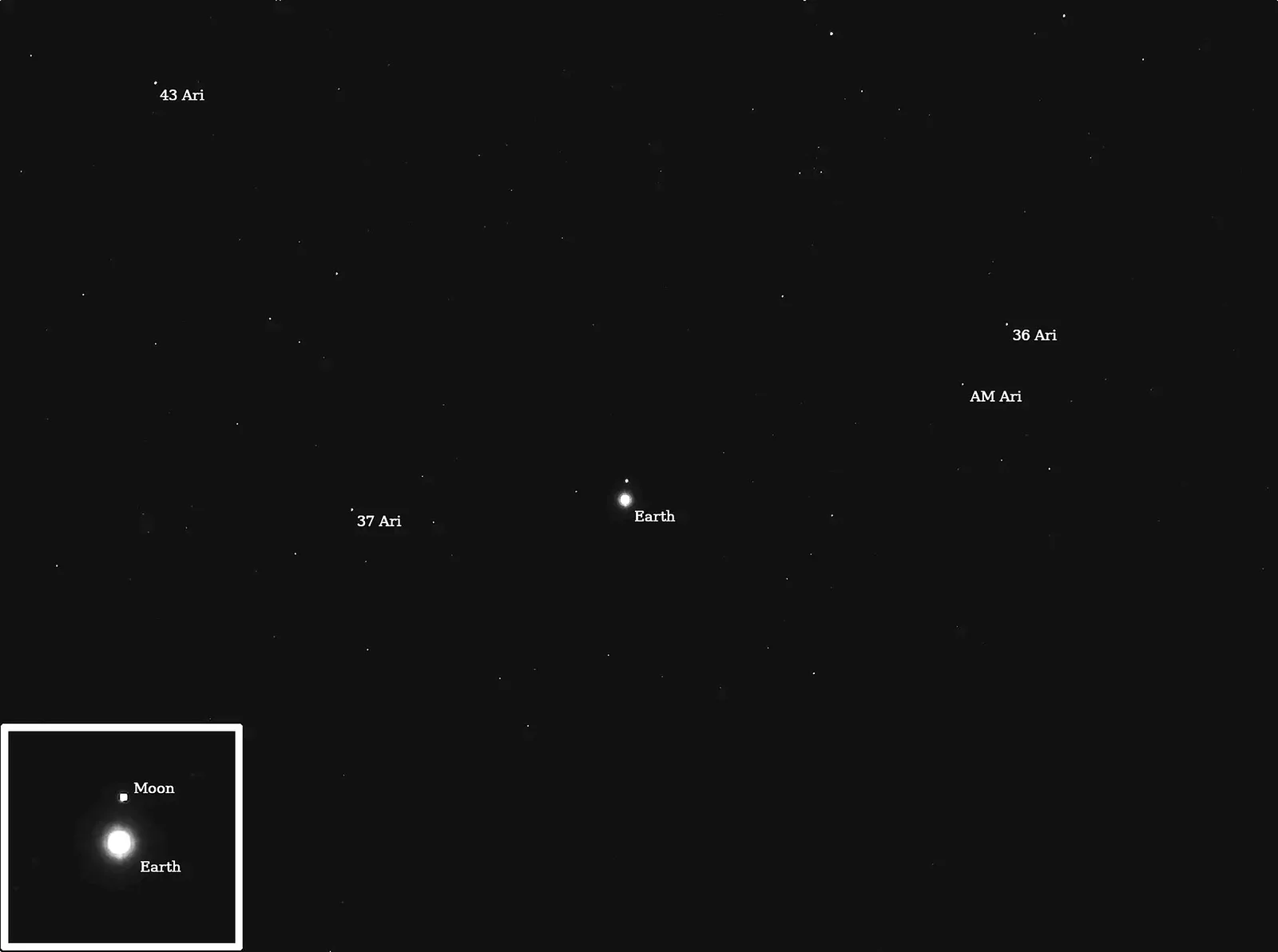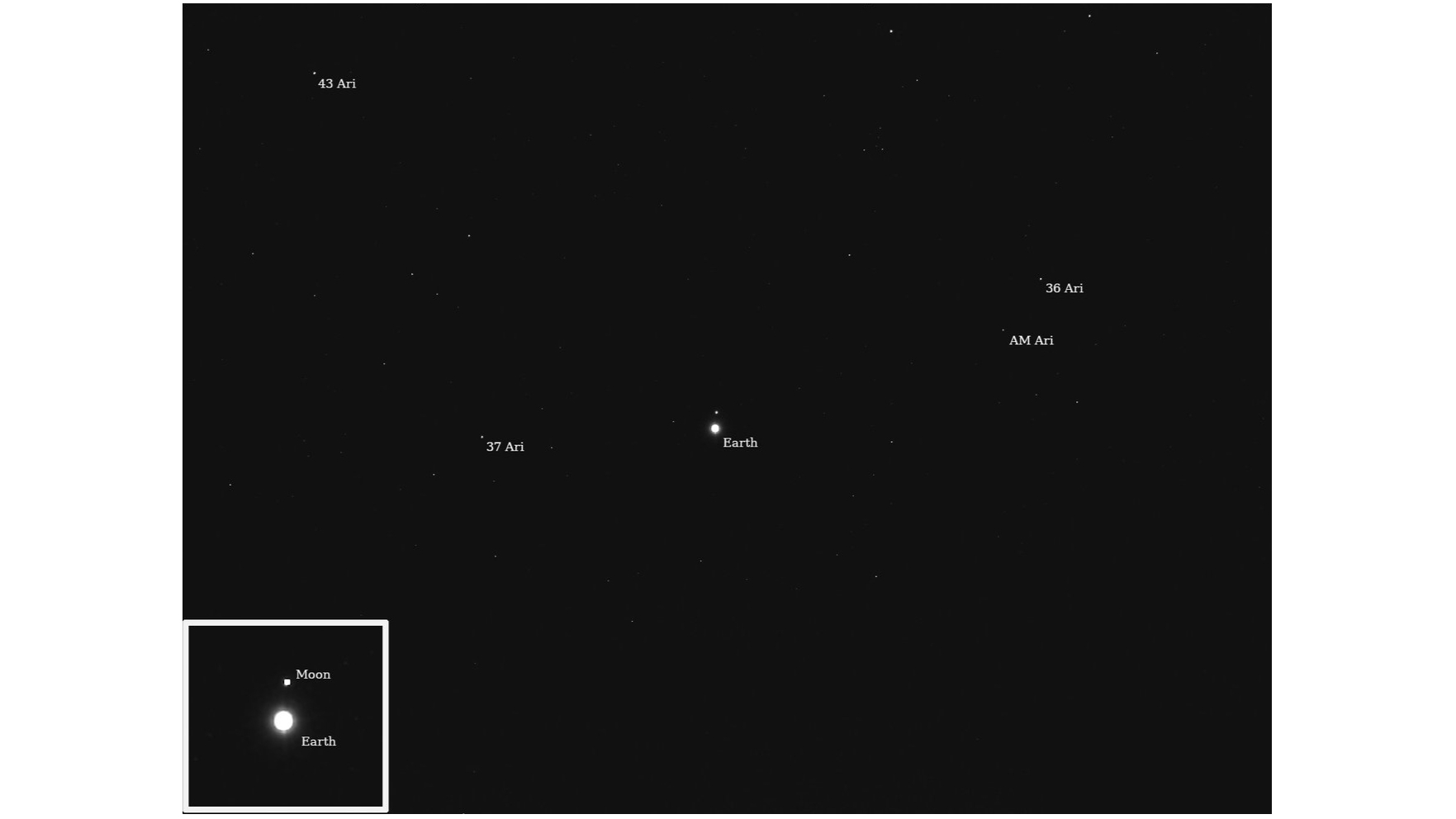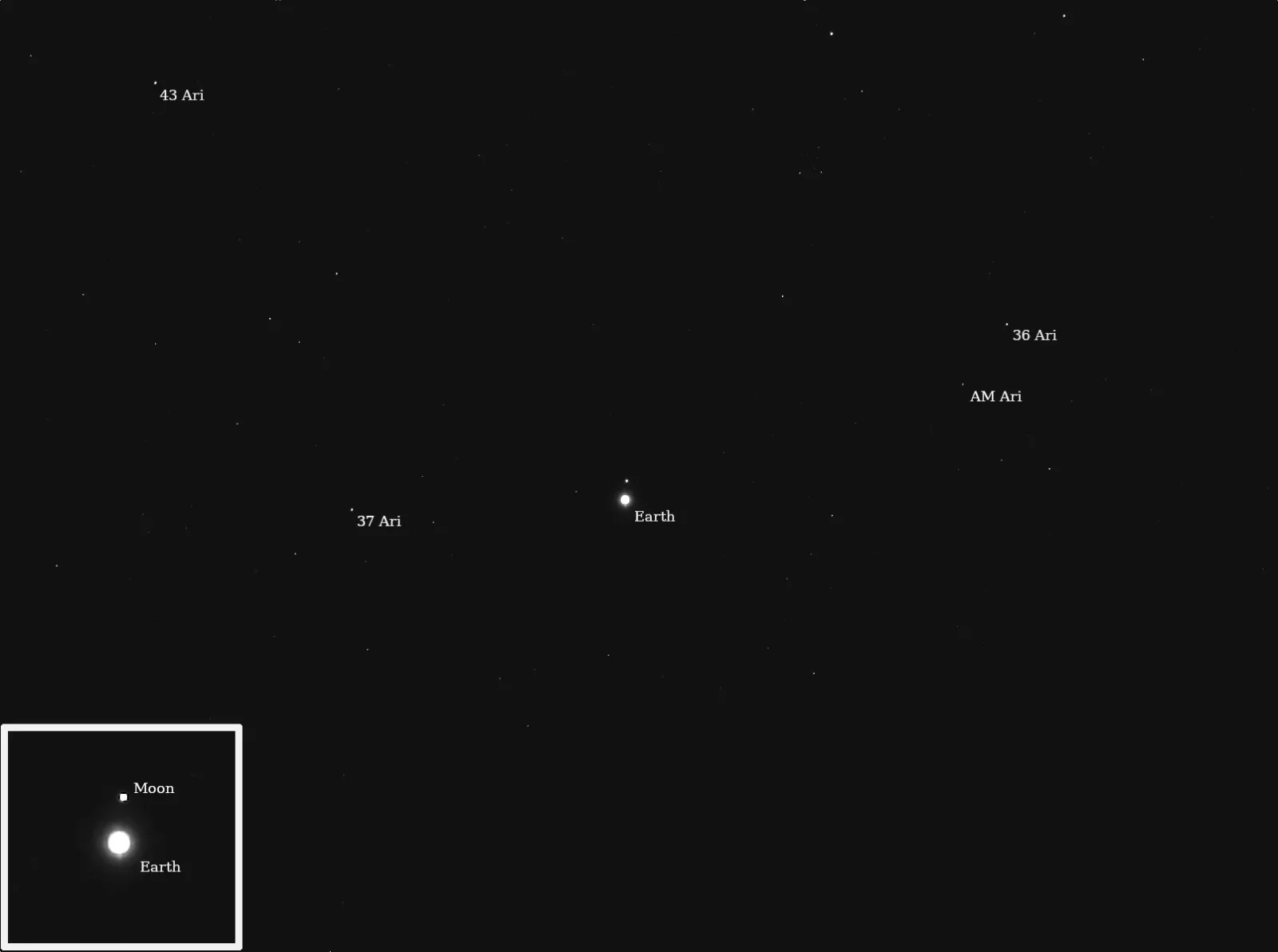
NASA's Psyche spacecraft captured images of Earth and the Moon from 180 million miles away during instrument calibration tests, confirming its cameras are ready for its mission to a metal-rich asteroid, with upcoming flybys and detailed surface analysis planned.
NASA's Psyche spacecraft captured stunning images of Earth and the Moon from 180 million miles away during calibration tests, demonstrating its imaging capabilities as it heads toward the metallic asteroid 16 Psyche, with arrival expected in 2029.
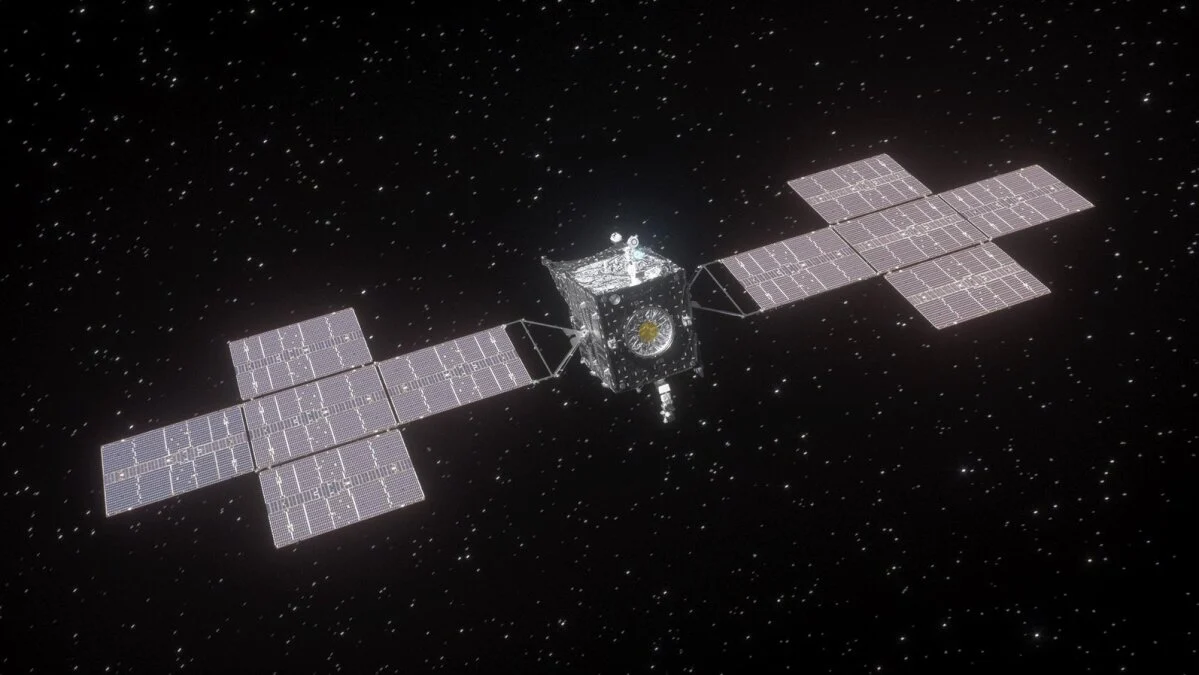
NASA's Psyche spacecraft, currently over 180 million miles from Earth en route to a metal-rich asteroid, captured a rare image of Earth and the Moon, reminiscent of the Pale Blue Dot, to test its cameras. The mission aims to study the asteroid Psyche, believed to be similar to planetary cores, to gain insights into Earth's interior and planetary formation. The spacecraft's journey includes a gravity assist from Mars in 2026, with arrival at Psyche expected in 2029.
NASA's Psyche spacecraft captured images of Earth and the Moon from 180 million miles away during instrument calibration, as it prepares for its 2029 encounter with the metal-rich asteroid Psyche. The mission's instruments, including multispectral imagers, are being tested and calibrated using celestial bodies like Jupiter, Mars, and Vesta to ensure proper functioning for studying the asteroid's surface and composition, which will help understand planetary formation and metallic cores.
Recent JWST data reveals that asteroid 16 Psyche, previously thought to be a metallic core remnant, shows signs of hydration and rust, indicating a more complex history involving water and impact processes, which could influence future space mining and understanding of solar system evolution.
NASA has shared a timeline for their mission to recover precious metals from the 16 Psyche asteroid. The spacecraft, launched on October 13, is expected to reach the asteroid in August 2029 after traveling 2.2 billion miles. It will then orbit the asteroid for over two years, studying its gravity, magnetic properties, and composition. The mission is set to conclude in November 2031, and NASA chose this asteroid due to its enormous size and the potential to learn more about planetary cores and planet formation.
The Psyche mission, NASA's first spacecraft built to study a metal-rich asteroid, was launched on a Falcon Heavy rocket earlier this month. However, the mission won't reach its target asteroid until August 2029, as it is located in the main asteroid belt between Mars and Jupiter. In the meantime, updates on Psyche's progress can be followed through a real-time view provided by NASA.
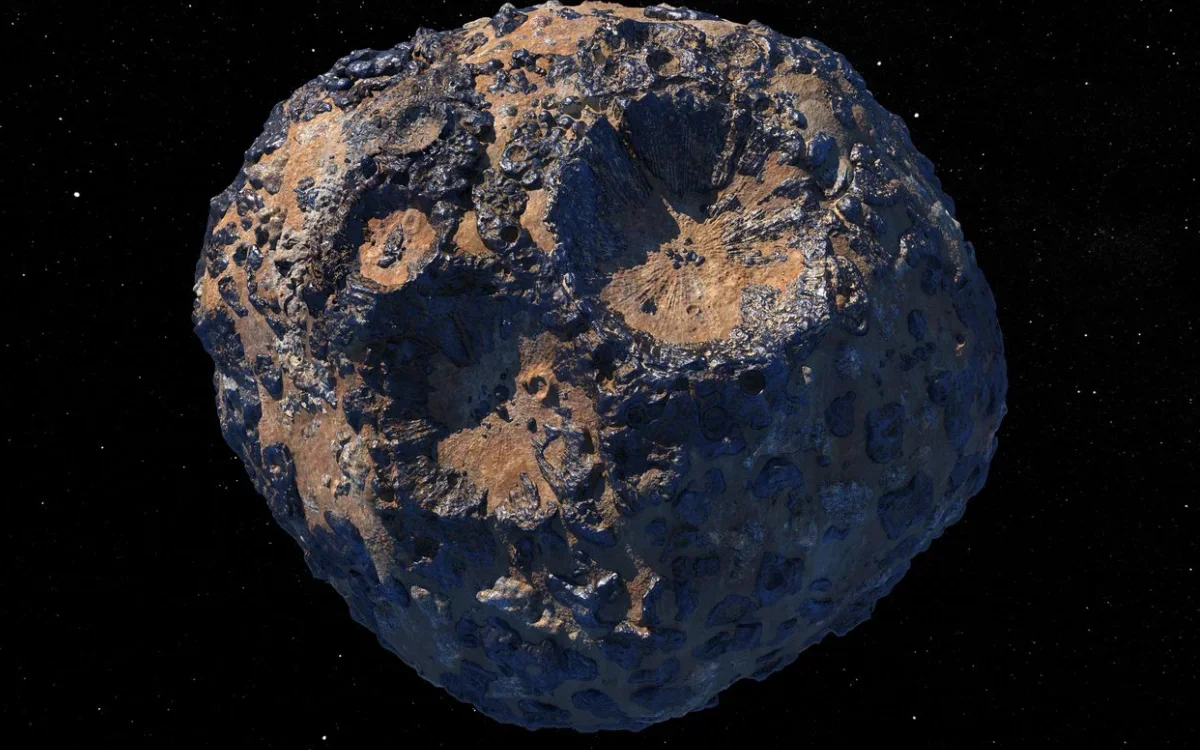
NASA has launched the Psyche spacecraft on a six-year mission to explore the metal asteroid Psyche in the asteroid belt between Mars and Jupiter. The asteroid, named after the Greek goddess of the soul, is believed to be the core of a baby planet and could provide insights into the composition of Earth's core. The spacecraft will study Psyche's surface features, search for signs of an ancient magnetic field, detect high-energy particles, and map the asteroid's gravity field. The mission aims to unravel the mysteries surrounding this enigmatic world and potentially challenge existing scientific theories.
The asteroid 16 Psyche, targeted by NASA's upcoming Psyche mission, is estimated to be worth $100,000 quadrillion due to its potential metallic composition. While the exact metal is unknown, scientists believe it could be made mostly of nickel and iron. Despite its astronomical value, there are currently no plans to mine Psyche due to its distance and the associated costs. However, companies like AstroForge are already planning asteroid mining missions, with smaller asteroids being the initial targets. In addition to metals, asteroids could also provide resources like water for rocket fuel and valuable metals like platinum. The mission to Psyche will provide valuable insights into M-type asteroids and help prepare for future asteroid mining endeavors.
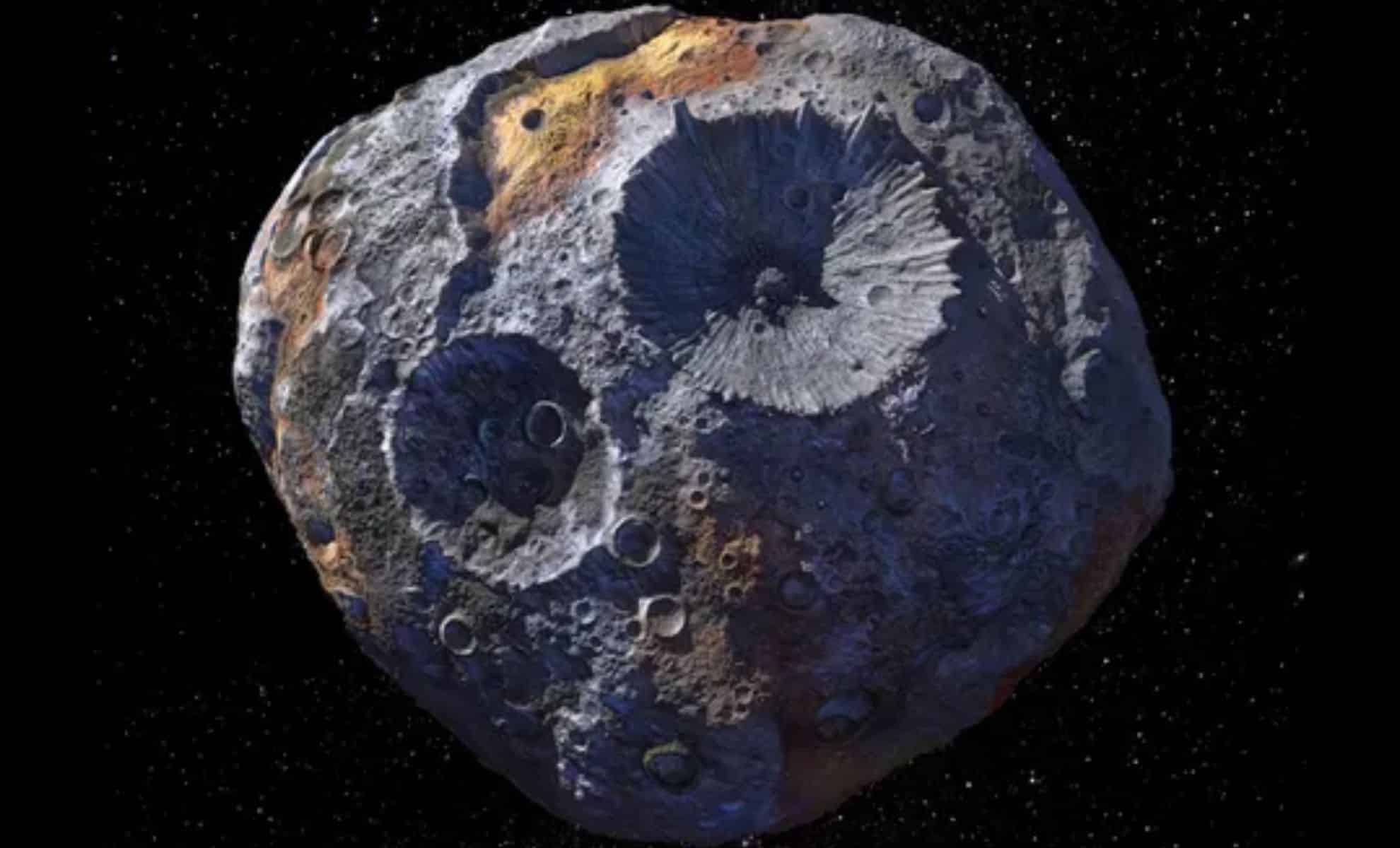
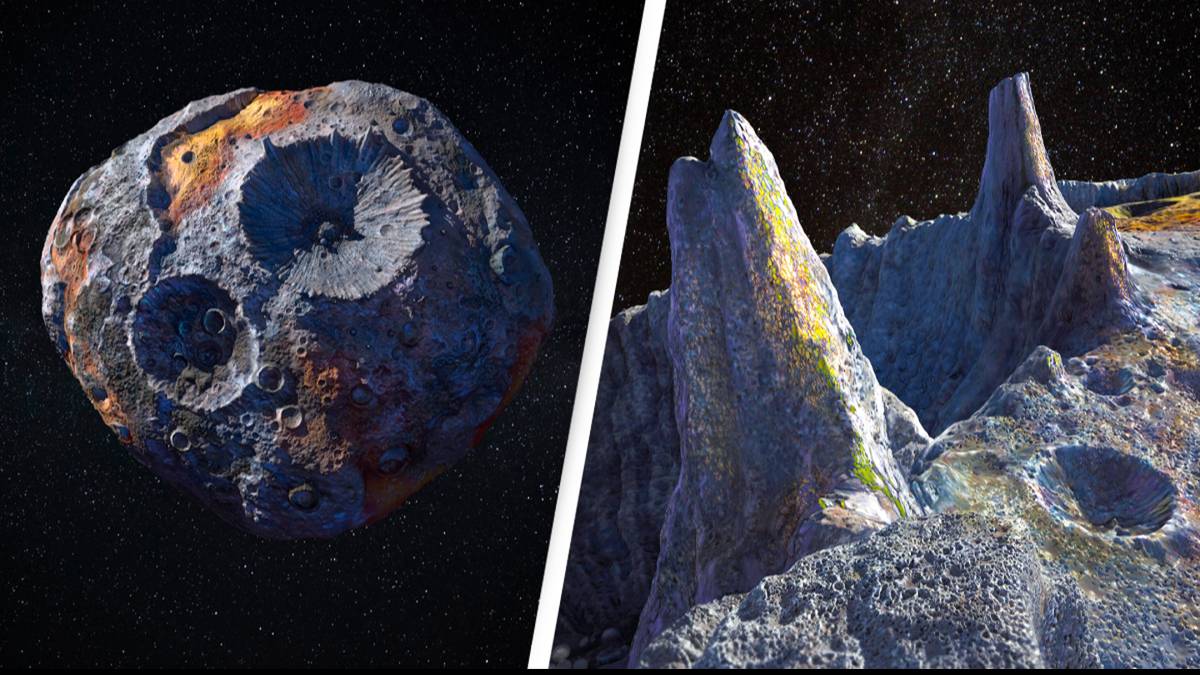
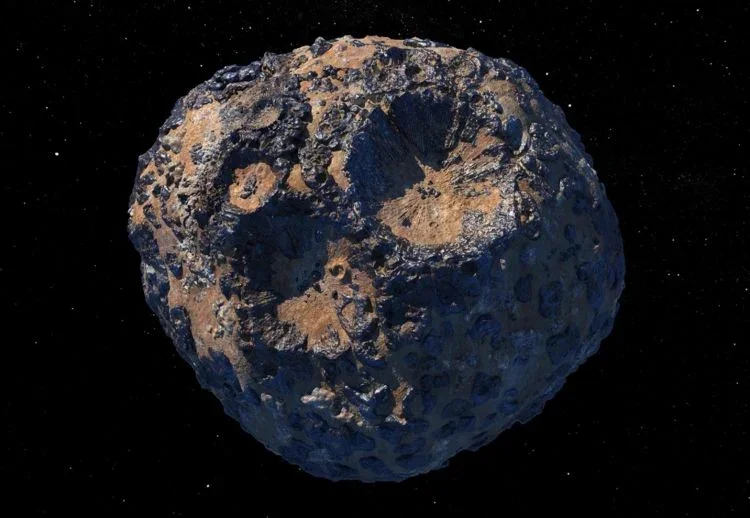
NASA is preparing to launch a spacecraft on a six-year mission to explore an asteroid named Psyche, which is believed to be largely composed of metal. This mission will provide valuable insights into the formation of planets with metal-rich cores, including Earth. Psyche, about the size of Massachusetts, is expected to have craters ringed with iron spikes and metal cliffs. The spacecraft will send back images once it reaches the asteroid in 2029. This mission aims to understand the metal core of Earth and other planets, as well as explore the diversity of metal-rich bodies in the universe. Unlike previous missions, this one will not return a sample of the asteroid.
NASA is preparing to launch the Psyche spacecraft on a mission to study the metal-rich asteroid known as Psyche, located in the main asteroid belt between Mars and Jupiter. Scientists hope to determine whether Psyche is the exposed core of an early planetary building block, shedding light on planet formation. The spacecraft will arrive at the asteroid in 2029 and spend two years studying it with a suite of scientific instruments. Psyche is the largest metallic asteroid in our solar system and is believed to have originated as the iron-rich core of a planetesimal. The mission aims to answer questions about the nature of Psyche and provide insights into the composition of Earth's core.
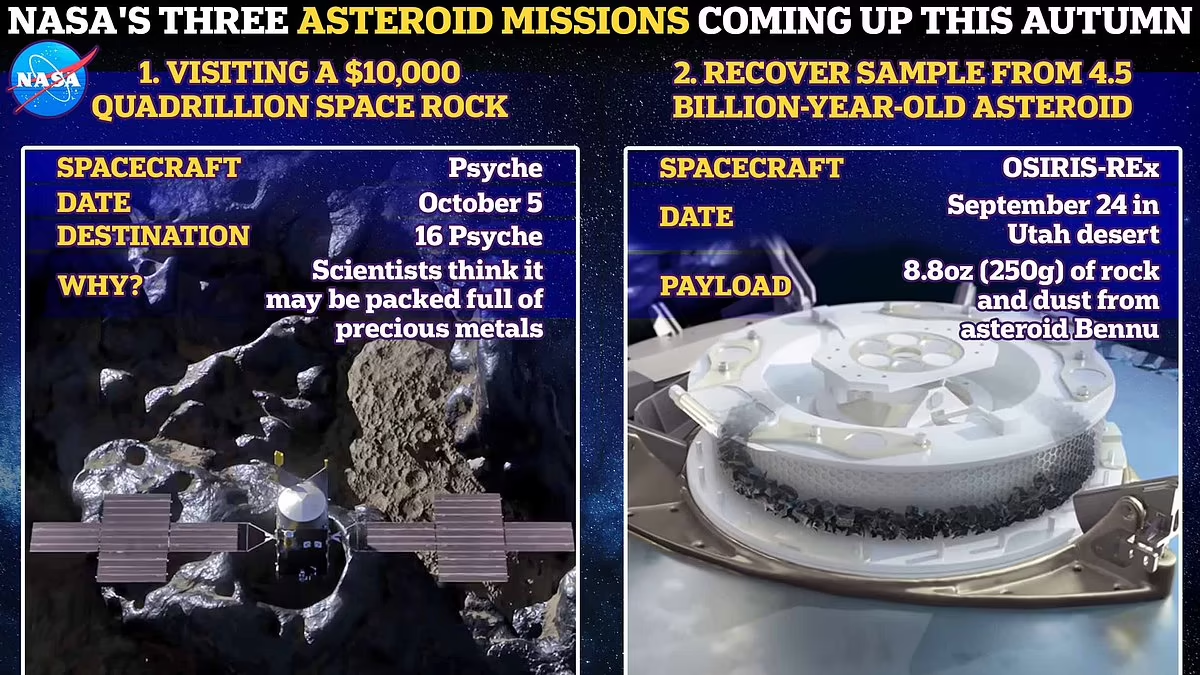
NASA is embarking on a series of exciting space missions, dubbed "asteroid autumn," that could provide insights into the origins of life and the solar system. The missions include the launch of NASA's Psyche spacecraft, which will explore the metal-rich asteroid 16 Psyche to determine its economic value and potential impact on Earth's economy. Another mission involves the recovery of a sample from the asteroid Bennu, which could contain pre-solar system material and shed light on the formation of planets and the origins of life. Additionally, the spacecraft Lucy will embark on a 12-year journey to study Trojan asteroids orbiting Jupiter, providing valuable information about planetary evolution.
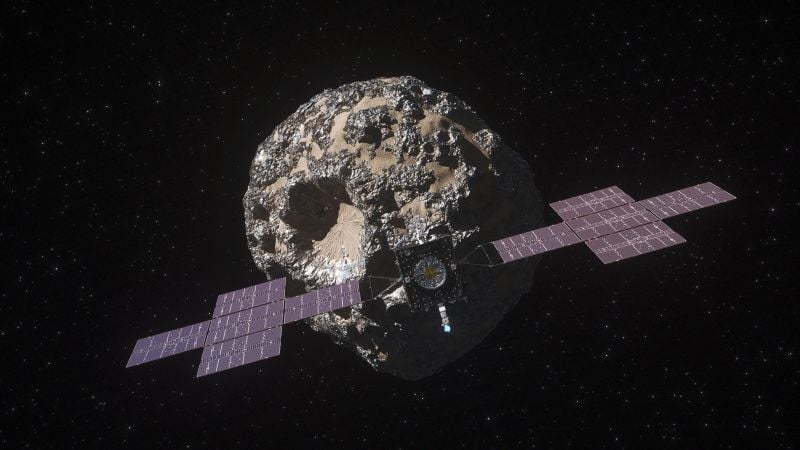
NASA's Psyche probe, set to study the metal-rich asteroid Psyche, is preparing for launch from Kennedy Space Center in October. The mission aims to understand the composition and formation of planets like Earth by exploring one of the few known asteroids made of metal. The probe will travel 2.5 billion miles to reach Psyche, which orbits the sun between Mars and Jupiter. It will carry cameras, a magnetometer, a gamma-ray spectrometer, and other instruments to study the asteroid's magnetic field, composition, and gravity field. The mission, which has been in the works for 12 years, is expected to provide valuable scientific results after a two-decade journey.
NASA's mission to the metal-rich asteroid Psyche, which could be worth $10,000 quadrillion, is set to launch between October 5 and 25 from the Kennedy Space Center in Florida. The spacecraft is expected to reach the asteroid in August 2029 and orbit it for 26 months. Scientists hope studying Psyche up close could offer new insight into the interior of our own planet and the history of the solar system.
NASA's Psyche mission to explore the rare asteroid 16 Psyche, which is believed to be made almost entirely of iron and nickel and worth as much as $10,000 quadrillion, is set to launch between October 5 and 25. The spacecraft will orbit the asteroid for 26 months to gain insights into planetary formation and provide a better understanding of the interior of terrestrial planets like Earth. The mission was delayed last year due to development problems but has since addressed all recommendations and made outstanding progress, according to an independent review board.