Tag

Protists

All articles tagged with #protists

science1 year ago

Scientists Engineer Mouse with Pre-Animal Stem Cells

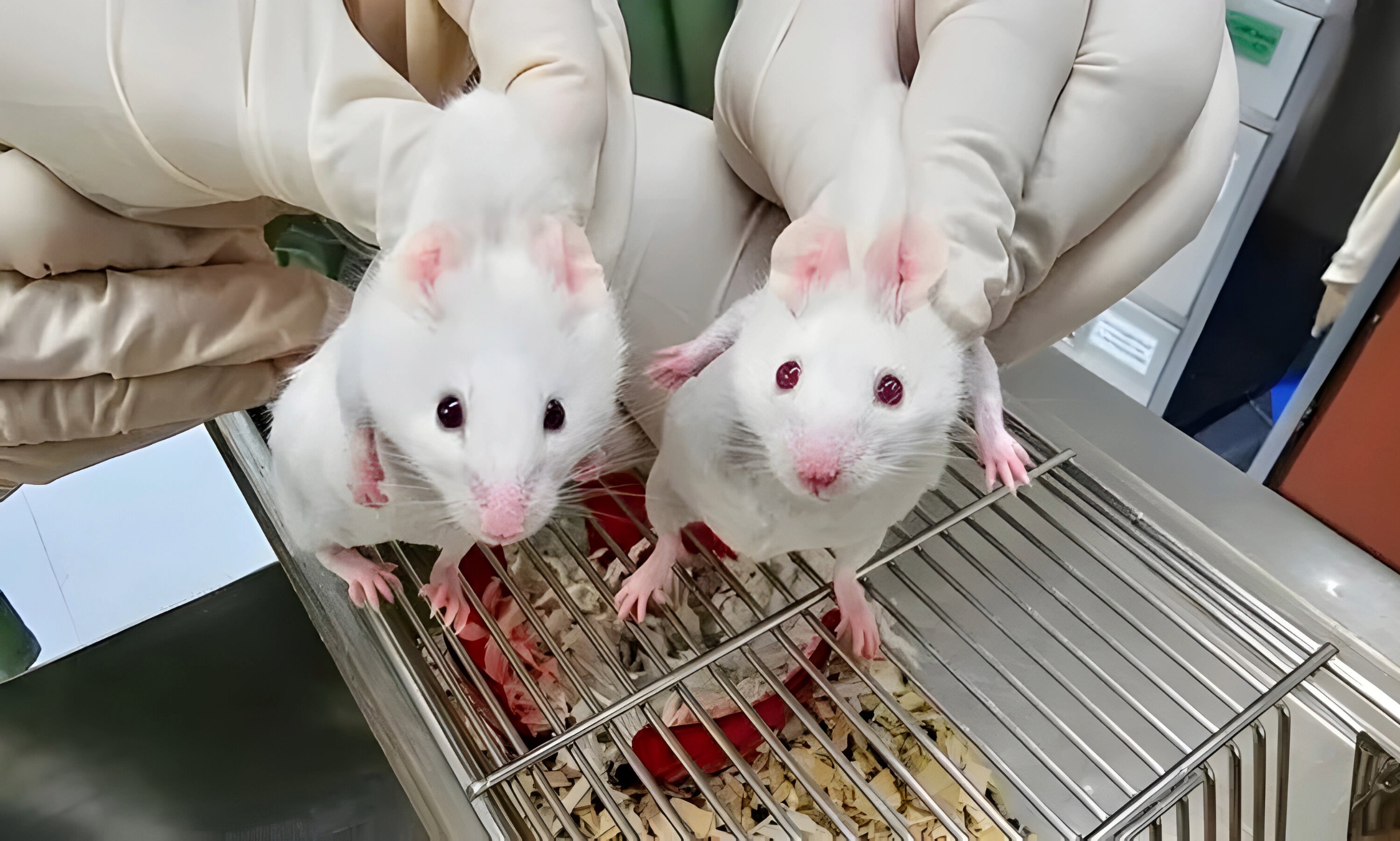
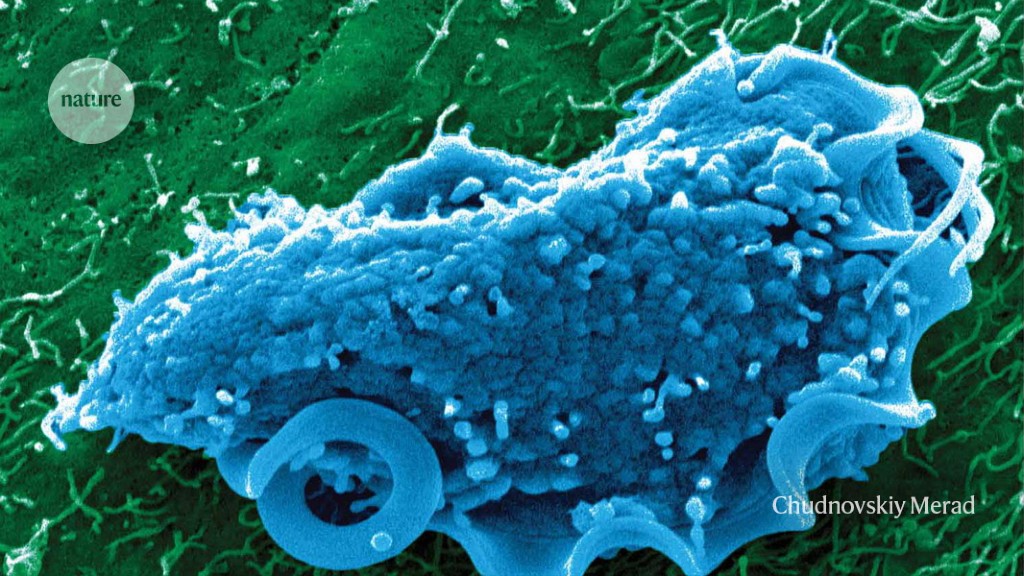
Scientists have successfully created mouse stem cells using genes from a single-celled organism, revealing that the molecular toolkit for stem cell division predates animals. This discovery challenges previous beliefs that such genetic capabilities were exclusive to animals and highlights the evolutionary connection between unicellular protists and multicellular organisms. The study, published in Nature Communications, has significant implications for evolutionary biology and medical research, potentially advancing regenerative medicine and understanding of cellular reprogramming.
environment1 year ago

"Peatland Microbial Food Web Shifts Due to Climate Change, Study Finds"

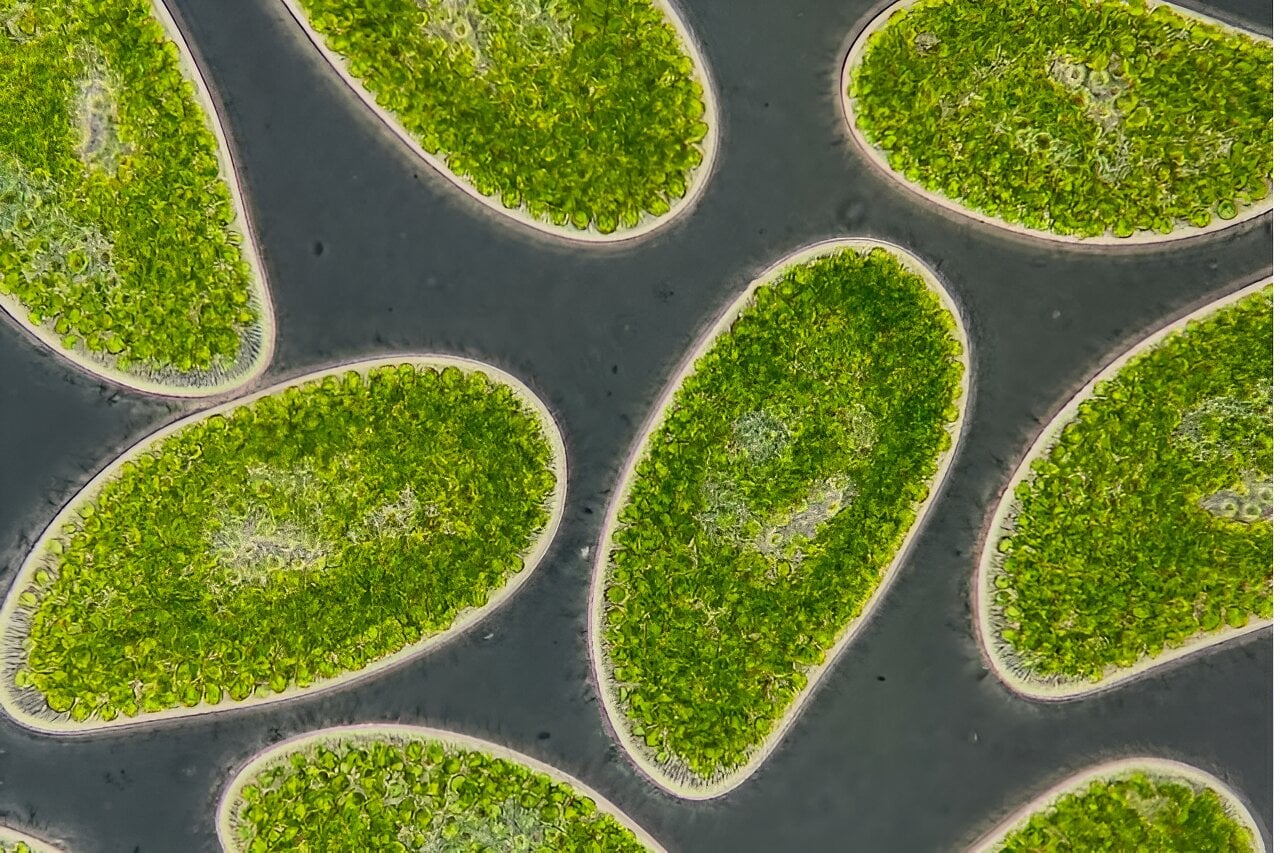
A study suggests that climate change is affecting the microbial food web in peatlands, potentially impacting their ability to store carbon. The research found that rising temperatures and elevated CO2 levels led to changes in the abundance and behavior of protists, tiny organisms that play a role in the movement of carbon in peatlands. These changes could have significant implications for the future of peatlands as carbon sinks and need to be considered in models predicting future warming.

science2 years ago

Unraveling the Intricacies of a Peculiar Gut Microbe Community

A study in mice has revealed the complex nature of gut protists, single-celled microorganisms that live alongside bacteria and fungi in our guts. The research shows that the food preferences of these protists shape their interactions with other organisms in the microbiome and impact the host's immune responses. The study highlights the importance of protists in the gut and their potential influence on health. The findings also shed light on the diversity of gut protists, their metabolism, and their interactions with other microbes.

science2 years ago

Unveiling the Game-Changing Revelation in Genetics: Divergent DNA

Researchers testing a new method of sequencing single cells stumbled upon an unexpected genetic variation in a protist species, challenging established understanding of DNA-to-protein translation. The genome of the protist revealed a unique divergence in the DNA code, with one stop codon signaling the end of a gene while the other two codons specified different amino acids. This discovery highlights the mysteries of protists and the need for further research to better understand their genetics.

science2 years ago

Genetic Code Unveiled: Routine Test Exposes Unprecedented Divergence

Scientists testing a new method of sequencing single cells have discovered a unique divergence in the genetic code of a protist, Oligohymenophorea sp. PL0344. The protist has an unusual change in how its DNA is translated into proteins, with one stop codon functioning as a stop signal while the other two codons specify different amino acids. This finding challenges our understanding of gene translation and highlights the need for further research on the genetics of protists.

science2 years ago

"Unveiling Life's Limits: Surviving at 125°"

Biologists from Syracuse University are studying microbial eukaryotes in geothermal lakes to understand how these single-celled microorganisms adapt to extreme environments. By analyzing previous studies and building a database, the researchers discovered that certain lineages of amoebae are frequently found in high-temperature environments, suggesting their potential for adaptation. The team conducted field research at Lassen Volcanic National Park in California, collecting samples from a hot and acidic geothermal lake. They are currently isolating single cells for genome sequencing and characterizing the amoebae by microscopy. The findings will contribute to understanding the distribution and evolution of life on Earth.

science2 years ago

Life's Extreme Heat Tolerance: Unveiling the Secrets at 50°C and 125°F

Scientists from Syracuse University are studying protists that inhabit extreme environments, such as hot and acidic geothermal lakes, to gain insight into the evolutionary processes that shaped eukaryotic life. By analyzing previous studies, they discovered that certain lineages of amoebae are often found in extremely high-temperature environments, suggesting their potential for adaptation. The researchers traveled to Lassen Volcanic National Park in California to study a specific amoeba species and search for other extremophilic eukaryotes. They collected samples and are currently isolating single cells for genome sequencing and characterizing the amoebae. The findings will contribute to understanding the distribution and evolution of life on Earth.

science-and-nature2 years ago

When Sci-Fi Meets Reality: The Imitation of a Bizarre Species in a Classic Monster Movie

The iconic horror movie "The Blob" from 1958, starring Steve McQueen, bears resemblance to a real-life species called slime mold. Slime mold, a type of protist, engulfs bacteria and small organic molecules for food and forms a structure called a plasmodium. It moves by pulsating waves created by proteins found in animal muscle tissue. Slime mold can solve mazes and leaves an extracellular slime trail to navigate its surroundings. While slime molds can take up space, they are harmless to humans and typically grow to about five centimeters in the wild.