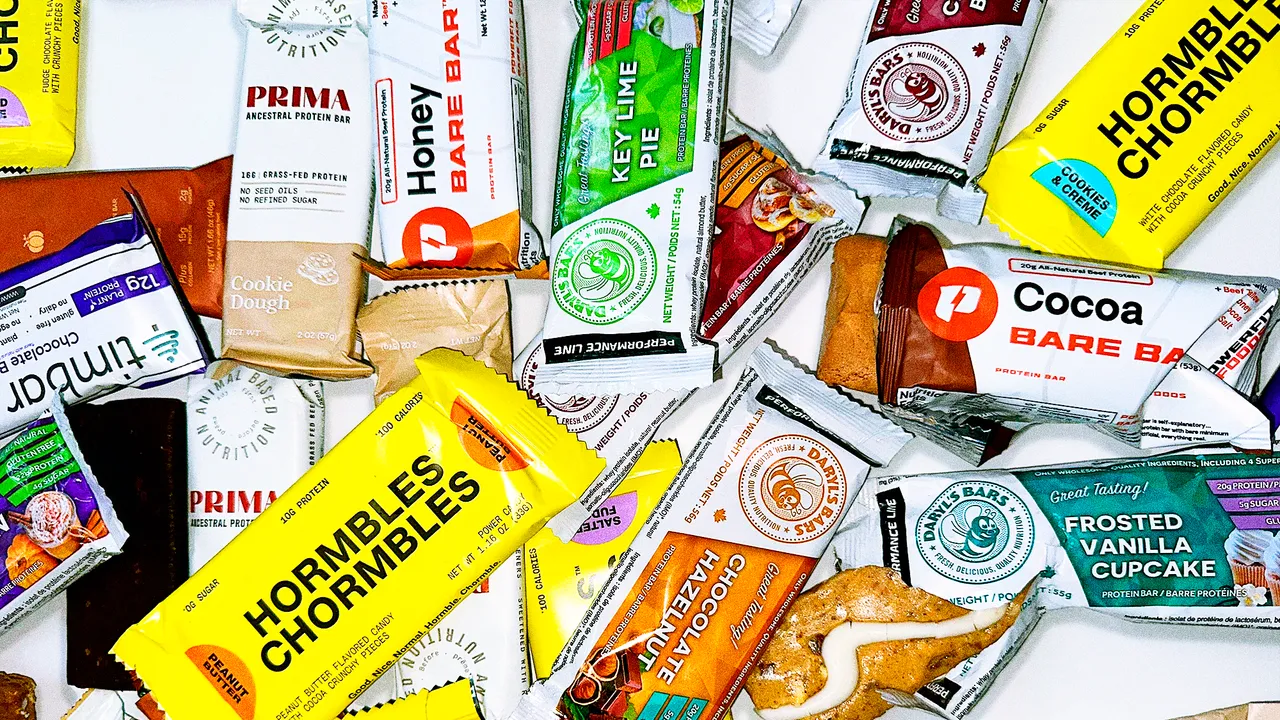
The article explores a variety of lesser-known, innovative protein bars, highlighting their unique ingredients, flavors, and benefits, from Canadian sweet potato-based bars to beef tallow-based options, catering to diverse dietary preferences and curiosities.
A dietitian shares her top five favorite high-protein drinks, including Greek yogurt drinks, kefir smoothies with collagen, bone broth, smoothies, and skim milk, emphasizing their nutritional benefits and tips for choosing healthy options.
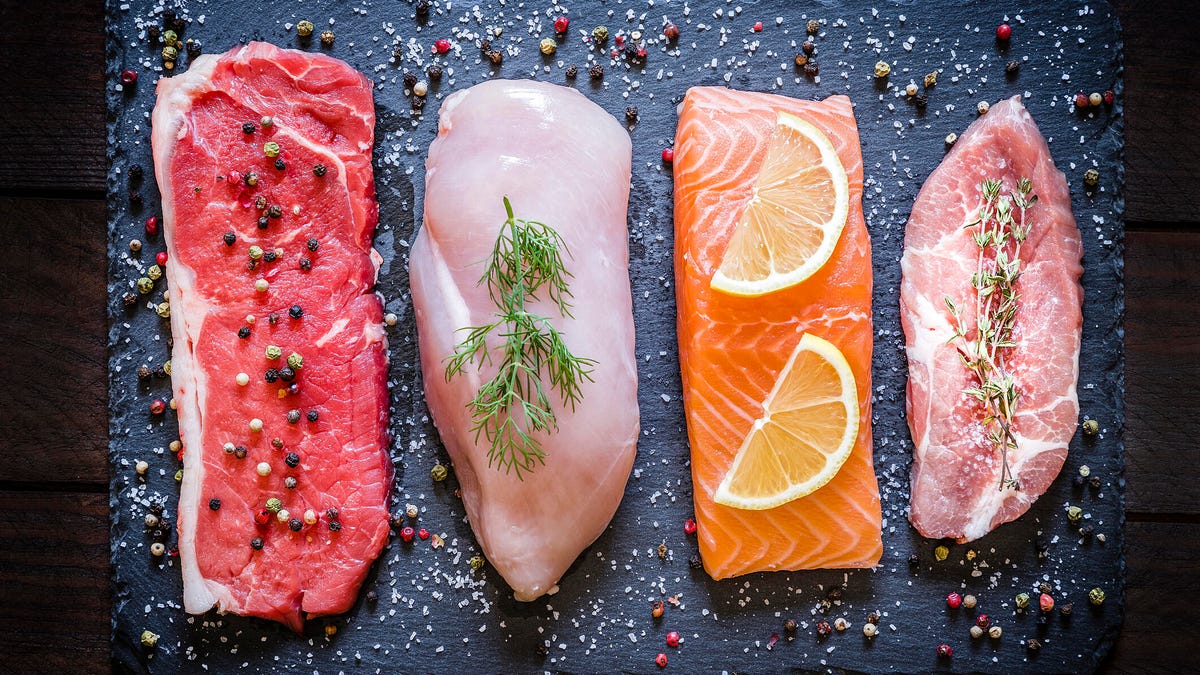
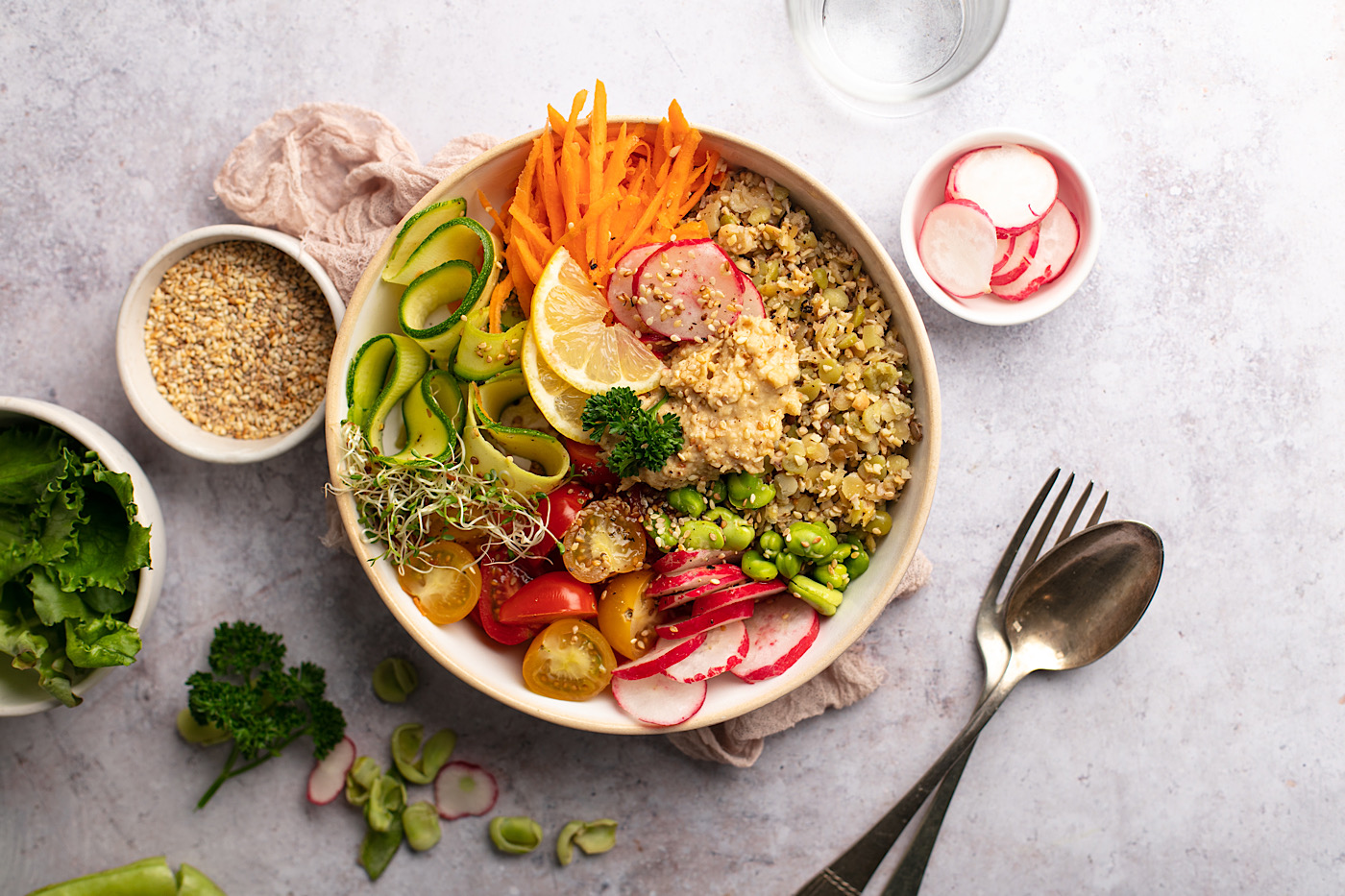
This article provides a visual guide to help people understand how much protein they should eat daily, with examples for omnivores, carnivores, vegetarians, and vegans, emphasizing that individual needs vary based on factors like body weight and activity level.
A recent study reveals that many protein bars may not contain as much high-quality protein as their labels suggest, often using lower-nutritional-quality ingredients and being highly processed, which can reduce protein digestibility and nutritional value.
Dietitians recommend incorporating high-protein foods like salmon, shrimp, black beans, quinoa, and low-fat dairy into your diet to aid weight loss. These foods provide essential nutrients, help keep you full, and support overall health. Opt for whole grains over processed carbs and consider plant-based proteins like nuts and peanut butter for added benefits.
Boosting your protein intake can be made simple by incorporating habits such as ritualizing protein consumption, eating protein first, adding nuts to meals, choosing leaner meats, opting for brown rice or quinoa over white rice, including beans in various dishes, and swapping white bread for whole-grain to increase overall protein intake, which is essential for maintaining health and supporting weight management goals.
A new study suggests that python farming could provide a more sustainable source of meat due to the reptile's ability to reproduce rapidly and survive on minimal food. Researchers observed python farms in Southeast Asia and found that pythons can grow rapidly and endure disruptions in food supply chains and extreme weather events. While some experts advocate for python meat as a sustainable protein source, animal welfare organizations caution against prioritizing animal-based proteins and encourage a plant-based diet instead.
Navigating a plant-based diet with a sensitive stomach can be challenging, as many major vegan protein sources can trigger unpleasant gastrointestinal symptoms. Understanding the triggers for sensitive stomach symptoms is crucial, and identifying less irritating plant-based protein options is important. Some protein-rich vegan foods that are less likely to cause discomfort include oats, nut butter, nutritional yeast, soy products, hemp hearts, brown rice, spirulina, quinoa, chia seeds, and millet. These options can help individuals with sensitive stomachs meet their protein needs while minimizing potential discomfort.
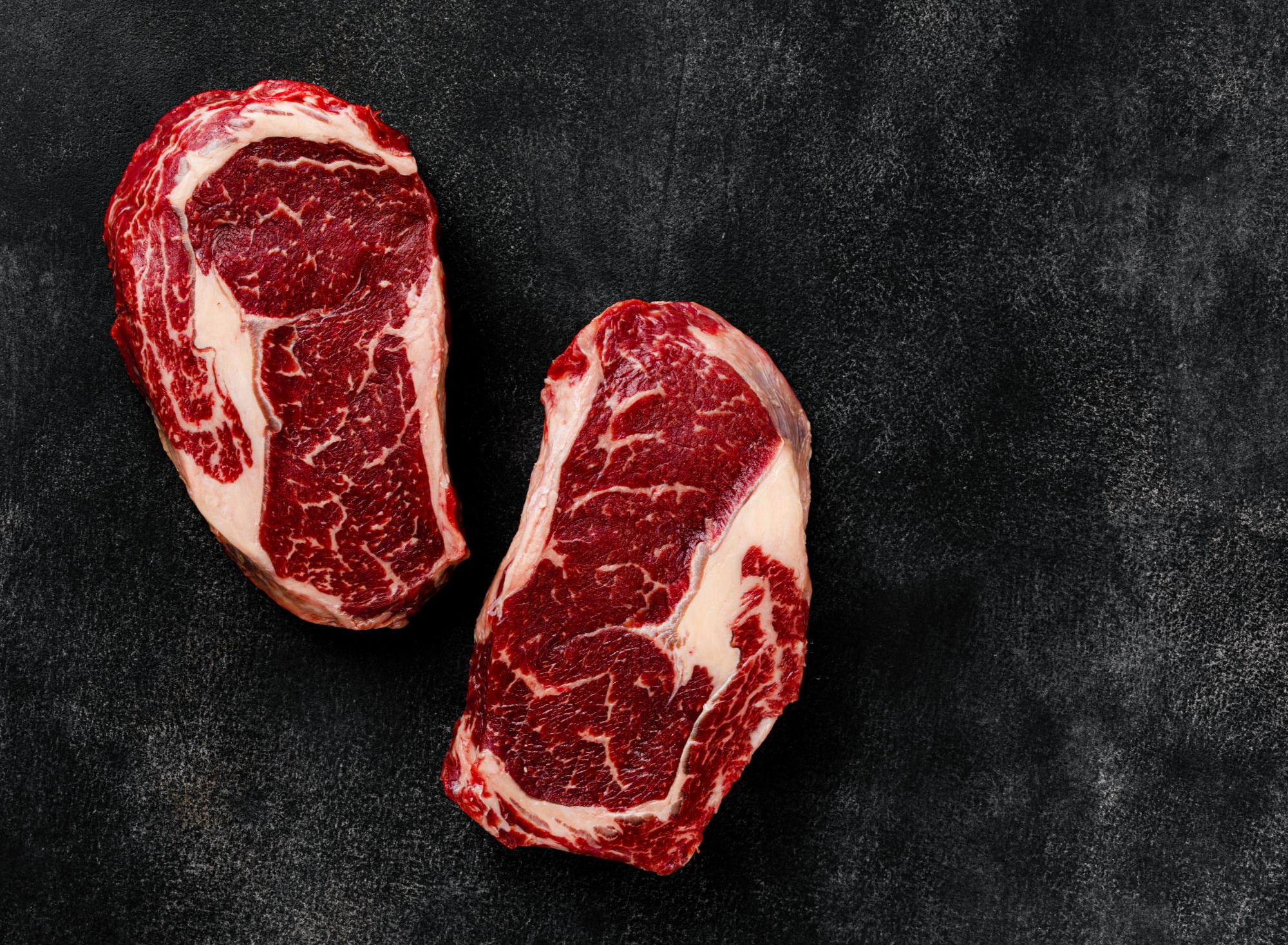
New research comparing the muscle protein synthesis rates in older adults after consuming omnivorous meals with lean beef and vegan meals with equal protein content found that the omnivorous meal with lean beef resulted in significantly higher postprandial muscle protein synthesis rates. The study highlights the importance of protein source selection for muscle maintenance in older adults and suggests that animal-based protein sources may be more effective in stimulating muscle growth and maintenance compared to plant-based sources. The findings emphasize the significance of amino acid bioavailability and biofunctionality differences between beef-containing and vegan meals for muscle protein synthesis.
Vegan dietitian Alyssa Fontaine shares her four go-to vegan breakfasts that are both nutritious and delicious. Her breakfast options include chocolate peanut butter bars, avocado toast with added protein sources like hemp seeds and edamame beans, natural protein powders for smoothies, and oatmeal with peanut butter and soy milk. Fontaine emphasizes the importance of incorporating plant-based proteins and calcium sources into meals while avoiding strict restrictions to sustain a healthy plant-based diet.
Ensuring that your vegetarian diet includes enough protein is crucial for various physiological functions. While not all plant-based proteins are complete, combining different sources like lentils, chickpeas, quinoa, black beans, and Greek yogurt can provide a complete protein profile. Other vegetarian protein sources include tofu, tempeh, chia seeds, hemp seeds, almonds, peanut butter, edamame, pumpkin seeds, cottage cheese, and peas. These sources offer additional health benefits such as fiber, vitamins, minerals, and antioxidants, making them essential for a well-rounded vegetarian diet.