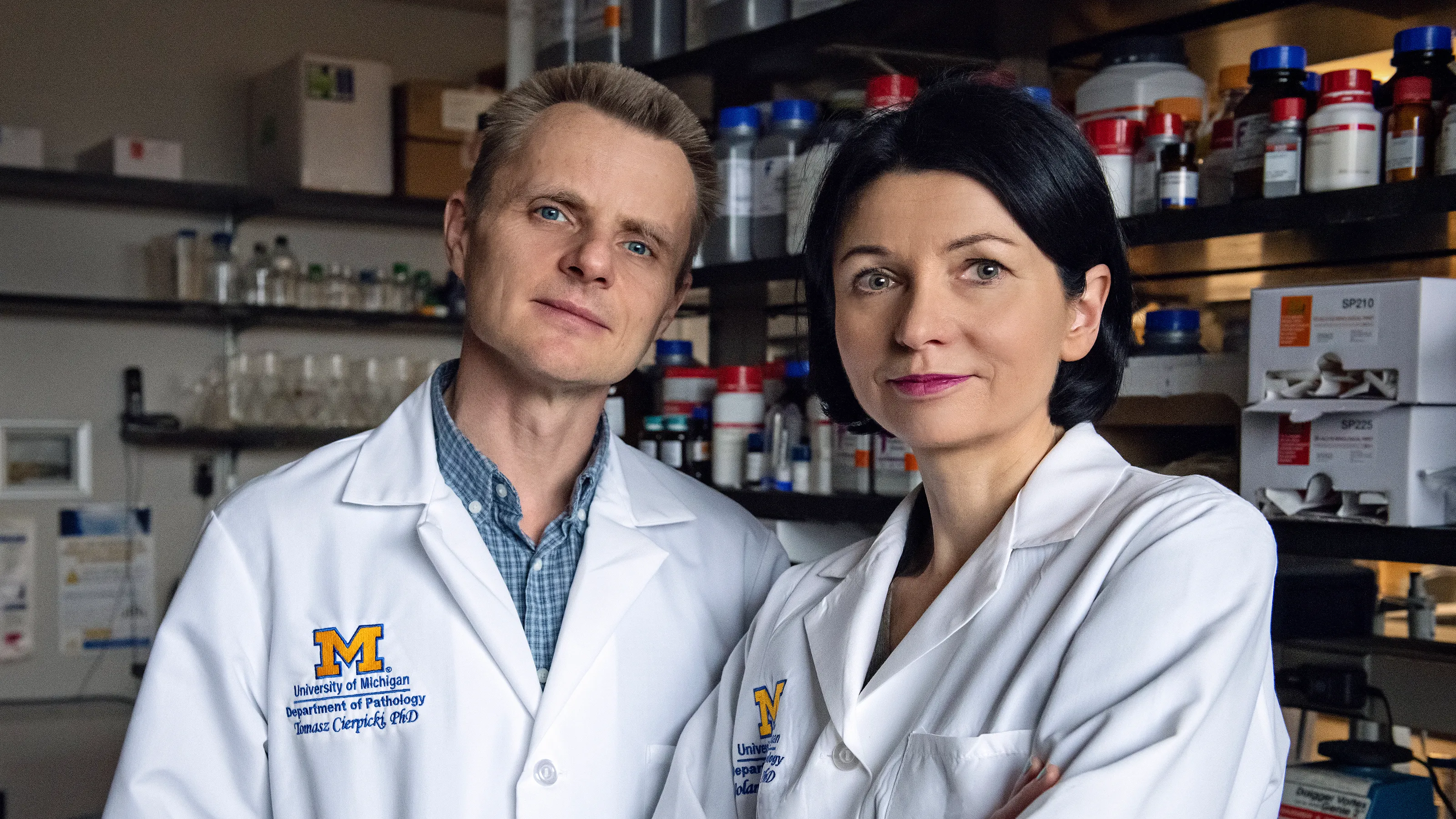
University of Michigan researchers have made a significant breakthrough in treating acute myeloid leukemia by advancing understanding of protein interactions that drive the disease, leading to improved care options for patients.
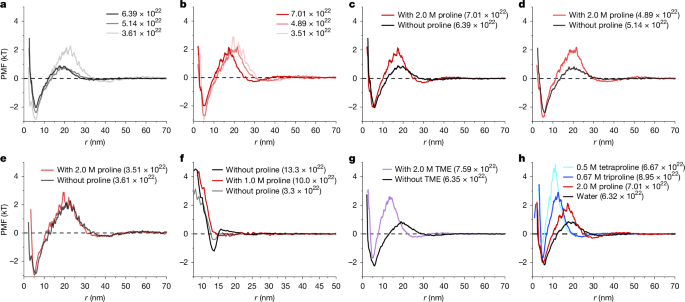
The article explores how amino acids (AAs) stabilize protein and colloidal dispersions by weakly interacting with particles, modulating their interactions and increasing stability. It presents experimental evidence showing AAs raise the second virial coefficient (B22), indicating enhanced repulsion, and develops a theoretical framework modeling proteins as patchy particles with adsorption sites blocked by AAs. The findings suggest AAs have a generic colloidal effect, influencing biological processes like phase separation and stress granule formation, and can improve pharmaceutical formulations, exemplified by increased insulin bioavailability with proline.
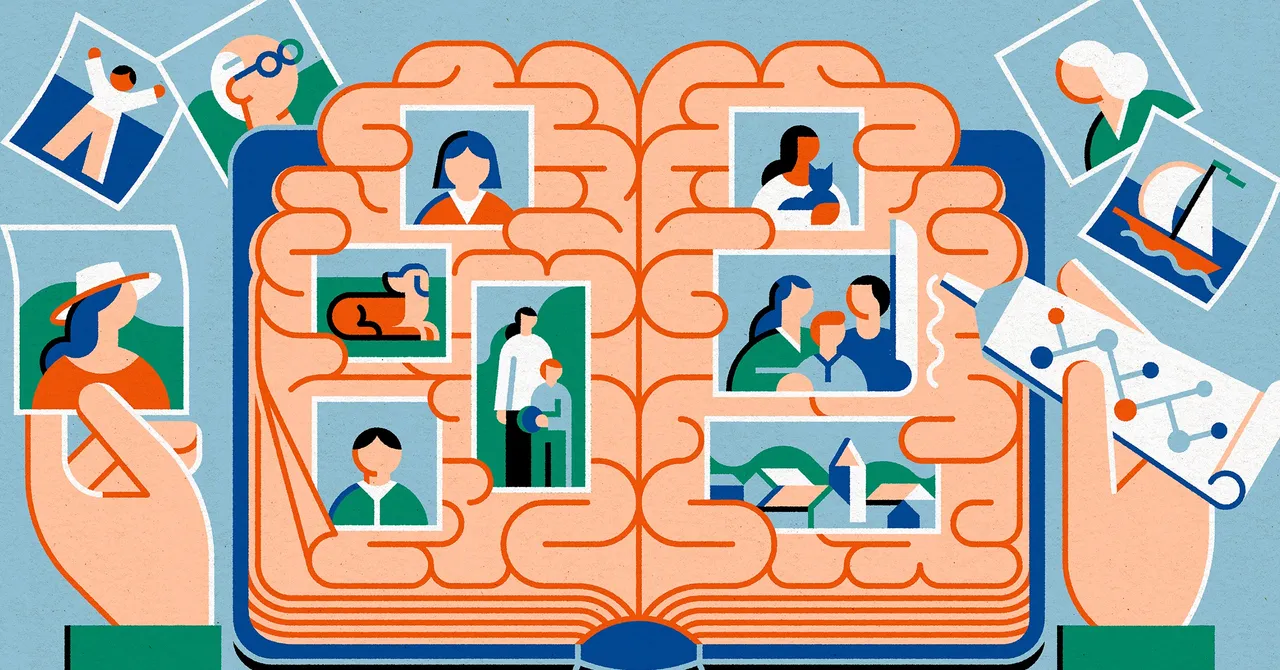
Neuroscientists, including Todd Sacktor, have discovered that a persistent bond between two proteins in brain synapses is crucial for long-term memory storage, providing a molecular explanation for how memories last a lifetime despite molecular turnover, addressing a longstanding question in neuroscience.
A new study published in Cell Reports Medicine challenges the traditional view that beta-amyloid plaques are the sole cause of Alzheimer's disease, identifying over 20 proteins that co-accumulate with beta-amyloid, including midkine and pleiotrophin, which may accelerate its aggregation. This discovery suggests a more complex interplay of proteins in Alzheimer's development, potentially leading to novel therapeutic strategies targeting multiple proteins. The findings could also impact the understanding and treatment of other amyloid-related neurodegenerative disorders.
A new theory proposes that the interaction between two proteins, talin and amyloid precursor protein (APP), may play a crucial role in the development of Alzheimer's disease by affecting the mechanical stability of synapses. This theory suggests a potential "mechanical basis" for the disease and opens up new possibilities for drug targeting and early diagnosis. The authors emphasize the need for rigorous experimental validation and are exploring the repurposing of existing drugs to slow the progression of Alzheimer's.
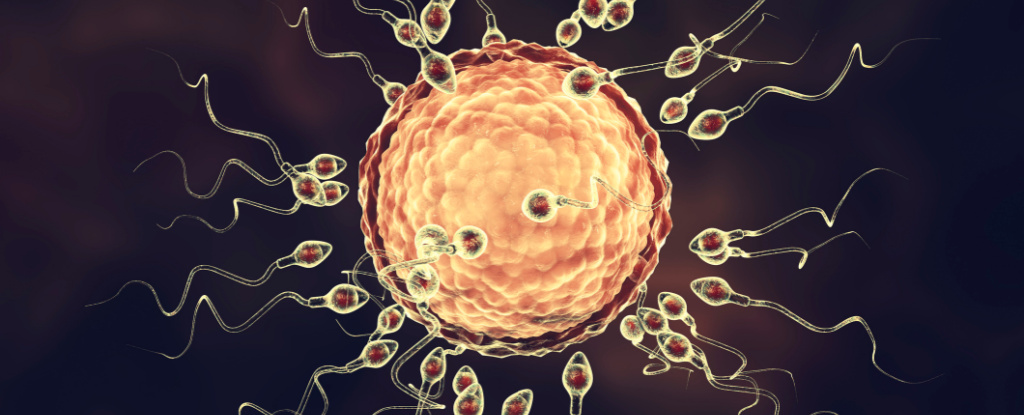
Researchers from ETH Zurich and Ludwig Maximilian University of Munich have used simulations to reveal the intricate details of the protein complex JUNO-IZUMO1, which plays a crucial role in the fertilization process. The simulations showed that the complex is initially stabilized by short-lived and weak non-covalent interactions, and that the presence of zinc ions can bend IZUMO1 into a shape that hinders its binding to JUNO, potentially preventing other sperm from entering the egg. These findings provide new insights into the first moments of fertilization and could have implications for contraceptives and infertility.