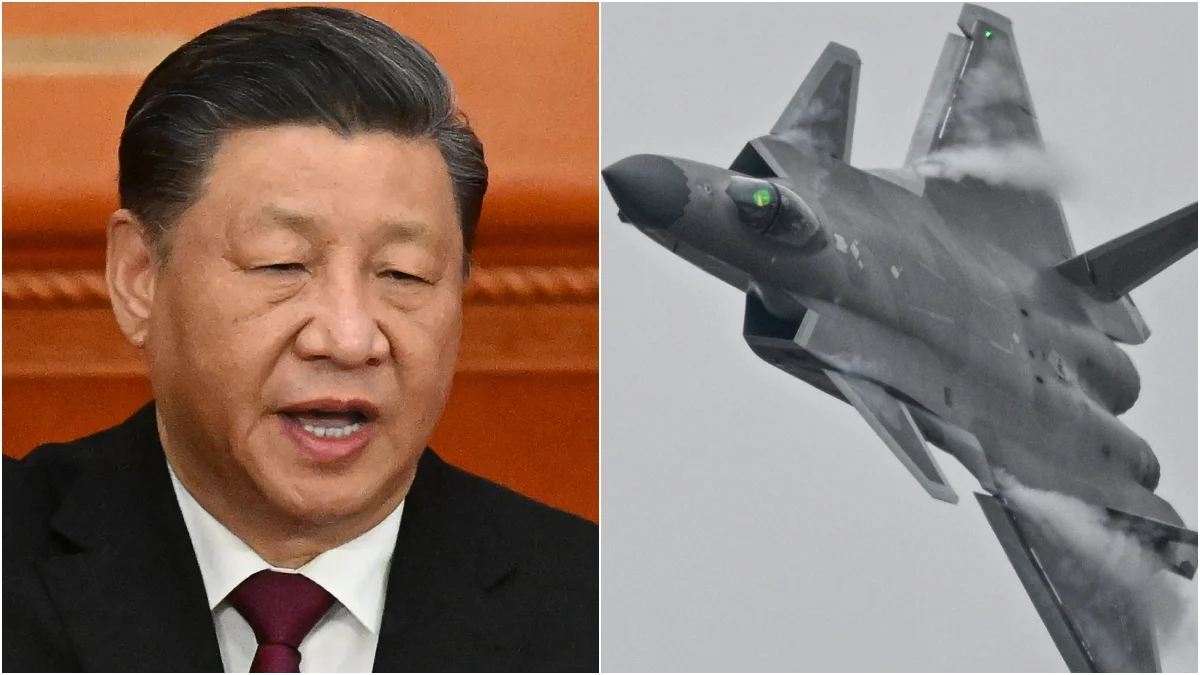
China is reportedly pursuing a carrier-style, futuristic superweapon capable of launching unmanned fighters and hypersonic missiles, but analysts doubt its viability due to U.S. long-range defenses, aerial targeting, and questionable resource allocation amid ongoing Taiwan tensions.
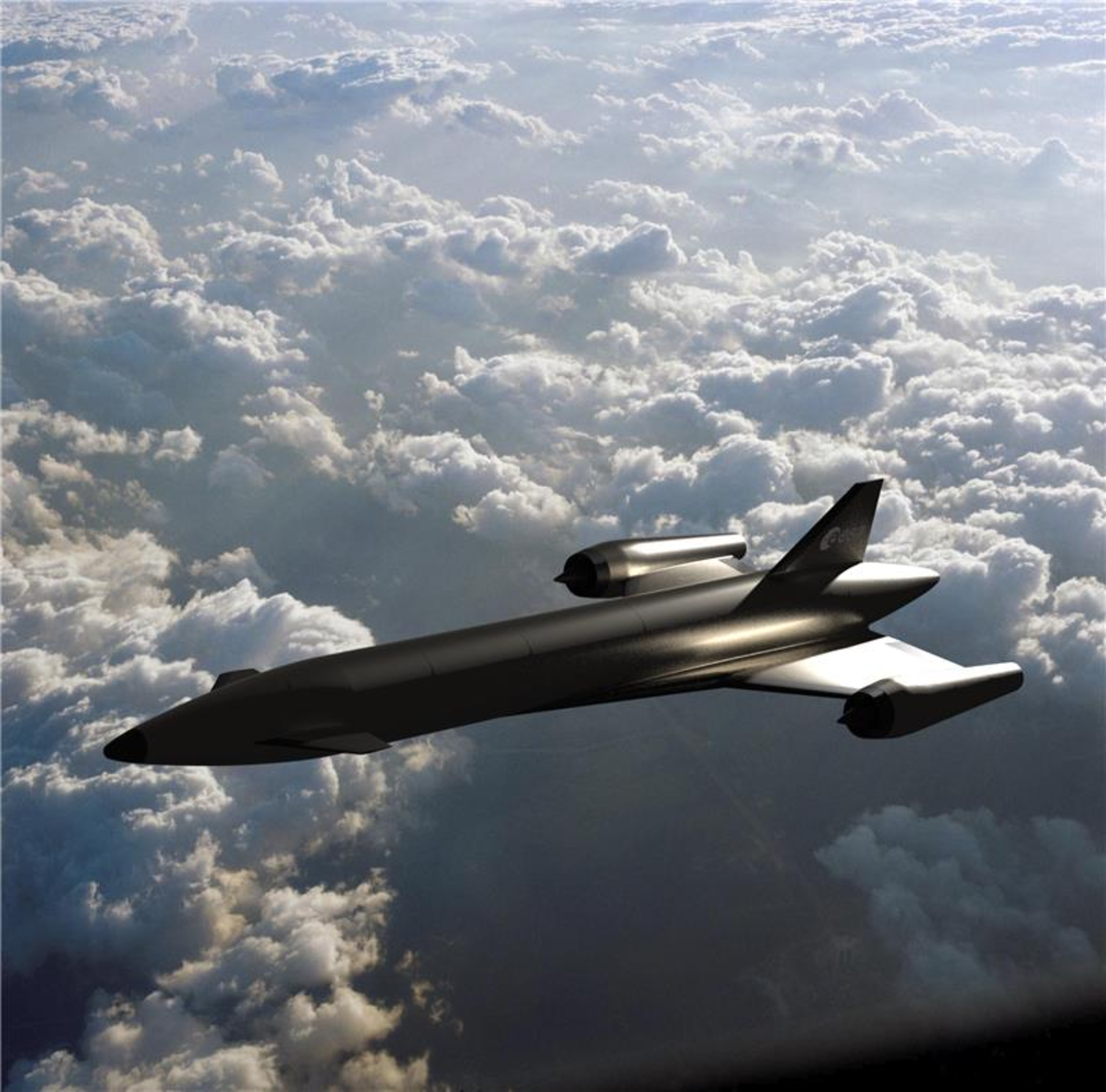
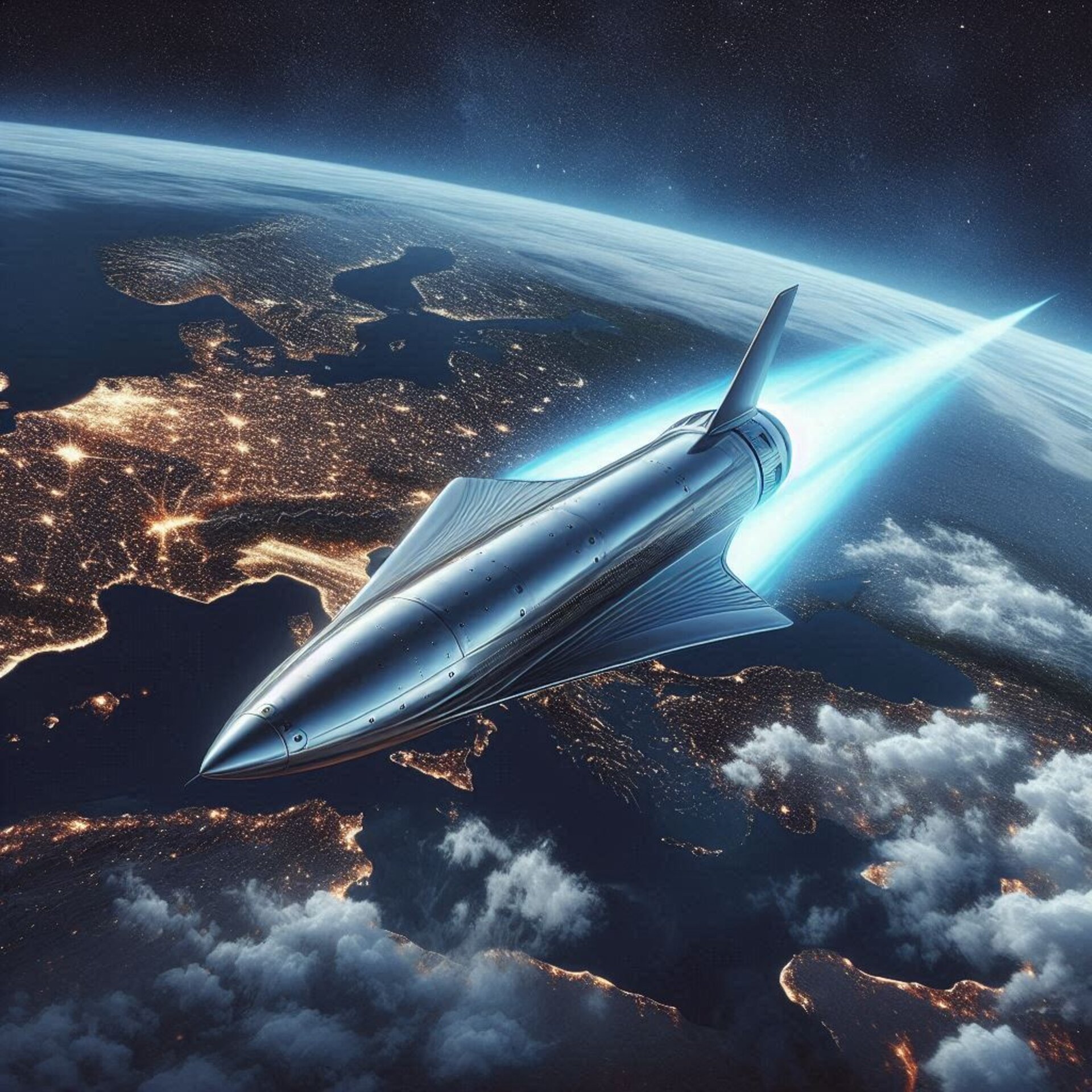
INVICTUS is a European research program led by ESA and Frazer-Nash to develop hypersonic technologies for reusable vehicles capable of Mach 5 flight, focusing on advanced propulsion systems and spaceplane capabilities, with industry and academic collaboration to test and demonstrate key technologies for future aerospace applications.
European engineers are working on hypersonic vehicles that could revolutionize air and space travel, potentially allowing passengers to travel from Brussels to Sydney in three hours. The European Space Agency (ESA) is exploring the technological challenges and opportunities for creating reusable hypersonic vehicles for both Earth and space travel. A recent workshop in Germany brought together experts to discuss key areas such as airbreathing propulsion, thermal management, and crew safety systems.
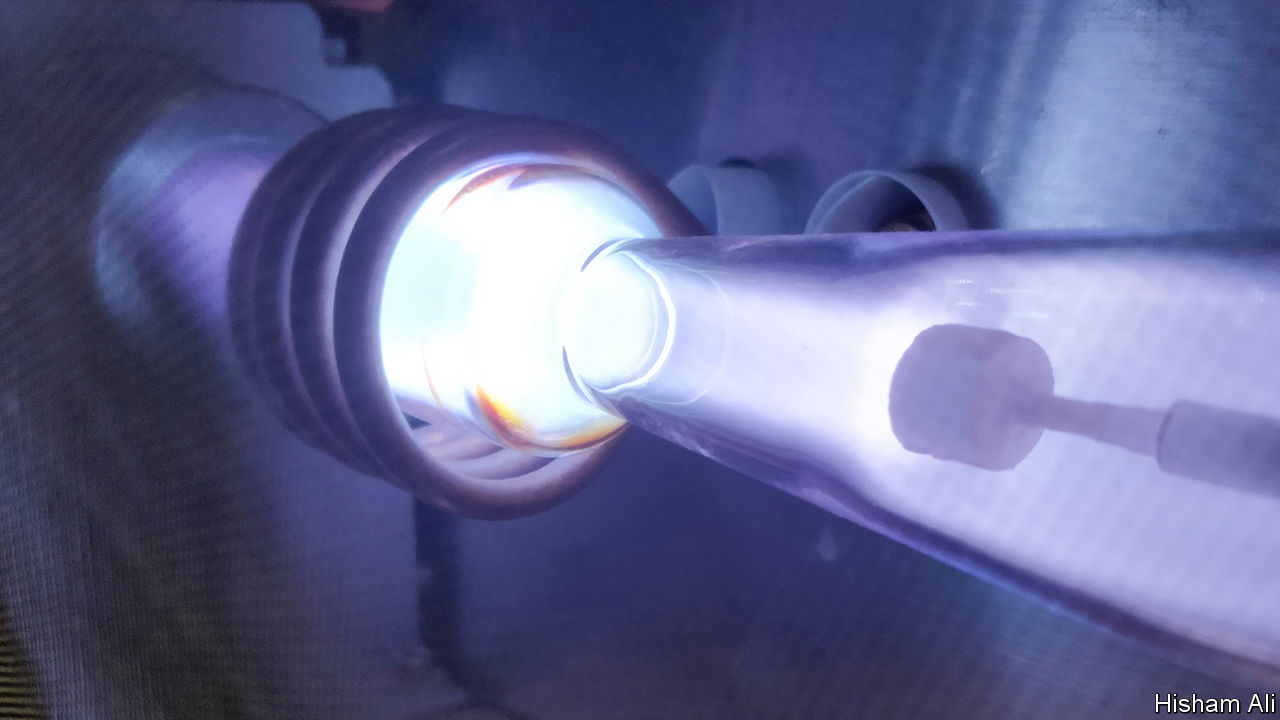
Researchers are exploring the challenges of steering hypersonic planes, which travel at more than five times the speed of sound, through plasma using magnetohydrodynamics to manipulate the flow pattern of electrically charged particles. Conventional control surfaces are not viable due to the forces and heat involved, prompting the need for a different approach. Dr. Hisham Ali and his team are building a plasma wind tunnel to test these ideas, with potential applications in spacecraft deceleration and military missile guidance. The feasibility of hypersonic passenger flight remains uncertain, but the research represents a step towards this possibility.
Experts believe that Russia has fired a Zircon hypersonic cruise missile for the first time in Ukraine, with evidence found from a recent attack. The missile, part of Russia's hypersonic program, can reach speeds of up to 6,000 mph and is touted as "invincible" by Russian President Vladimir Putin. However, analysis by researchers at the Kyiv Scientific Research Institute of Forensic Expertise suggests that the missile may not meet the tactical and technical characteristics claimed by Russia.
The British Defense Ministry has stated that Russia's hypersonic Kinzhal missile has performed poorly during Moscow's war in Ukraine. This comes after the Kremlin announced new Black Sea patrols with jets carrying the "next generation" weapon. The Kinzhal missile, also known as the "Dagger," has been touted by Russia as hypersonic and unstoppable, but Western experts argue that it may not be as invulnerable to air defenses as claimed. The U.K. government emphasized that the Kinzhal remains in operational testing and needs significant improvement to achieve its potential. The announcement of the missile's inclusion in the patrols is seen as strategic messaging to demonstrate Russia's ability to produce and operate newly developed weapons despite the ongoing conflict in Ukraine.
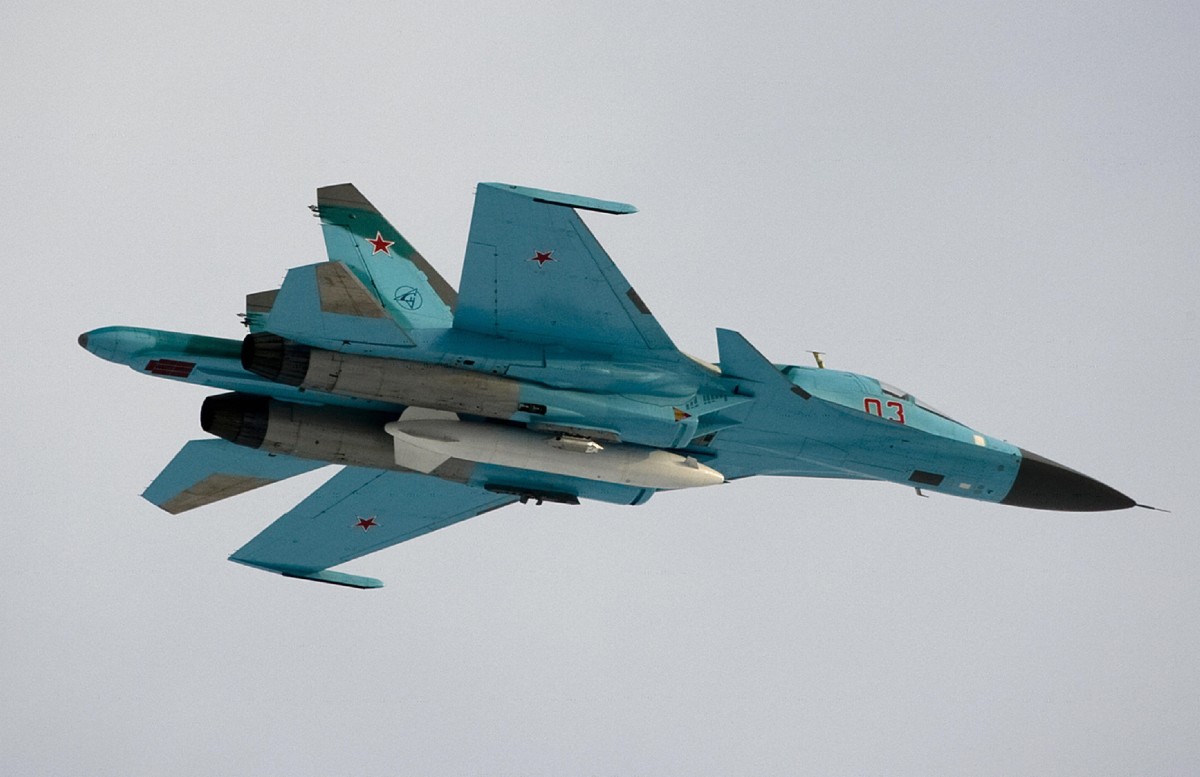
Russian state media reports that a Su-34 fighter-bomber has fired a Kinzhal hypersonic missile at Ukraine, marking the first use of this missile from this type of aircraft. The Kinzhal missile, also known as the "Dagger," has been a regular feature of Russian missile strikes on Ukraine since the start of the invasion. The use of the Su-34 as a missile launcher could free up other aircraft, such as the MiG-31, to act as interceptors. However, Western experts question the true hypersonic capabilities of the Kinzhal and suggest it may not be as invulnerable to air defenses as claimed. Ukraine claims to have successfully shot down several Kinzhal missiles in recent months.
The arrest of three Russian scientists, including hypersonic researchers, on suspicion of treason has been criticized by members of the Institute of Theoretical and Applied Mechanics (ITAM), who warn that the move has created a chilling effect in the community. The scientists' colleagues have appealed to Russian authorities to "protect Russian aerodynamic science," and warned that staffers now fear being accused of treason for doing their job. The materials of all three criminal cases are closed from the public, but the scientists' colleagues say the acts for which they are accused are considered essential all over the world, including in Russia.
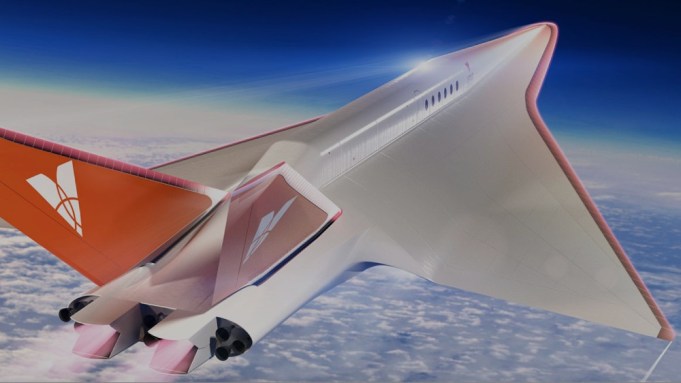
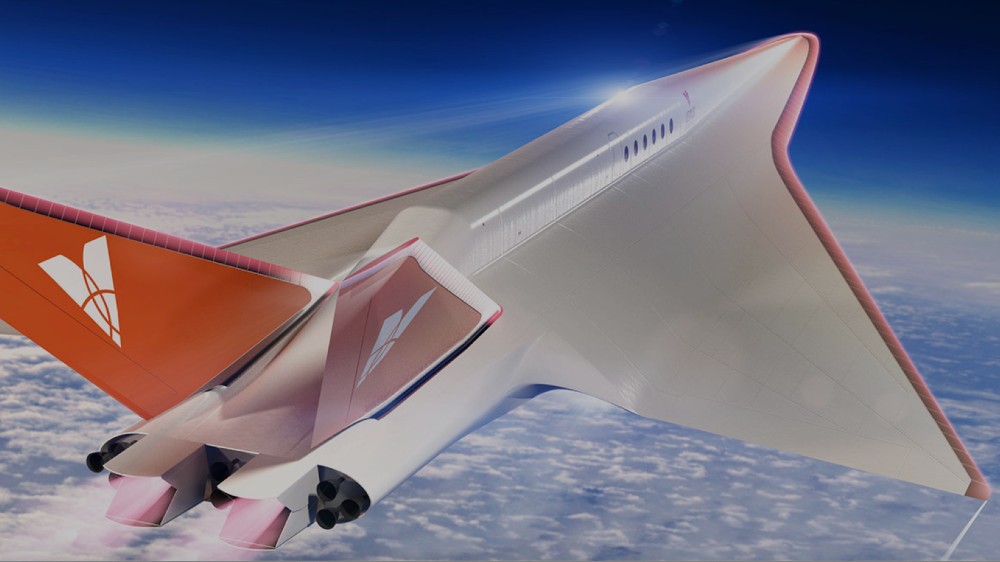
Venus Aerospace is developing a hypersonic aircraft called Stargazer that can carry about a dozen passengers and travel at Mach 9, or 6,905 mph, at an altitude of 170,000 feet. The aircraft will use a rotating-detonation engine that burns 20% less fuel than a conventional engine. The company recently successfully tested a prototype at its Spaceport Houston headquarters. Stargazer will take off with conventional jet engines and transition to rockets once it reaches altitude. The company will begin hypersonic flight testing with a 20-foot drone that it hopes will reach Mach 5 before building the Stargazer prototype. Other firms, including Sierra Space and Hermeus, are also pursuing hypersonic aircraft concepts.
Venus Aerospace is developing a hypersonic aircraft called Stargazer that can carry about a dozen passengers and travel at Mach 9, or 6,905 mph, at an altitude of 170,000 feet. The aircraft will use a rotating-detonation engine that burns 20% less fuel than a conventional engine and has been successfully tested using a room-temperature storable propellant. The Stargazer will take off with conventional jet engines and transition to rockets once it reaches altitude. The company hopes to begin hypersonic flight testing with a 20-foot drone that will reach Mach 5 before building the Stargazer prototype. Other firms, including Sierra Space and Hermeus, are also pursuing hypersonic aircraft concepts.