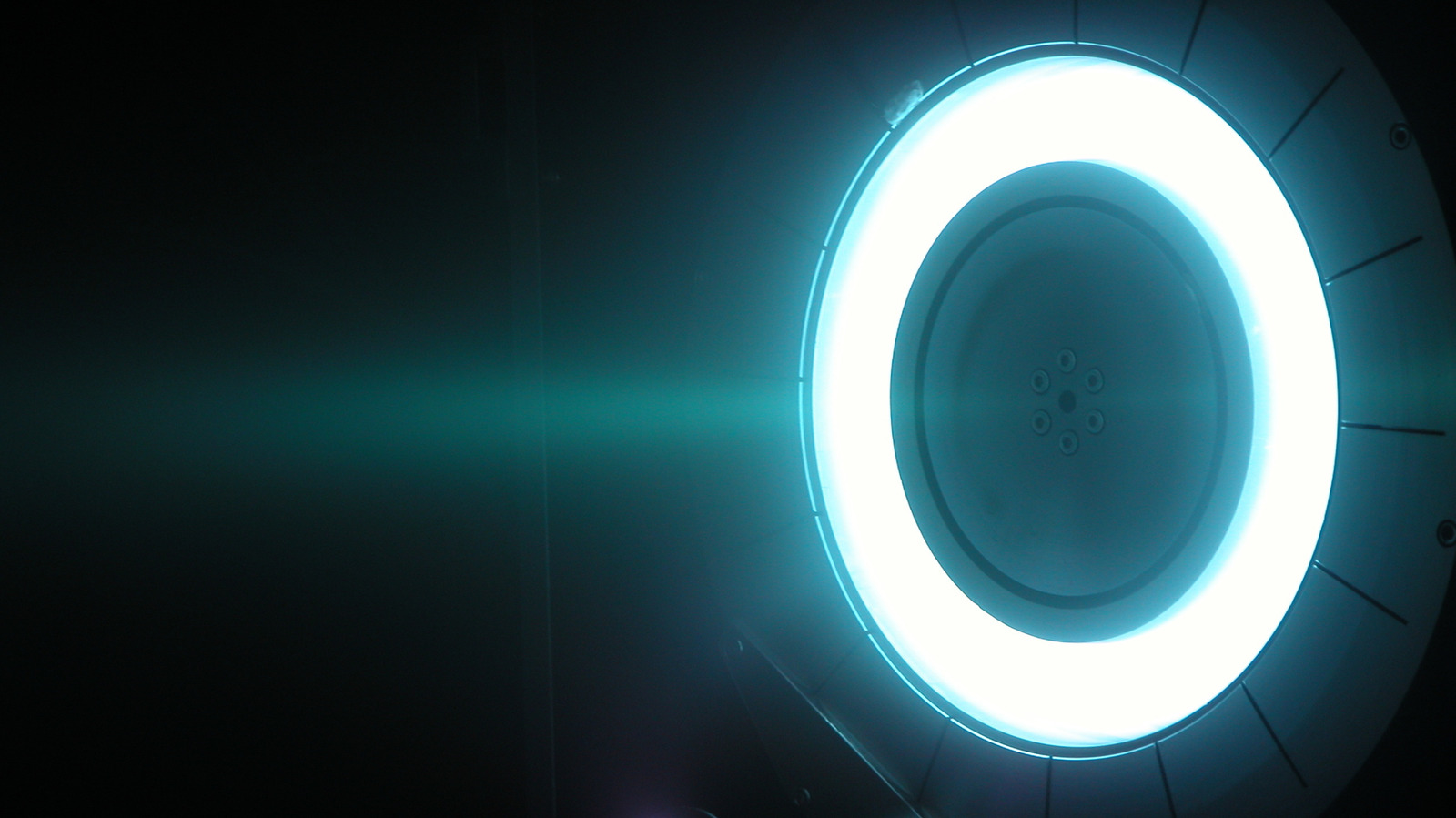
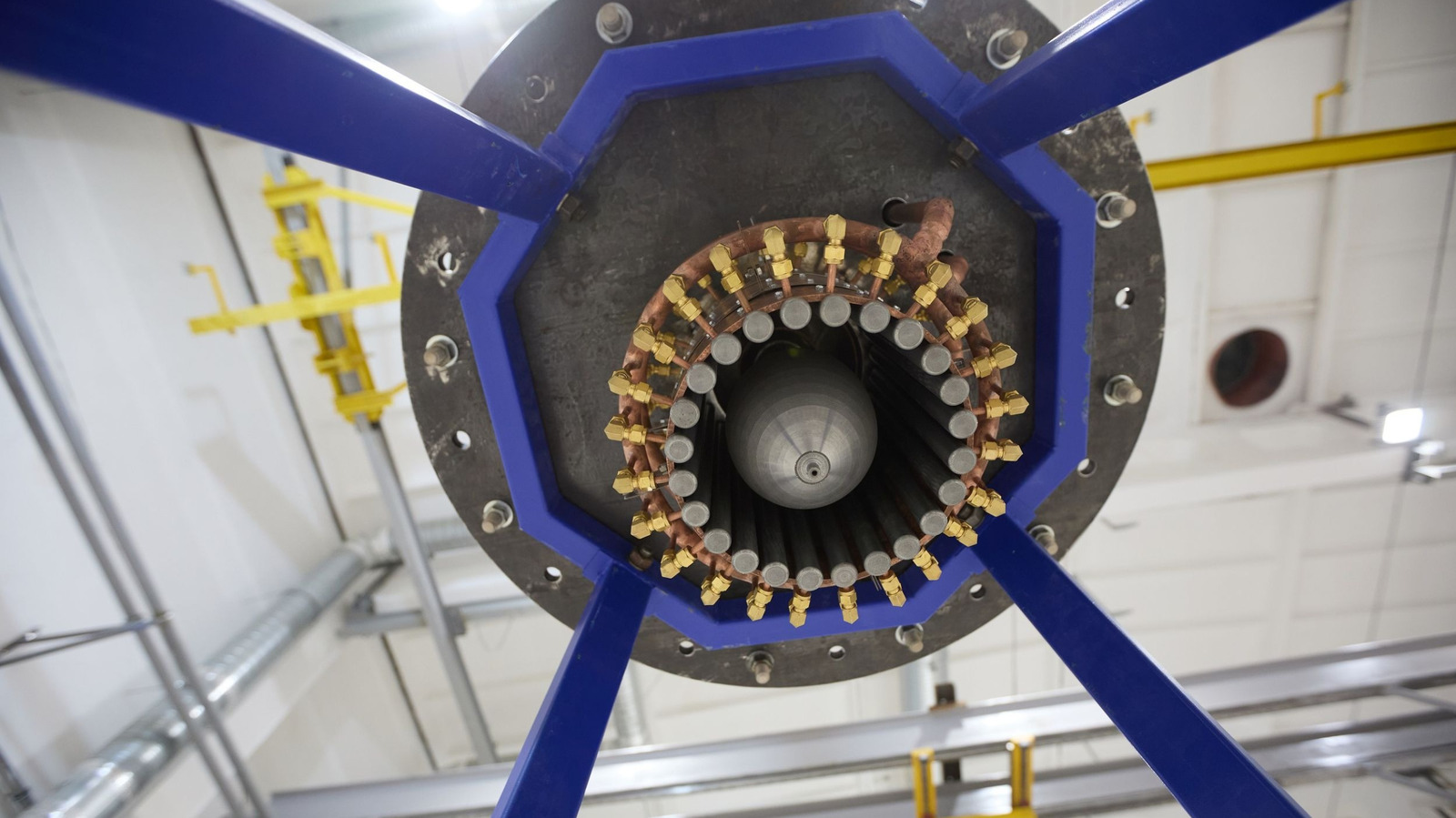
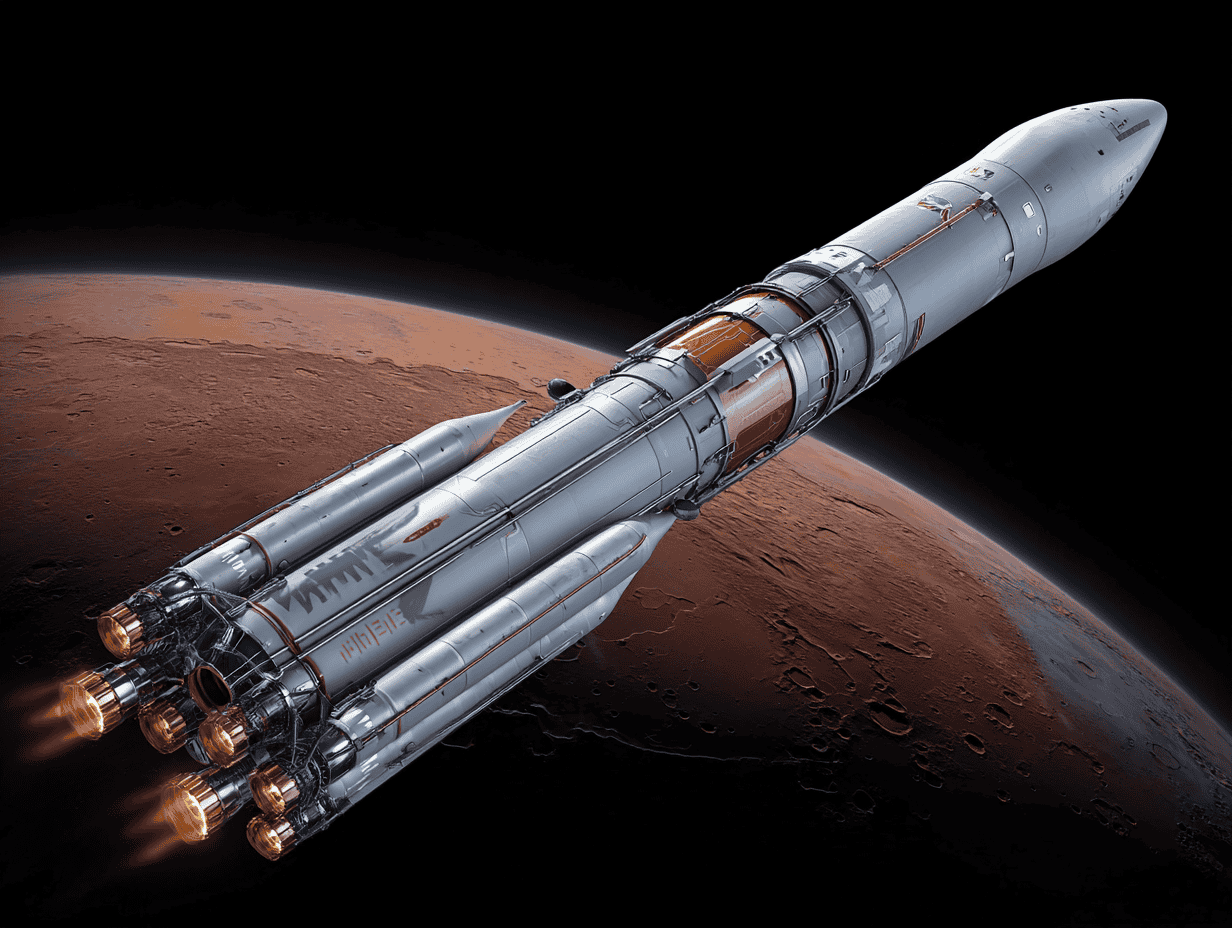
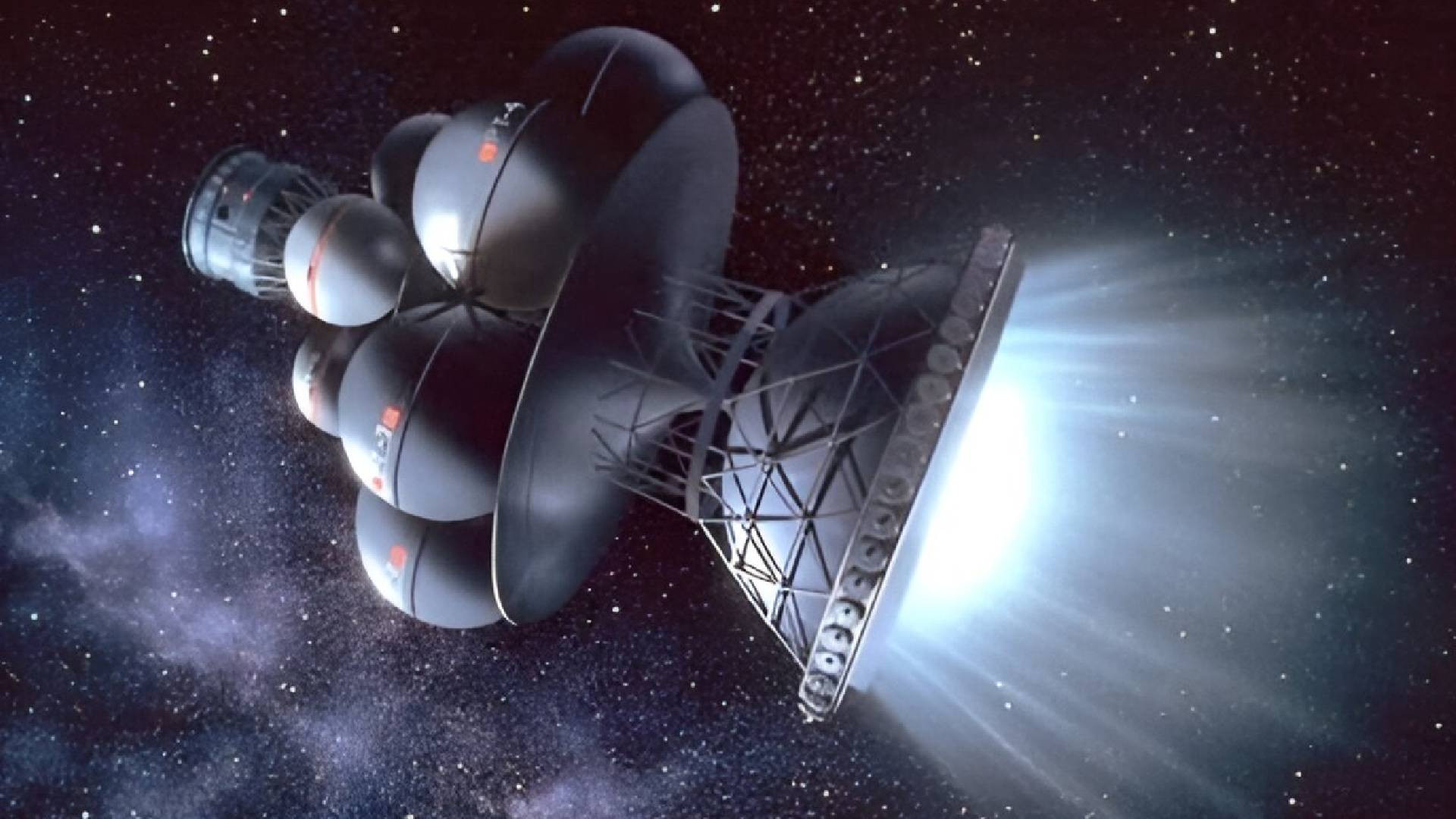
A new engine technology has been developed that could potentially enable travel to Mars in just 30 days, representing a significant breakthrough in space propulsion and interplanetary travel capabilities.
Engineers at Ohio State University and the University of Alabama are developing a centrifugal nuclear thermal rocket using molten uranium, which could potentially halve the travel time to Mars from nearly two years to about 420 days, though significant engineering challenges remain.
A recent small update for Starfield on Xbox and PC hints at potential new features like interplanetary travel, possibly related to future expansions and a PS5 release, sparking speculation among fans.
Magnetic Fusion Plasma Drives (MFPDs), also known as fusion propulsion systems, are being developed for potential future space exploration and interplanetary travel. These systems, based on nuclear fusion, promise higher energy densities and efficiency than conventional rockets, making them ideal for expeditions to distant planets or even intergalactic travel.
Scientists have proposed merging miniature satellite units with solar sails to create a fast, inexpensive, and lightweight mode of travel for interplanetary missions. Solar sails obtain thrust by using highly reflective, lightweight materials that reflect sunlight to propel a spacecraft while in space. The Sundiver Concept, as the researchers refer to it, combines solar sails and miniaturization to enable affordable missions to reach farther and faster into the outer regions of our solar system, with great promise for heliophysics, planetary science, and astrophysics.
A team of scientists led by Slava Turyshev of the Jet Propulsion Laboratory at the California Institute of Technology has proposed merging miniature satellite units with a solar energy process to create a fast, inexpensive, lightweight mode of travel for space exploration. The researchers refer to the merging of these two technologies as the Sundiver Concept. With enhanced maneuverability, the spacecraft can easily deliver small payloads to multiple destinations if required, and can dock with related modular craft. The reliance on the sun and the miniaturization of the carrier, which requires no dedicated launch site, will prove to be significant cost savers.
SpaceX is preparing to test its mammoth rocket, Starship, which could one day carry humans to the moon, Mars, and beyond. The rocket is made of stainless steel and uses methane as fuel. Starship could be used to launch large numbers of the company's internet-providing "Starlink" satellites. The first test flight is set to take place on April 17, and the launch is considered extremely risky. If successful, Starship could become a workhorse for getting things into space and a critical step towards becoming a multiplanetary species.