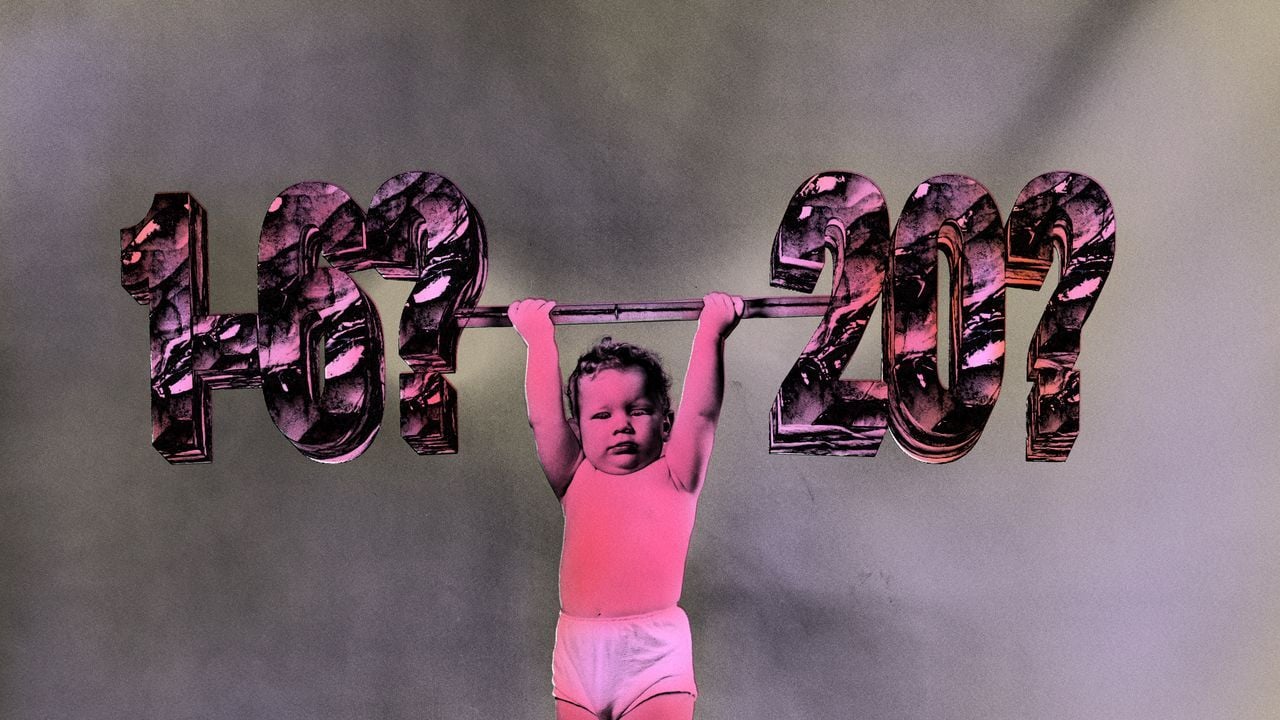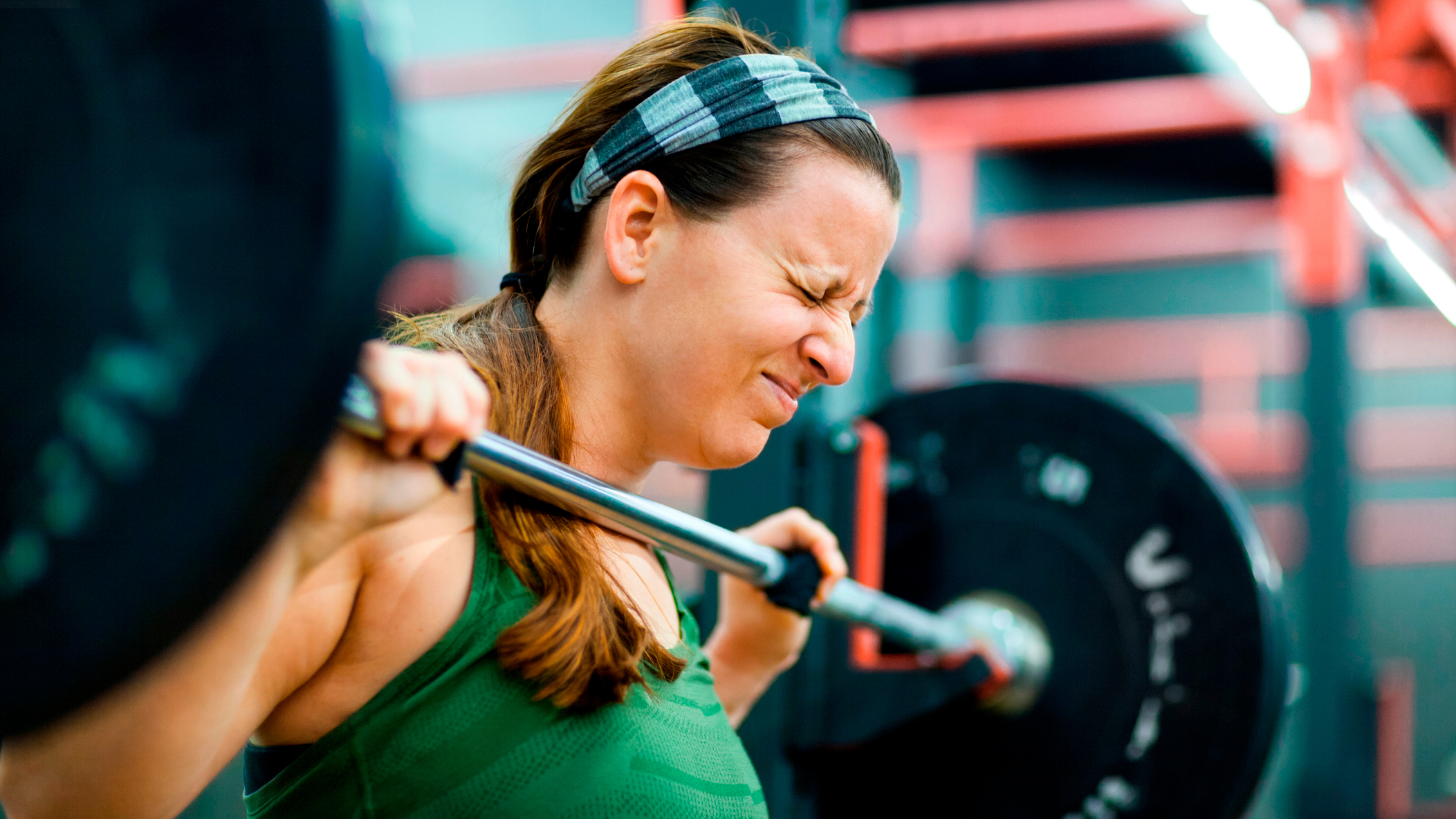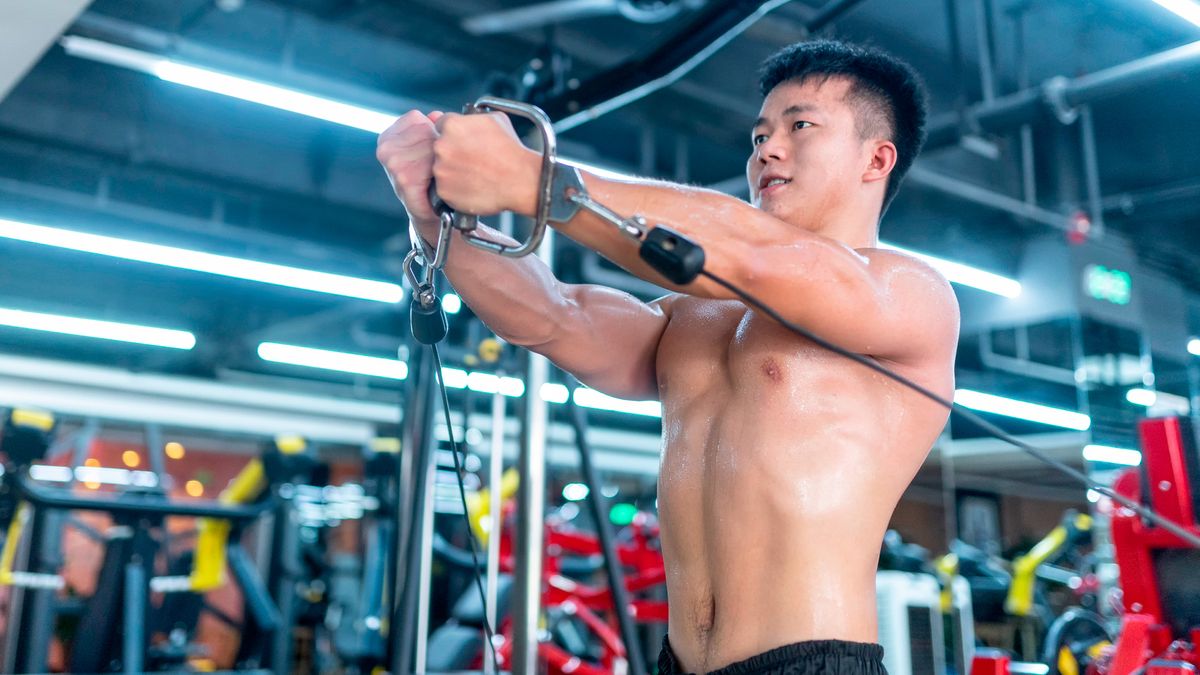
Research shows that lifting lighter weights to near failure can produce similar muscle growth as lifting heavier weights, emphasizing the importance of proximity to failure over the weight itself. The traditional focus on specific rep ranges for strength or hypertrophy is being reconsidered, with progressive overload—whether through more reps or increased difficulty—being key to gains. Avoiding 'junk volume' and pushing close to failure are crucial for effective training.
Research shows that lifting light or heavy weights can build muscle effectively as long as you lift close to failure, with only 2 sessions of resistance training per week needed for gains. The key is to push muscles to near exhaustion, using proper technique and progressive overload, regardless of weight size.
Contrary to popular belief, training harder doesn't necessarily lead to better fitness. Experts recommend starting with manageable workouts, gradually increasing intensity through progressive overload, allowing recovery time, and varying routines every few weeks to avoid plateaus and maintain motivation.
Fitness trainer Britany Williams has designed a 6-move dumbbell workout that targets core strength and full-body muscle building by incorporating compound exercises. The routine emphasizes functional movement patterns and core engagement, promoting overall strength and everyday functionality. By progressively increasing the workout's intensity, duration, or frequency, individuals can achieve improved performance and fitness through the concept of progressive overload.
Check out these 5 forgotten upper chest exercises to force muscle growth without the bench press, including clavicular dumbbell raises, barbell incline, dumbbell incline, dumbbell floor pullover and squeeze press superset, and standing squeeze press or landmine press. These exercises target the upper chest muscle fibers and can help create a more defined and aesthetically pleasing chest. It's important to incorporate a variety of exercises into your chest workout routine to ensure that you're targeting all the muscles in your chest, as well as other muscles in your upper body.
The duration of your workout should be determined by the amount of work you can accomplish, rather than a set period of time. Increasing the volume of your workouts, measured by the total amount of weight lifted across all sets and reps, is key for strength and size gains. Beginners can achieve results with as little as 15 minutes of exercise, while more advanced individuals will need to accumulate more high-quality volume over time. Rest periods between sets should be adjusted based on the quality of work you can do in the next set. Longer rest periods are beneficial for strength training, while shorter rest periods can be used for interval workouts. Strategies for shorter strength workouts include supersetting opposing exercises, prioritizing compound exercises, doing sets with slightly fewer reps, and incorporating aerobic training to improve recovery.
To determine if your workout is effective, pay attention to immediate "green flags" such as feeling energized and challenged without burning out. The effectiveness of a workout depends on your goals, whether it's strength, weight loss, or overall health. Hiring a personal trainer can help create a personalized plan. A good workout should leave you feeling accomplished and positive, not miserable or at risk of injury. Progressive overload, where you challenge your muscles over time, is key to seeing results. Stick to your workouts long-term for significant progress. Sweating and soreness are not necessary indicators of a good workout.
This article provides three essential strategies for achieving substantial chest muscle growth and overcoming plateaus. It emphasizes the importance of understanding chest muscle anatomy, proper muscle activation, and implementing progressive overload. The article also highlights the significance of exercise variation, nutrition, recovery, and rest in optimizing chest muscle growth. Additionally, it explores the concept of periodization and how to create a periodized plan tailored to individual goals.
Fitness trainer Jeremy Ethier provides 5 science-based methods to force muscle growth. These methods include applying progressive overload through increasing load, reps, sets, tempo, and improving form. Ethier emphasizes the importance of understanding when and how to use each method effectively to maximize muscle growth.
The three biggest priorities for successful muscle growth, according to Dr. Mike Israetel, are training quality, training structure, and training quantity. Training quality involves correct technique and the ability to push muscles close to failure. Training structure includes the order of exercises within muscle groups, the order of muscle groups within a session, and the number and placement of sessions within the week. Training quantity refers to the weight, reps, and sets per muscle group, per workout, and per week. Progressive overload and proper form are also important factors to consider when training for muscle growth.
Trainer Christian Poulos shared his top four chest exercises for building muscle, including the incline bench press, which engages the upper chest. He recommends using dumbbells for a greater range of motion and increasing the weight over time using the principle of progressive overload. It's important to move through a full range of motion to fully engage the chest muscles. Other chest workout plans are also available for gym-goers and those working out at home.
Hypertrophy and strength training affect muscles differently, but they can work together. Hypertrophy training builds muscle mass, while strength training alters the power output of muscles. Hypertrophy is better for building muscle, but strength training can inform and bolster hypertrophy training. To build muscle, aim to lift between 65-85% of your 1RM during hypertrophy programs and lift toward failure. Adding high-intensity exercise with weight training could keep you burning calories after sessions.