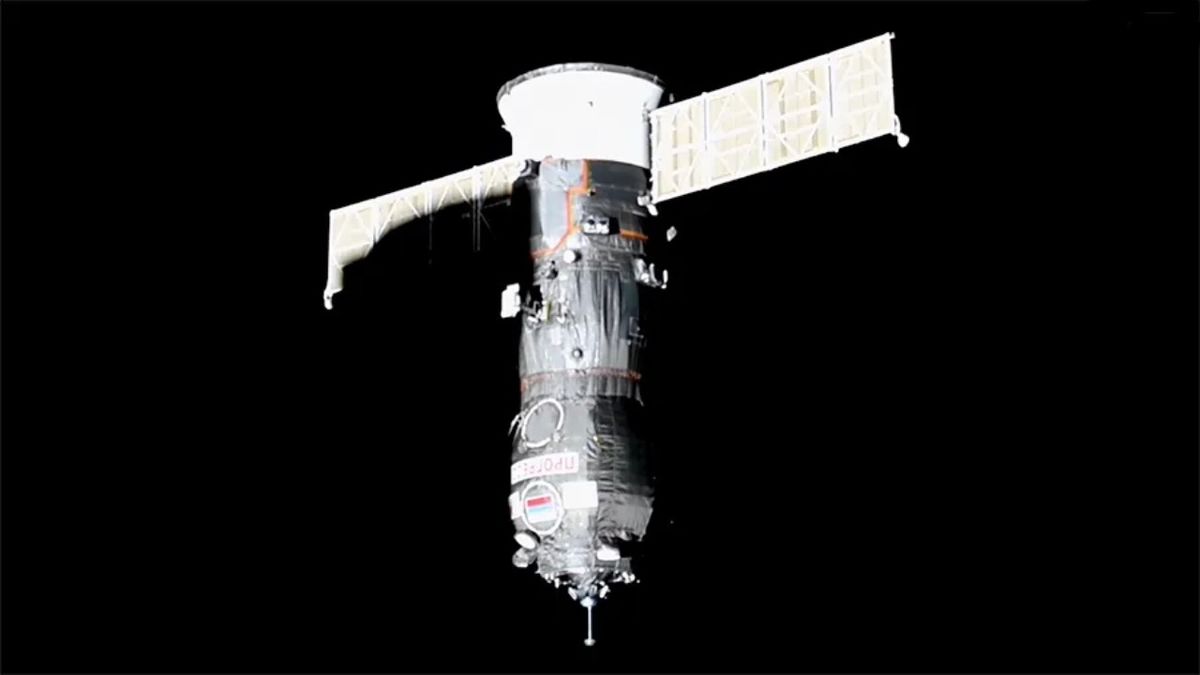
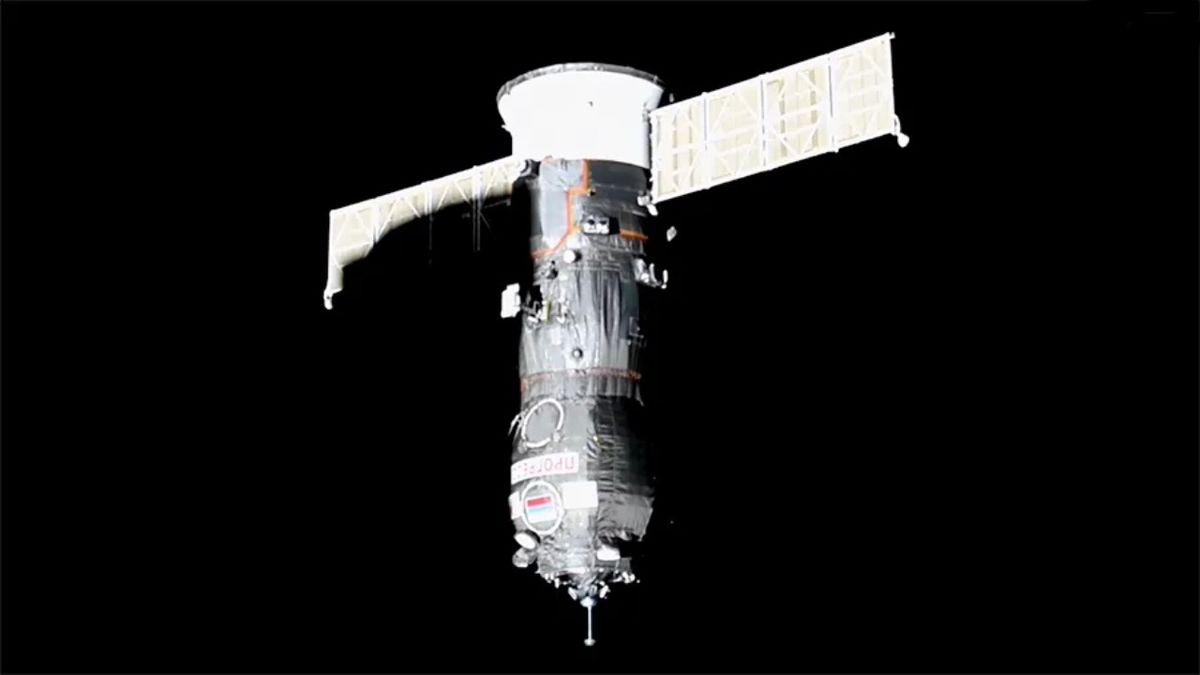
A Russian Progress spacecraft's cargo delivery to the International Space Station was delayed due to a strange odor detected by astronauts. The smell, which NASA suggests was likely outgassing from materials inside the spacecraft, dissipated quickly, allowing cargo transfer operations to proceed as planned. The incident posed no danger to the ISS or its crew, and air quality remained normal. The Progress spacecraft will remain docked for several months before being filled with trash and burned up in Earth's atmosphere.
A Russian Progress cargo spacecraft docked at the International Space Station experienced an 'unexpected odor' upon hatch opening, prompting astronauts to temporarily close it. The odor, accompanied by small droplets, led to precautionary measures, but NASA confirmed the ISS air quality remains normal. The incident follows previous issues with Russian spacecraft, though no immediate link is established. The Progress spacecraft will remain docked for several months before departing with waste.
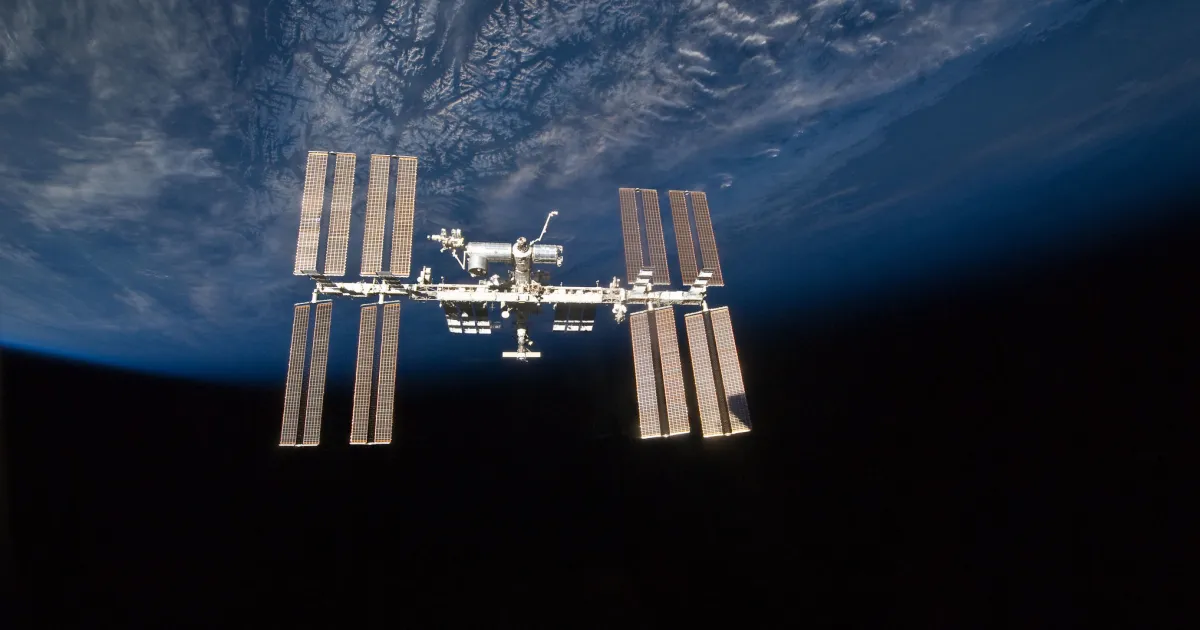
The International Space Station (ISS) performed an avoidance maneuver on November 19 to steer clear of space debris from a defunct satellite. The maneuver involved firing the thrusters of the docked Progress 89 spacecraft to adjust the ISS's orbit, ensuring a safe distance from the debris, which could have come within 2.5 miles of the station. This Pre-determined Debris Avoidance Maneuver (PDAM) did not disrupt ISS activities or affect the upcoming launch of the Progress 90 cargo craft. The growing issue of space debris is prompting efforts to improve tracking and develop debris-clearing systems.