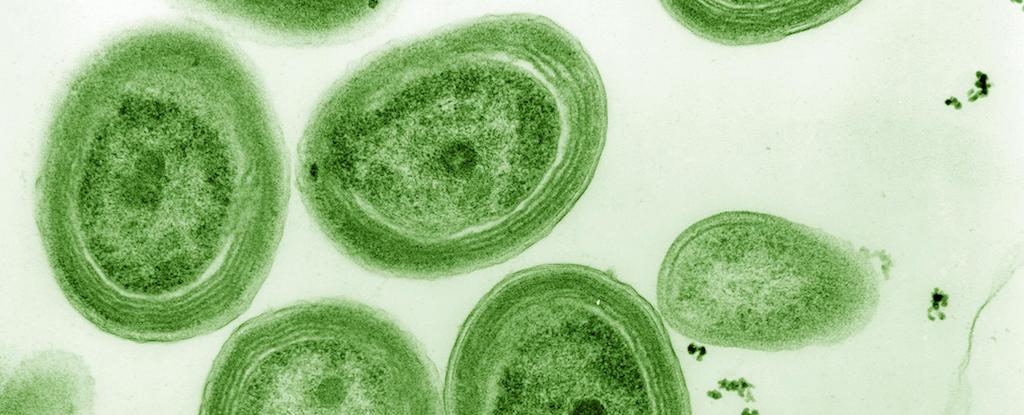
A new study warns that rising ocean temperatures threaten Prochlorococcus, Earth's most abundant photosynthetic microbe, which produces nearly a third of the planet's oxygen. The microbe's optimal temperature range is 19-28°C, and temperatures above 30°C significantly reduce its growth, potentially leading to a decline in its population and impacting global oxygen levels and marine food webs. The study highlights the importance of understanding microbial responses to climate change and the potential shift in oceanic ecosystems.
Future ocean warming is predicted to cause a significant decline in Prochlorococcus biomass and productivity beyond a temperature threshold of approximately 28°C, which could lead to cascading effects on marine food webs and carbon cycling, despite some potential for adaptation.
MIT scientists propose that ancestors of Prochlorococcus, the most abundant phytoplankton in the oceans today, acquired the ability to latch onto chitin particles and use them as rafts to venture further out to sea. These chitin rafts may have also provided essential nutrients, fueling and sustaining the microbes along their journey. This allowed them to establish a foothold in an entirely new and massive part of the planet’s biosphere, in a way that changed the Earth forever. The researchers present their new “chitin raft” hypothesis, along with experiments and genetic analyses supporting the idea, in a study appearing this week in PNAS.