Pakistan successfully sold a 75% stake in its debt-laden national airline, Pakistan International Airlines, to a consortium led by Arif Habib Limited for $482 million, marking a significant step in the government's privatisation efforts amid economic reforms and debt management.
The article discusses the increasing trend of privatization in space exploration, focusing on the commercialization and economic opportunities within the solar system, and the implications for future exploration and development.
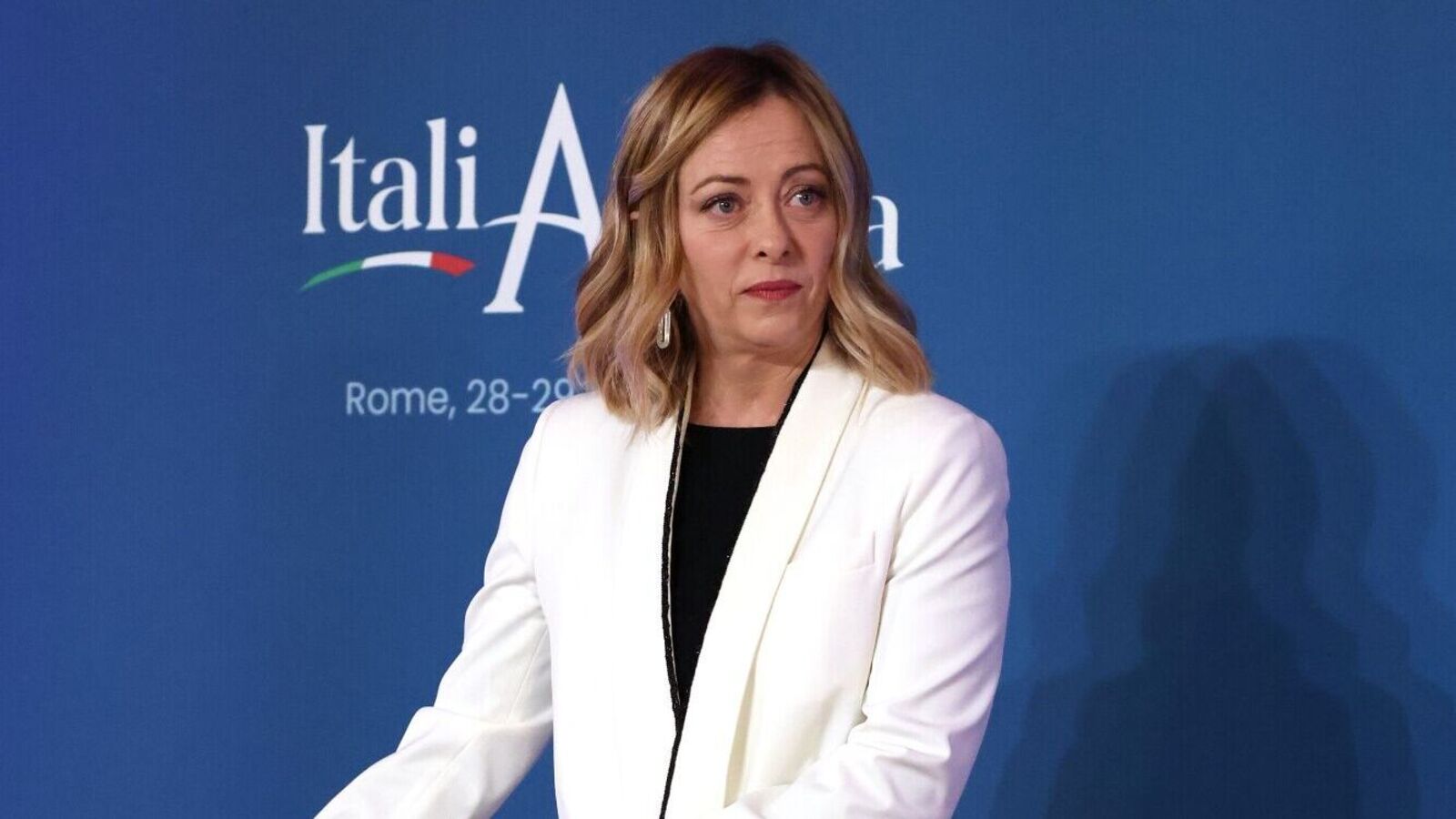
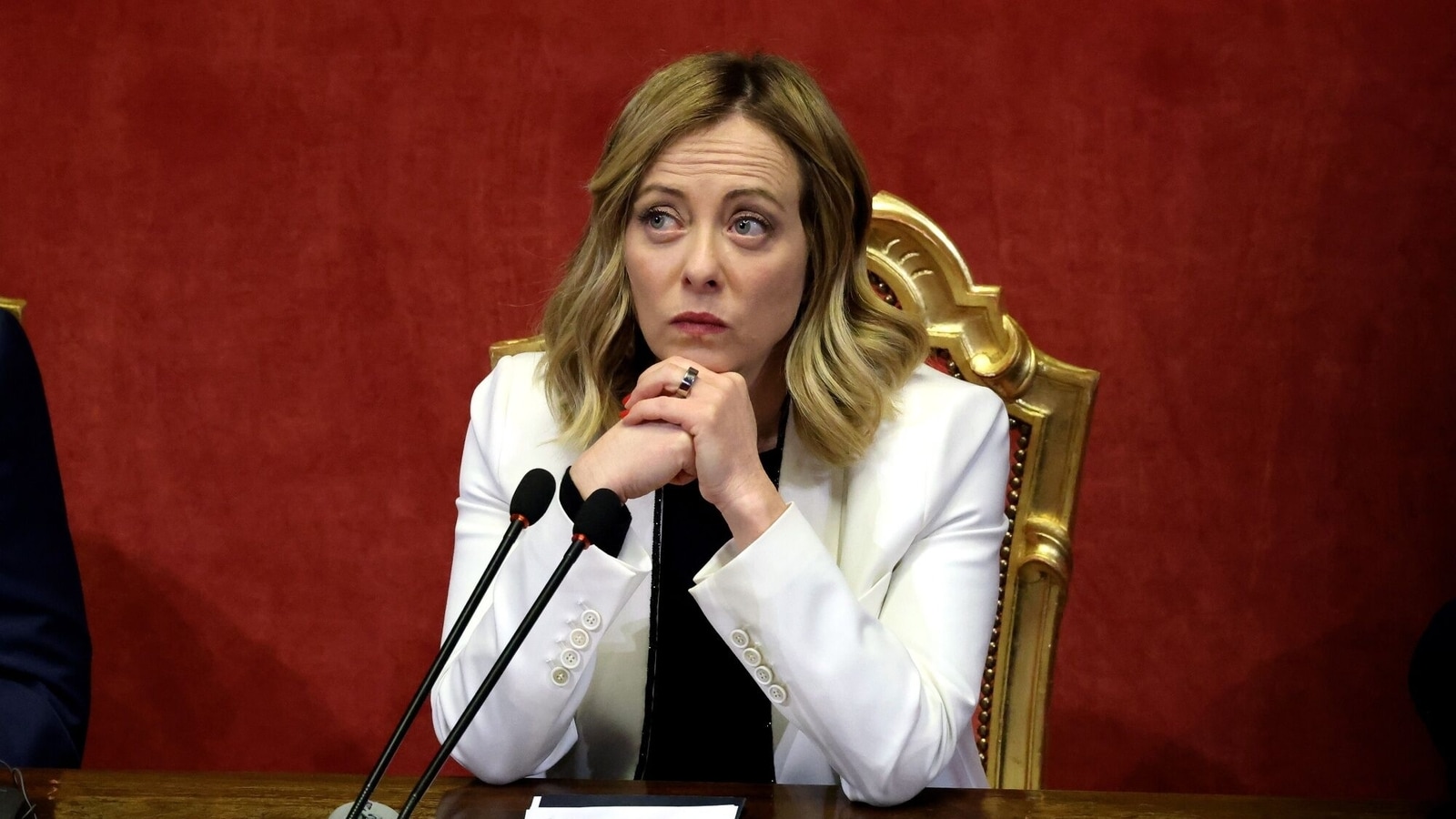
Italy's hard-right government, led by Prime Minister Giorgia Meloni, plans to raise €20 billion by 2026 through the sale of stakes in Poste Italiane, Ferrovie dello Stato, and Eni, as part of efforts to tackle the country's massive public debt. This move marks a significant shift from Meloni's previous stance on keeping Poste Italiane in state hands, drawing criticism from the opposition. The government has already initiated the partial privatisation campaign by selling a quarter stake in Monte dei Paschi di Siena and is also under investigation by the European Commission for the sale of a stake in ITA Airways to Lufthansa.
Italy's Prime Minister Giorgia Meloni's government plans to sell a stake in the country's postal service, Poste Italiane, in an effort to generate 20 billion euros by 2026 to tackle the nation's massive public debt, which exceeds 2.8 trillion euros. Analysts doubt that this sale will significantly reduce the debt, and opposition parties have criticized the move, arguing that the homeland should not be sold. Meloni's government also aims to reduce the debt-to-GDP ratio through asset sales, but experts believe that these partial privatizations are not a structural remedy and will not alter the big picture of Italy's debt situation.
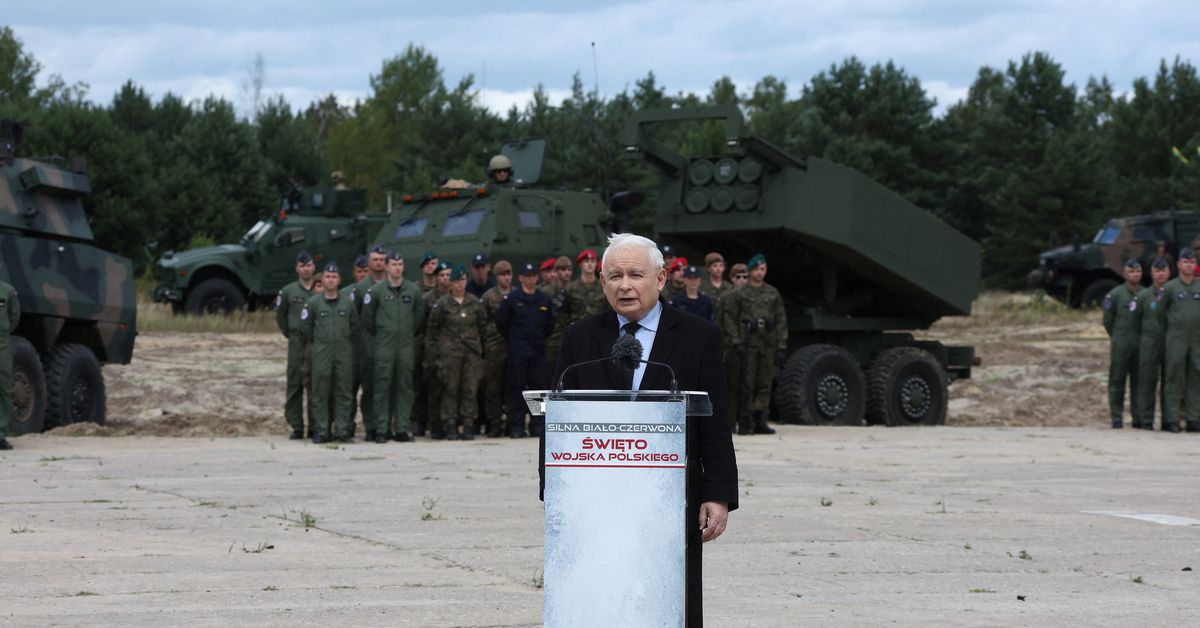
Poland's ruling party, Law and Justice (PiS), has announced that a referendum will be held alongside the upcoming parliamentary elections, asking voters whether they support the privatization of state-owned enterprises. Initially, PiS had planned to hold a referendum on a European Union migration deal, but the focus has shifted to privatization. The opposition party, Civic Platform (PO), denies accusations of subservience to foreign interests and criticizes the government for nepotism and cronyism in state-owned firms. The referendum is seen as an attempt by PiS to mobilize its core electorate ahead of the crucial October elections.
Thames Water, the UK's largest water company, is facing a financial crisis due to its heavy debt burden, which currently stands at £14bn. The company's debt was largely accumulated during its ownership by Australian infrastructure bank Macquarie, which critics argue took billions of pounds out of the company in loans and dividends. Thames Water's debt amounts to 80% of the value of the business, making it the most heavily indebted water company in England and Wales. The water industry as a whole is facing similar issues, with overseas owners loading companies with debt and paying themselves dividends at the expense of investment. Additionally, the interest payments on water companies' debt are linked to the retail prices index (RPI) measure of inflation, which has been higher than the consumer prices index (CPI) measure of inflation, further exacerbating their financial challenges.
The head of Russia's federal crime agency, Alexander Bastrykin, has suggested that key sectors of the economy should be returned to state ownership to support Moscow's war in Ukraine. Bastrykin said that "economic security in a war" was necessary and proposed nationalising the main sectors of the economy. Russia conducted wide-ranging privatisations in the 1990s, but some of the state's most valuable assets ended up in the hands of oligarchs.