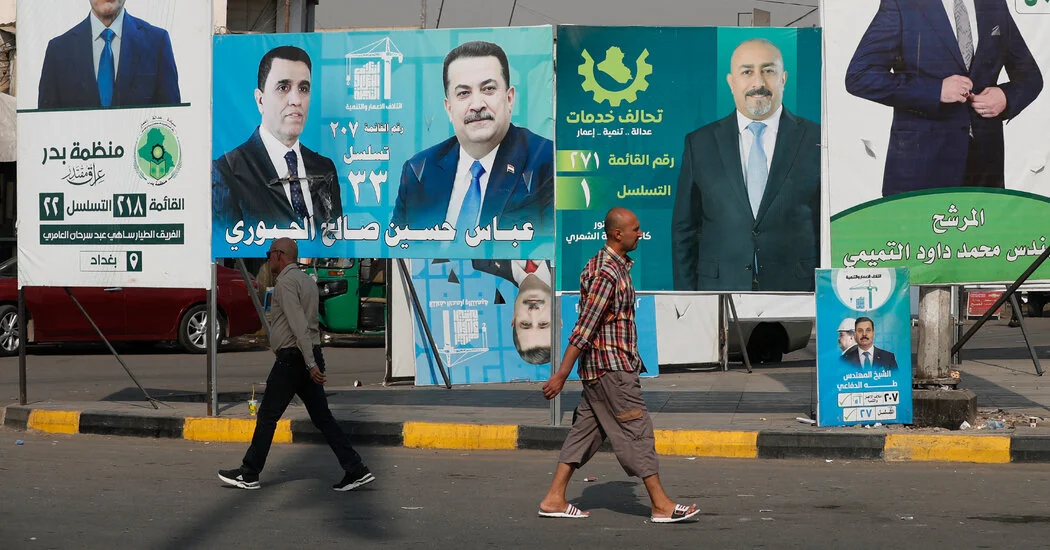
Iraq is holding parliamentary elections amid efforts by the U.S. to reduce Iran's influence, following years of conflict and violence, with the country experiencing relative stability and peace in the region.
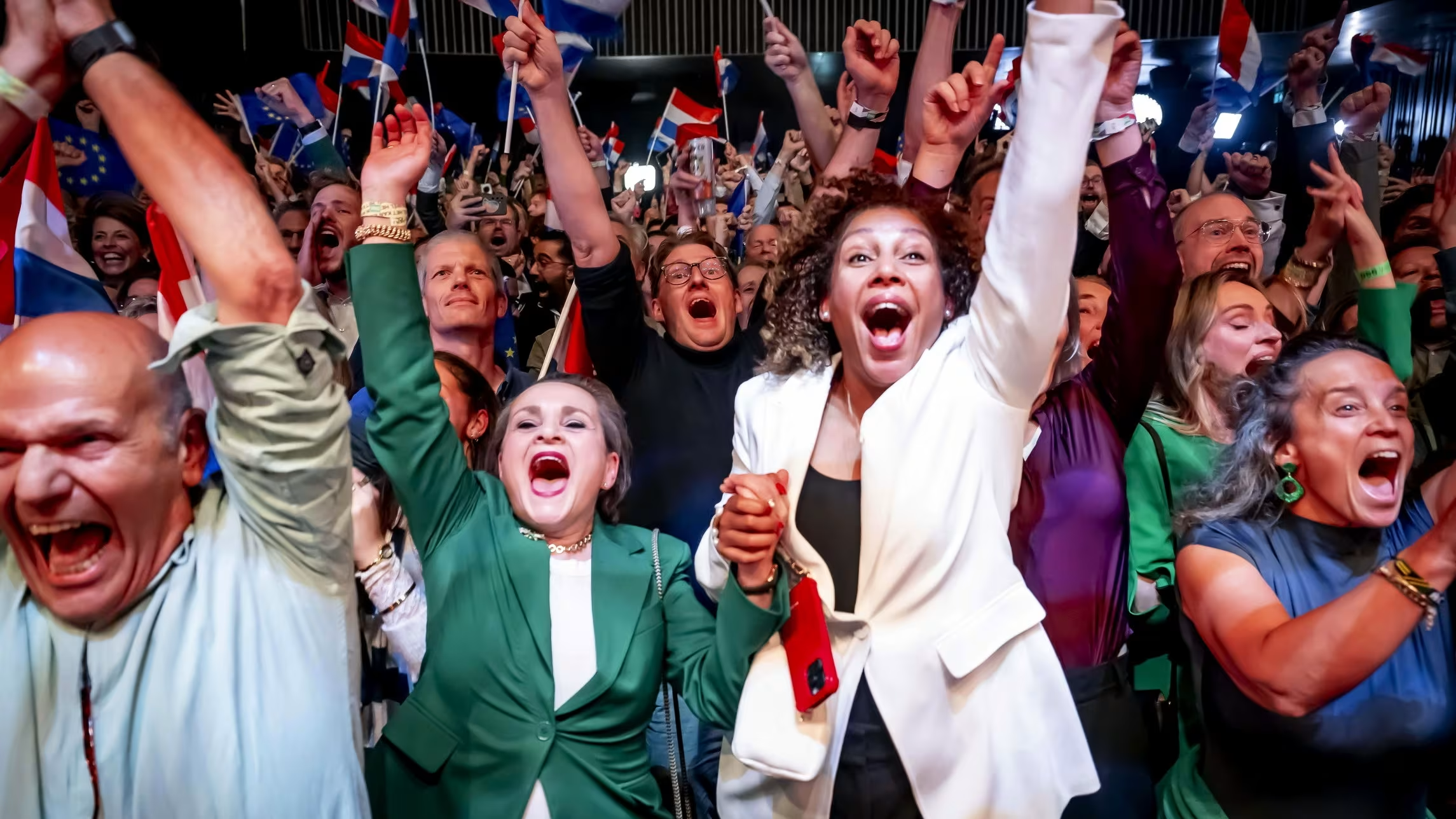
An exit poll suggests that the Liberal D66 party is set to win the Dutch parliamentary elections, indicating a potential shift in the country's political landscape.
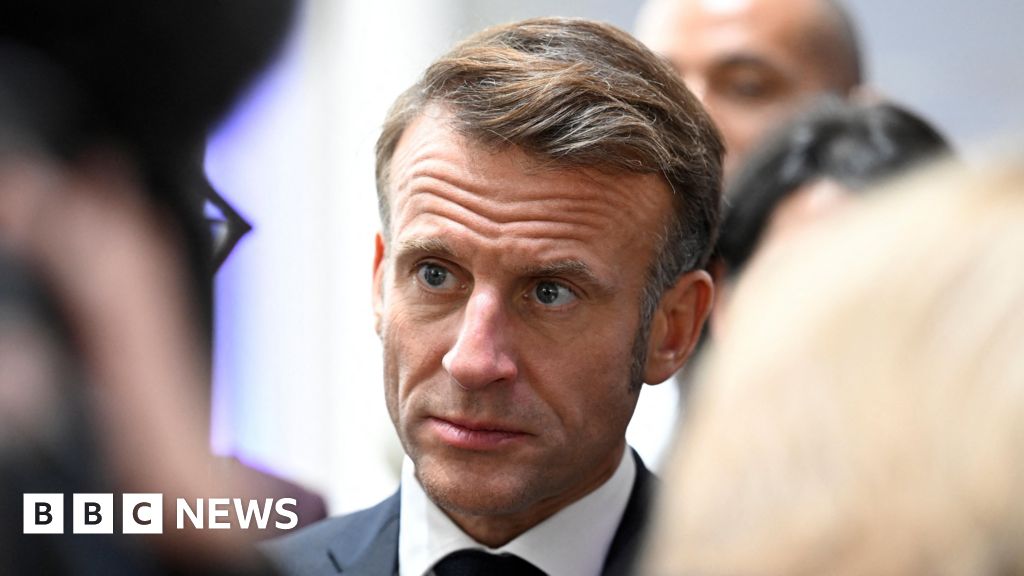
Emmanuel Macron's presidency faces a severe crisis with multiple prime minister resignations, a hung parliament, and rising calls for him to step down amid France's economic struggles and political divisions, raising the possibility of snap elections and further instability.
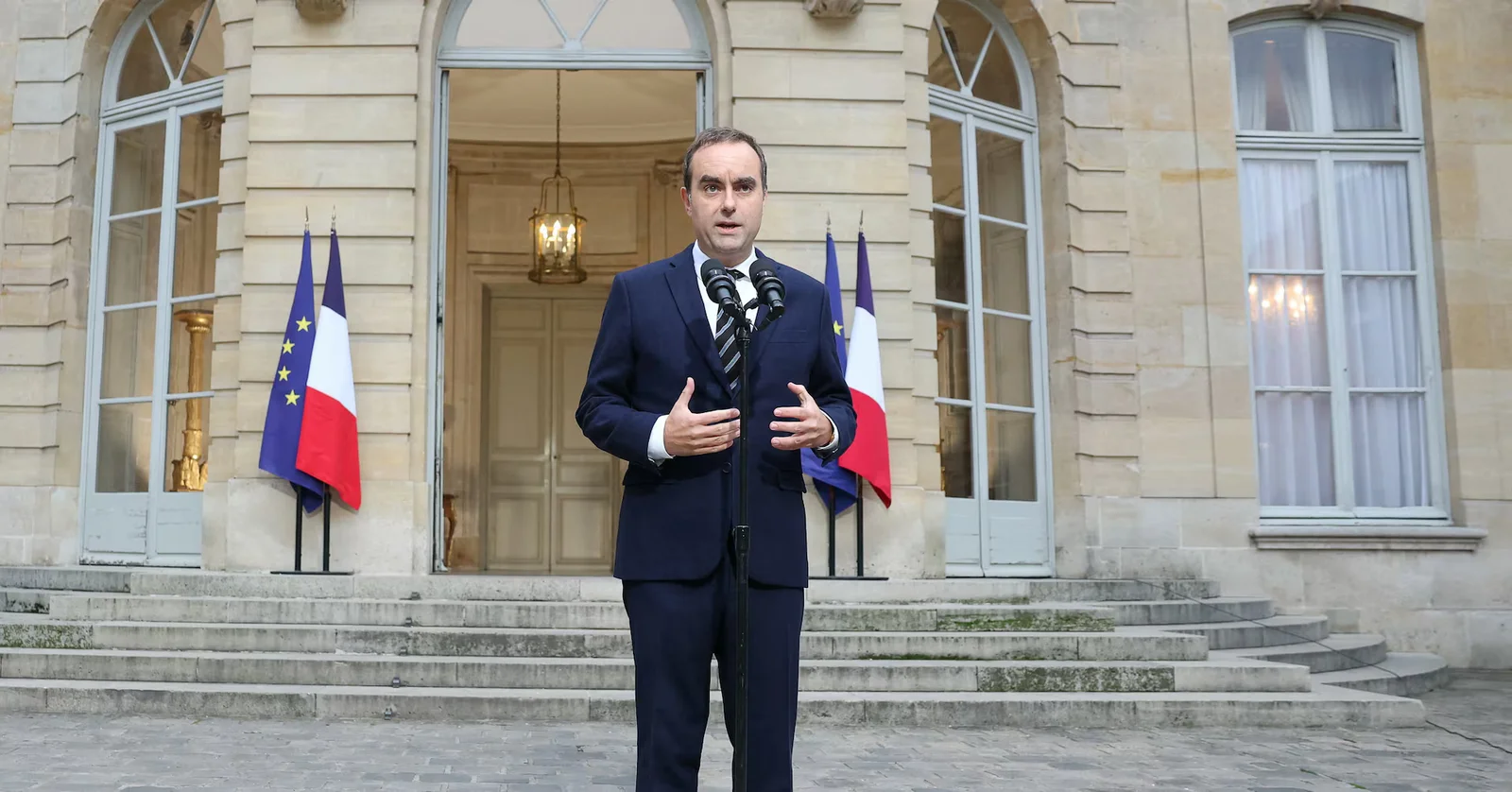
French Prime Minister Sebastien Lecornu resigned just 27 days after taking office, marking the shortest tenure in modern French history and deepening the country's political crisis amid fragmentation and opposition calls for snap elections, causing stock and euro declines.
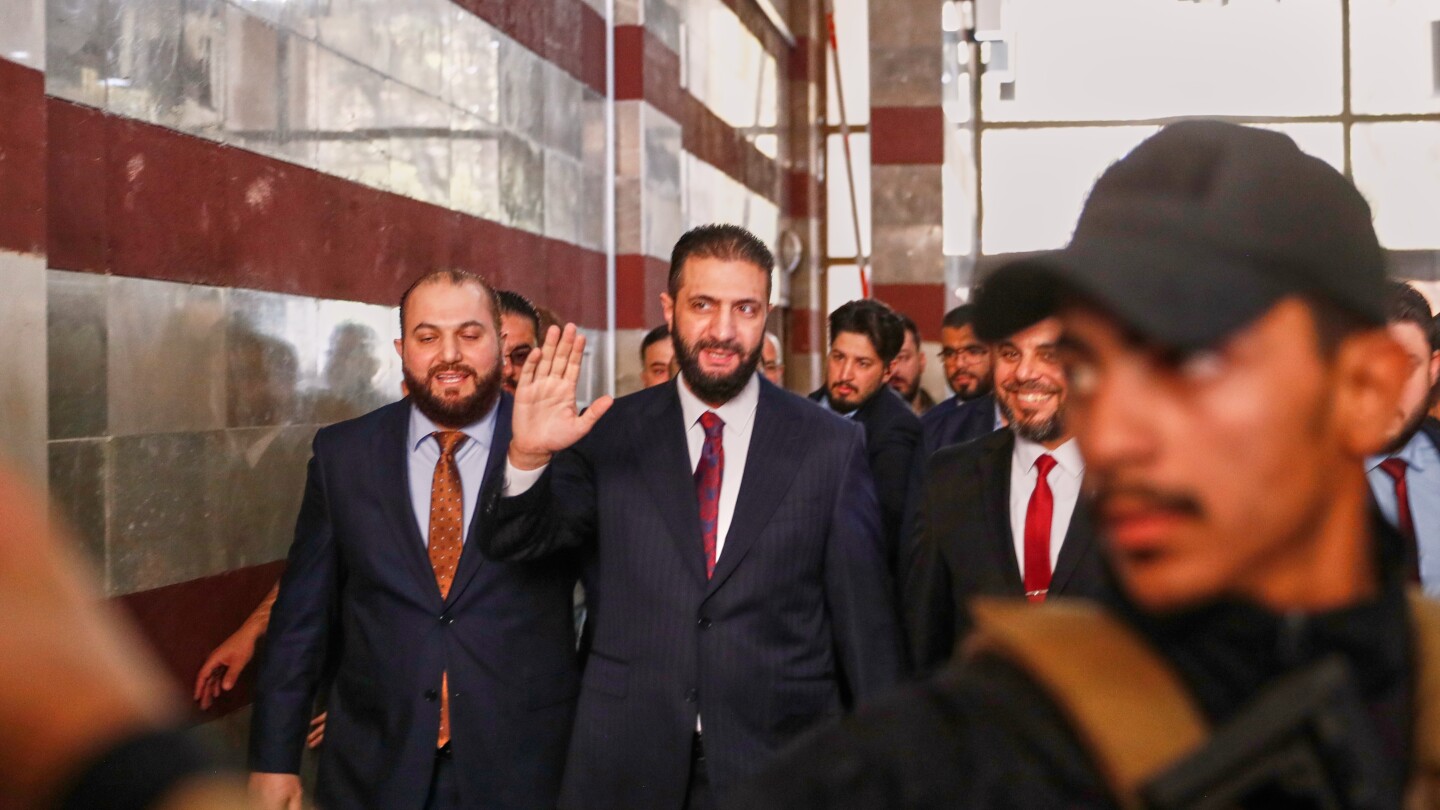
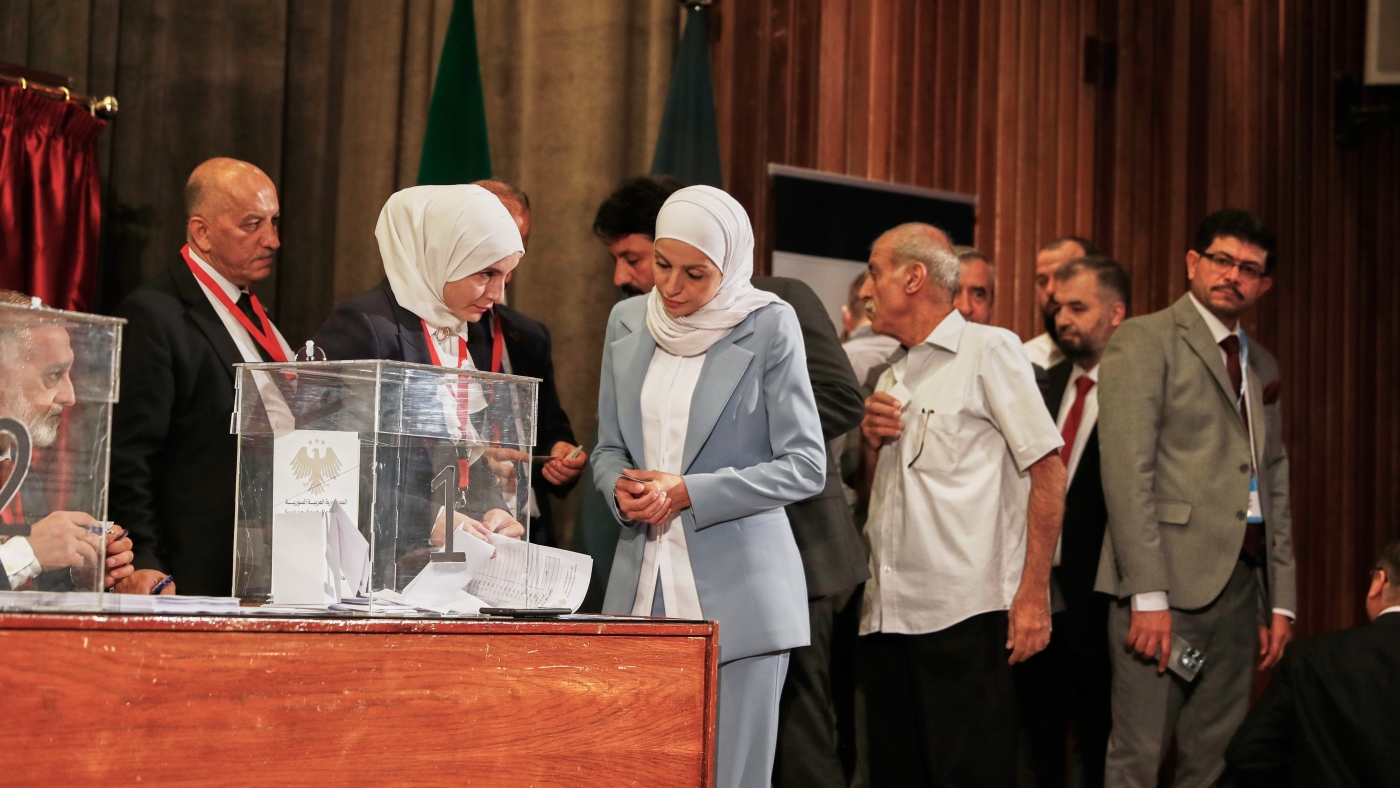
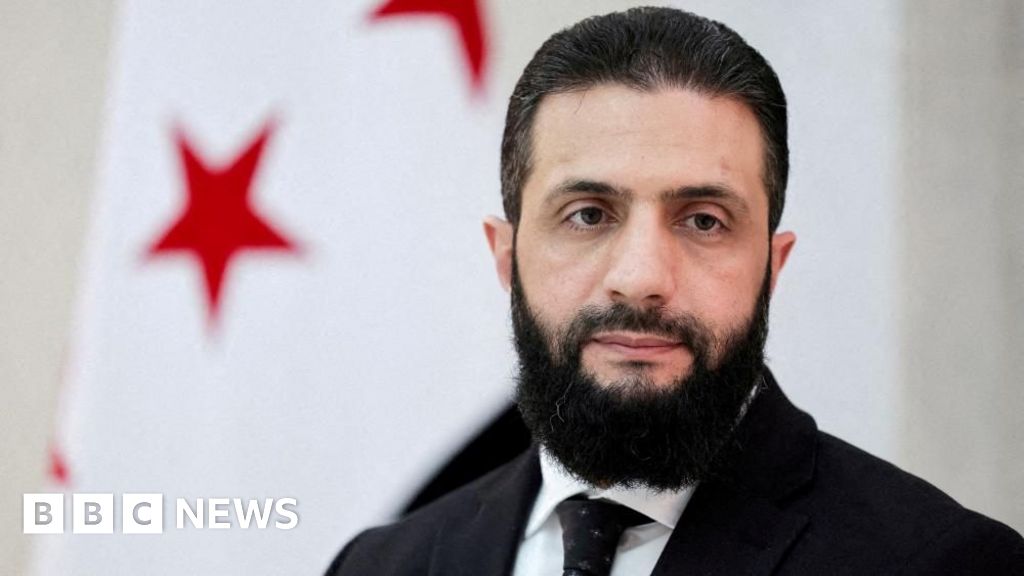
Syria held its first parliamentary elections since Bashar Assad's ouster, using an electoral college system due to ongoing civil war and displacement, marking a significant step in its political transition despite criticisms of limited democracy and sectarian tensions.
Syria is holding its first parliamentary elections since Bashar Assad's ouster, with most seats elected by electoral colleges and some appointed, amid concerns over the lack of a popular vote, transparency, and representation of minorities and women. The elections are seen as a test of the interim authorities's inclusivity and legitimacy, but face criticism for their undemocratic process and exclusion of certain regions.
Syria is holding its first parliamentary elections since Bashar al-Assad was ousted, with elections limited to certain provinces due to security concerns, and the process criticized for lacking inclusivity and transparency amid ongoing sectarian conflicts.
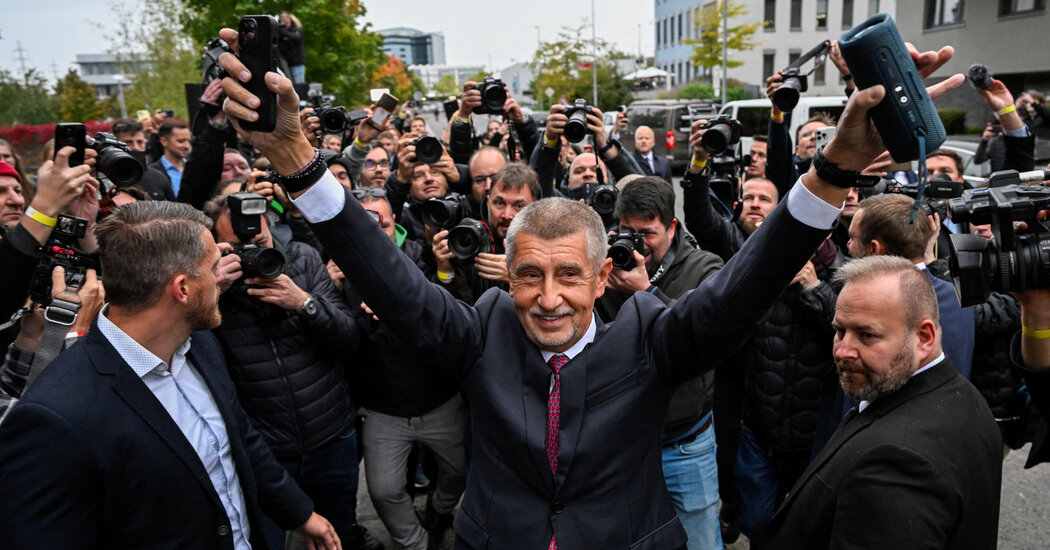
Andrej Babis's party won the Czech parliamentary elections, positioning him to potentially return as prime minister amid economic concerns and debates over Ukraine support, with his future government depending on coalition negotiations and legal considerations.
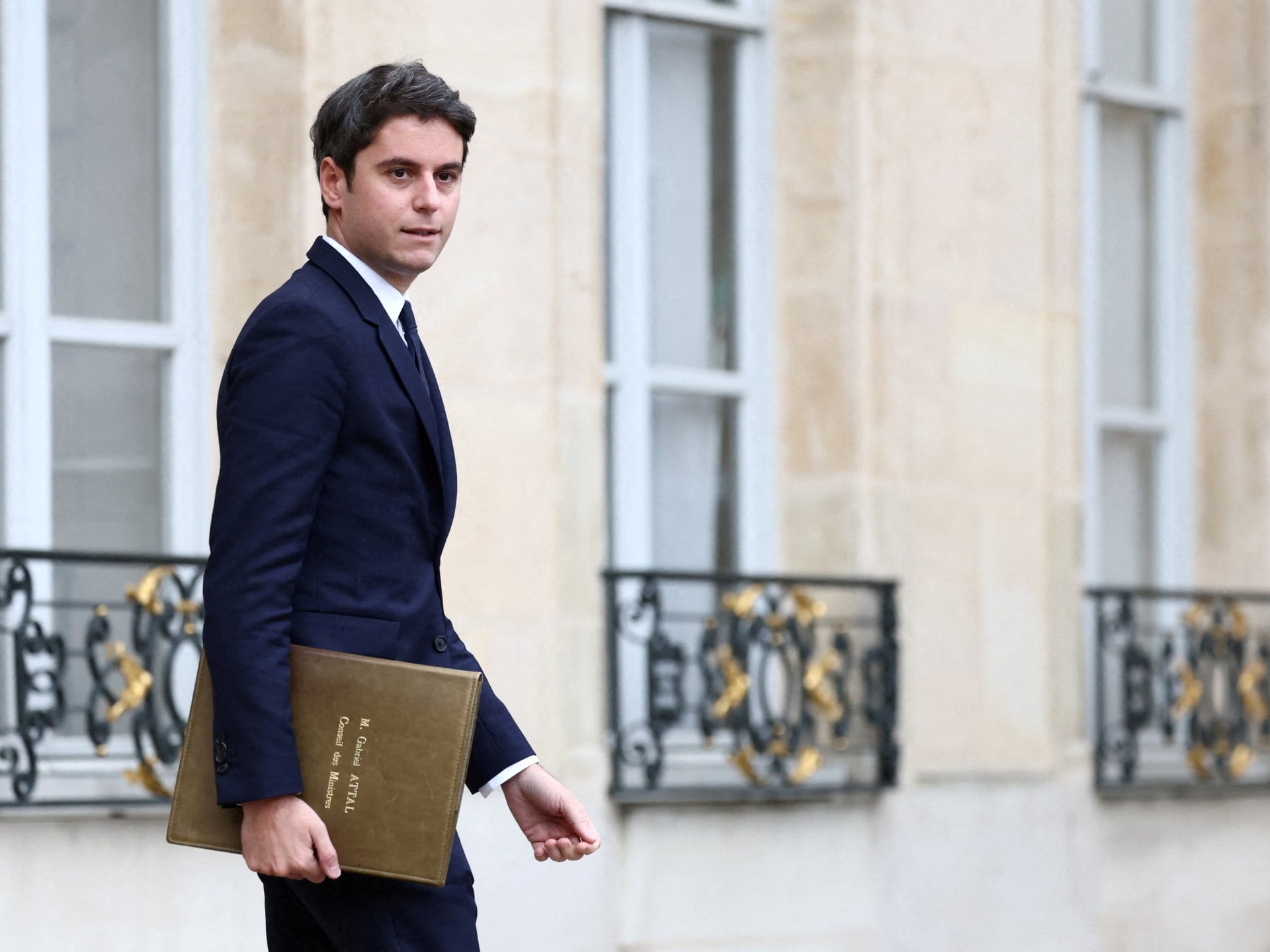
French President Emmanuel Macron has accepted Prime Minister Gabriel Attal's resignation but asked him to stay on in a caretaker role until a new government is formed. This follows the defeat of Macron's centrist alliance by the New Popular Front in recent snap parliamentary elections, leaving the National Assembly without a dominant political bloc. The caretaker government will manage day-to-day affairs and ensure the smooth running of the upcoming Olympic Games but cannot introduce new laws or make major changes.
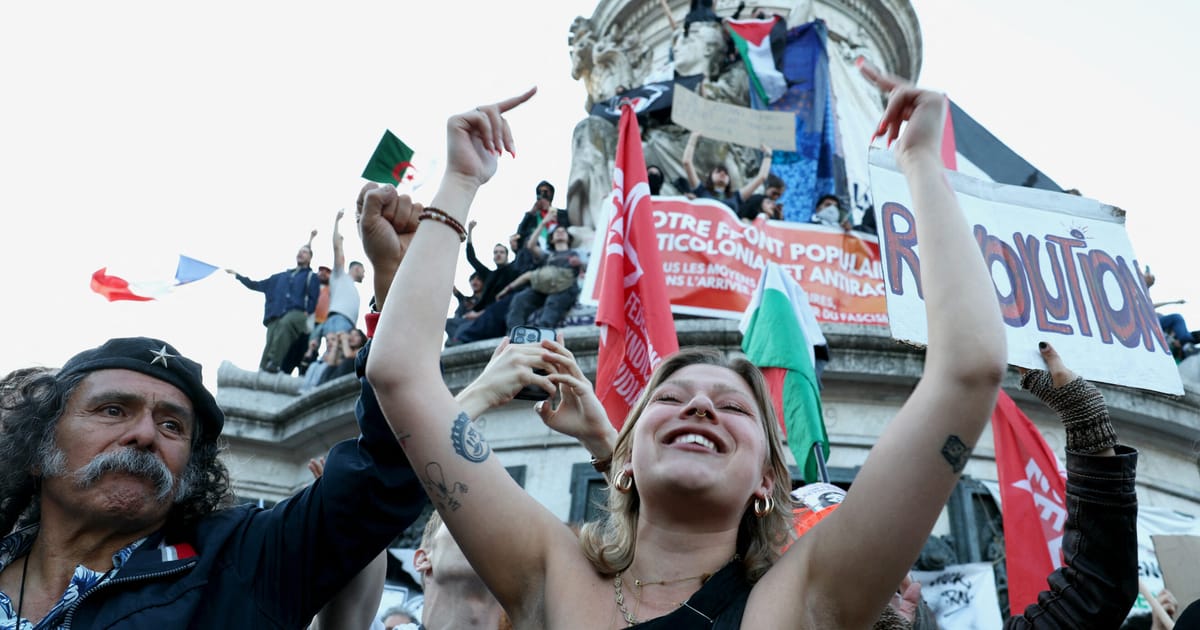
The French left's New Popular Front (NFP) is struggling to agree on a prime minister after a surprise victory in snap parliamentary elections. The alliance's inability to choose a leader threatens to fracture its power and could allow opponents to form an alternative coalition. With significant disagreements among its founding parties, the NFP faces a critical deadline as newly elected lawmakers prepare to kick off the legislature. Failure to present a united front could undermine the NFP's position as a leading force in French politics.
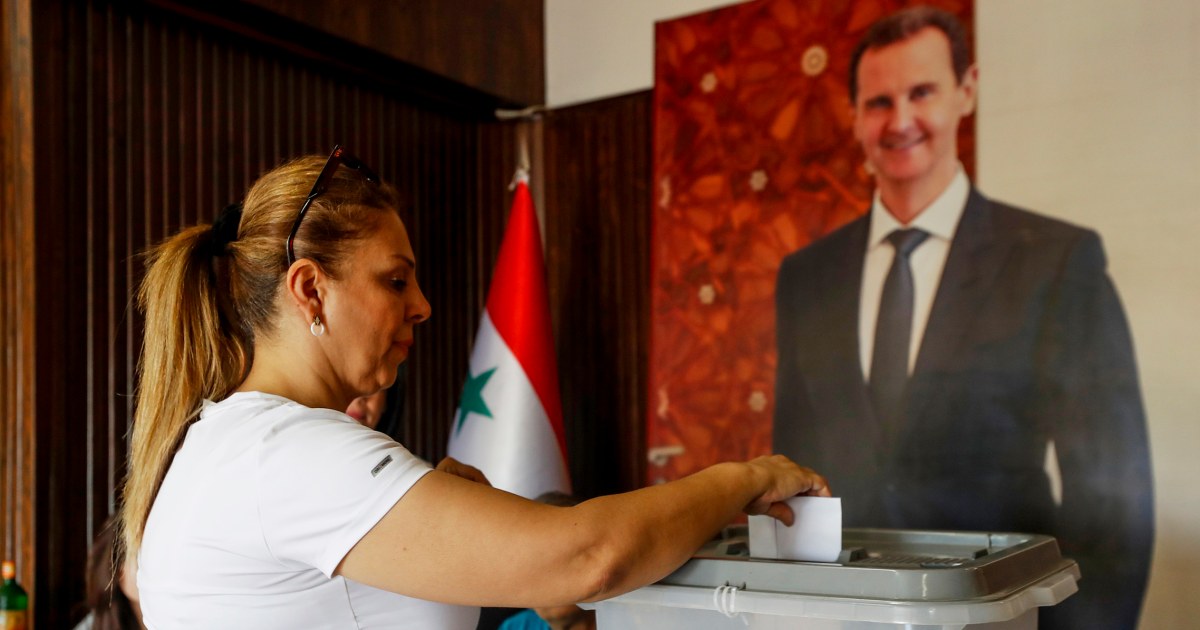
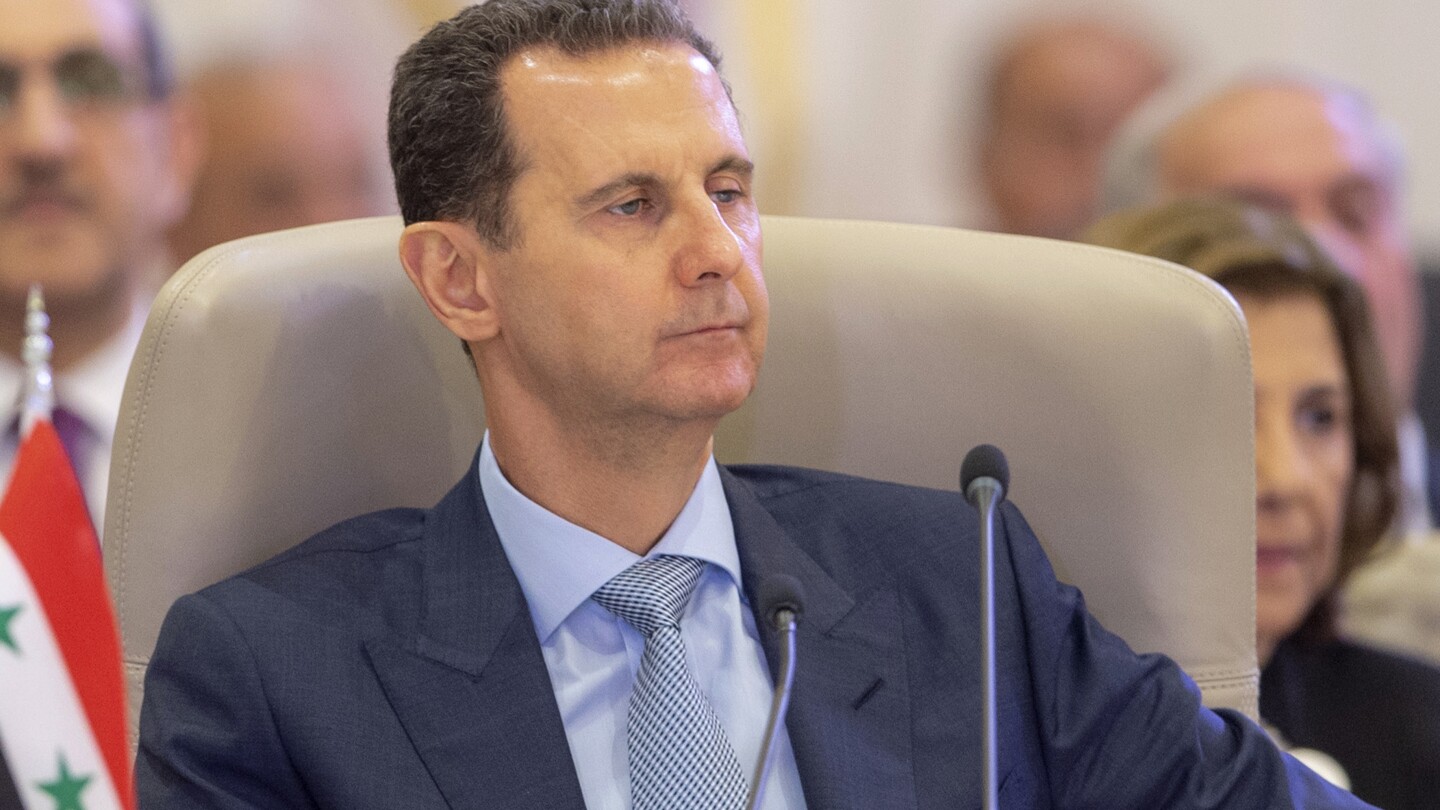
Syrians voted for a new parliament in an election that could lead to a constitutional amendment extending President Bashar Assad's rule. The vote, held amid an economic crisis and ongoing civil war, excluded rebel-held and Kurdish-controlled areas. Critics argue the election is neither free nor fair, with Assad's Baath Party expected to dominate. The new parliament may propose amendments to extend Assad's presidency beyond 2028.
Syrians voted for a new parliament in an election expected to pave the way for a constitutional amendment to extend President Bashar Assad's rule. The vote, held amid an economic crisis and ongoing civil war, excluded rebel-held areas and diaspora Syrians. Critics argue the election is neither free nor fair, with Assad's Baath Party likely to dominate the results, potentially enabling a constitutional change to prolong Assad's presidency beyond 2028.
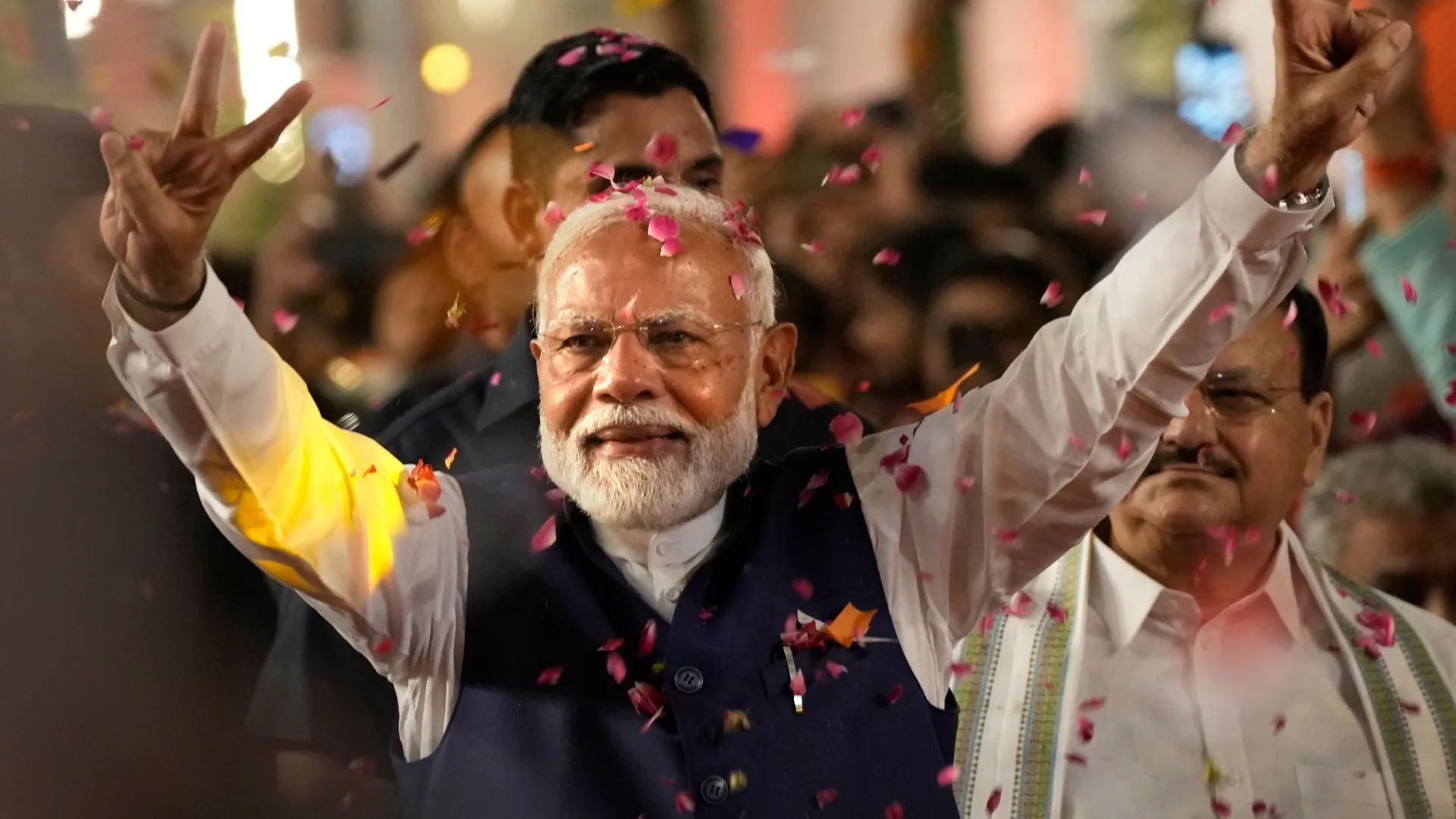
India's BJP, led by Narendra Modi, has lost its parliamentary majority and will need to form a coalition government to secure a majority. This outcome follows a six-week-long election and raises questions about Modi's strategy and its impact on his party's future.
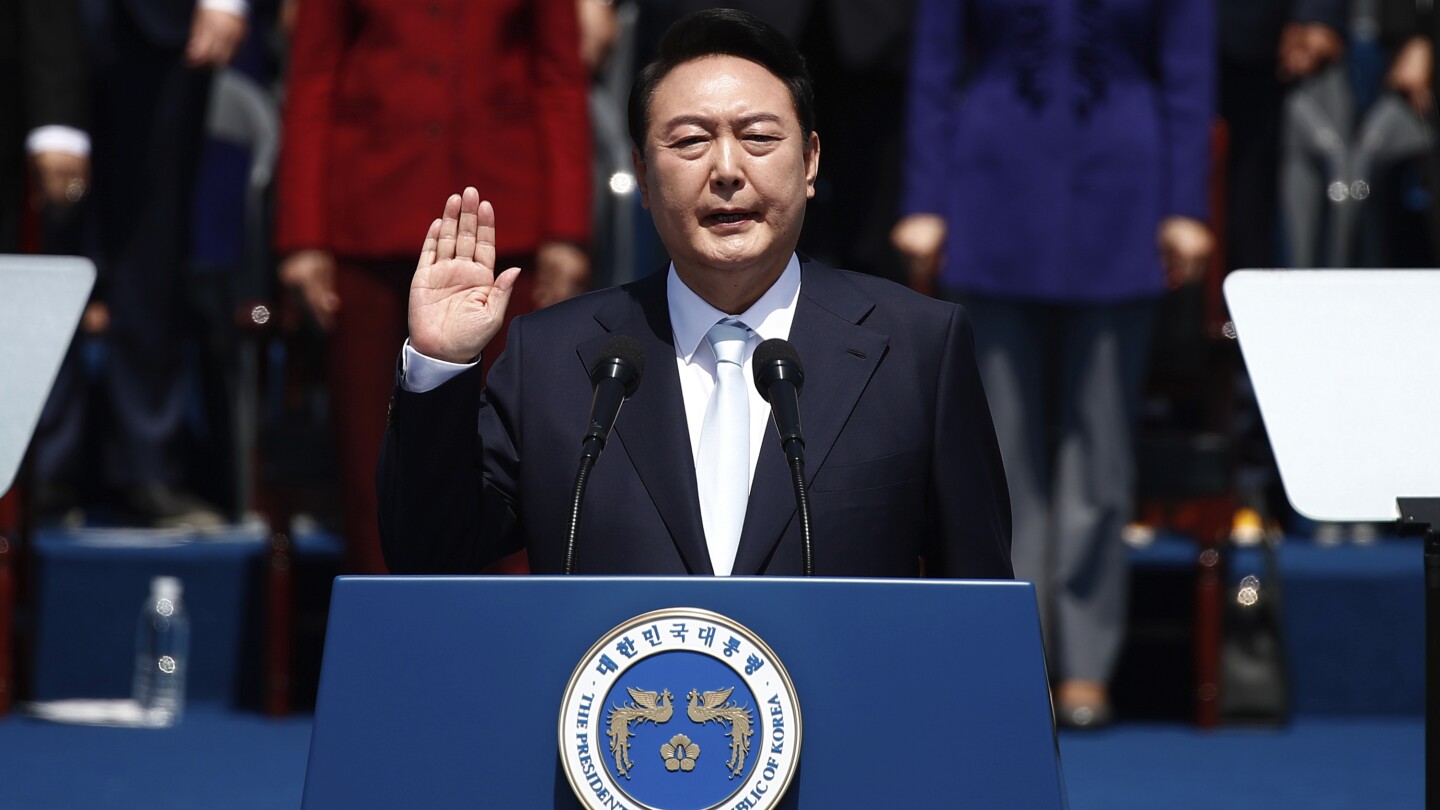
South Korean President Yoon Suk Yeol's conservative party suffered a major setback in the parliamentary elections, leaving him politically weakened and facing opposition control of the parliament for the remainder of his term. Yoon's low approval ratings, economic mismanagement, and scandals have contributed to his party's loss. Despite this, Yoon's foreign policies remain intact, and potential liberal challengers face legal issues. The election results also boosted the political standing of Lee Jae-myung, the Democratic Party chairman, and Han Dong-hoon, a Yoon ally, while Yoon's future prospects are uncertain.
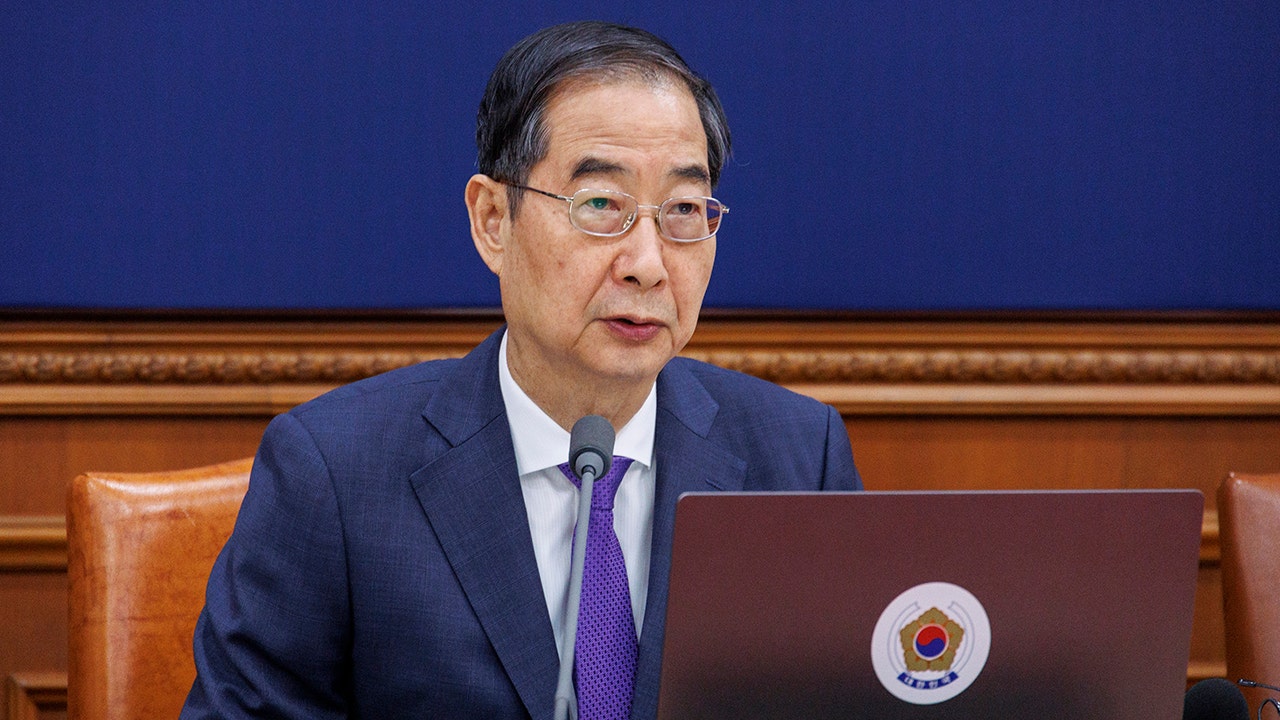
South Korea's Prime Minister Han Duck-soo and senior presidential officials have offered to resign en masse following parliamentary elections that dealt a blow to President Yoon Suk Yeol's party, securing liberal opposition forces' control of parliament. The resignations are seen as a setback to Yoon's domestic agenda and may weaken his grip on the party, with the ruling People Power Party projected to have obtained 108 seats out of 300. The final official results are expected later, and the incoming parliament is set to begin meeting on May 30 for a four-year term.