Tag

Engravings

All articles tagged with #engravings

archaeology2 years ago

Ancient Neanderthal Engravings Found in French Cave

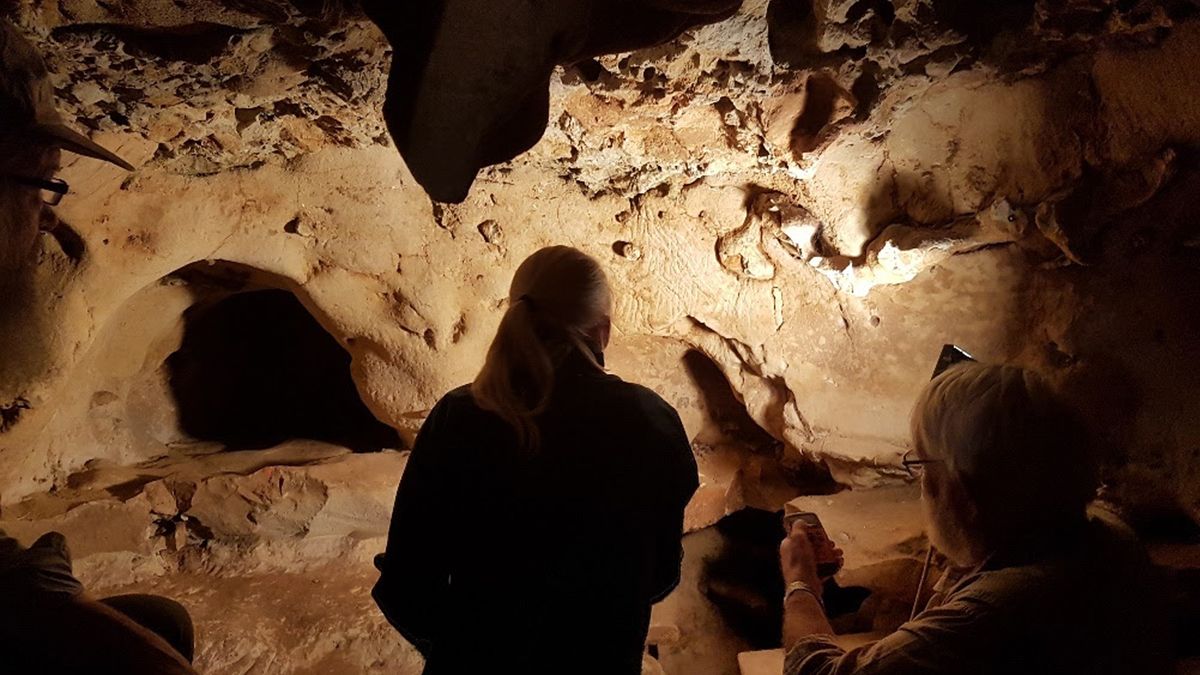
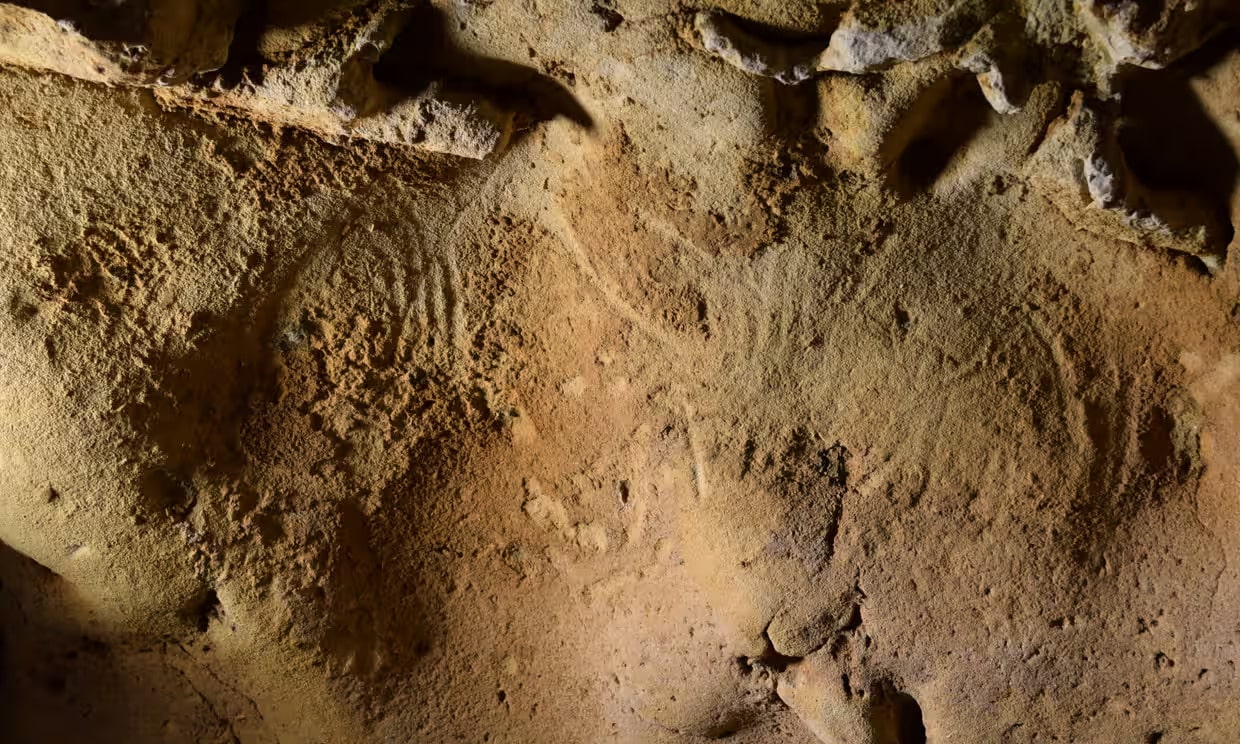
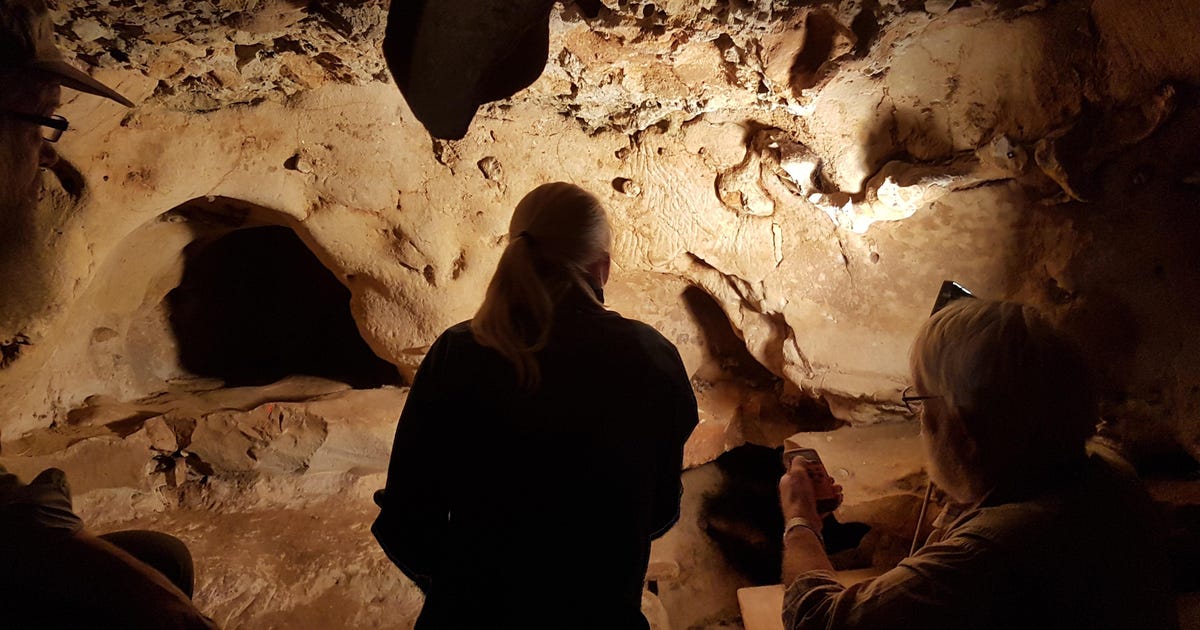
The oldest known engravings made by Neanderthals have been discovered on a cave wall in France, dating back over 57,000 years. The markings, consisting of faint stripes, dots, and wavy lines, were analyzed and confirmed to be the intentional creations of Neanderthals. The cave, located in the Loire Valley, was sealed up with the engravings inside at least 57,000 years ago, predating the arrival of Homo sapiens in the region. This discovery adds to the growing evidence of the cultural sophistication and artistic expression of Neanderthals, challenging previous assumptions about their capabilities.
archaeology2 years ago

Neanderthal Finger Paintings: Oldest Engravings Found in European Cave.

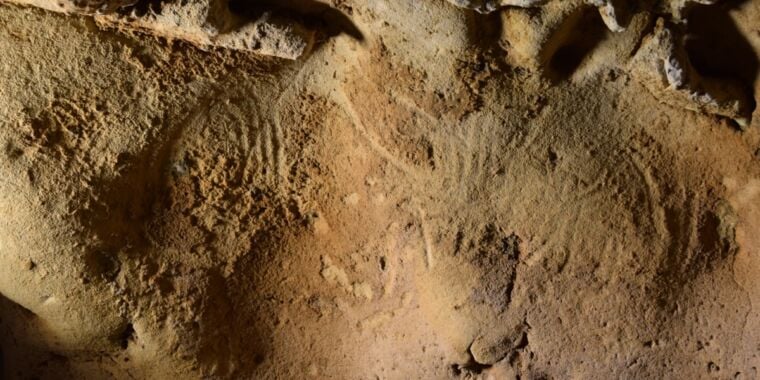
Archaeologists have discovered a series of engravings on a cave wall in France, believed to have been made by Neanderthals using their fingers around 57,000 years ago. These could be the oldest such marks yet found, providing further evidence that Neanderthals' behavior and activities were far more complex and diverse than previously believed. The ability to use symbols and create art did not originate with modern humans, as evidence of Neanderthal symbolic thinking and planning has been piling up for several years.

archaeology2 years ago

Neanderthals' Ancient Art: Oldest Engravings Found in French Cave.

Researchers in France claim that finger marks on the walls of La Roche-Cotard Cave are Neanderthal engravings, made around 57,000 years ago. The marks were made by fingers “digging” into the soft rock, not use of tools or pigments. The finger-flutings appear in eight separate panels inside the cave and are “unambiguous examples of Neanderthal abstract design”. The discovery suggests early symbolic abilities among Neanderthals and strengthens the claims of spiritual and material culture in the Late Stone Age, whether among sapiens and Neanderthals.

archaeology2 years ago

Neanderthals' 75,000-year-old engravings found in Europe's oldest cave.

Neanderthals likely created Europe's oldest-known engravings, discovered in a French cave sealed for tens of thousands of years, according to a study published in PLOS One. The cave of La Roche-Cotard, 150 miles southwest of Paris, contained eight panels with more than 400 traces of abstract lines and dots. The researchers concluded that the engravings were made by Neanderthals with their fingers, just as the researchers did in an experiment. The engravings are lines called "finger flutings," made when someone swiped their fingers flat along the silt-covered wall. The cave closed up at least 57,000 years ago and possibly as long as 75,000 years ago, making it "highly unlikely" that anatomically modern humans had access to the inside of the cave.

science2 years ago

Revisiting Theories of Human Evolution: Insights from Ancient Burial Practices and Ape-Sized Brains.

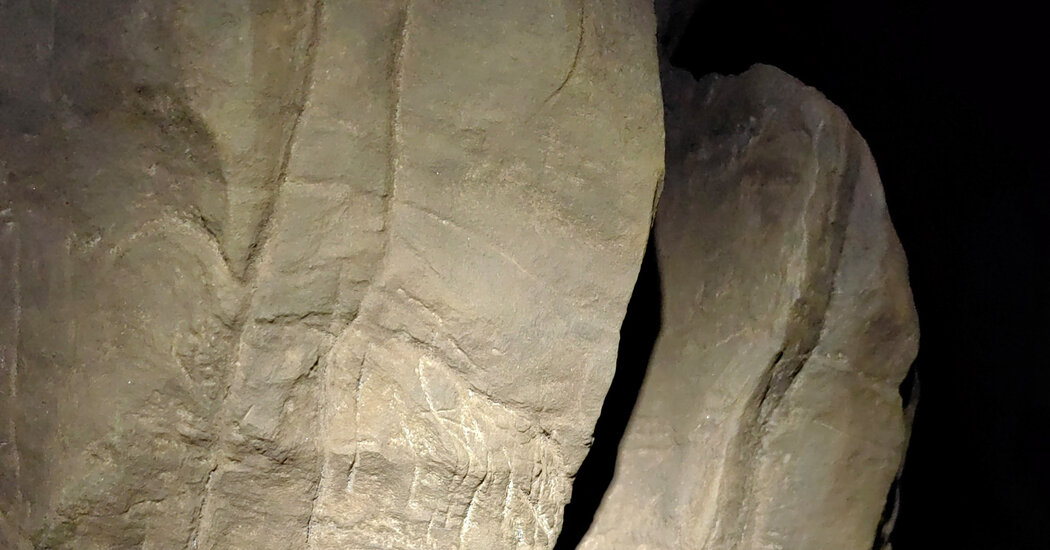
New research suggests that Homo naledi, a small-brained hominin species that lived around the time of the first humans, buried their dead in graves, lit fires to illuminate their way down the cave, and marked the graves with engravings on the walls. The discovery challenges the assumption that big brains are essential for complex thinking and suggests that Homo naledi may have had some form of language. However, some experts on ancient engravings and burials are skeptical of the evidence and suggest that the charcoal and engravings found in the cave might have been left by modern humans who entered long after Homo naledi became extinct.