A 23-year-old woman from Evesham, Milli Tanner, faced multiple misdiagnoses and delays before being correctly diagnosed with stage three bowel cancer, highlighting the need for increased awareness and prompt investigation of symptoms in young people.
Women share essential health lessons they wish they knew earlier, emphasizing the importance of strength training, understanding menstrual and hormonal changes, advocating for oneself in medical settings, and paying attention to diet and lifestyle for overall well-being.
Catherine Owens, a mother from Louisiana, faced challenges in getting a proper diagnosis for her 2-year-old daughter, Gracelyn, who exhibited symptoms like headaches, vomiting, and regression in potty training. Despite initial dismissals by doctors attributing symptoms to strep throat and other non-serious conditions, Owens persisted, leading to the discovery of a brain tumor called ependymoma. Gracelyn underwent surgery and radiation treatment at St. Jude Children's Research Hospital. The case highlights the importance of parental advocacy and early diagnosis in managing serious health conditions in children.
Lindsay Orr, a nurse practitioner, experienced severe symptoms of preeclampsia during her pregnancy, but doctors repeatedly dismissed her concerns. Despite her active lifestyle and no family history of the condition, she faced life-threatening complications and was eventually induced at 32 weeks. Orr's experience highlights the importance of self-advocacy in medical care and the need for better diagnostic tools for pregnancy complications.
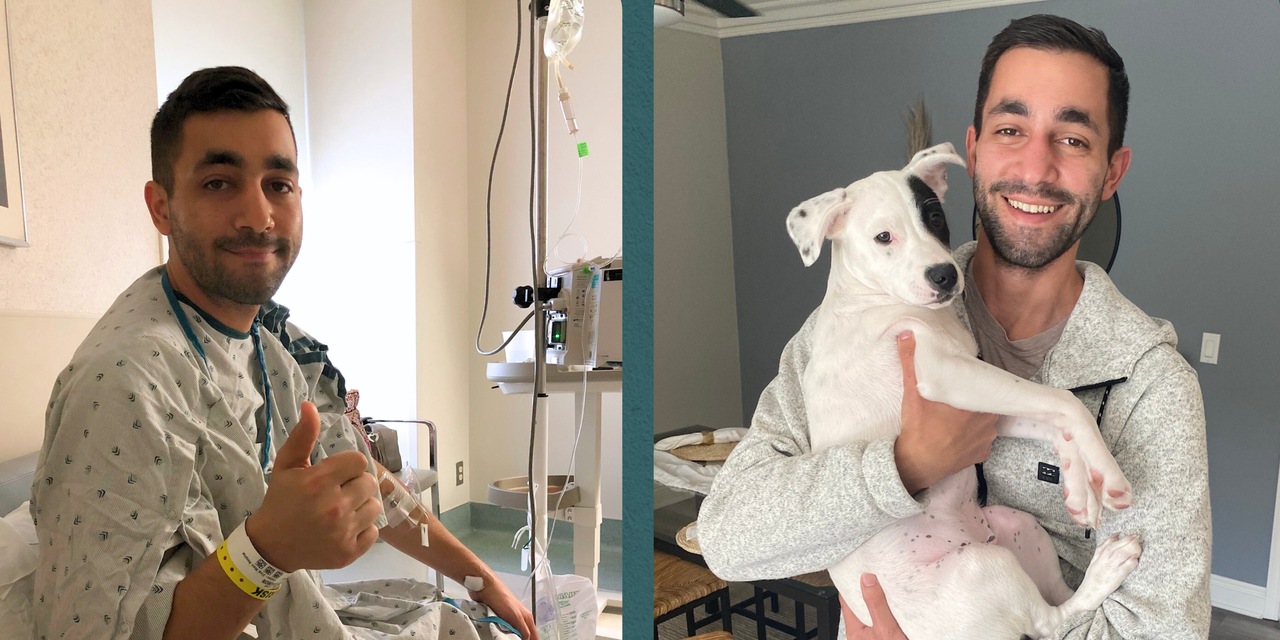
Joe Faratzis, diagnosed with stage IV colorectal cancer at 28, shares the early symptoms he overlooked, including sporadic abdominal pain and bright red blood in his stool, and emphasizes the importance of listening to your body and seeking medical attention. Despite the cancer spreading to his lungs and liver, he has undergone various treatments and surgeries, with clear scans for the past year, highlighting the significance of early detection and being proactive about one's health.
Cheryl Jordan Winston, a Minnesota woman, survived a sudden cardiac arrest (SCA) after going 25 minutes without a pulse, and is now sharing her story to raise awareness. Despite having no prior symptoms or family history of heart issues, she received an implanted cardioverter defibrillator (ICD) and emphasizes the importance of CPR and medical advocacy, especially for women. Experts recommend immediate CPR and defibrillation with an AED to increase chances of survival, and stress the importance of a heart-healthy lifestyle and genetic screenings for those with a family history of heart issues.
Cases of colorectal cancer in people under 50 are expected to nearly double by 2030, with younger patients often being diagnosed at later, more advanced stages due to lack of screening. Researchers are investigating potential causes, including behavioral and environmental factors, and urging early screening for those over 45. Family history and open communication are crucial, as many young patients lack genetic disposition or obvious risk factors. Medical advocacy and awareness of symptoms are emphasized, as early detection is key to successful treatment.
Talia Smith's life changed dramatically after taking the antibiotic Ciprofloxacin for a UTI, leaving her with severe and rare side effects that have rendered her unable to walk and reliant on round-the-clock care. Smith is now advocating for greater awareness of the risks associated with fluoroquinolone antibiotics and pushing for changes in medical prescribing practices to prevent others from experiencing similar hardships.
A 36-year-old Missouri woman, Jill MacDonald, had her colon cancer symptoms dismissed as exhaustion and hemorrhoids by doctors, leading to a late-stage diagnosis that has now spread to her liver and other organs. Despite undergoing numerous operations and rounds of chemotherapy, she is running out of treatment options and faces a grim prognosis. Her case highlights the rising trend of colon cancer in young people and the challenges of diagnosing the disease, as symptoms can often be attributed to other conditions. MacDonald advocates for medical advocacy and serves as a resource for other young colon cancer patients who may have been initially dismissed.
A man is conflicted with his girlfriend over the use of their garage space, as she wants to store furniture while he wants to keep his collection of tools and supplies. The advice given is to find a compromise and consider renting storage space. In another letter, a grandmother expresses anger towards her granddaughter's primary care doctor for dismissing her concerns about a lump, which turned out to be stage 2 breast cancer. The response acknowledges that the doctor may have followed guidelines but highlights the importance of advocating for oneself. Lastly, a man seeks advice on boosting his fiancée's self-confidence and standing up to their mothers who are taking over the wedding planning. The suggestion is to support her choices and assert their independence.
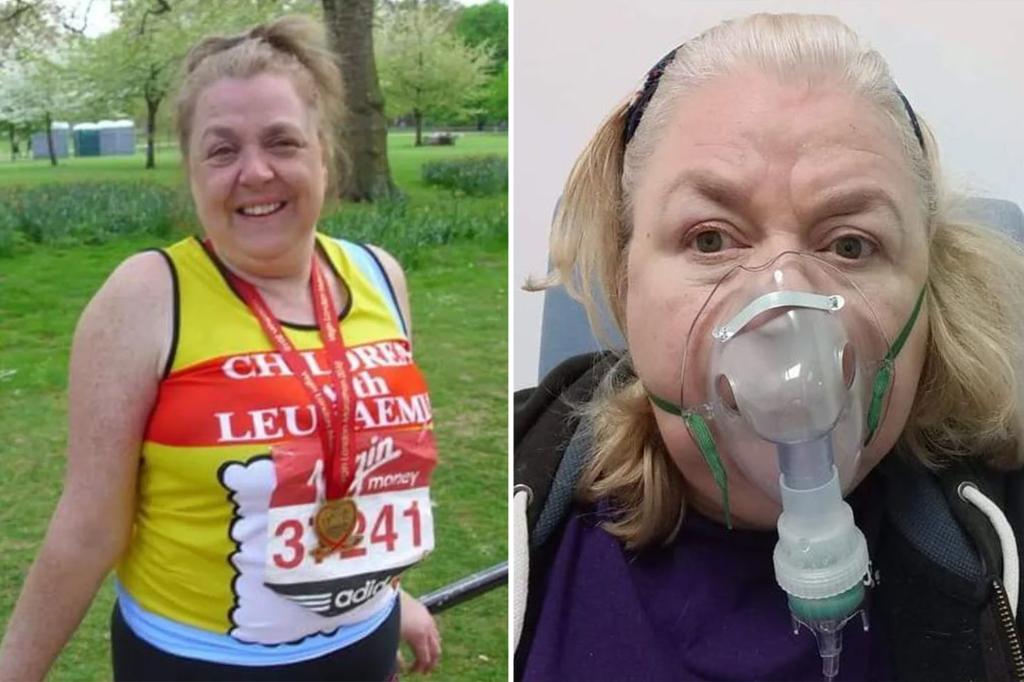
Joanne Risdale, a British mom of five, battled leukemia and sepsis, experiencing extreme symptoms including temporary paralysis. She stresses the importance of advocating for oneself in medical settings and demanding a blood test when worrying symptoms occur. Risdale received a stem cell transplant in June 2021 and is now cancer-free, but receives chemotherapy once a month to keep the cancer at bay. She is working with Leukemia UK to spread her message and wants leukemia sufferers to know there is a "light at the end of the tunnel."
Kirsty Smitten, a 28-year-old UK-based microbiologist, was initially told by doctors that her chest pain was a pulled muscle. However, after pushing for further tests, she was diagnosed with a rare and terminal form of heart cancer called cardiac angiosarcoma. Research shows that women's pain is more often dismissed than men's by doctors, which can lead to serious conditions being missed or dismissed. Doctors recommend advocating for oneself and getting second and third opinions if necessary.