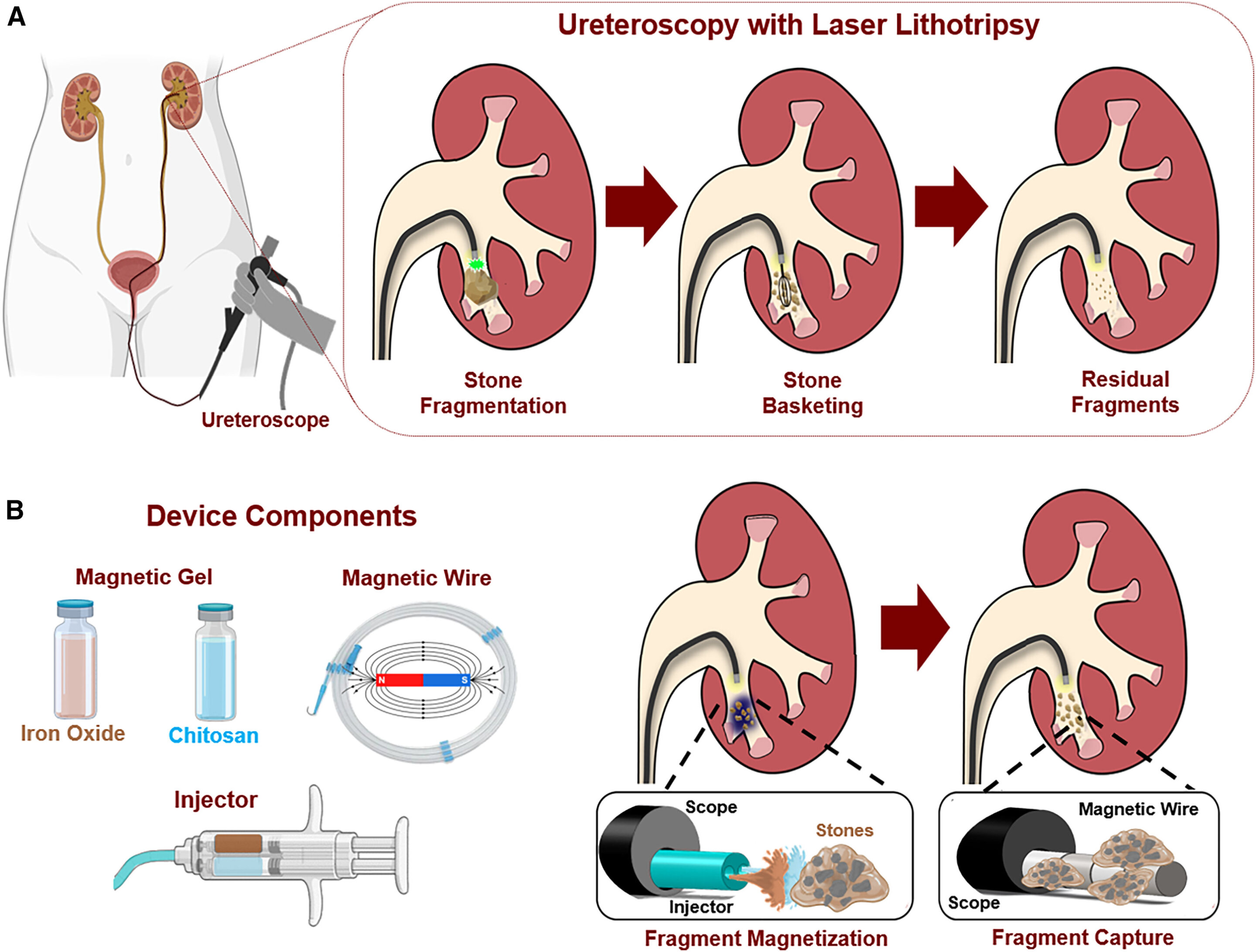
Stanford University developed a magnetic device compatible with ureteroscopy that effectively retrieves kidney stone fragments in pig models, outperforming traditional methods and showing promise for reducing residual fragments and associated complications in humans.
Researchers at the Wistar Institute have developed a novel treatment for metastatic ovarian cancer that activates myeloid cells in the peritoneal cavity using a combination of beta-glucan and interferon-gamma. This approach, inspired by early 20th-century methods, has shown promising results in preclinical models, significantly reducing tumor size and overcoming chemotherapy resistance. The findings, published in The Journal of Experimental Medicine, suggest a potential new method for treating this aggressive cancer.
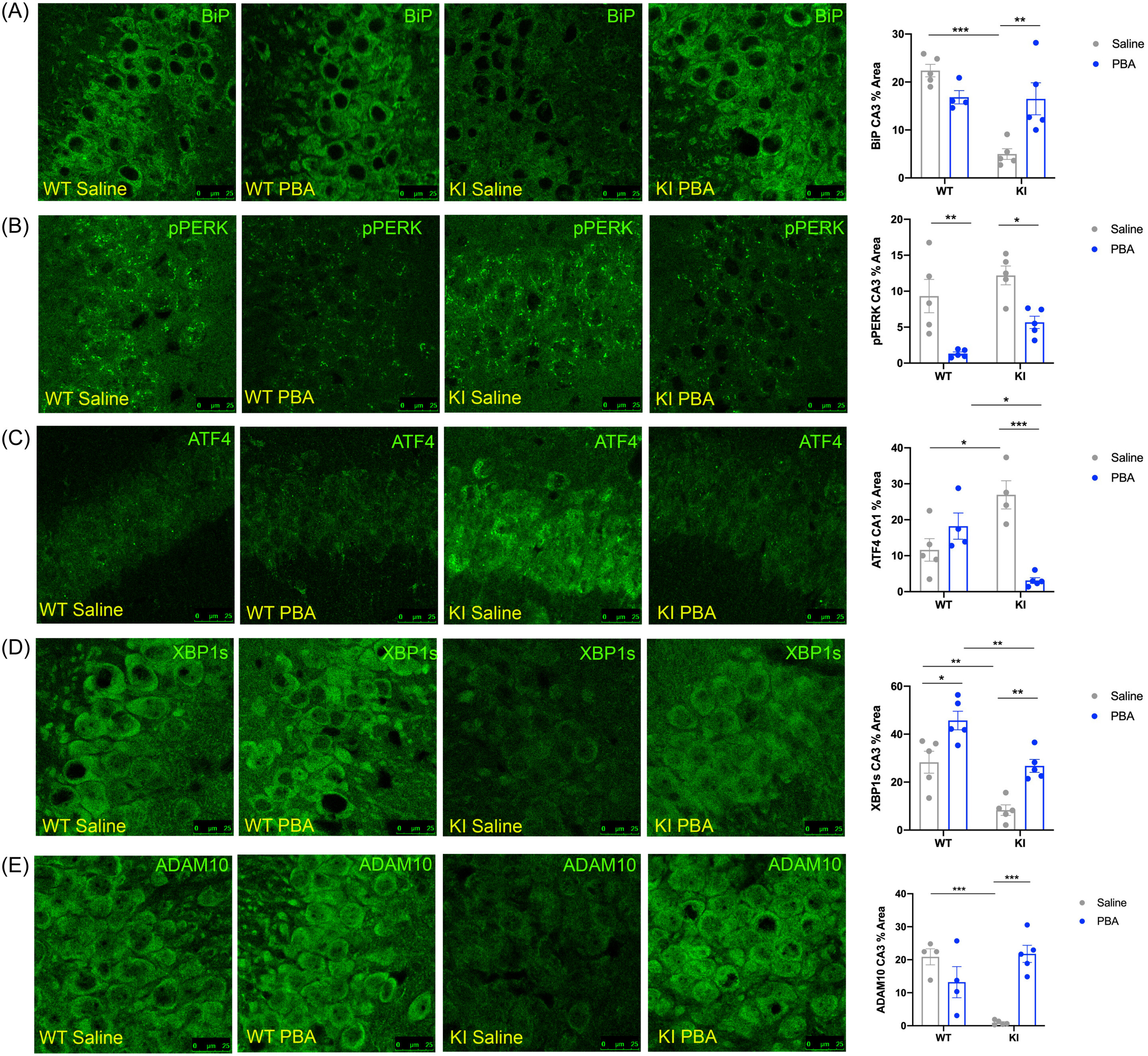
A compound called 4-phenylbutyrate (PBA) has shown promise in reversing signs of Alzheimer's disease and improving memory function in a preclinical study using mice. PBA, known as a "chemical chaperone," inhibits protein accumulation and helps restore normal proteostasis in the brain. The treatment was effective even when administered late in the disease course and showed potential in reducing amyloid beta plaques, a hallmark of Alzheimer's. PBA is already approved by the FDA for another metabolic disorder and can easily cross the blood-brain barrier.
A preclinical study found that suvorexant (Belsomra), an insomnia drug, could be a potential treatment for opioid use disorder (OUD) in rats. Suvorexant reduced prescription opioid intake and helped protect against relapse in rats modeling OUD. If the results translate to humans in clinical trials, the insomnia drug could offer a promising approach for the millions of people who have OUD. Suvorexant was designed to inhibit the activity of both the orexin-1 and orexin-2 brain-cell receptors, which are also involved in the process of drug dependency.