Fitness coach Julie Capozziello shares five tips to reverse insulin resistance and aid weight loss, emphasizing muscle building through resistance training, eating protein first, walking after meals, managing sleep and stress, and tracking data to inform behavior changes.
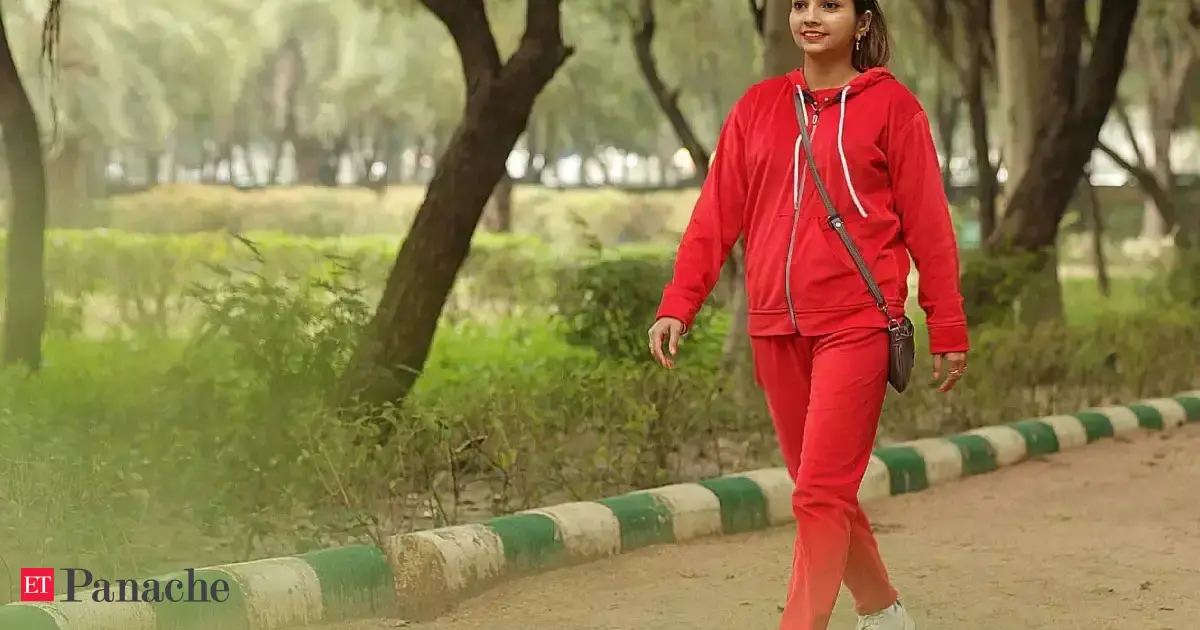
A Hyderabad neurologist suggests that short, frequent walks throughout the day, especially after meals, are more beneficial for blood sugar, cholesterol, heart health, and overall well-being than a single long morning walk, emphasizing the importance of spreading movement for better health.
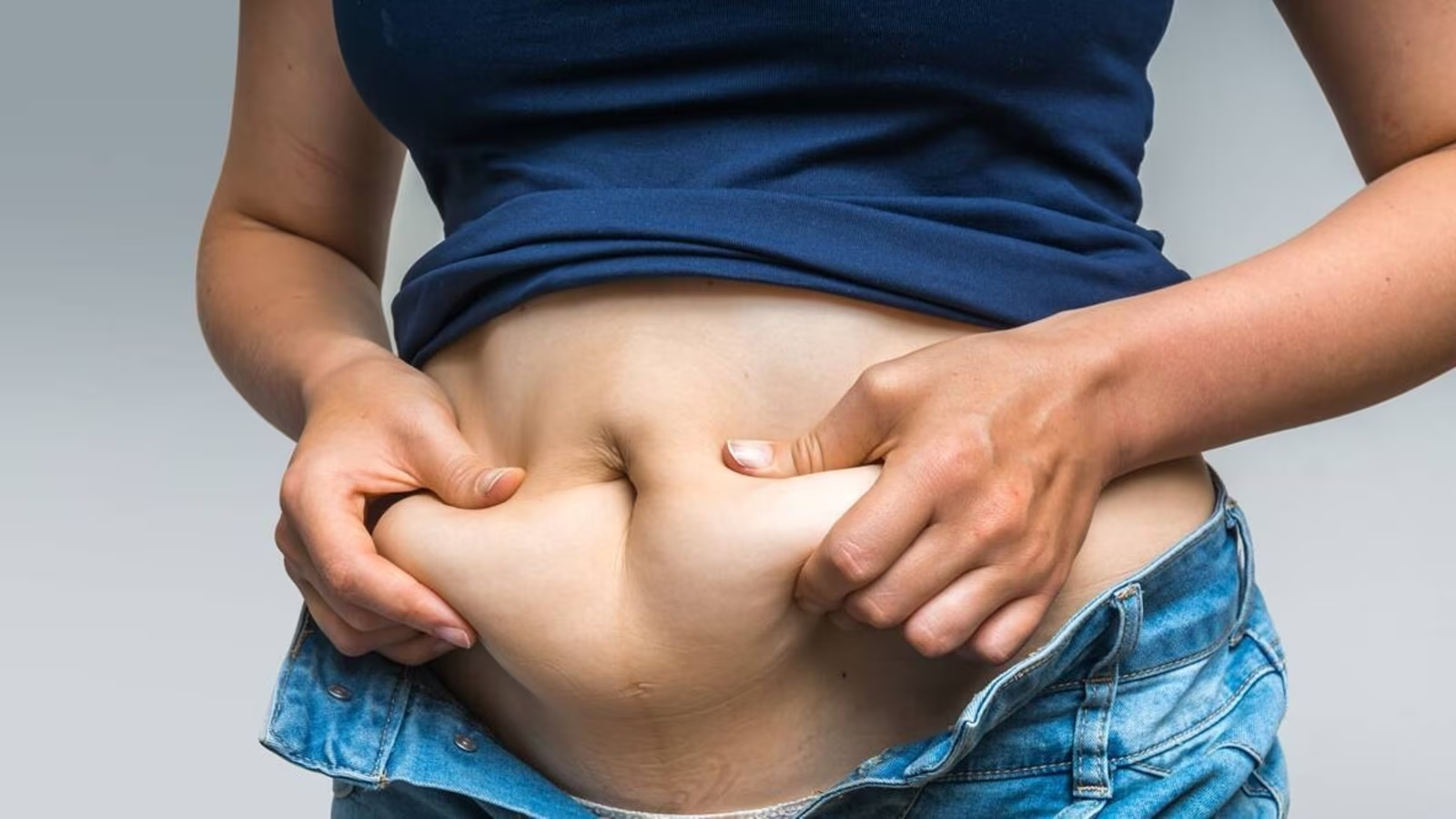
A nutritionist recommends walking for 2-5 minutes after meals to lower blood sugar and aid in fat burning, which can help reduce stubborn belly fat without extreme diets or workouts.
A 7-day walking plan, involving short walks after meals, can significantly lower blood sugar levels, improve insulin sensitivity, and support long-term blood sugar control, especially when combined with a healthy diet.
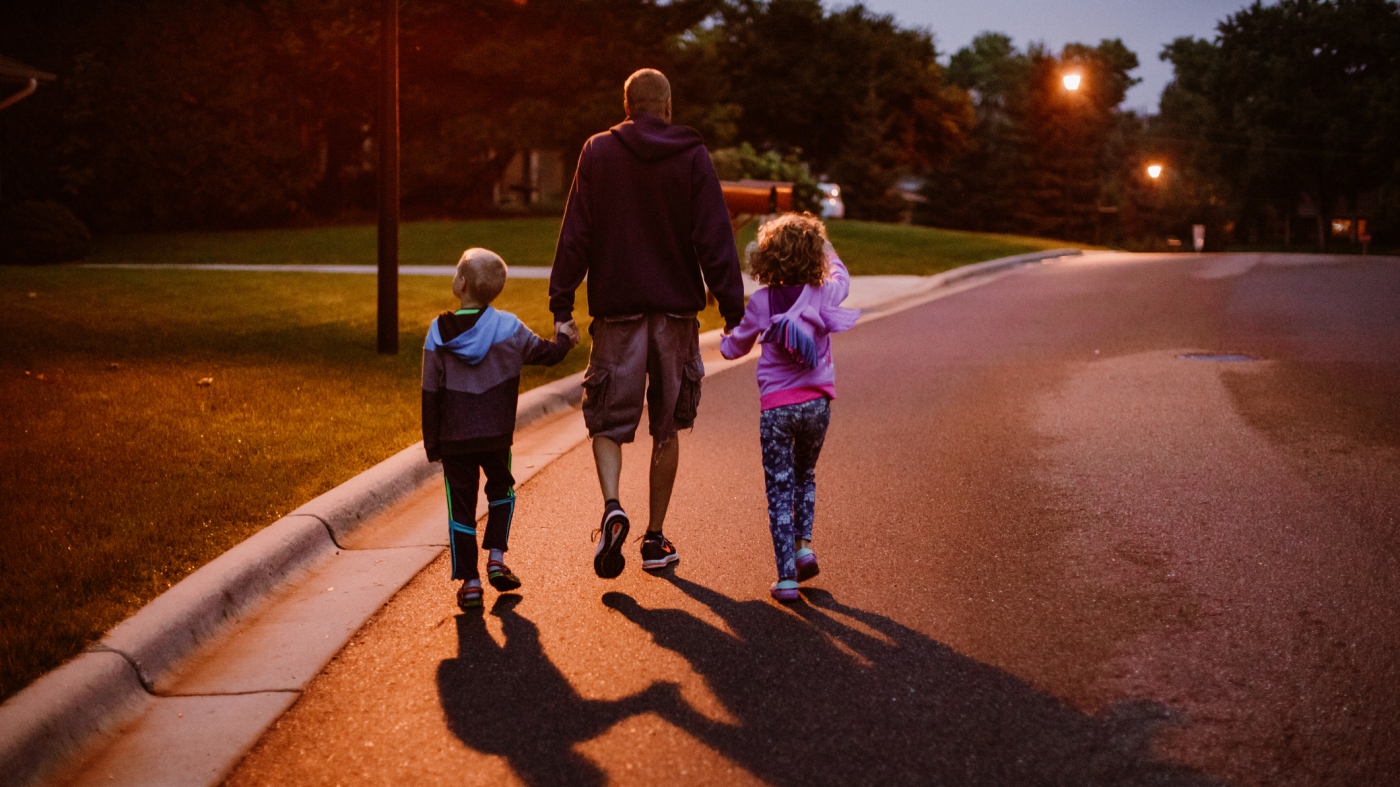
Taking a short walk after meals, especially dinner, can significantly benefit health by aiding digestion, regulating blood sugar, and improving sleep quality. This practice, long popular in Europe, is gaining renewed attention through social media. Walking helps muscles absorb glucose, reducing the need for insulin and easing the pancreas's workload, which can prevent diabetes. Even brief walks of 2-5 minutes can be effective, with longer walks offering more benefits. This is particularly beneficial after heavy meals like Thanksgiving dinner.
Taking a walk after a big meal, such as Thanksgiving dinner, can aid digestion, regulate blood sugar, and improve sleep quality. Known as 'fart walks' due to their gas-relieving benefits, these post-meal strolls have been practiced for centuries and are gaining popularity again. Walking helps muscles absorb glucose, reducing the need for insulin and easing the pancreas's workload, which can prevent pre-diabetes. Even short walks of 2-5 minutes can be beneficial, especially after dinner, the largest meal of the day.