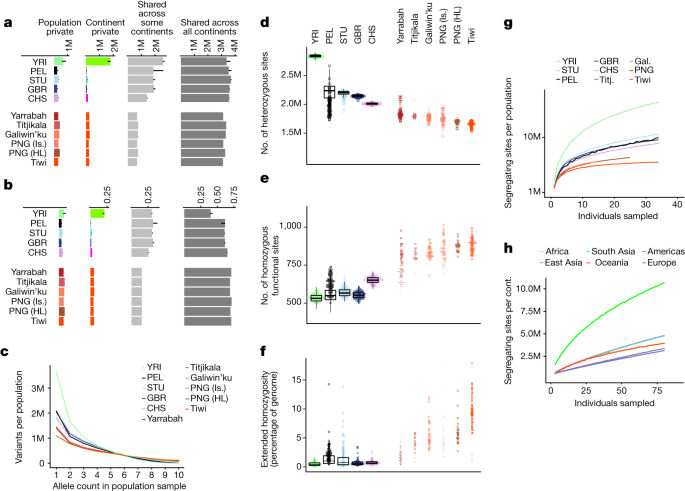
A study analyzing the genetic data of Indigenous Australians from four different regions across northern and central Australia has revealed deep population structure and rich novel genetic variation. The research highlights the need for greater representation of Indigenous populations in genomic studies and reference databases. Indigenous Australians exhibit unique genetic ancestry, with high levels of population-private variation and reduced heterozygosity. The study also emphasizes the importance of broad sampling to capture the full diversity of common and rare alleles in Indigenous populations. The findings have implications for medical research and clinical practice, as well as the understanding of human genetic variation.
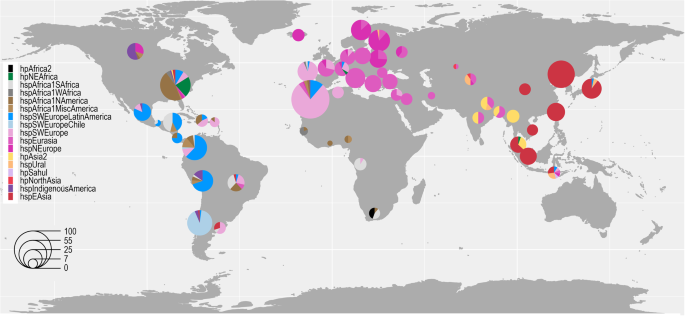
The Helicobacter pylori Genome Project (HpGP) has analyzed 1011 H. pylori genomes from 50 countries, providing insights into the population structure of this bacterium. The analysis revealed four main population clusters: Southwest Europe, Northern and Central Europe, Western and Southern Africa, and North, Central, and East Asia. Within Europe, three main subpopulations were identified: hspNEurope, hspSWEurope, and hspEurasia. Central Asia was described with increased resolution, identifying hpAsia2, hpNorthAsia, and hspUral as distinct subpopulations. The dataset also included African and African-descent genomes, Latin American subpopulations, and Indigenous American H. pylori strains, each with their own unique ancestral contributions. Additionally, a deep clone of H. pylori was identified in the United States. Overall, this study provides a comprehensive understanding of the global population structure of H. pylori.
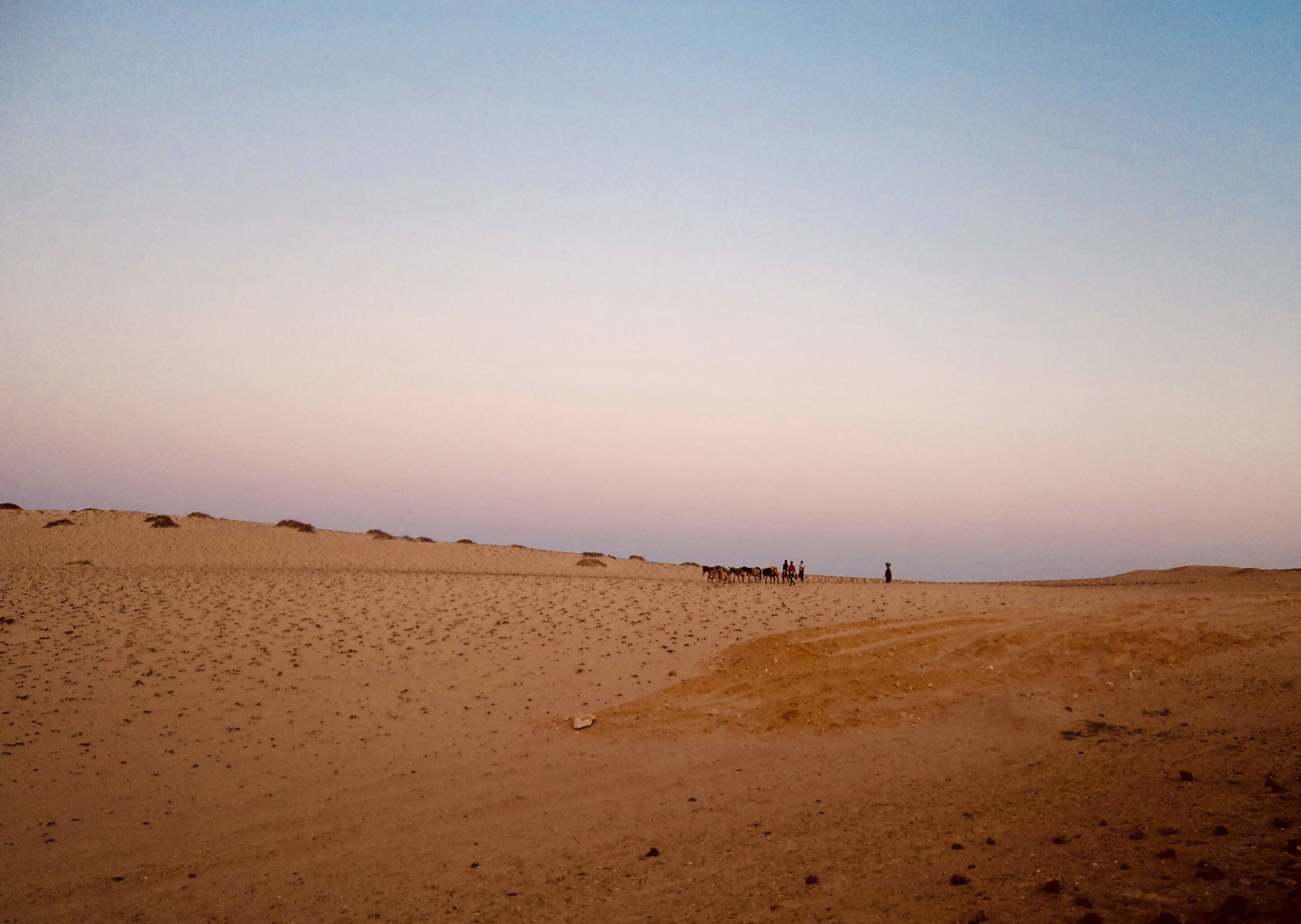
Researchers studying the genetic structure of Africa have ventured into the Angolan Namib desert, a remote region with diverse ethnic groups. They discovered the Kwepe community, who spoke a click-language called Kwadi, believed to have a common ancestor with Khoe languages spoken in southern Africa. The team also found Bantu-speaking groups and marginalized communities with a unique Pre-Bantu ancestry specific to the Namib desert. The study highlights the impact of genetic drift and admixture from vanished populations on local genetic variation. The findings contribute to understanding the migration history of Khoe-Kwadi-speaking pastoralists and Bantu-speaking farmers in southern Africa, demonstrating the value of modern DNA research in complementing ancient DNA studies.