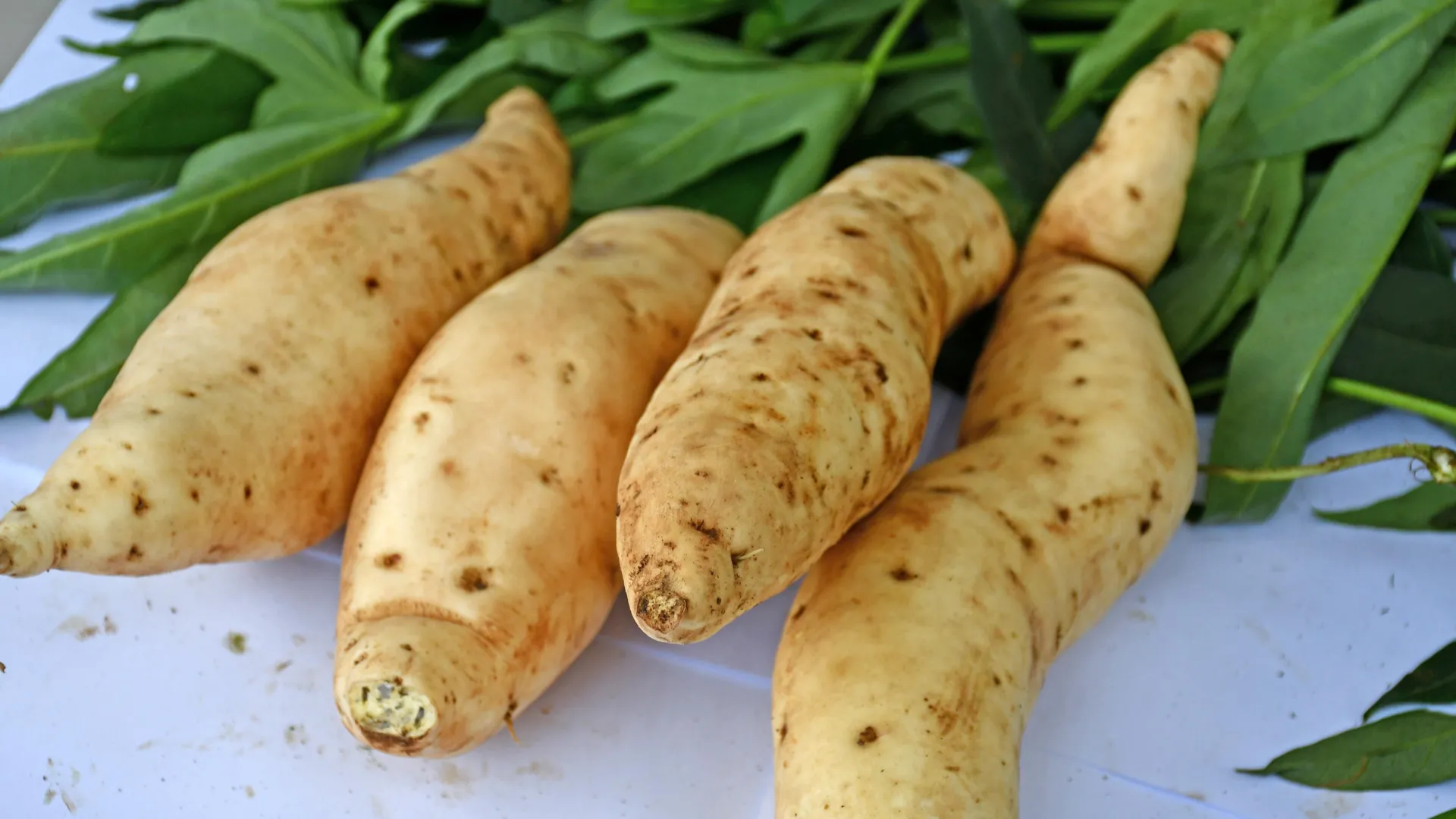
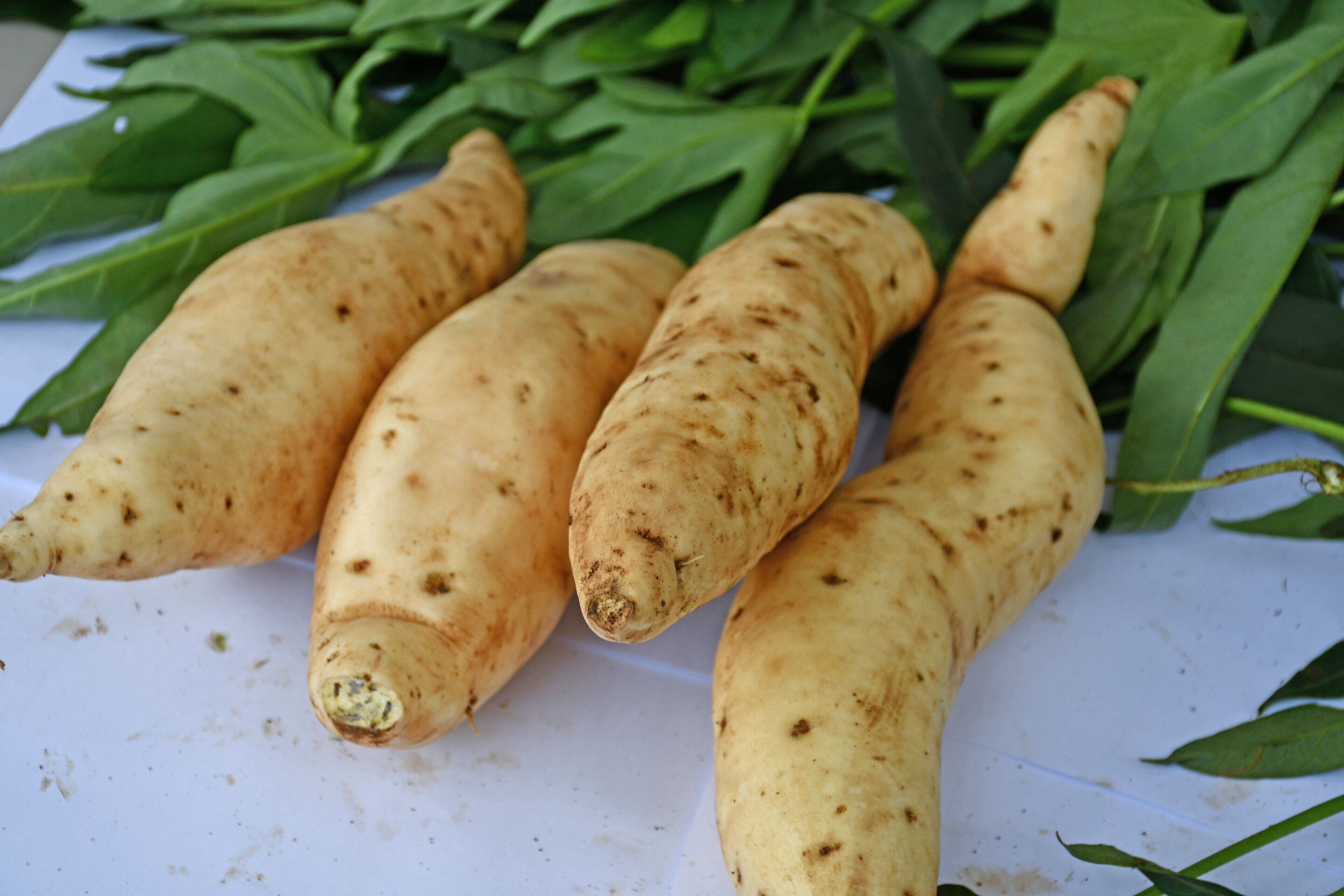
Scientists have decoded the complex genome of the sweetpotato, revealing its intricate hybrid origin and providing new tools for crop improvement, which is crucial for food security in the face of climate change and pests.
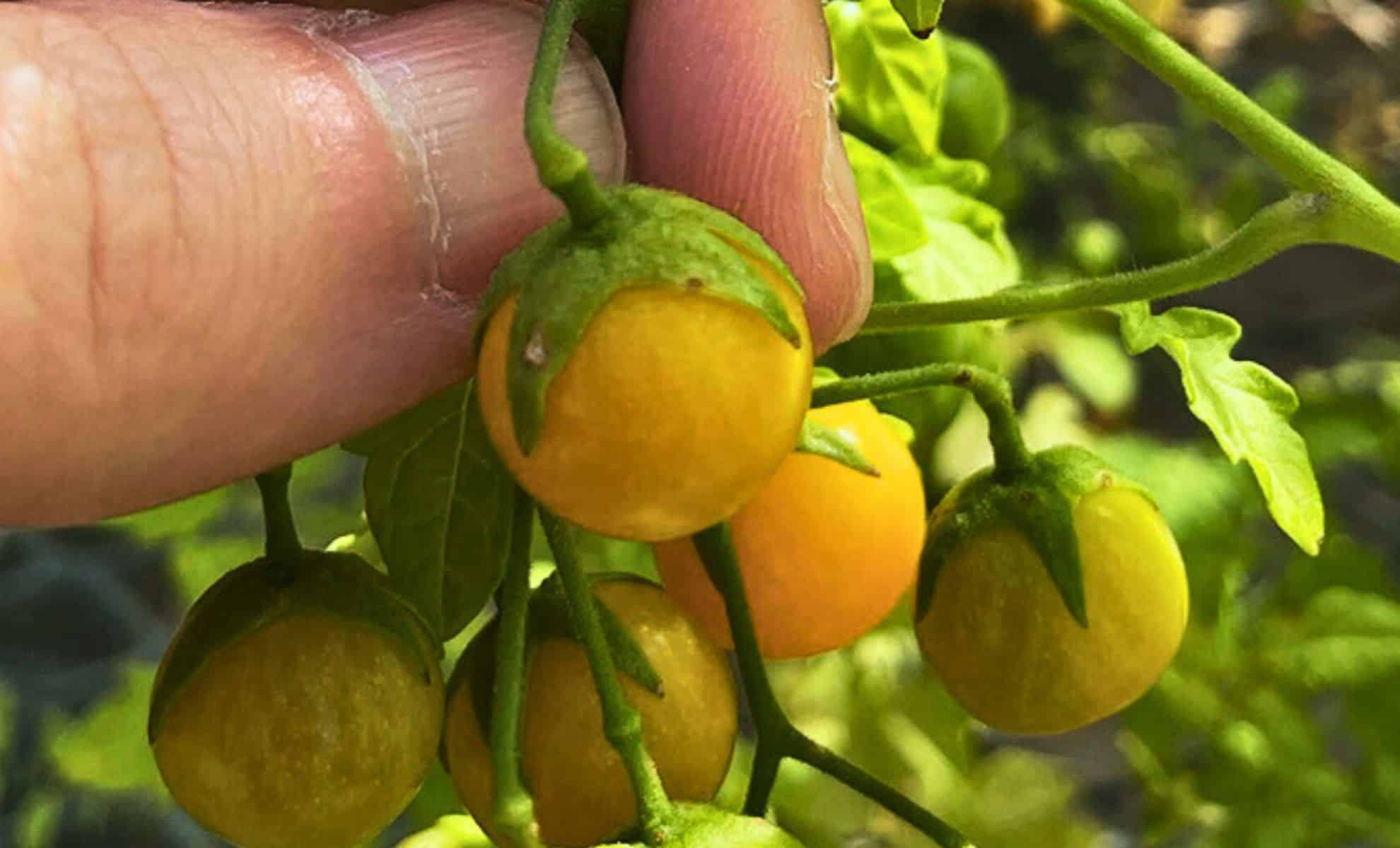
A Swiss research team used precise gene editing to correct a mutation in the SSP2 gene of domesticated tomatoes, resulting in earlier fruiting, more compact growth, and potential for improved crop scheduling, highlighting how fixing deleterious mutations can enhance crop traits.
Scientists have decoded the complex genome of the sweet potato, revealing its intricate ancestry from multiple wild species and its unique genomic architecture, which contributes to its resilience and adaptability, providing valuable insights for crop breeding and food security.
Scientists have discovered that wild tomatoes in the Galápagos Islands are evolving backwards, regaining ancient traits lost millions of years ago, challenging traditional views of evolution and opening new avenues for genetic research and crop improvement.
A new analysis of the sunflower family tree has revealed that flower symmetry evolved multiple times independently, a process known as convergent evolution. The study, led by a Penn State biologist, used low-coverage genome sequences to increase the number of species in the analysis, providing insight into how the sunflower family, which includes asters, daisies, and food crops, evolved. The research team also found that changes in the number of copies and expression patterns of the floral regulatory gene, CYC2, are likely related to the convergent evolution of flower symmetry in sunflowers. This knowledge could help identify useful traits for selectively breeding plants with more desirable characteristics.
Scientists have discovered plant enzymes that can perform the complex reaction of the bioluminescence pathway, leading to the creation of glowing Chrysanthemums and Firefly Petunias. This breakthrough allows for the visualization of plant molecular physiology and offers insights into plant responses to stresses, potentially impacting fields such as crop development and disease resistance. The technology, developed by Karen Sarkisyan and sponsored by Light Bio, aims to transform the horticulture industry with beautiful biotech creations and has the potential for applications in monitoring disease progression and drug screening.
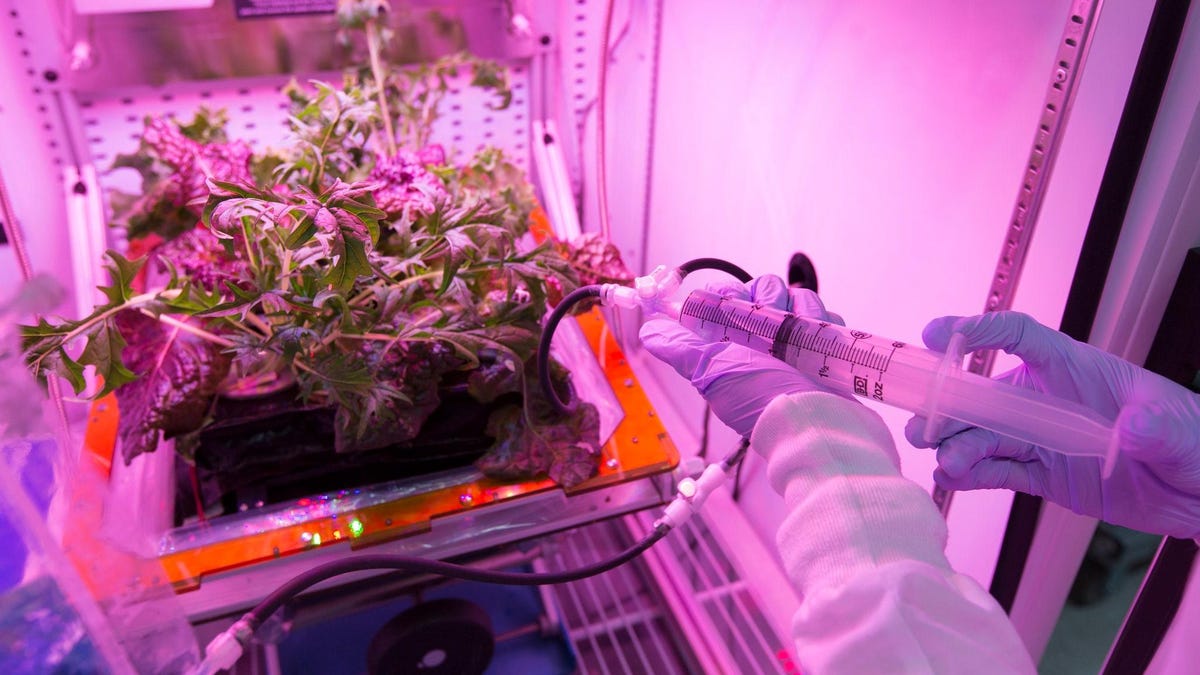
Researchers found that lettuce grown in a simulated microgravity environment on Earth is more susceptible to bacterial infections like E. coli and Salmonella, posing a potential risk for astronauts consuming space-grown produce. The study revealed that plants lose their ability to protect themselves in microgravity, allowing bacteria to invade leaf tissue more easily. To address this issue, researchers are exploring genetic modifications in lettuce varieties to prevent the plants from opening their stomata wider in space, aiming to ensure food safety for future long-duration space missions to the Moon or Mars.
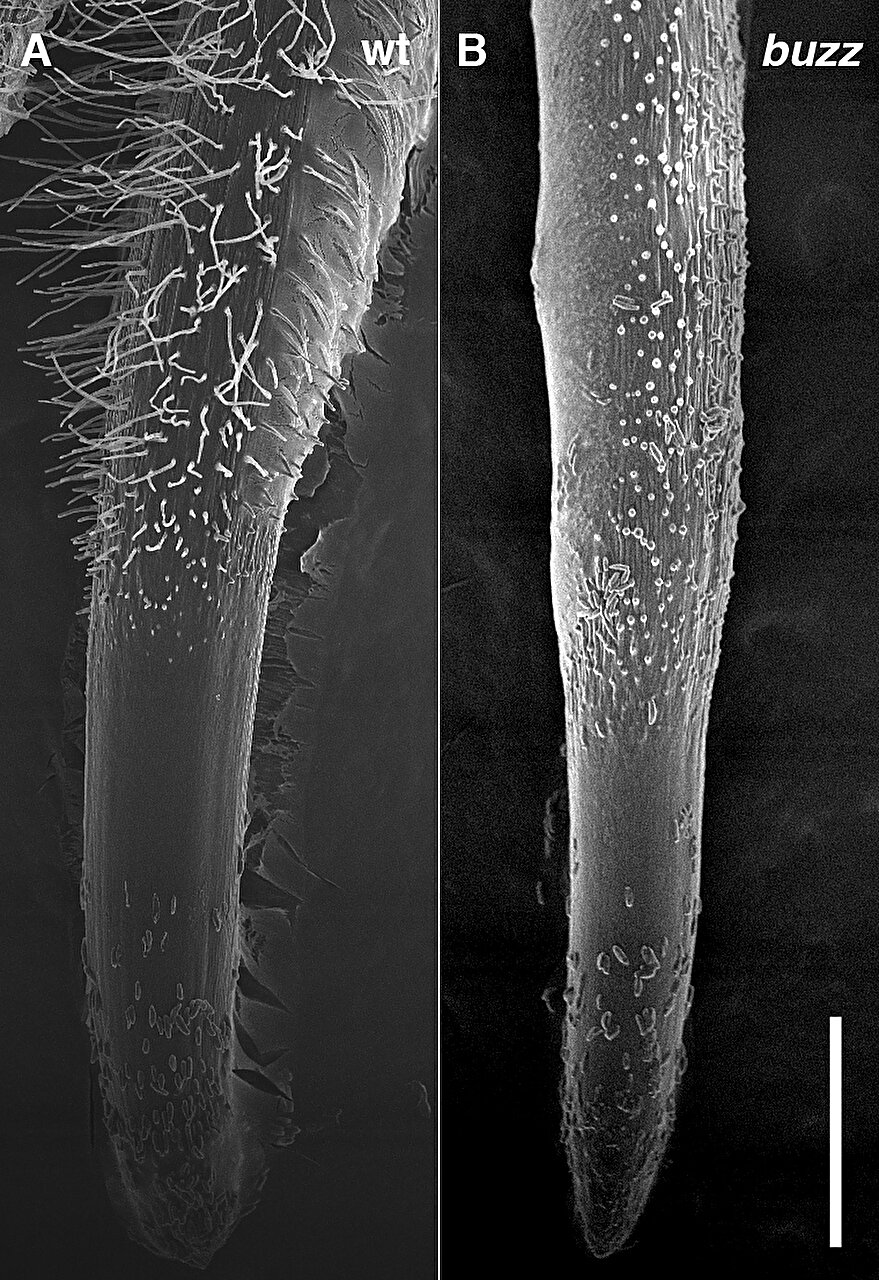
Scientists have discovered a plant gene called "BUZZ" that plays a crucial role in driving the growth of root hairs, which help plants find water and nutrients in the soil. This gene also influences how plants find and use nitrates, an essential source of nitrogen for plant growth. Understanding the genetic mechanisms behind nitrate uptake and signaling could have significant implications for sustainable agriculture and the nitrogen cycle. The discovery of the BUZZ gene in a model grass plant suggests its conservation across important crops like wheat, rice, maize, and barley, potentially boosting their ability to find and utilize nitrates.
Researchers at North Carolina State University have successfully transferred a gene within plant cells to produce tobacco plants that lack pollen and viable seeds while growing normally. This technique could be used to improve hybrid seed production in crops or introduce seedlessness in fruit species. The researchers moved an essential mitochondrial gene to the nucleus and used genome editing tools to remove the native gene. The transferred gene was expressed in every cell except those responsible for pollen production. The plants appeared normal but failed to produce pollen. Additionally, when cross-fertilized, the plants produced small, hollow seeds. The researchers are now working to achieve either pollen infertility or the seedless trait alone. They plan to test the technique in other plant species such as tomato and rice.