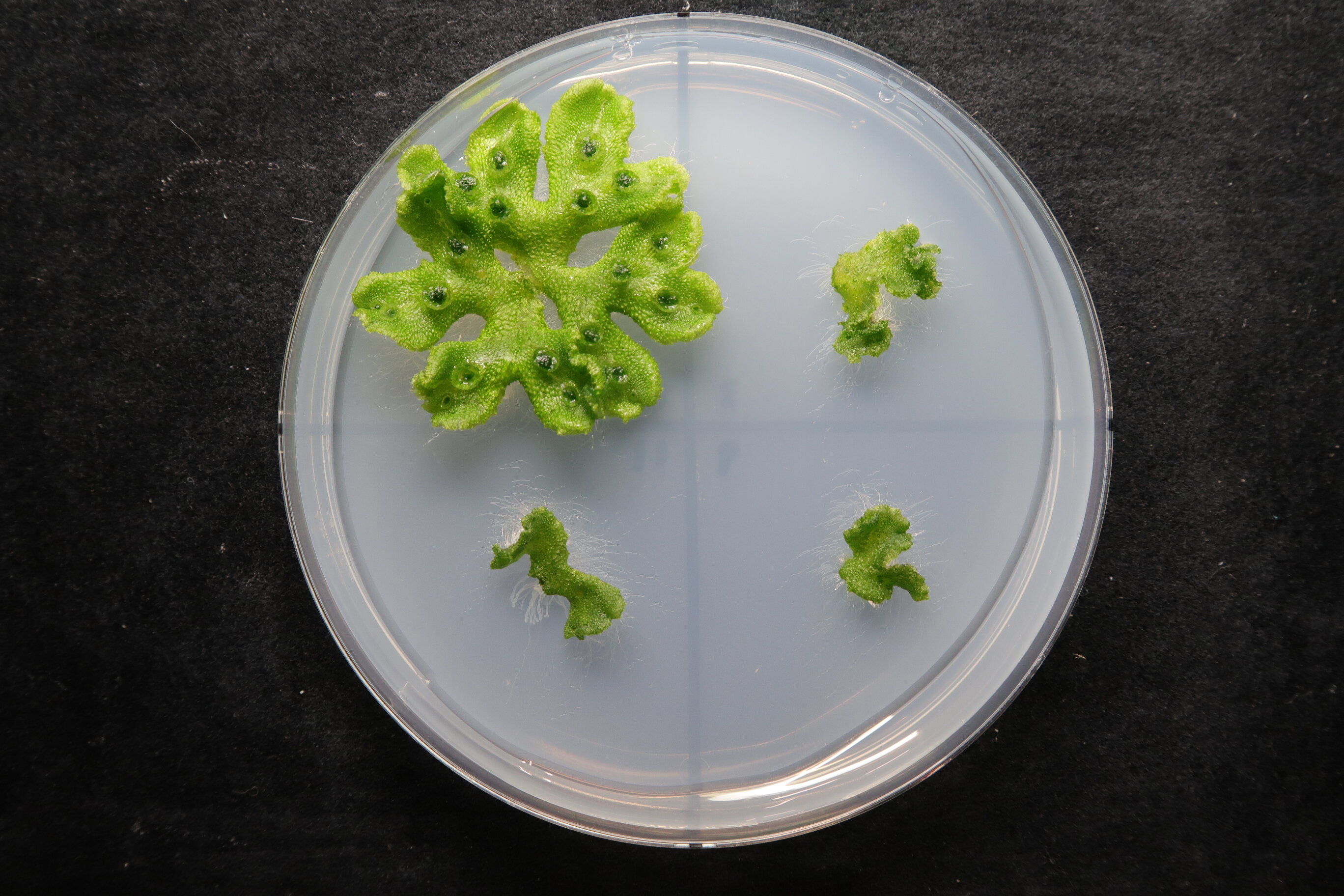
Researchers discovered that the RLF gene, involved in root development in vascular plants, is also crucial for organ development in liverworts, ancient land plants lacking true roots, indicating that this gene's role predates root evolution and highlights evolutionary reuse of mechanisms.
Scientists with the Human Cell Atlas project have made significant progress in mapping the 37 trillion cells in the human body, releasing over 40 papers detailing cell profiles from various organs and systems. This research aims to create a comprehensive atlas of human cells, highlighting differences across demographics and genetic backgrounds. The findings include insights into gastrointestinal diseases, early human development, and the creation of organoids, which are lab-grown mini-organs that mimic real organs. This work could lead to breakthroughs in understanding diseases and developing treatments.
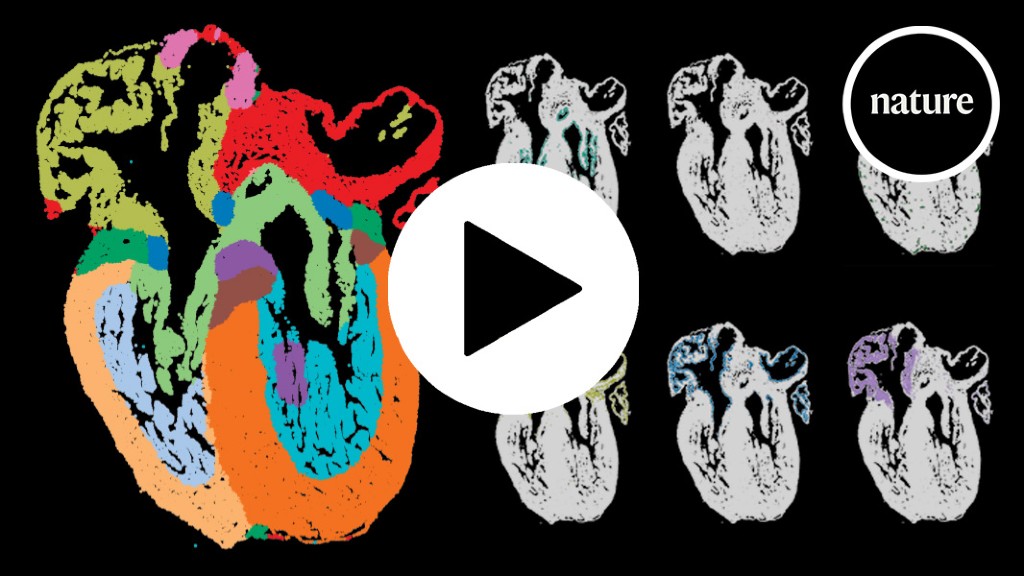
Researchers have utilized RNA sequencing and advanced imaging techniques to create a detailed map of the developing human heart, aiming to provide valuable insights into congenital defects, a leading cause of infant mortality. This comprehensive 'atlas' of the heart's cellular organization could pave the way for significant advancements in understanding and addressing heart-related health issues.
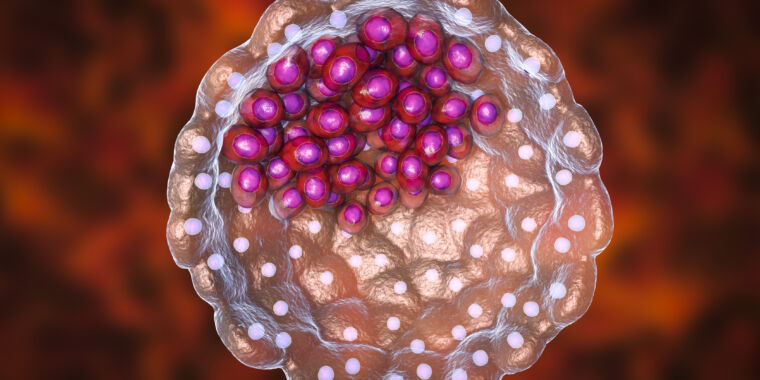
Israeli scientists at the Weizmann Institute have achieved a significant breakthrough in synthetic embryo development by creating a stem cell-derived human embryo model that closely resembles a human embryo at day 14 of development. This advancement will enable researchers to study the development of organs, as well as investigate birth defects and congenital diseases that occur during the critical period between day 10 and day 40 of embryonic development.
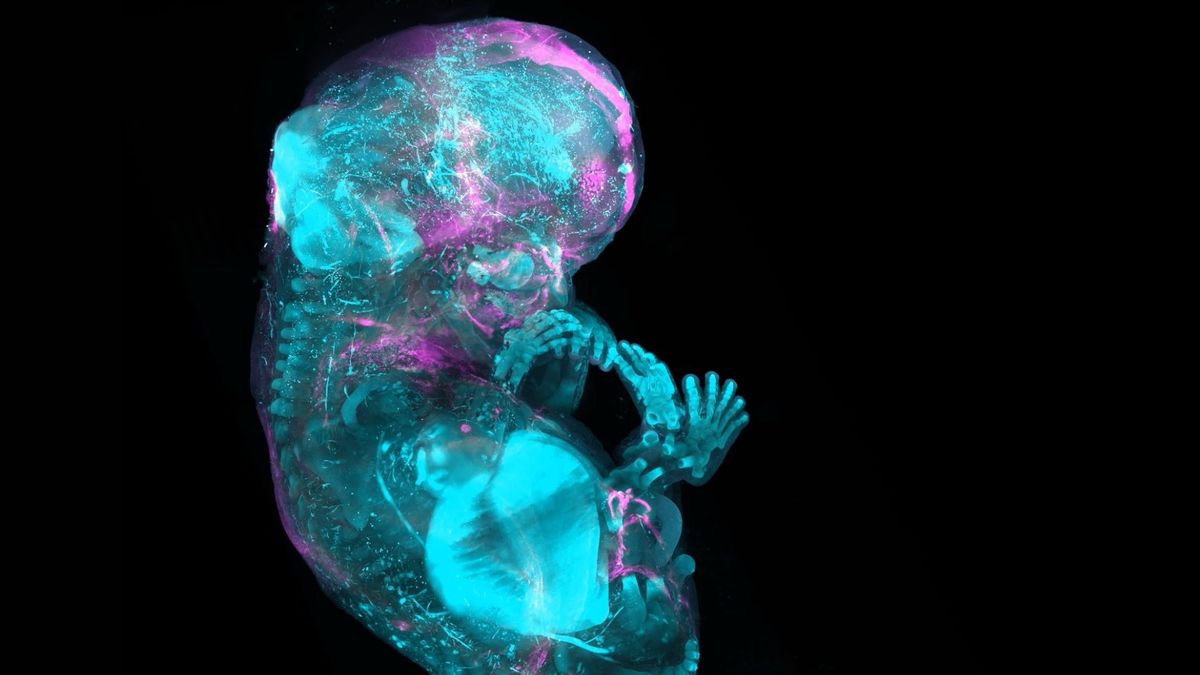
Researchers have successfully cultivated primate embryos in a lab for 25 days post-fertilization, achieving key developmental landmarks never before observed in culture, including the start of organ development. This breakthrough could help understand congenital birth defects and organ development in humans. The embryos surviving to 25 days had many of the hallmarks of an in utero embryo, such as the three embryonic tissue layers ultimately responsible for the formation of the fetus and the formation of the neural tube, which goes on to form the brain and spinal cord.