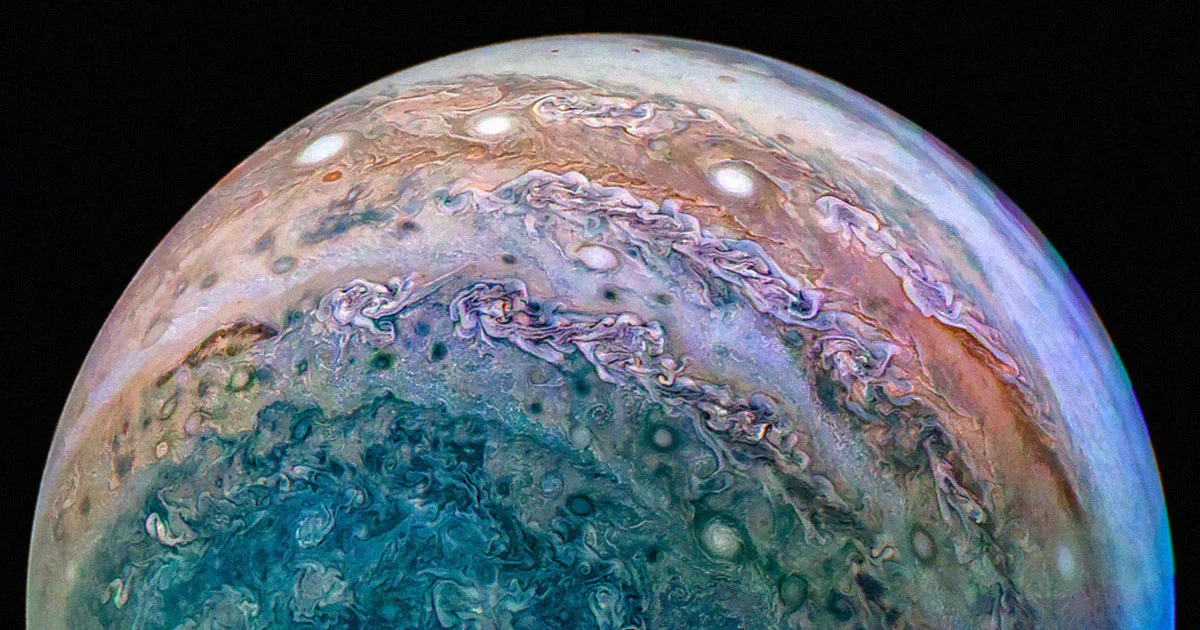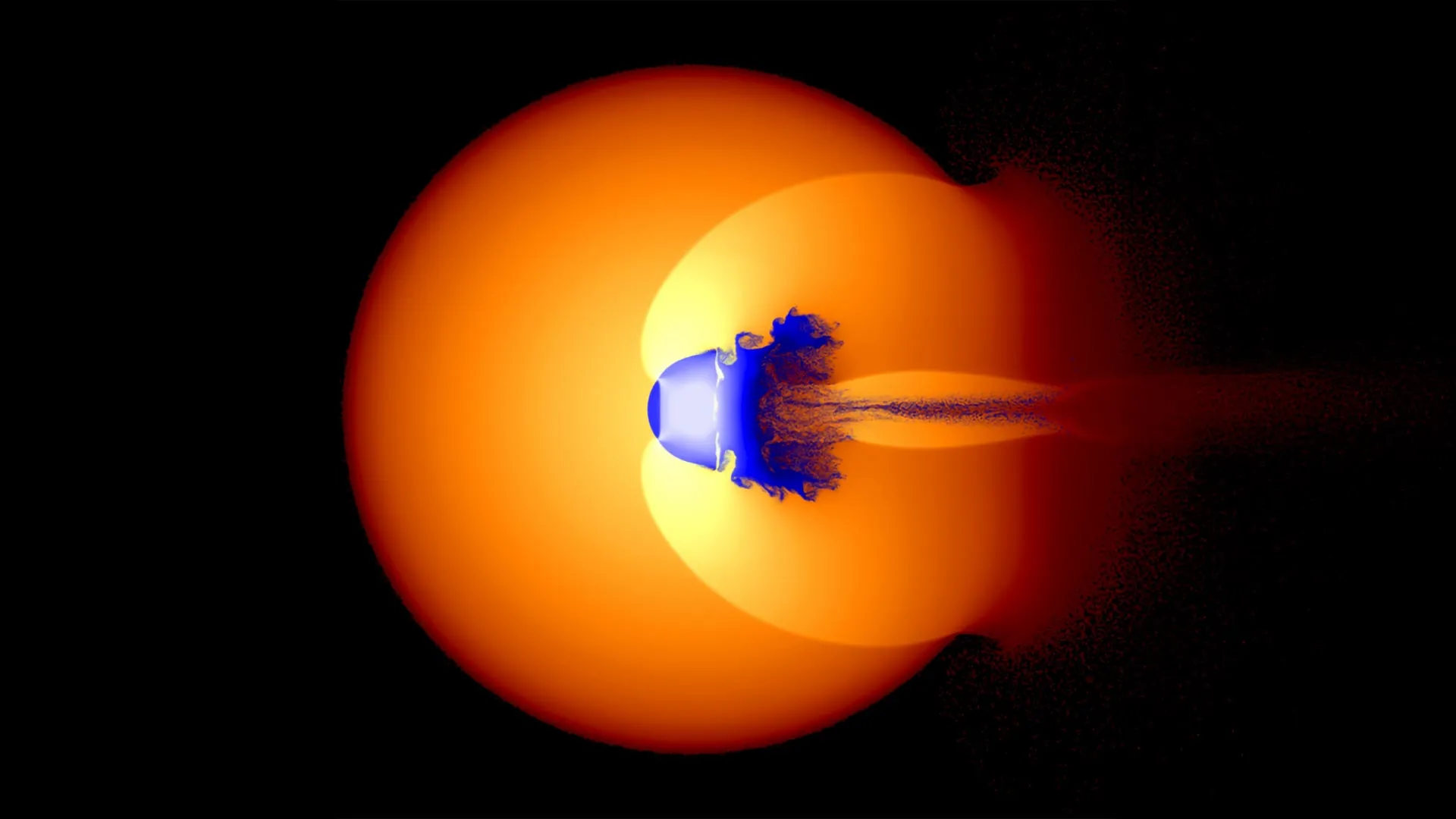
New research challenges the traditional impact theory of Jupiter's core formation, suggesting instead that its dilute, layered core formed gradually over time, a process that may also apply to other gas giants like Saturn and exoplanets.
New research suggests Jupiter's core was formed gradually through planetary growth rather than by a giant impact, revealing a dilute core structure that blends into surrounding layers, challenging previous theories and providing insights into planetary formation processes.
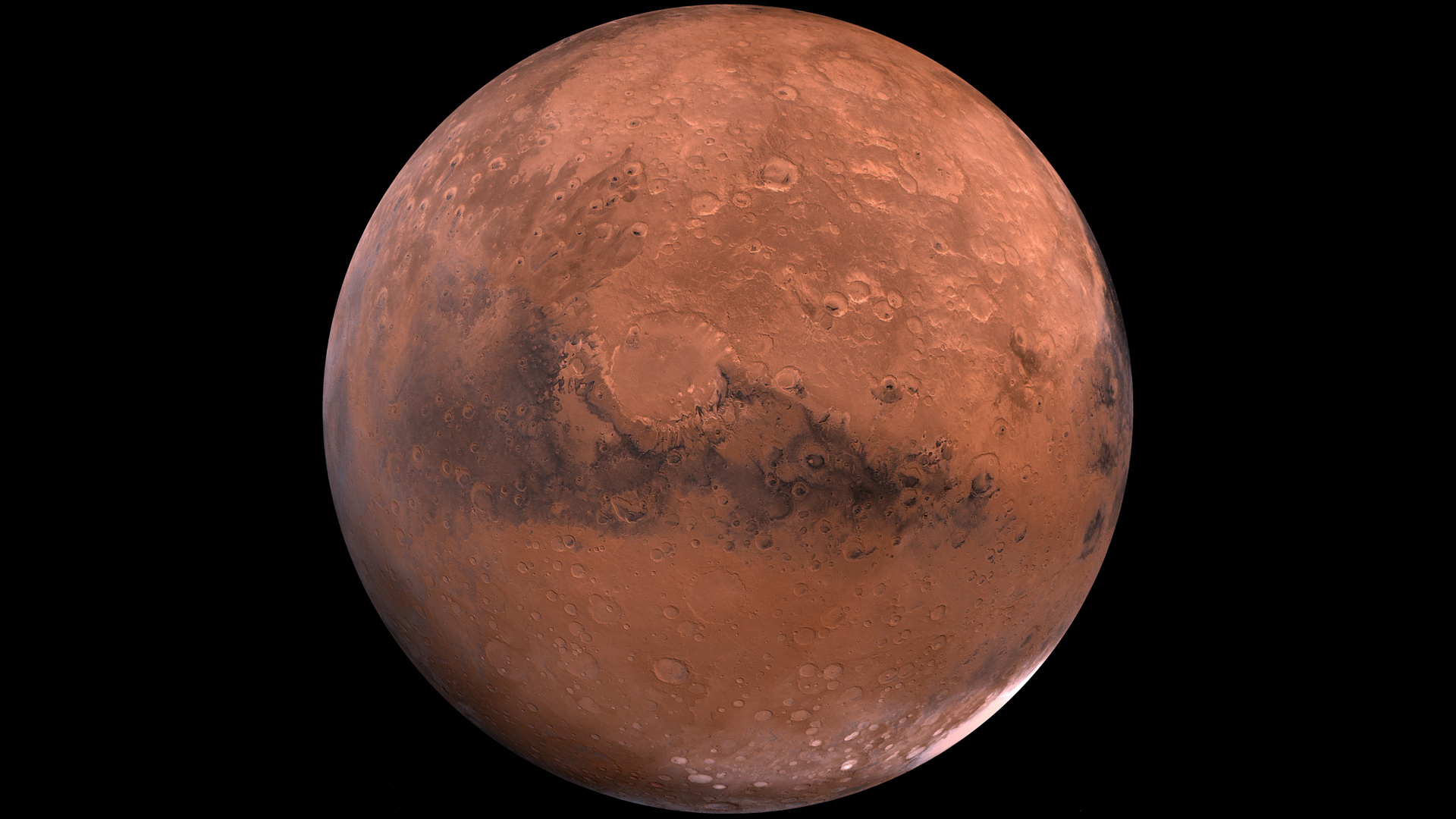
New experiments suggest that Mars' core formed rapidly within a few million years through molten iron and nickel sulfides seeping into the planet's center, challenging previous models of planetary differentiation and indicating that Mars' core may be rich in sulfur, which could give it a rotten egg smell.
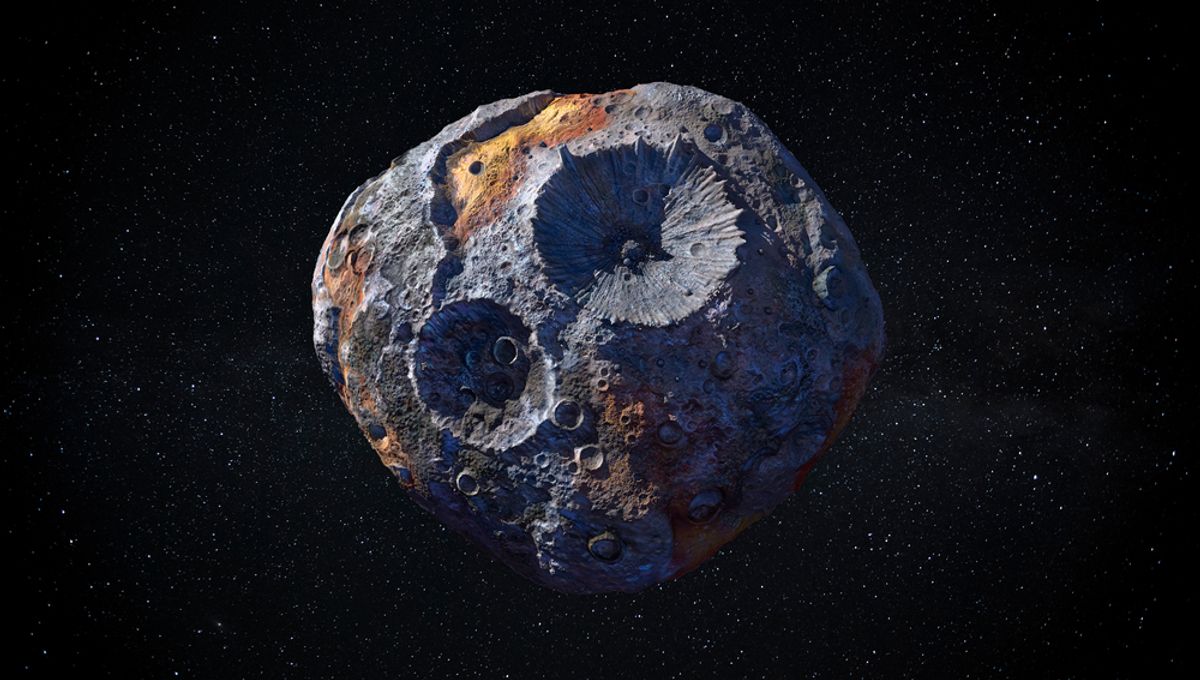
NASA's Psyche mission, scheduled for liftoff on October 5, 2023, aims to explore the asteroid Psyche, which is believed to be a metallic world similar in composition to Earth's core. The spacecraft will orbit the asteroid and study its geology, topography, gravity, and magnetic field to gain insights into the mysteries of Earth's interior. By examining Psyche, scientists hope to learn more about planetary cores and potentially solve some of the long-standing questions about our own planet's core. The mission will provide valuable knowledge about the formation of planets and the solar system.