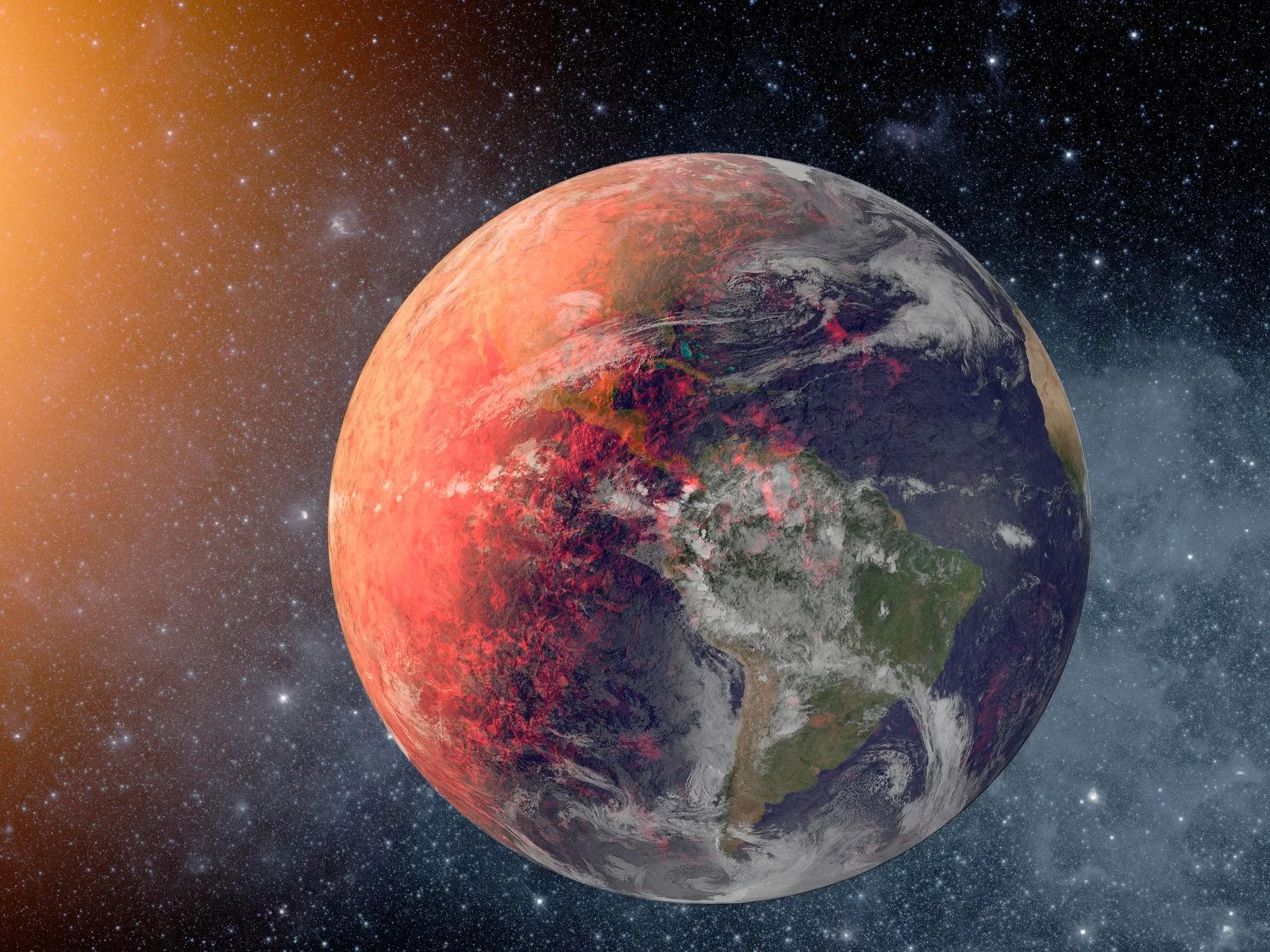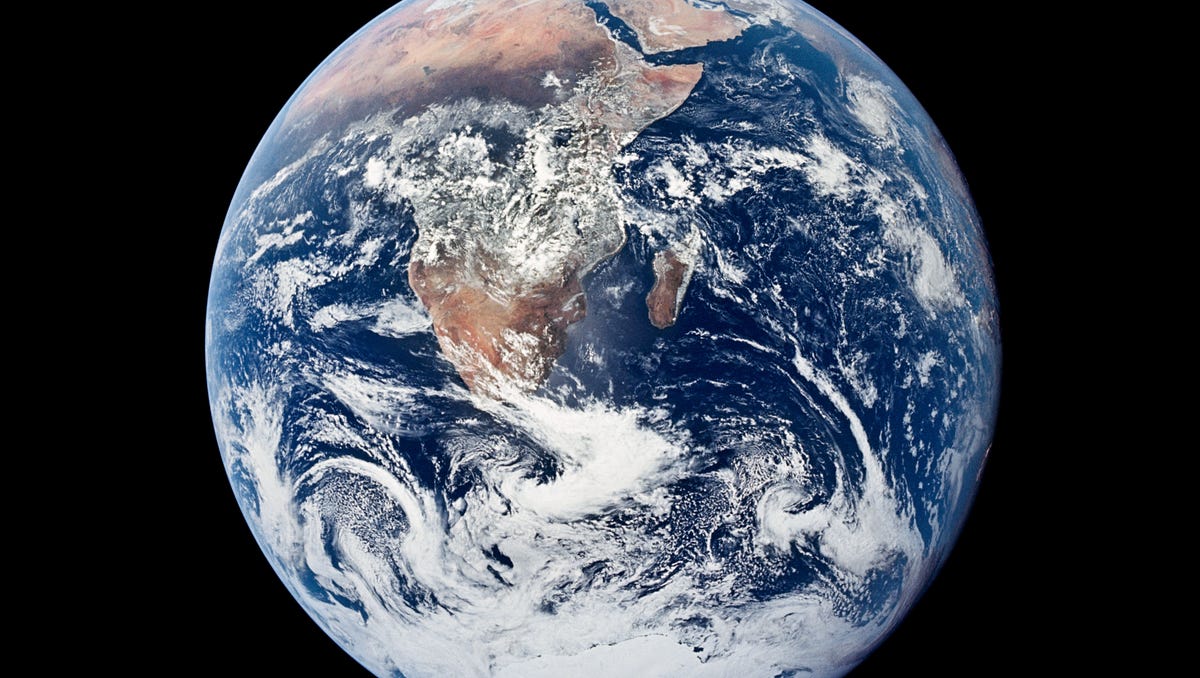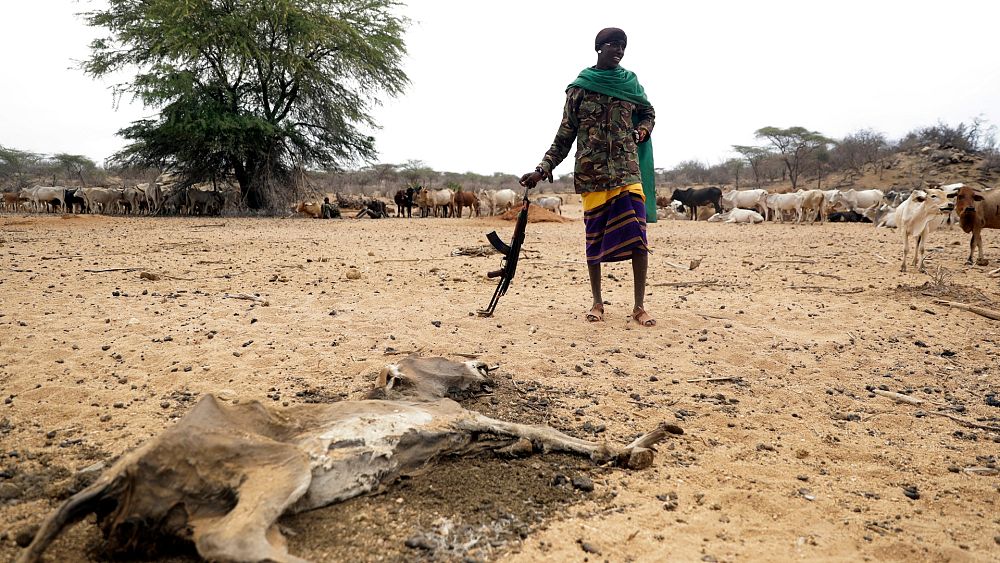
A new study reveals that 60% of Earth's land has exceeded safe ecological limits, primarily due to human activity like land conversion and biomass use, with significant impacts on climate and ecosystems, especially in Europe, Asia, and North America. The research emphasizes the urgent need for global biosphere protection and integrated climate policies.
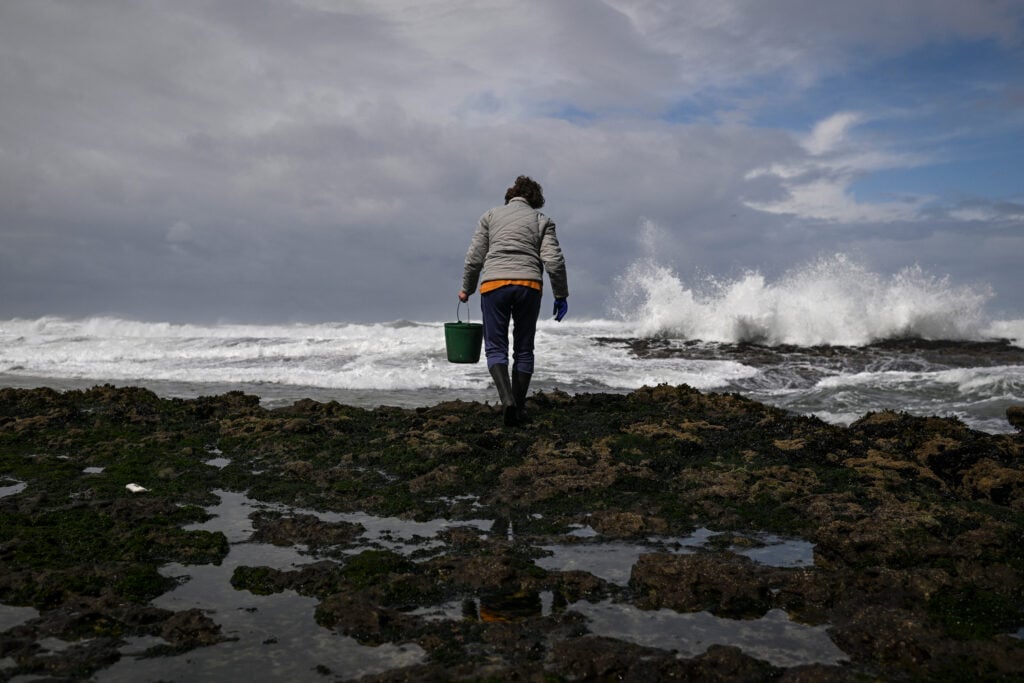
A recent study reveals that the world's oceans have already crossed critical acidification thresholds, threatening marine ecosystems and coastal economies, with deeper waters being more affected than previously thought, highlighting an urgent need for policy action.
Scientists warn that human activity has caused the transgression of six out of nine crucial planetary boundaries, leading to dangerous and irreversible changes to the planet. The planetary boundary framework, established in 2009, helps identify a "safe operating space" for life on Earth. Sustaining life on the planet may become increasingly difficult as these boundaries are breached.
A new study warns that six out of nine planetary boundaries, which ensure the Earth is a safe operating space for humanity, have been breached. The boundaries for climate change, land use, freshwater change, biogeochemical flows, novel entities (synthetic pollution), and biosphere integrity have all been crossed, while atmospheric aerosol loading and ocean acidification are close to being breached. The study serves as a wake-up call, highlighting the urgent need for action to mitigate global warming and protect the planet's stability and resilience.
A new study published in Science Advances warns that Earth is increasingly becoming uninhabitable for humans as six out of nine planetary boundaries have been breached due to human-caused pollution and destruction of the natural world. These boundaries, which include biosphere integrity, climate change, freshwater changes, land system change, the introduction of novel entities, and biogeochemical flows, determine the fate of the planet. The study indicates that Earth is now well outside the safe operating space for humanity, with failing resilience making it difficult to reach climate goals and bringing the world closer to tipping points.
A new study warns that human activity has crossed six out of nine planetary "boundaries" crucial for maintaining Earth's stability and livability. These boundaries include biosphere integrity, climate change, freshwater changes, ocean acidification, stratospheric ozone depletion, atmospheric aerosol loading, land system change, introduction of novel entities, and biogeochemical flows. The study emphasizes the need to reduce pressure on these boundaries to prevent irreversible changes and harm to the planet. The researchers stress that focusing solely on climate change is not enough; the biodiversity crisis must also be addressed to ensure a sustainable future.
Scientists have warned that Earth's life support systems have been severely damaged, pushing the planet "well outside the safe operating space for humanity." Six out of nine "planetary boundaries" have been breached due to human-caused pollution and destruction of the natural world. These boundaries represent the limits of key global systems, such as climate, water, and biodiversity, beyond which the ability to maintain a healthy planet is at risk. The assessment, based on 2,000 studies, reveals that all four biological boundaries are at or close to the highest risk level. The scientists emphasize the urgent need to phase out fossil fuel burning and end destructive farming practices to restore the planet's resilience.
Earth has exceeded seven out of eight scientifically established safe limits for life, including climate, air pollution, freshwater safety, and the overall natural and human-built environment, according to a new study by the international scientist group Earth Commission. The study includes measures of "justice," which includes preventing harm to countries, ethnicities, and genders. The planet can recover if it changes, including its use of coal, oil, and natural gas and the way it treats the land and water, the scientists said.
An international team of scientists from the Earth Commission has identified eight “safe” and “just” boundaries spanning five vital planetary systems: climate change, the biosphere, freshwater, nutrient use in fertilisers and air pollution. Humanity has exceeded the safe and just limits for four of five systems, with aerosol pollution being the sole exception. Urgent action, based on the best available science, is now needed to return our planetary systems back within safe and just boundaries through just means.