The article discusses upcoming astronomical events in 2026, including solar and lunar eclipses, meteor showers, and planetary alignments, and offers tips for viewing these phenomena from dark sky locations, along with information on new observatories and space missions like Artemis II.
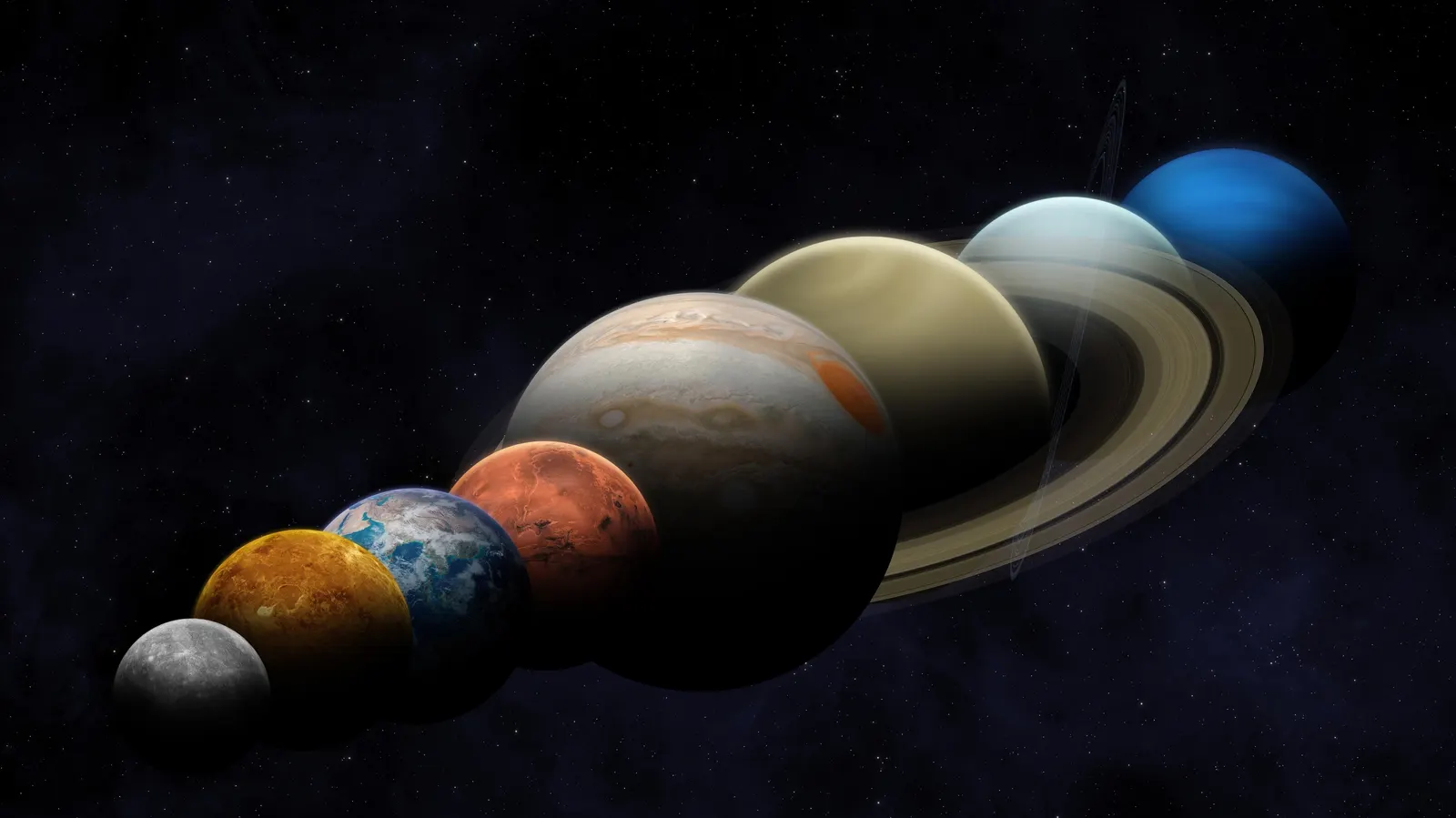
The week features the last of the 2025 five-planet parade visible before sunrise, with Venus, Jupiter, and Saturn easily seen, Neptune at its annual opposition, and a dramatic solar eclipse occurring in the Southern Hemisphere on September 22, coinciding with the fall equinox.
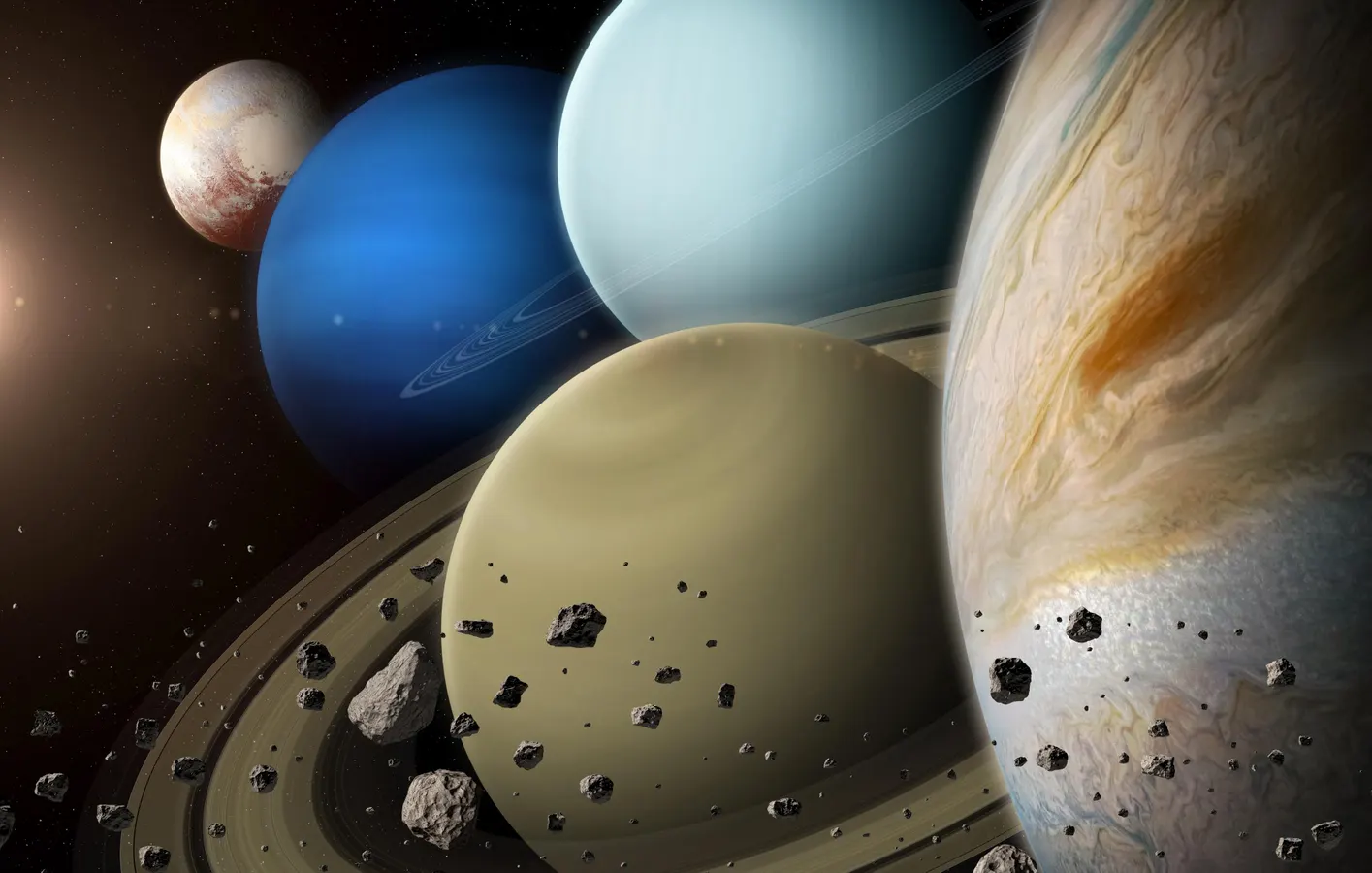
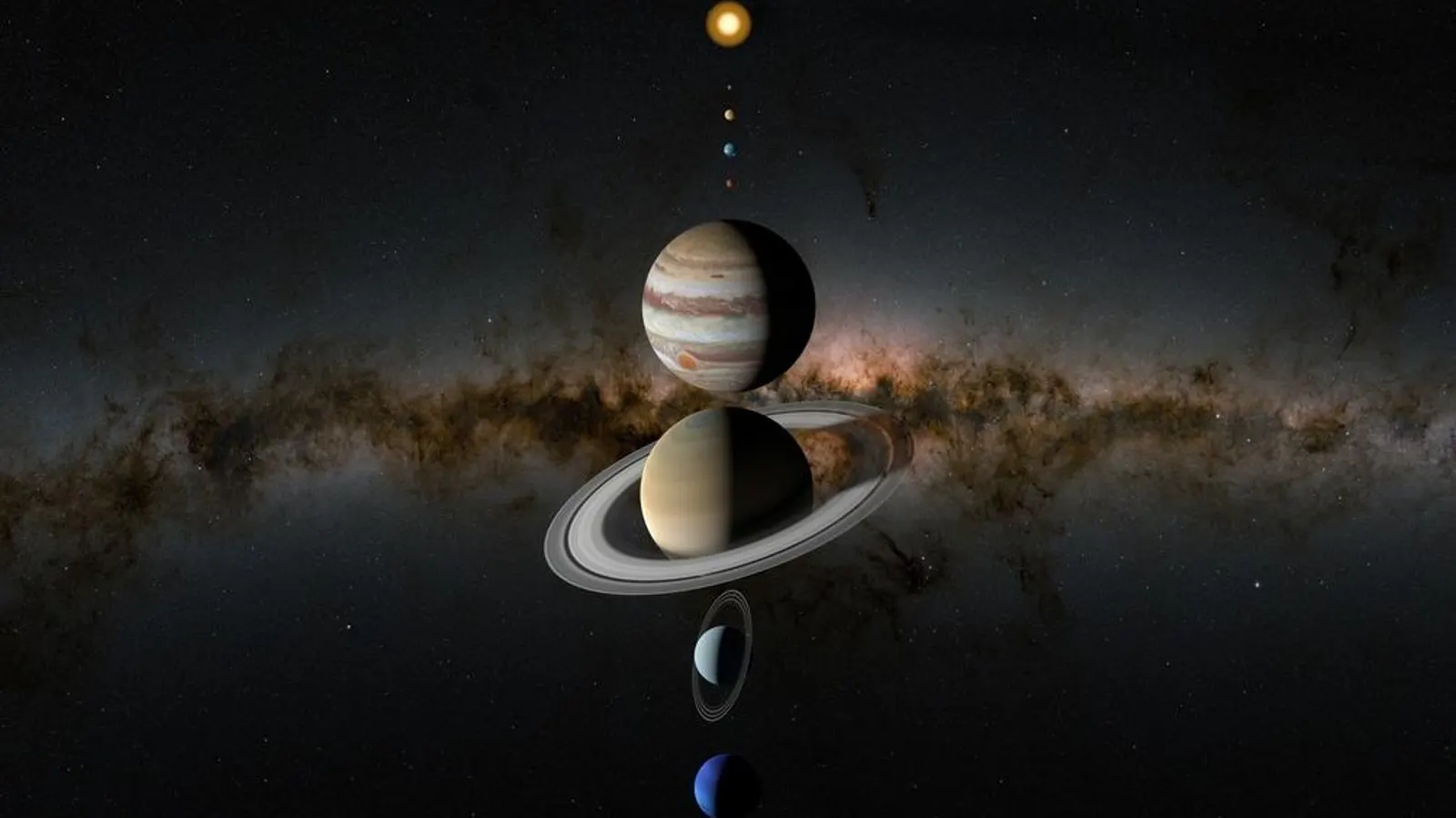
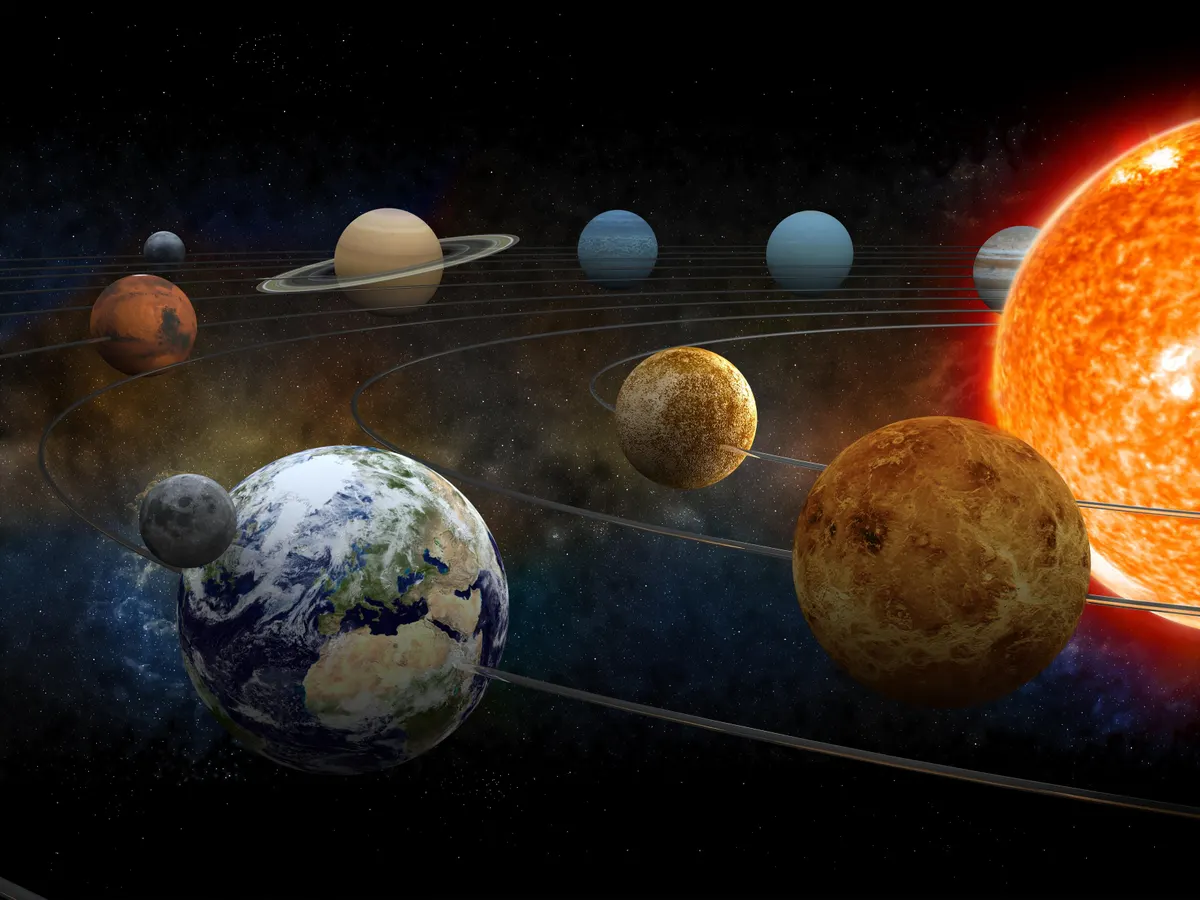
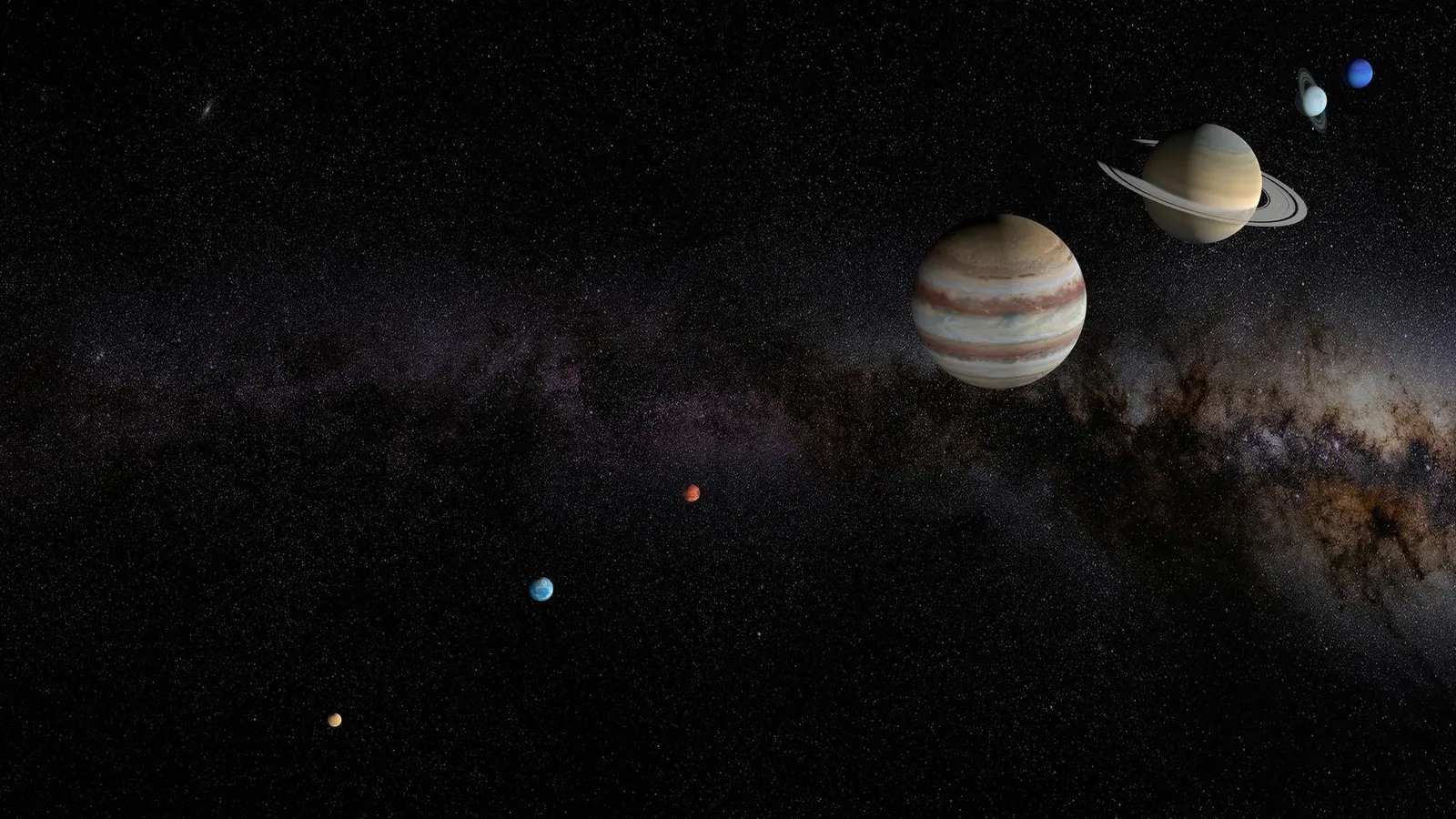
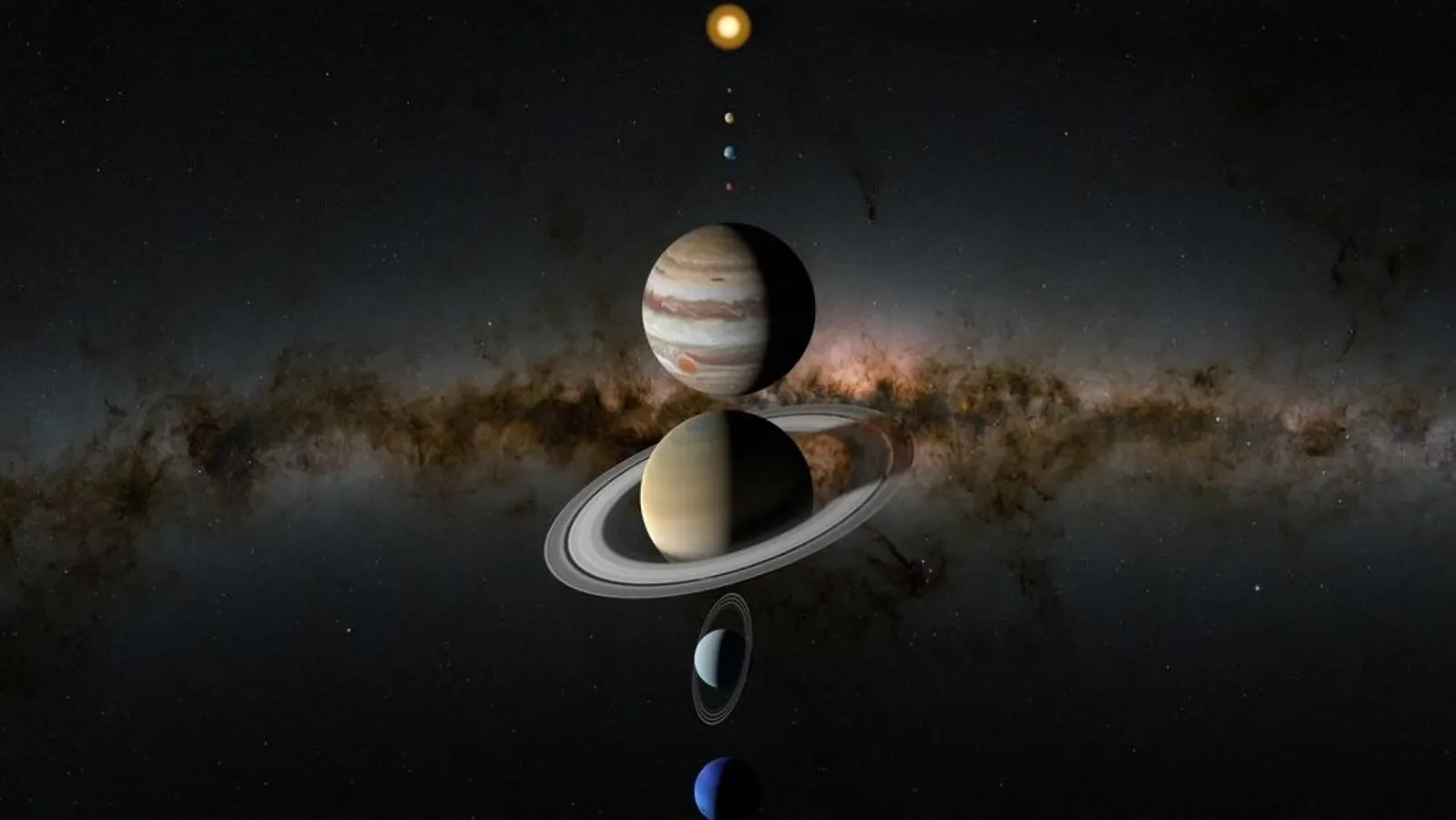
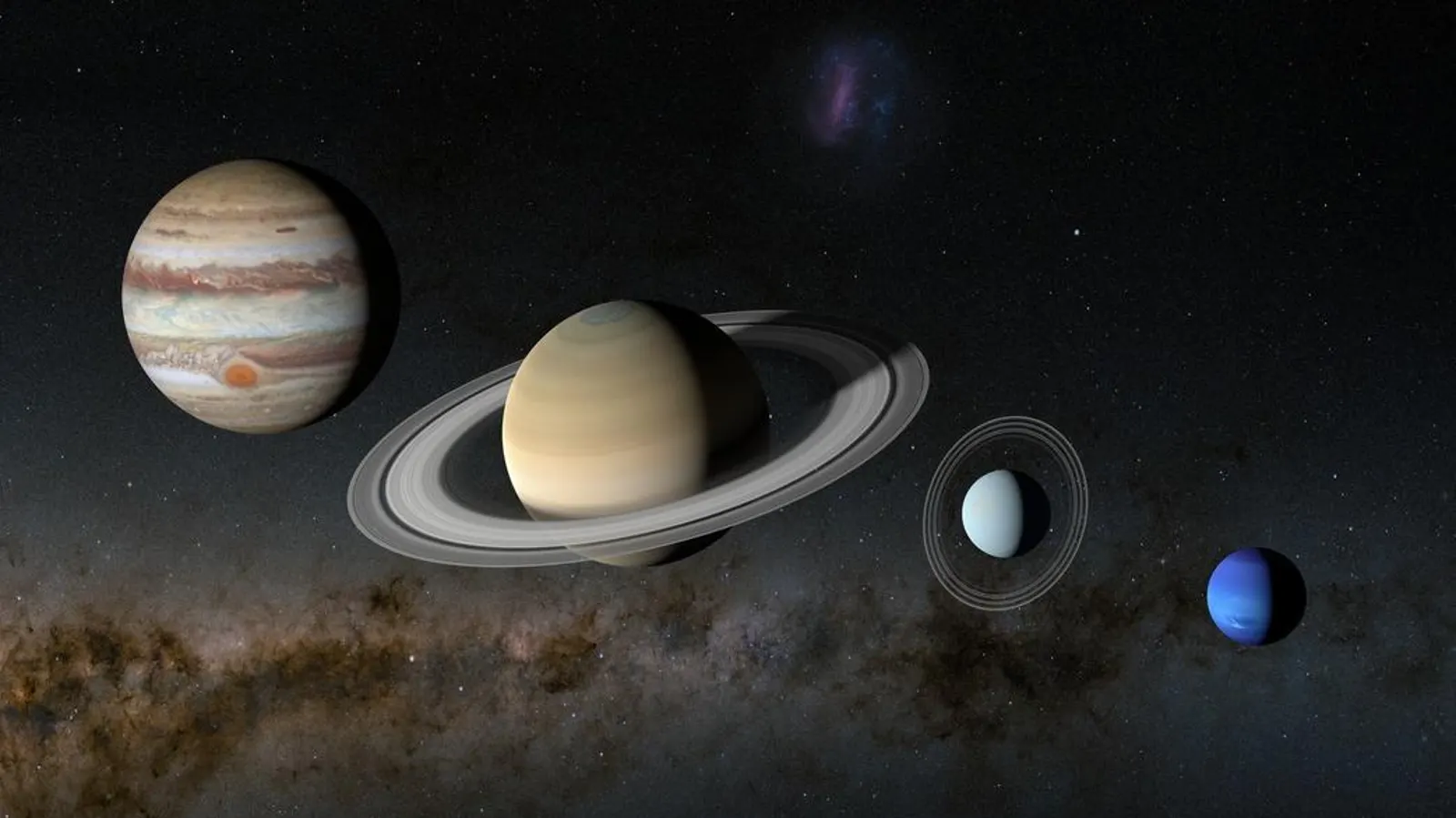
This week features a spectacular planet parade with five planets visible in the pre-dawn sky, culminating in a rare alignment of Venus, Jupiter, Saturn, Uranus, Neptune, and the moon, with key events including Saturn's opposition on September 21 and a close conjunction of Venus, Regulus, and a crescent moon on September 19. The event is best viewed from an unobstructed eastern horizon before sunrise, and marks the last such parade until October 2028.
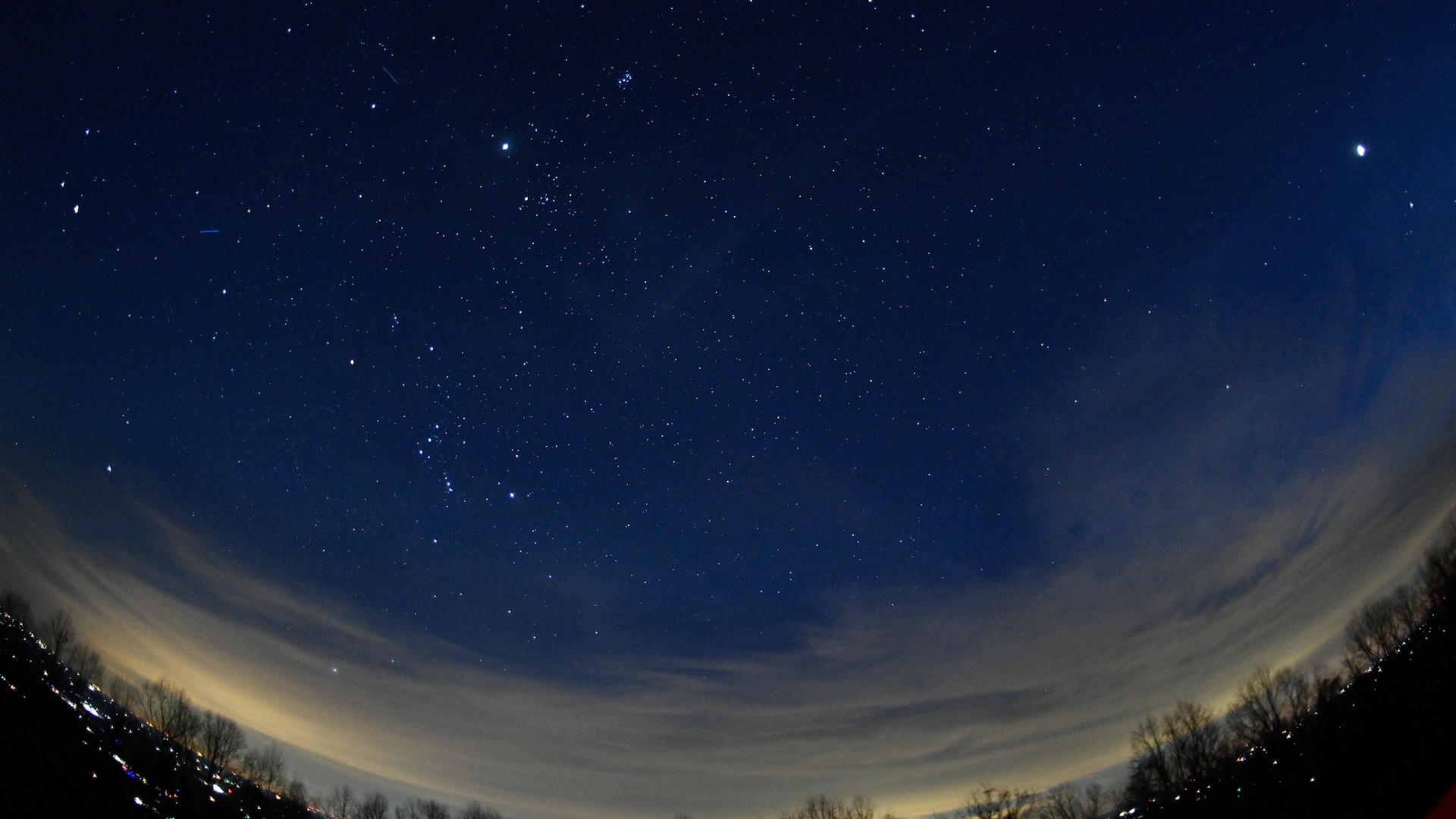
This weekend is an ideal time to observe a 'planet parade' in the pre-dawn sky, featuring Venus, Jupiter, Saturn, Neptune, Uranus, and the waning gibbous moon passing near the Pleiades star cluster and the constellations Taurus and Orion, with the best viewing about 45 minutes before sunrise. This event is the last notable planet parade until 2028.
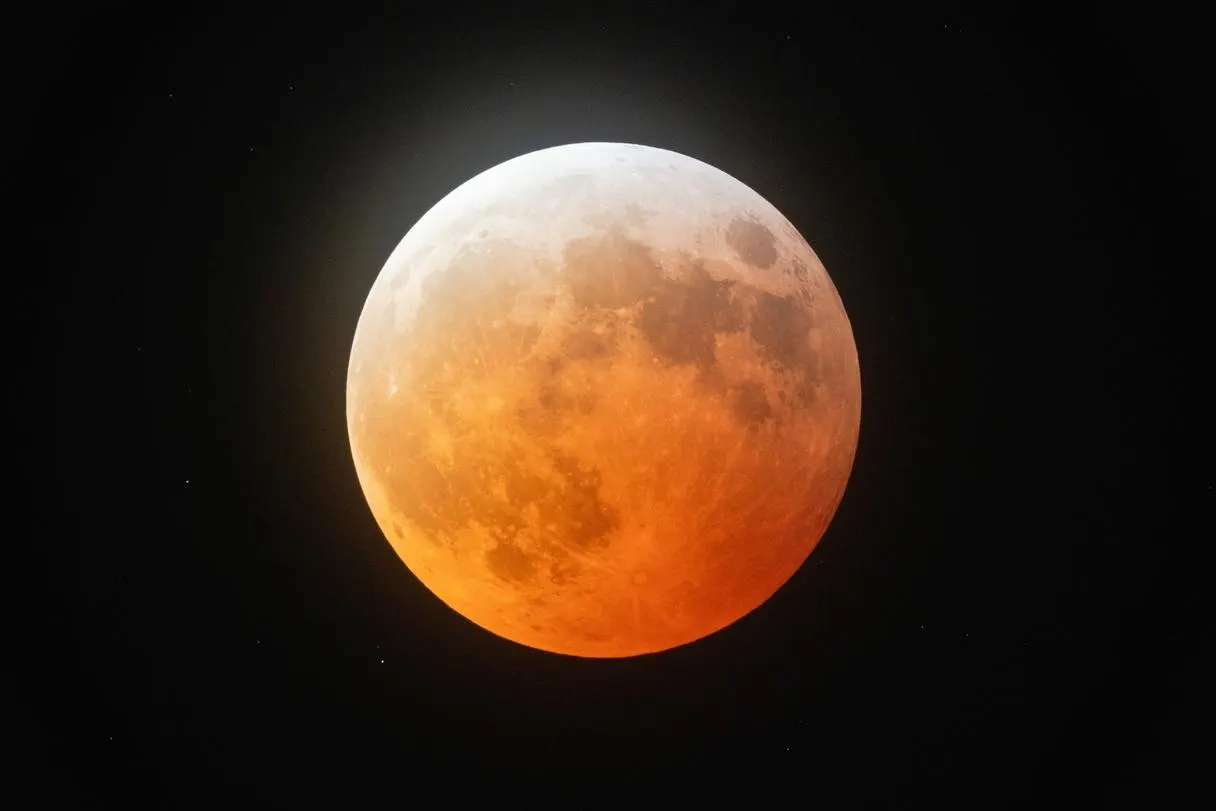
This week features a variety of celestial events including a 'Blood Moon' total lunar eclipse (visible in parts of Asia, Australia, and the Pacific), a planetary parade with Venus, Mercury, and Jupiter before dawn, and the full Corn Moon rising at dusk, offering great opportunities for stargazing in North America and beyond.
This weekend offers a great opportunity to view the 'planet parade' with Venus, Jupiter, and Saturn visible in the pre-dawn sky, while Mercury may be disappearing from view. Uranus and Neptune are more elusive, requiring binoculars or a telescope. The event is best observed an hour before sunrise, with specific planet positions depending on your location, and will be followed by a similar five-planet display in October 2028.
On August 28, six planets will be visible in the pre-dawn sky, with Venus and Jupiter shining brightly, marking the last such 'parade' until 2028. Mercury, Saturn, Uranus, and Neptune will also be visible with binoculars or telescopes, offering a rare celestial display before the planets disperse again. The event is best observed at least an hour before sunrise, with specific planet positions varying by location.
On August 27, 2025, a rare six-planet alignment will be visible in the pre-dawn sky, featuring Venus, Jupiter, Saturn, Mercury, Uranus, and Neptune, with the best viewing about an hour before sunrise. Mercury will be the hardest to spot, and Uranus and Neptune require binoculars or a telescope. The event marks a rare opportunity to see so many planets aligned before the spectacle shifts to a five-planet show as Mercury slips into the sun's glare.
On August 23, 2025, skywatchers will witness a rare planetary alignment featuring six planets—Venus, Jupiter, Saturn, Mercury, Uranus, and Neptune—visible in the pre-dawn sky, with Venus and Jupiter being the most prominent. This event coincides with a 'black moon' phase, marking the third of four new moons in a season, providing an excellent opportunity for stargazing before sunrise.
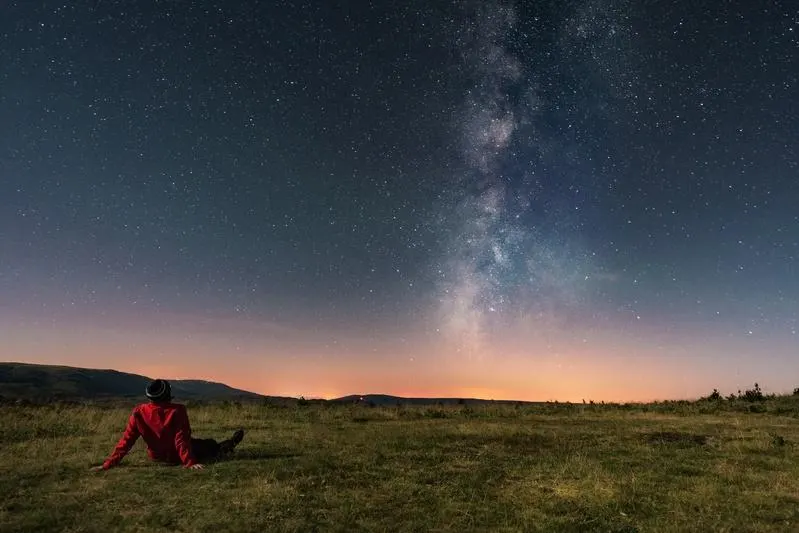
This week features a stunning celestial lineup with a planet parade of Mercury, Venus, and Jupiter, a rare black moon, and optimal conditions for observing the Milky Way, especially in dark skies away from city lights, along with notable conjunctions and the constellation Cygnus.
A week-long 'planet parade' will culminate on August 19 with a spectacular view of six planets, including Mercury at its greatest elongation, visible to the naked eye along with the moon and other planets during pre-dawn hours. The event features the moon's Earthshine and will be most photogenic on Tuesday, with subsequent days offering close approaches of the moon to Venus and Jupiter. This alignment provides a rare opportunity for skywatchers to observe multiple planets and lunar phenomena before the next such event in October 2028.
The 'planet parade' on August 18, 2023, features six planets visible to the naked eye before sunrise, with Mercury, Venus, Jupiter, Saturn, Uranus, and Neptune, complemented by a crescent moon, offering a spectacular early morning skywatching opportunity, especially on August 20 when the moon is near Venus.
A rare 'planet parade' will be visible before sunrise on August 17, featuring Saturn, Jupiter, Venus, Mercury, and the moon, with the best viewing around an hour before sunrise, and the event continuing with similar alignments until August 21.
On Saturday, August 17, 2025, a spectacular 'planet parade' will be visible in the morning sky, featuring six planets including Venus, Jupiter, Saturn, Mercury, Uranus, and Neptune, with the moon joining the event and passing near the Pleiades star cluster. The best viewing time is about an hour before sunrise, with additional planetary alignments occurring in the following days.
A rare 'planet parade' featuring six planets (Mercury, Venus, Jupiter, Saturn, Uranus, and Neptune) will be visible in the eastern sky from August 17 to 20, with most visible to the naked eye except Uranus and Neptune, which require a telescope. The event coincides with a waning crescent moon, enhancing the viewing experience, especially on August 19 and 20.