Recent research suggests humans may have over 30 senses, including traditional ones like sight and hearing, as well as others like proprioception and interoception, all working together to create a unified experience of the world. Our perception is multisensory and influenced by various factors, with ongoing studies exploring the complexity of human sensory systems.

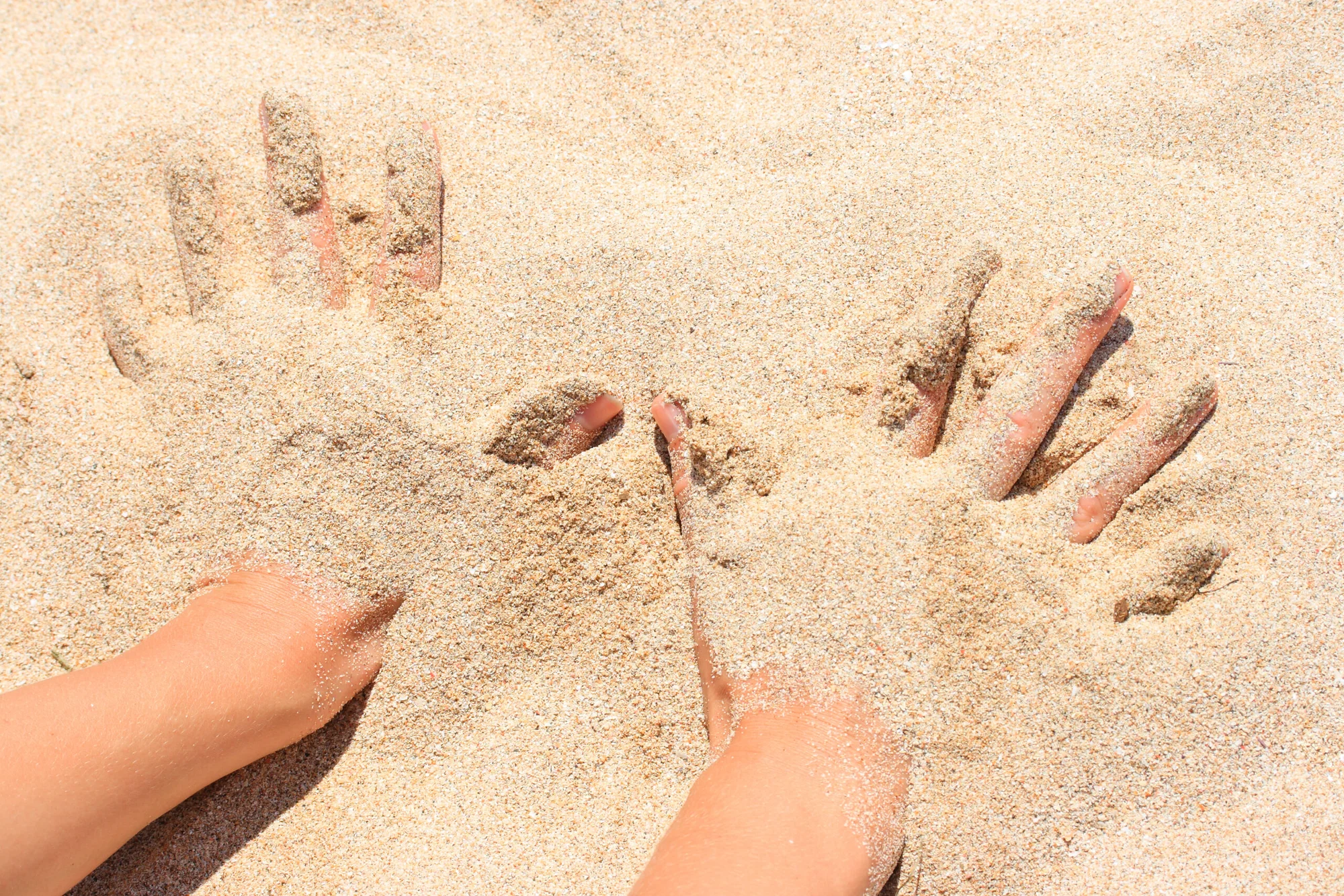
Scientists have confirmed that humans possess a 'seventh sense' of remote touch, allowing them to detect objects buried in loose materials like sand with about 70% accuracy, outperforming robots in subtlety. This ability, akin to certain shorebirds' prey detection, suggests that humans can perceive faint pressure ripples in granular media, opening new possibilities for applications in archaeology, forensics, and planetary science. Future research aims to explore different materials, improve robotic sensing, and understand the underlying neural mechanisms.
Research reveals humans possess a 'seventh sense' called remote touch, allowing them to detect buried objects beneath sand before contact, a capability supported by experiments and robotic models, which could have applications in archaeology, search and rescue, and planetary exploration.
Humans don't have specific sensors for detecting wetness, but rely on a combination of other sensory inputs such as touch, temperature, and visual cues to perceive it. The somatosensory system processes tactile information from the skin, and humans use temperature changes and visual stimuli to identify liquids. Research has shown that humans may associate the sensation of coolness with the presence of wetness, and this has implications for areas such as clothing design and prosthetics.