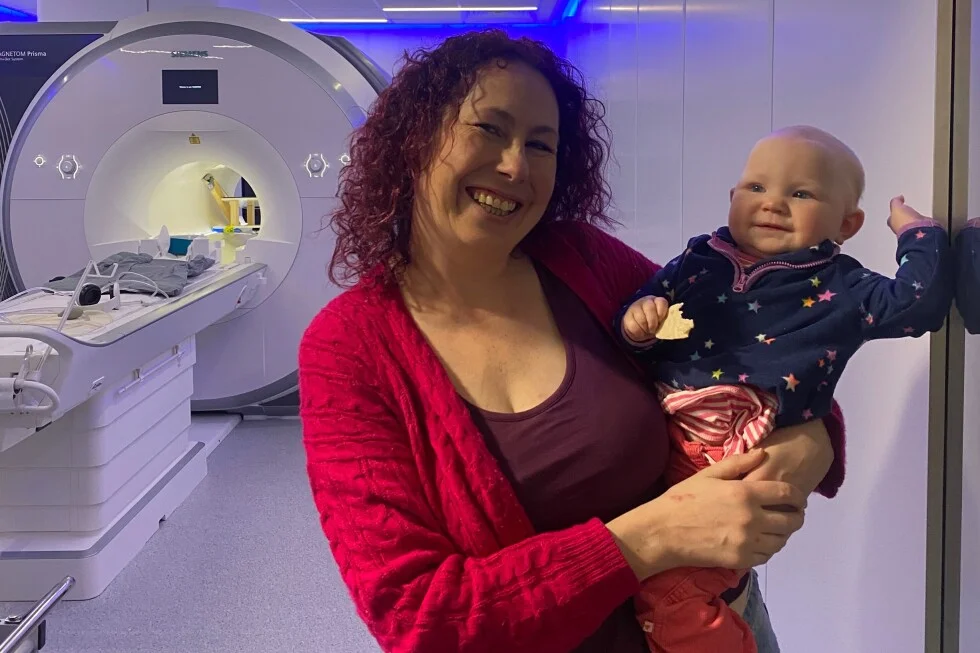
Two-month-olds can tell objects apart, new study finds
A new study suggests that two-month-old infants can distinguish between different objects, indicating early, more sophisticated perceptual processing than previously thought.

All articles tagged with #infancy
A new study suggests that two-month-old infants can distinguish between different objects, indicating early, more sophisticated perceptual processing than previously thought.
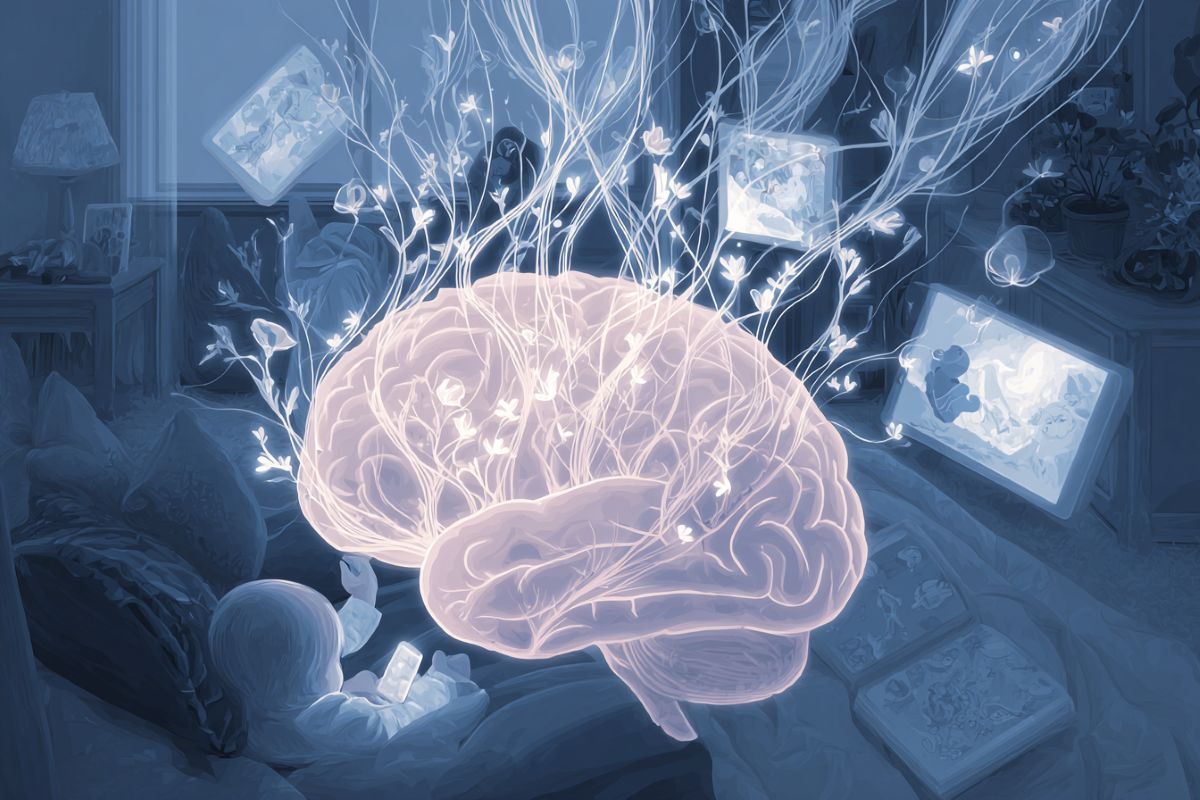
New research shows that high screen exposure before age two accelerates brain maturation in visual and cognitive networks, leading to slower decision-making and increased anxiety in adolescence, highlighting infancy as a critical period for screen exposure and the potential benefits of parental engagement like reading.
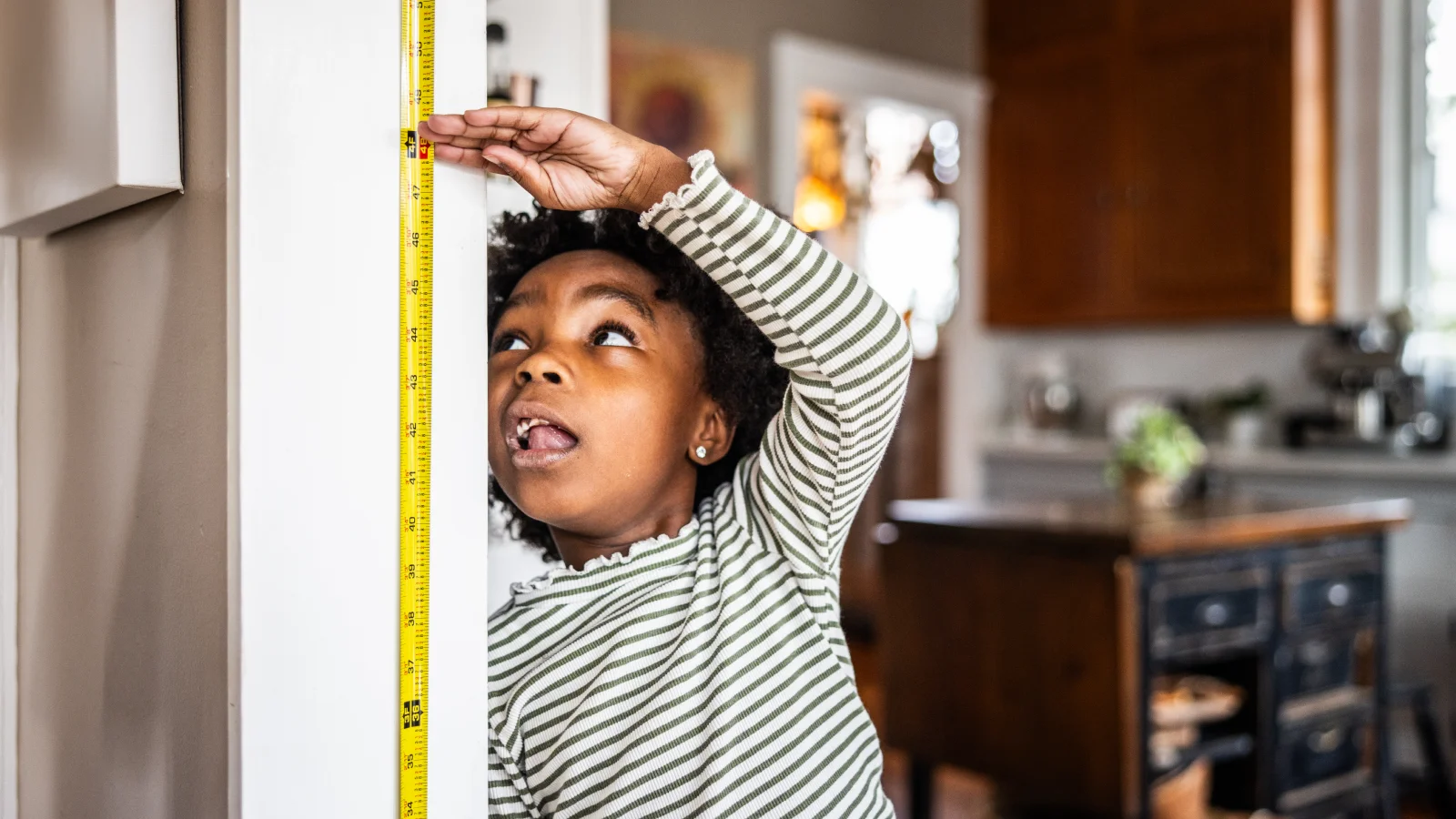
Babies grow faster than teenagers, with some infants adding nearly a foot of height per year, making early childhood the fastest growth period in humans, while teenage growth spurts are significant but second in speed.

A new study published in NEJM Evidence suggests that introducing smooth peanut butter to infants as early as 4 months old and continuing until around age 5 can reduce the risk of developing a peanut allergy by 71% in adolescence. This approach, based on the principle of oral tolerance induction, has shown lasting protection against peanut allergies, even when peanut consumption is not consistent after age 5. The findings support early peanut introduction under pediatric guidance, especially for children at low risk for allergies.

A new study published in NEJM Evidence suggests that introducing smooth peanut butter to infants as early as 4 months old and continuing until around age 5 can significantly reduce the risk of developing a peanut allergy by 71% into adolescence. This approach, based on the principle of oral tolerance induction, aligns with updated guidelines from the American Academy of Pediatrics and could prevent tens of thousands of peanut allergy cases annually. Experts recommend starting with small amounts under pediatric guidance, especially for children with severe eczema or egg allergies.

A study conducted at UPF found that six-month-old infants can predict the actions of individuals who speak their mother tongue, but not of those speaking a foreign language, indicating a bias in predictive and learning behavior. The research suggests that the brain’s predictive capabilities and learning preferences are shaped early in life by social factors such as language, influencing how infants interpret, imitate, and learn from their environment. The study observed distinct brain activity and attention focus in infants when exposed to native versus foreign language speakers, highlighting the impact of linguistic bias on children’s learning processes and social categorization.

Researchers propose a new method to determine when consciousness emerges in infants by identifying markers of consciousness in adults and tracking their appearance in babies' development. This approach aims to address the challenge of studying consciousness in non-verbal subjects like infants and could provide insights into the complex process of becoming conscious. The study suggests that consciousness may emerge early, from the last prenatal trimester, and recommends considering a broad range of developmental markers to pinpoint the onset of consciousness.

A study published in Psychological Medicine suggests that screen time during infancy may have long-term effects on brain development and socio-emotional competence in children. The research, which focused on children from the Growing Up in Singapore Towards healthy Outcomes (GUSTO) study, found that early and excessive screen exposure could disrupt the typical developmental trajectory of brain networks crucial for managing emotions and cognitive control. However, engaging in enriching activities like parent-child reading may mitigate the negative impact of screen time on brain network integration. The study highlights the importance of balancing screen time with interactive activities for promoting healthy development and well-being in children.