The resumption of student loan payments after a pandemic-related pause is contributing to increased delinquencies on car loans, especially among subprime borrowers, as many are struggling to manage their debt and prioritize payments amid financial strain.
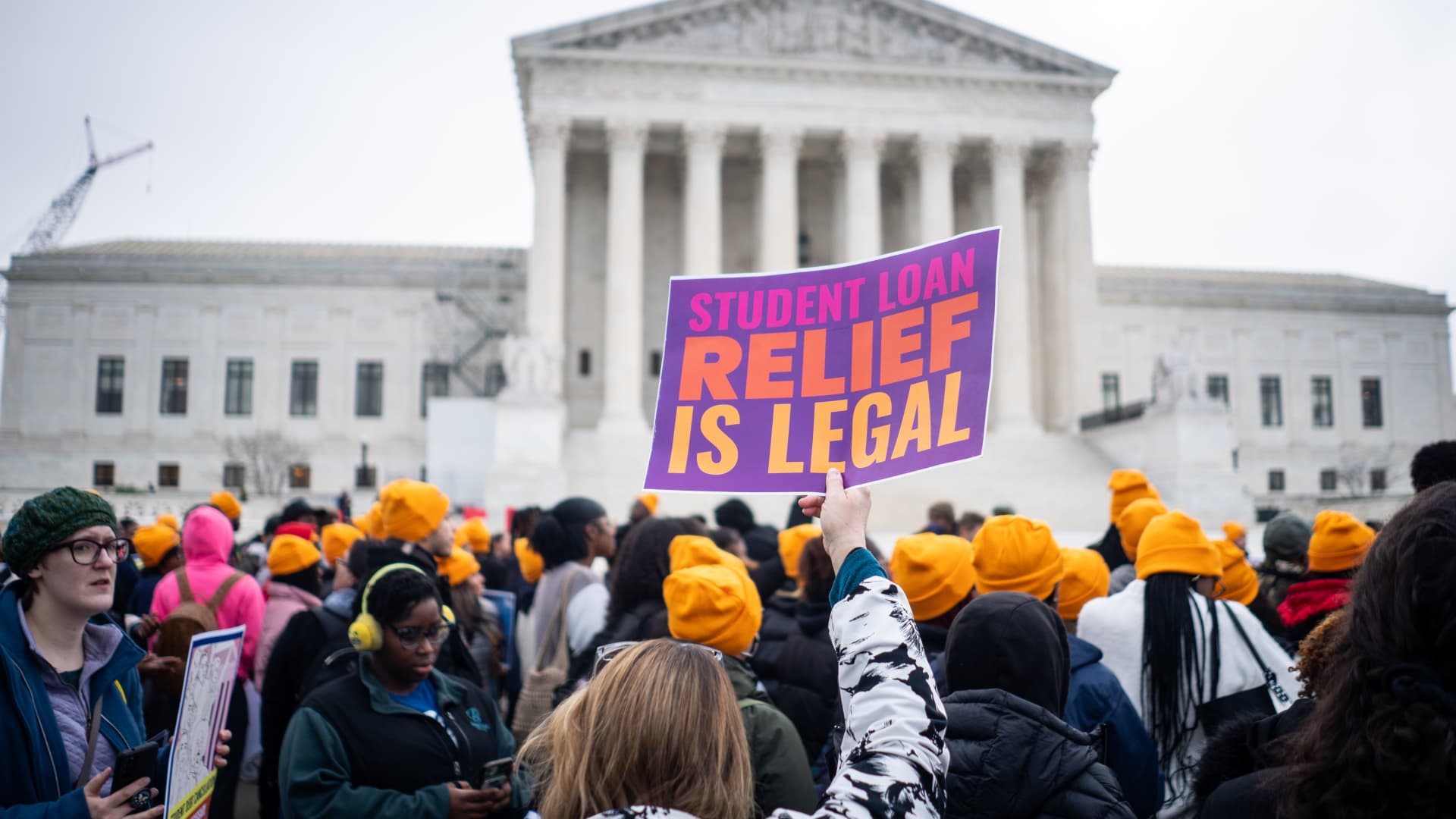
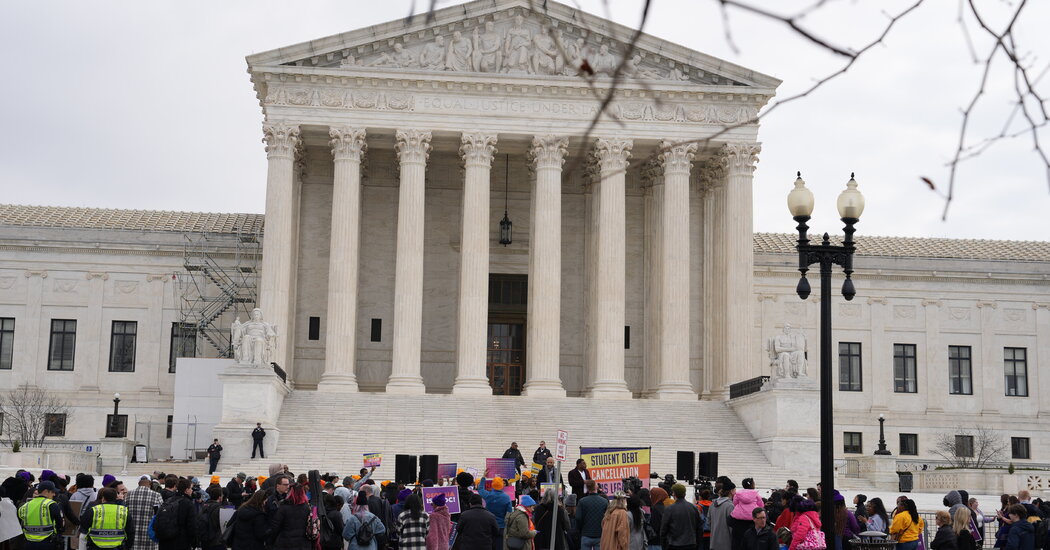
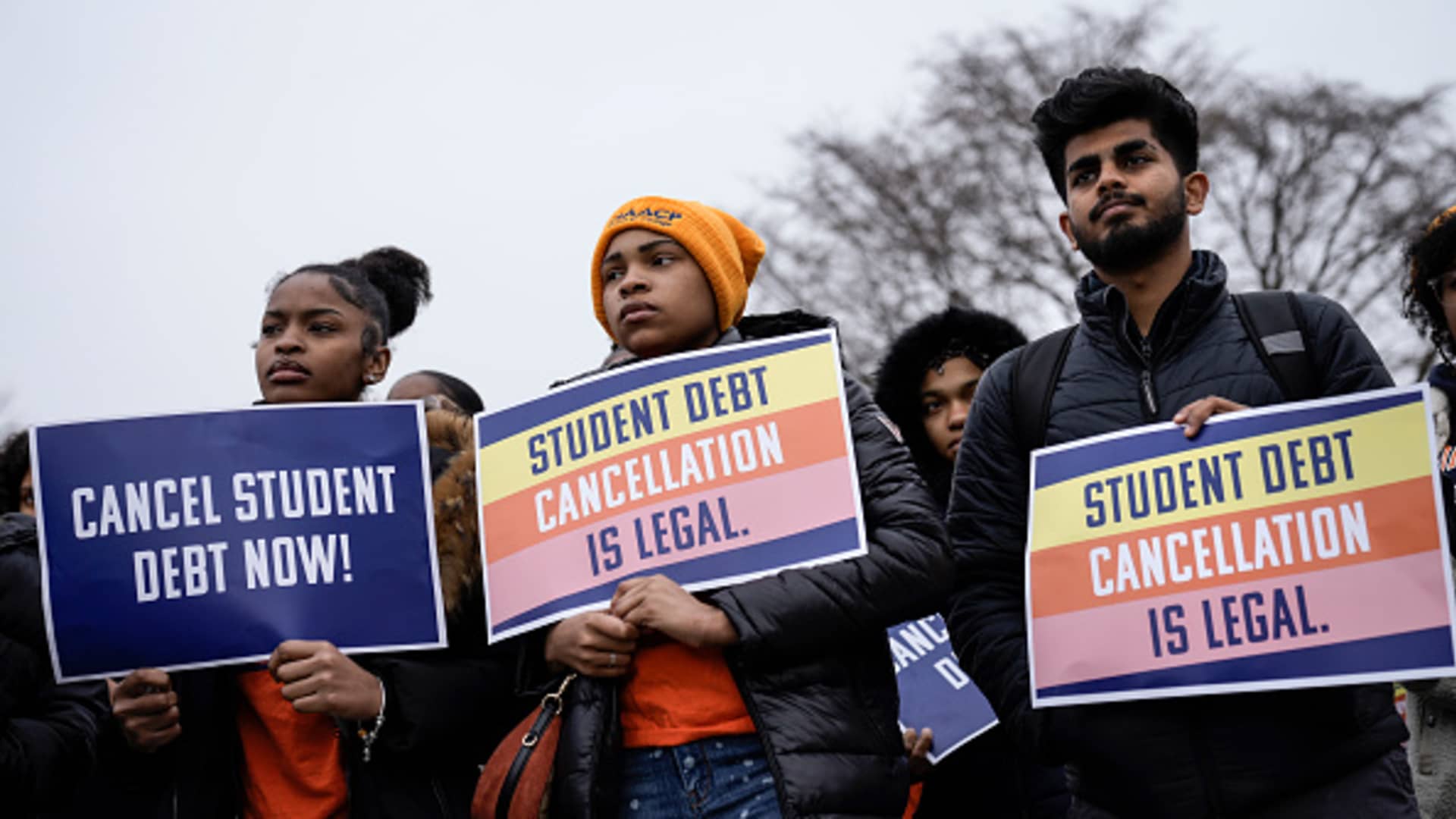
The Supreme Court's decision to strike down President Biden's student loan forgiveness program has left millions of Americans facing the resumption of loan payments and the accrual of interest starting on September 1, 2023. A TransUnion study reveals that many borrowers have accumulated additional debt during the payment pause, with the average consumer already carrying $35,000 in student loan debt. As a result, consumers are expected to experience "payment shocks," with 50% of them facing monthly payments of over $200 and one in five facing payments of over $500. The study also found that borrowers have taken on additional credit products, such as bank card debt, auto loans, and mortgages, further increasing their financial burden. The Biden administration has announced a 12-month "on-ramp" to repayment to help financially vulnerable borrowers, but interest will begin to accrue immediately, making it advisable for consumers to resume payments as soon as possible.
As the pandemic-era pause on student loan payments and interest comes to an end, the difference between subsidized and unsubsidized loans becomes apparent. Subsidized loans do not accrue interest while the borrower is in school or during deferment, with the U.S. Department of Education covering the interest. On the other hand, unsubsidized loans start accruing interest immediately, making them more expensive. The payment pause and interest waiver, which cost the government $5 billion a month, will end on September 1, and borrowers are advised to consider income-driven repayment plans rather than deferment or forbearance.
As the end of the student loan payment pause approaches, economists and advocates warn that it could be a jarring experience for tens of millions of people. However, borrowers can still prepare and even apply to see if they can keep their payments as low as they have been: nothing. Borrowers have more debt than they did before the payment pause, and for about 40% of borrowers, the company that handles their payments will be different than before the pause. Borrowers should check their student loan servicer, watch out for scammers, and consider income-driven repayment plans.
Over 14 million Americans will face complications as federal student loan payments resume after a payment pause of over three years. More than four-in-10 borrowers will return to repayment with a new student loan servicer, which could complicate the transition to repayment. Lack of congressional funding for the office of Federal Student Aid (FSA) could limit the resources and programs it can effectively carry out. Additionally, many borrowers are not financially ready to return to monthly student loan payments, with more than one in 13 student loan borrowers currently behind on their other payment obligations.
The federal student loan payment pause will end on September 1, and payments will be due in October. Borrowers can prepare by checking their budget, getting in touch with their loan servicer, and making arrangements to pay. Income-driven repayment plans are available to all federal student loan borrowers, and borrowers can explore options to continue pausing their payments or enroll in a more affordable payment plan. The Biden administration maintains its legal authority to go through with its current agenda and says payments will resume this year.
Student loan payments that have been paused since the beginning of the pandemic are set to resume this fall, and borrowers should begin preparing now, experts say.
Millions of borrowers are bracing for the resumption of federal student loan payments in the fall, with many worried about how they will afford the extra expense. The more than three-year-long pause on payments is slated to finally conclude within months, with the Biden administration preparing borrowers for their payments to resume by September. Although the average borrower likely saved around $15,000 in student loan payments due to the policy, many are still struggling financially due to the pandemic and inflation. Consumer advocates warn that the student loan system is not prepared to return to repayment, with recent turnover and layoffs among student loan servicers adding to the concerns.
The pause on federal student loan payments will end on September 1, 2021, after more than three years and eight extensions. Economists and higher education experts worry that many borrowers are ill-prepared for the resumption of student loan payments and could fall behind. Borrowers can ease the transition by checking the details of their account, keeping an eye out for notices, figuring out which repayment plan is best for them, checking their eligibility for debt forgiveness programs, and asking for help.
The payment pause on federal student loans will end on September 1, 2023, after being extended eight times since March 2020. Borrowers should ensure their loan servicer has their latest contact details and be prepared for payments to restart. Those who miss the first payment can contact their servicer to make arrangements to become current. Borrowers have many options, including fixed payment plans, income-driven repayment plans, and last resorts like deferment or forbearance. The Biden administration has proposed a less expensive income-driven plan that could reduce payments for millions of borrowers by more than half. Borrowers need to be on high alert for scam artists offering debt relief and other services.
The pandemic-era policy suspending federal student loan payments has been a big win for public servants pursuing the Public Service Loan Forgiveness program, allowing them to get closer to debt cancellation while not making any payments on their debt. Each month during the pause counts toward a borrower's timeline on PSLF, whether or not they made a payment. While borrowers pursuing PSLF will get credit for payments during the pause, they still need to be employed with the government or a qualifying nonprofit to be heading toward loan forgiveness. The fate of the Biden administration's sweeping student loan forgiveness is currently in the hands of the Supreme Court.
The House of Representatives passed a Republican-sponsored bill aimed at blocking President Joe Biden's student debt forgiveness plan and ending the pause on federal student loan payments and interest. The bill is unlikely to pass the Democrat-controlled Senate, but if it does, the White House has already vowed to veto it. The payment pause is set to end this summer, and opponents of the forgiveness plan cite unfairness to non-borrowers and those who've paid off their loans. Nearly half of Americans approve of Biden's forgiveness plan, according to a USA Today/Ipsos poll.