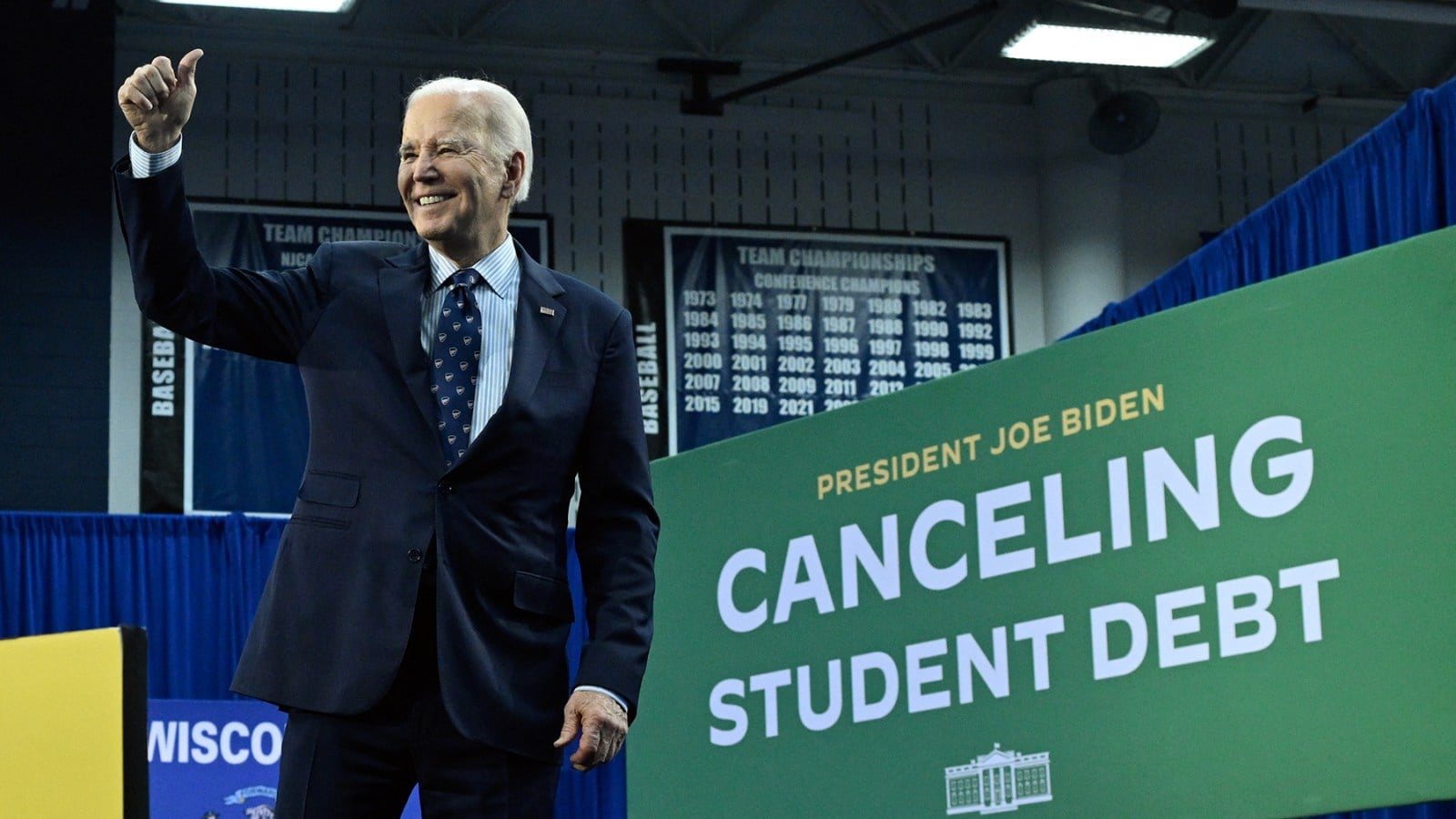
President Biden's administration has announced $7.4 billion in student loan debt forgiveness for 277,000 borrowers through the SAVE program, income-driven repayment adjustments, and fixes to the Public Service Loan Forgiveness program. Notifications will be sent via email, and applications are still open for eligible borrowers. The administration faces legal challenges from Republican states, but continues to unveil new plans for student loan forgiveness, including waiving interest, automatically discharging debt, and assisting borrowers facing hardship.
The Biden administration's Student Aid Verification for Equity (SAVE) plan has provided 4.3 million borrowers with $0 monthly payments for the next year, allowing them to effectively not pay their student loans for a year. The plan calculates payments based on income and family size, with an expanded income exemption of 225% of the federal poverty limit. Borrowers can also qualify for student loan forgiveness after a certain number of years in repayment, with even $0 payments counting toward forgiveness.
Kurt Panton, a high school teacher who had been repaying his student loans for 19 years, recently had his remaining $18,000 in loans forgiven under a new Biden administration policy aimed at fixing issues with income-driven repayment plans. These plans, meant to help lower-income borrowers, had been plagued with problems, including miscounted payments and borrowers not being informed about their eligibility. After a Supreme Court ruling struck down Biden's larger debt relief plan, Kurt pursued an alternative form of debt relief and discovered he qualified for loan forgiveness. The U.S. Department of Education has approved nearly $44 billion in debt relief for over 900,000 borrowers.
Many borrowers, including a 31-year-old with $44,000 in student debt, are experiencing payment errors and enrollment issues with the new income-driven repayment (IDR) plan introduced by the Biden administration. At least 420,000 borrowers have had their payment calculations miscalculated by loan servicers, causing frustration and confusion. The errors primarily affect those who tried to enroll in the Saving on a Valuable Education (SAVE) plan, which was touted as a more affordable option. The U.S. Department of Education is working to rectify the problems and has placed affected borrowers in forbearance until the payment amounts are corrected. The Biden administration has encouraged borrowers to enroll in the SAVE plan, but the rollout has been plagued with issues, leaving borrowers struggling to navigate the repayment process.
The rollout of President Biden's new income-driven repayment (IDR) plan for federal student loans has been botched, causing confusion and frustration for borrowers. Many applicants, including Juniper, have experienced discrepancies between the repayment plans shown on the Federal Student Aid website and those provided by loan servicers. At least 420,000 borrowers have had their payment calculations miscalculated, and the total number of affected borrowers could be much higher. The U.S. Department of Education is working to rectify the errors and has placed affected borrowers in forbearance until the payment amounts are corrected. The newly created Saving on a Valuable Education (SAVE) plan, touted as a more affordable option, has been particularly affected. Borrowers will be offered refunds for any recent payments, and time spent in forbearance will count toward loan forgiveness programs. The botched rollout has left borrowers frustrated and questioning the lack of planning and preparation by loan servicers and the Department of Education.
President Joe Biden has announced an additional $9 billion in student debt relief for 125,000 borrowers, bringing the total approved debt cancellation by his administration to $127 billion for nearly 3.6 million Americans. The new measures include debt relief for borrowers under Public Service Loan Forgiveness programs, fixes to "income-driven repayment" for eligible borrowers, and discharge for borrowers with disabilities. Biden emphasized the importance of this relief for individuals and the economy as a whole.
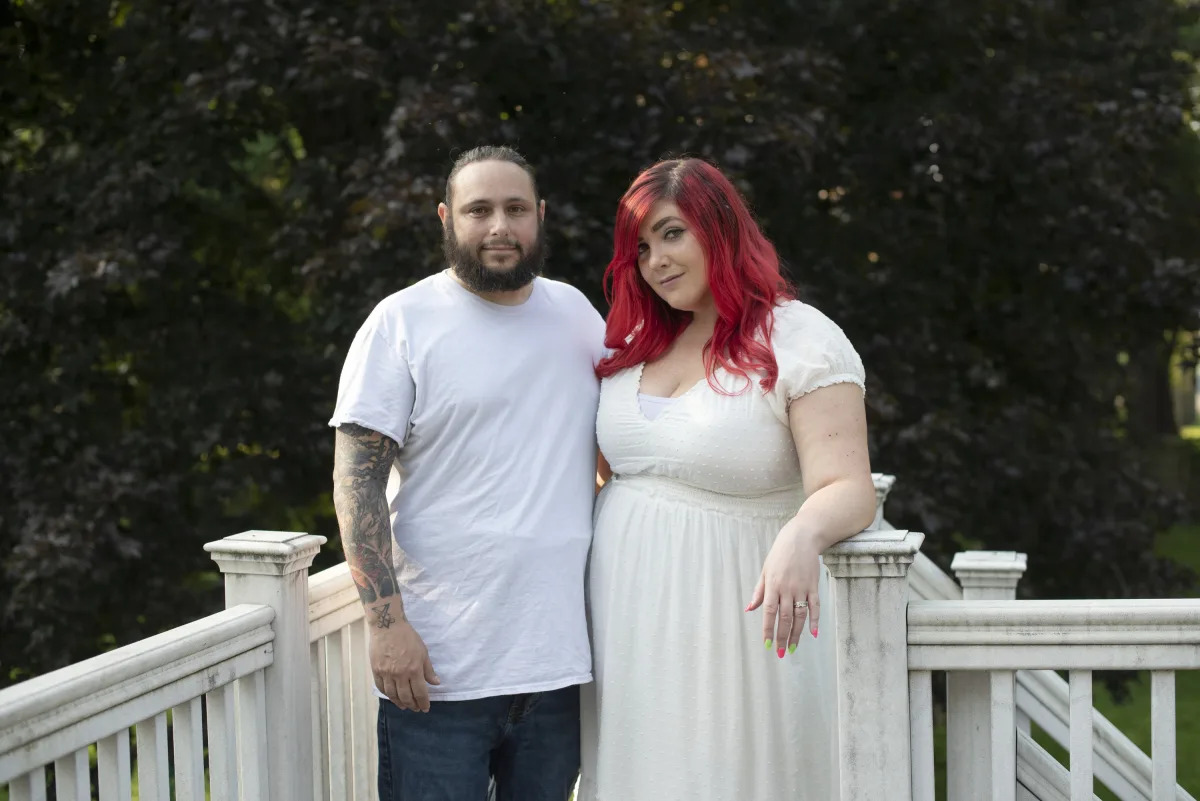
Ron and Marcia Rizzardi, a couple burdened with over $250,000 in student debt, have had their balance wiped out after nearly three decades of repayment. The relief came through President Biden's one-time account adjustment for borrowers on income-driven repayment plans. The Rizzardis had made payments totaling $140,000 on an original balance of $54,000, but interest capitalization and financial setbacks caused their debt to grow. The forgiveness of their consolidated balance of $256,711, including Parent PLUS loans, is a life-altering development for the couple, providing them with more financial stability and the ability to invest in retirement. The relief is part of ongoing efforts by the Education Department to identify eligible borrowers for loan forgiveness.
As the pause on student loan payments comes to an end, many borrowers are facing the reality of resuming their loan payments, causing financial strain and uncertainty. The three-year pause provided a financial cushion for borrowers, allowing them to use the money for various purposes such as paying off credit card debt, buying homes, and supporting family members. However, with the resumption of payments, borrowers are now figuring out how to fit these payments into their budgets. The burden of student loan debt has led some borrowers to reconsider major life decisions, such as having children. Others have redirected the saved money towards home renovations and vacations. The end of the payment pause has left many borrowers concerned about their financial future.
A new repayment plan called the SAVE plan (Saving on a Valuable Education) is set to gradually provide student loan forgiveness to millions of borrowers starting this fall. The plan aims to keep monthly payments small, prevent interest from accumulating, and offer more generous forgiveness terms. Under the SAVE plan, borrowers could pay back as little as $6,121 for every $10,000 borrowed, compared to $10,956 under the old plan. The program is estimated to cost the government between $138 billion and $361 billion over the next 10 years. Eligibility for the plan includes having federally held loans, while Parent PLUS loan borrowers are not eligible. The application process is expected to be released later this summer, and borrowers can currently apply for the existing repayment plan that SAVE will replace. Legal challenges to the plan are possible, but experts believe it is less vulnerable than the recently struck down debt forgiveness plan.
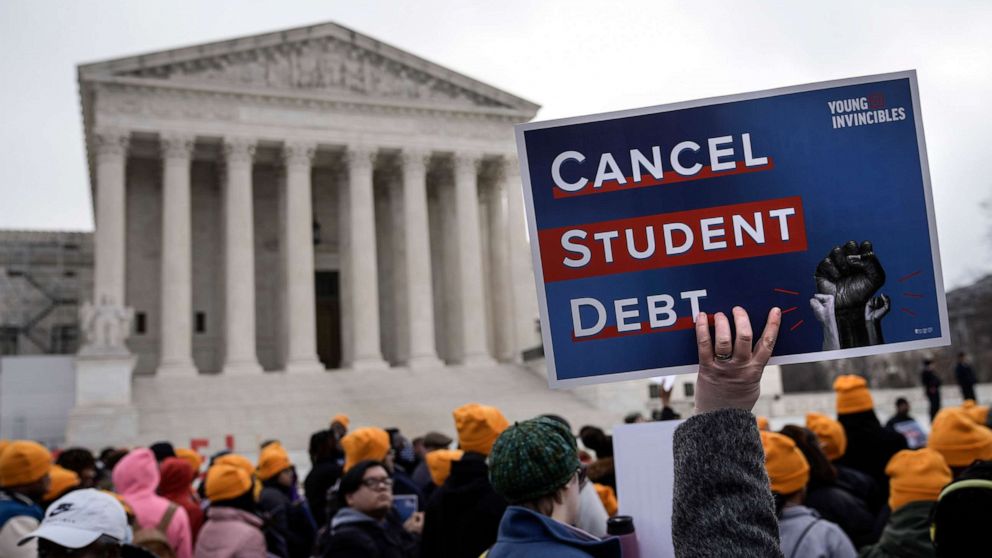
The U.S. Supreme Court's decision to strike down President Biden's plan to forgive up to $20,000 in student debt affects 1.4 million Texans, who will now have to resume making loan payments. However, a new loan repayment plan called the Saving on a Valuable Education (SAVE) plan is set to begin next year and offers features such as reduced monthly payments, interest forgiveness, and debt cancellation after 10 to 25 years. Advocacy groups are calling for better promotion of income-driven repayment plans, as many borrowers are unaware of their options. The SAVE plan aims to provide relief to low- to middle-income borrowers, but experts argue that more grants and increased funding for public universities are needed to address the root issue of high tuition fees and student debt.
Despite the Supreme Court's decision blocking President Biden's loan forgiveness program, there are still several ways to cancel student debt. These include income-driven repayment plans, public service loan forgiveness for government and nonprofit employees, cancellation for students of closed or low-performing schools, bankruptcy discharge (though it is challenging), disability discharge for those classified as disabled, and debt cancellation upon death. It is important for borrowers to explore all available options to alleviate their student loan burden.
As the end of the student loan payment pause approaches, economists and advocates warn that it could be a jarring experience for tens of millions of people. However, borrowers can still prepare and even apply to see if they can keep their payments as low as they have been: nothing. Borrowers have more debt than they did before the payment pause, and for about 40% of borrowers, the company that handles their payments will be different than before the pause. Borrowers should check their student loan servicer, watch out for scammers, and consider income-driven repayment plans.
Federal student loan payments will resume in October, and borrowers should prepare for the change by locating their loan servicer and ensuring their contact information is up-to-date. Borrowers should also ask about available payment plans, including income-driven repayment plans and deferment or forbearance options. Financial experts advise budgeting and setting money aside each month to avoid financial shock once payments resume.
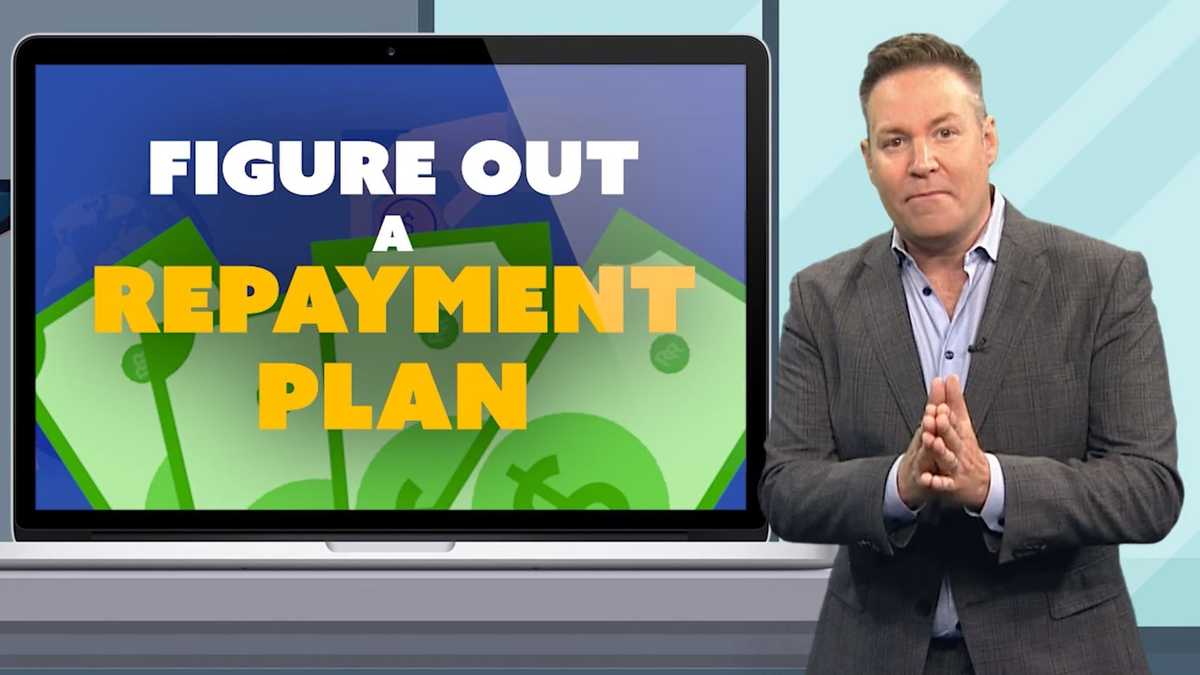
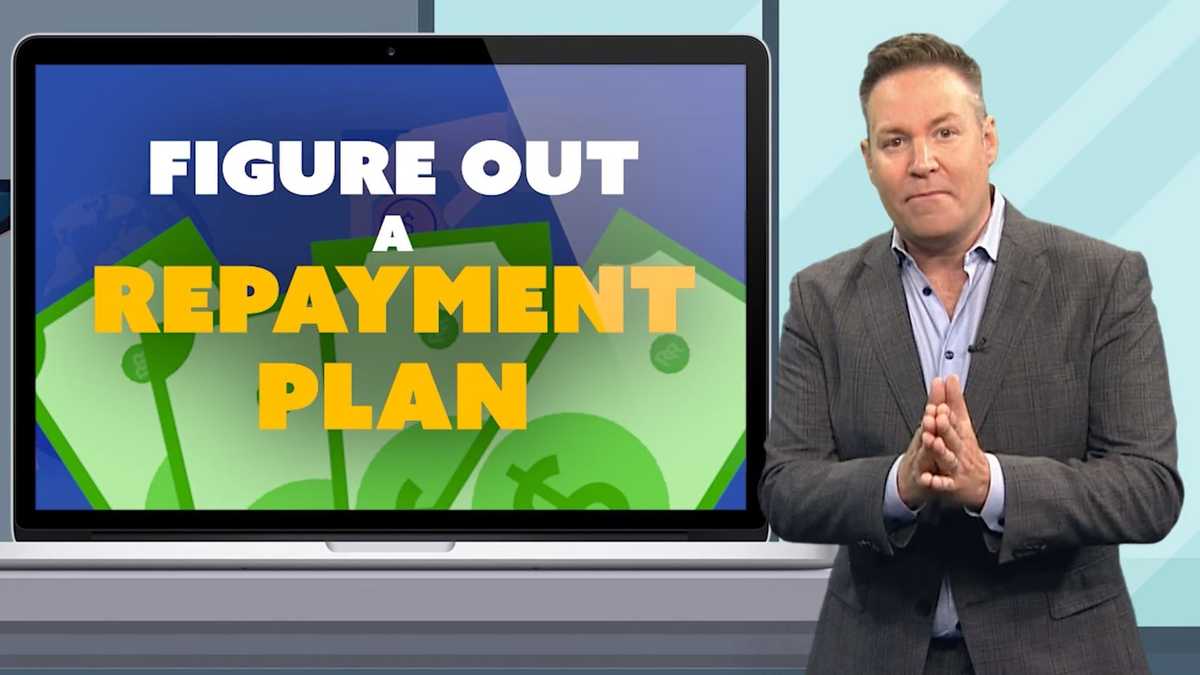
With federal student loan payments set to restart soon, borrowers should know their lender, figure out a repayment plan, and consider income-driven repayment plans or deferment options if needed. Borrowers can also start making interest-free payments now to prepare for the restart of payments.