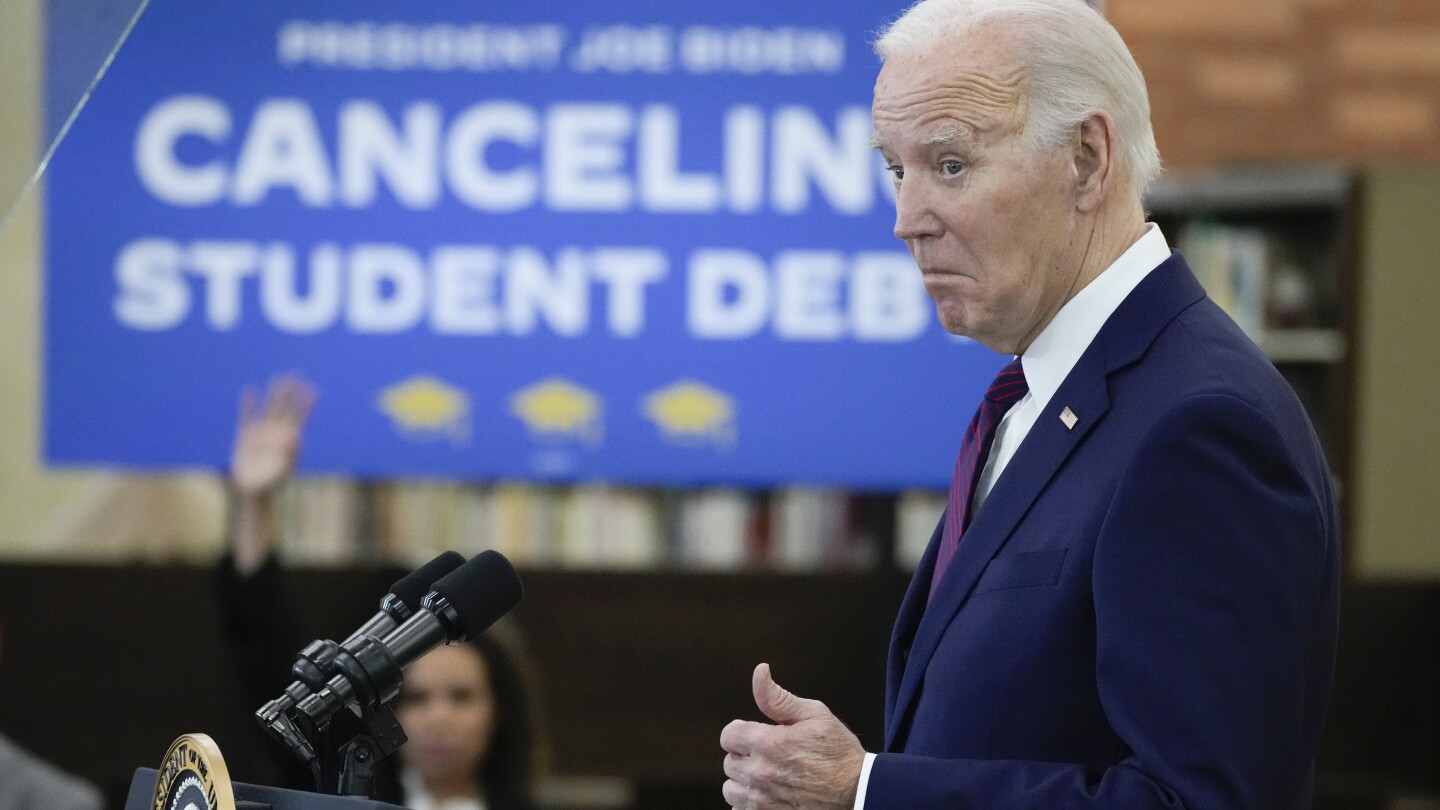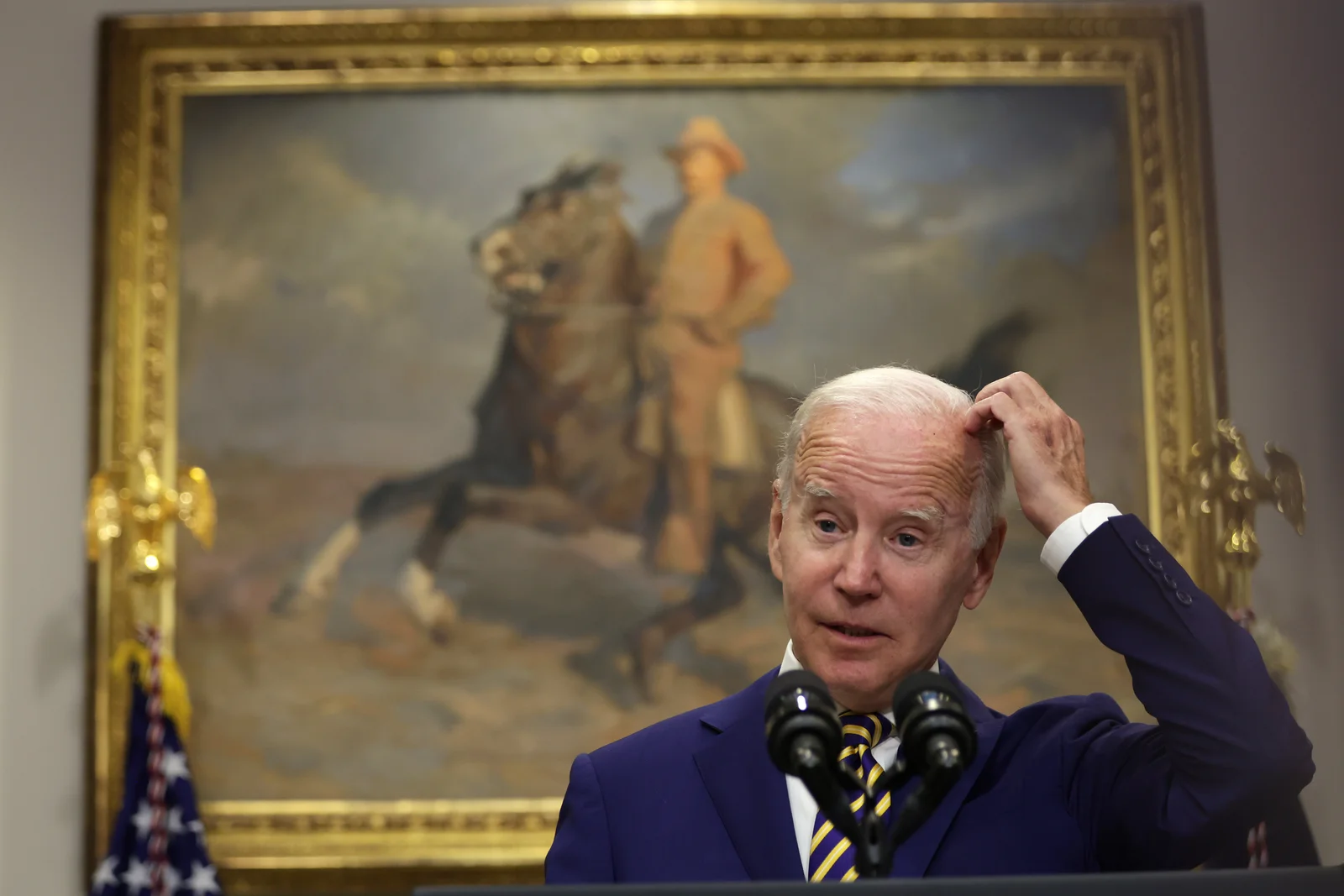
President Joe Biden has announced that about 750 Nebraskans have had a total of $5.3 million in student loan debt canceled through the Saving on a Valuable Education (SAVE) Plan, a new income-driven repayment plan. The plan allows for borrowers with less than $12,000 in debt to have their loans canceled after 10 years of payments, and any borrower enrolled in the SAVE plan can have their debt forgiven after 20 or 25 years, regardless of the amount. The program also sets payments at $0 per month for borrowers making less than $15 per hour and prevents unpaid interest from causing loan balances to grow.
President Biden has announced the cancellation of $1.2 billion in student loan debt for over 150,000 borrowers on the income-driven repayment plan, bringing the total amount of debt cancellation to $138 billion for nearly 4 million Americans. Eligible borrowers will receive automatic relief without needing to take further action, as part of the administration's efforts to provide student debt relief. The move comes ahead of discussions for broader student debt relief plans and is seen as a strategic political move as Biden seeks reelection.
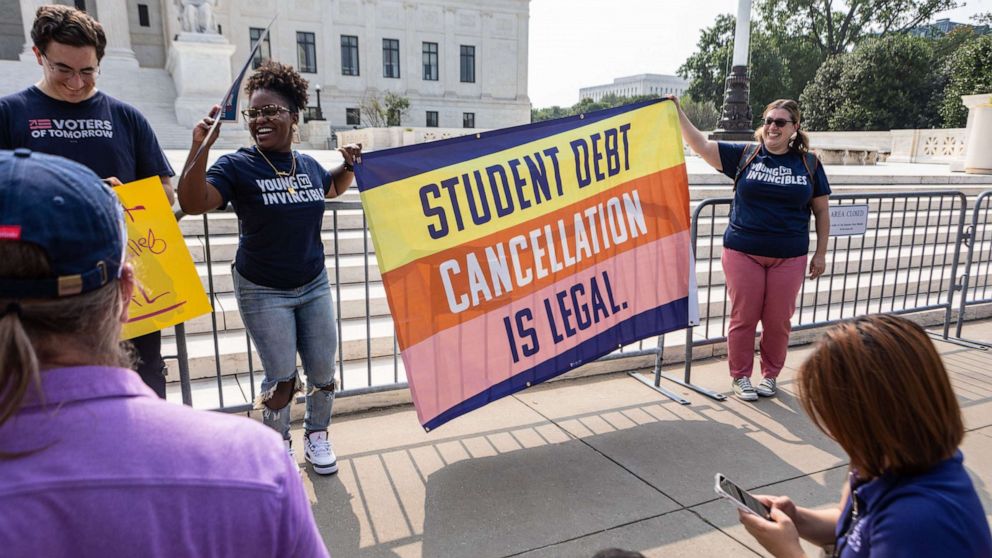
President Joe Biden announced the cancellation of federal student loans for nearly 153,000 borrowers as part of a new repayment plan, emphasizing the burden of unsustainable debt for college graduates. The administration began notifying eligible borrowers about the SAVE program, which offers faster loan forgiveness, with the first round set to clear $1.2 billion in loans. Biden highlighted the economic benefits of loan relief and expressed his commitment to fixing the student loan system, despite the Supreme Court striking down his plan for widespread forgiveness.
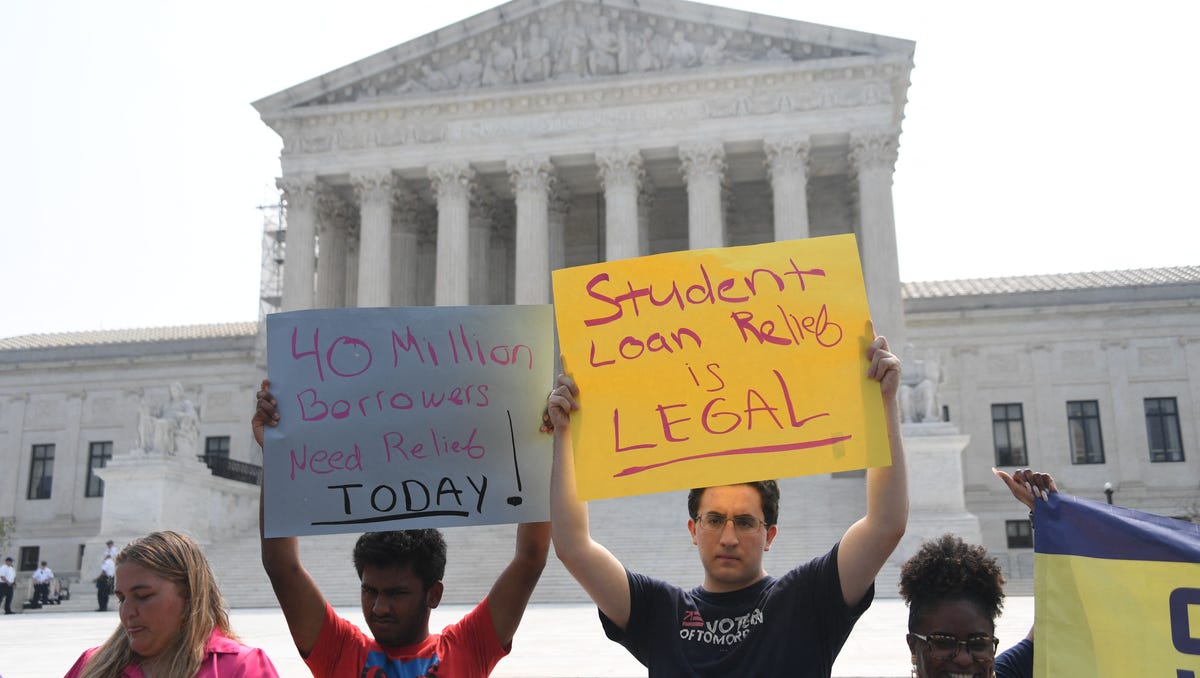
The Biden administration has announced the cancellation of $1.2bn in student debt for 153,000 American borrowers enrolled in the Save repayment plan, who have been making payments for at least 10 years and originally borrowed $12,000 or less for school. This move aims to particularly help community college and other borrowers with smaller loans. Additionally, the Department of Education will begin contacting eligible individuals not enrolled in the Save plan. President Biden has also shortened the forgiveness timeline for those with smaller balances, putting them on a 10-year track. This comes after the Supreme Court had previously blocked his plan to cancel student debt for over 40 million Americans.
Connecticut is set to become the first state to cancel medical debt for thousands of residents statewide using $6.5 million in federal COVID-19 recovery funds. The plan, expected to wipe out around $650 million in medical debt for approximately 250,000 people, will be implemented under a state law signed last year. Eligible residents, with household incomes up to 400% of the federal poverty line or medical debt at 5% or more of their annual income, will have their debt canceled without an application process. The state will contract with a nonprofit organization to buy and eliminate medical debt from hospitals, with letters notifying residents of the debt cancellation expected to be sent out by the end of the year.
As the federal student loan payment pause comes to an end, the Biden administration has announced that 125,000 student loan borrowers will have $9 billion in debt canceled. However, for those who don't qualify for debt erasure, payments will resume this month. Washington, D.C. has the highest average student loan debt at $54,856, followed by Maryland at $42,666. Georgia, Virginia, and Florida complete the top five states with the highest average debt. The total student loan debt in the U.S. has reached over $1.77 trillion, with more than half of bachelor's degree students graduating with student loans. The latest round of debt relief includes forgiveness for borrowers in public service fields, income-driven repayment plan adjustments, and borrowers with permanent disabilities. Experts advise borrowers to prepare for payments and consider signing up for auto pay to avoid interest accumulation.
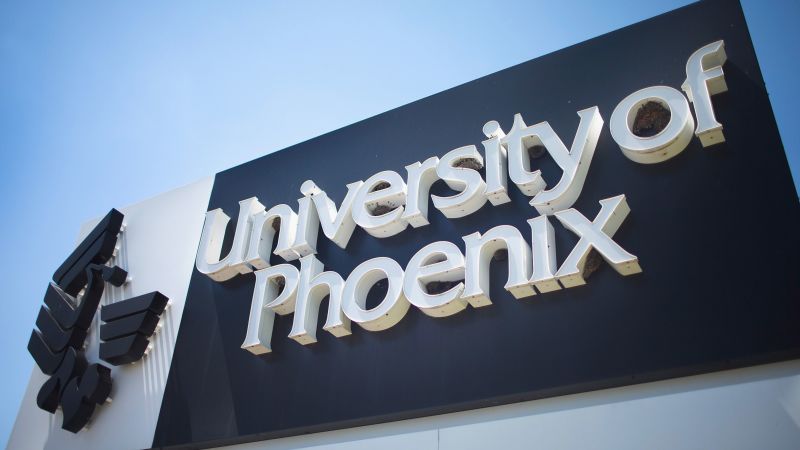
The Biden administration is canceling nearly $37 million in federal student loan debt for over 1,200 borrowers who attended the University of Phoenix, citing the for-profit school's misleading of students about job prospects. This targeted approach to debt forgiveness comes after the Supreme Court blocked the administration's broader student loan forgiveness program. Since 2021, the administration has canceled over $117 billion of the nearly $1.7 trillion of outstanding federal student loan debt. Eligible borrowers will be notified by early October, and their loans will be put in forbearance until officially canceled. Other affected students can still apply for debt relief under the borrower defense program.
The three-year pause on federal student loan payments is coming to an end, as interest will start accruing again on September 1. The Biden administration has implemented a yearlong grace period to ease the transition, during which late or missed payments will not be reported to credit agencies. The administration is still pursuing debt cancellation through the Higher Education Act, but it remains uncertain who will qualify and when. Additionally, a new income-driven repayment plan called SAVE has been introduced, which aims to lower monthly payments and shorten the repayment period. The plan also clears interest if borrowers can pay the monthly bill on the principal loan amount.
The Biden administration is working on a new debt relief program aimed at helping borrowers who need it the most after the Supreme Court rejected their initial plan to cancel student debt. The Education Department held a public hearing to begin the process of crafting new regulations under the Higher Education Act. Details about the structure of the new program have not been provided, and it remains uncertain if borrowers promised relief under the first program will still be eligible. The undersecretary of education emphasized the need to address unaffordable debts and structural issues in higher education financing, acknowledging that the regulatory process will take several months.
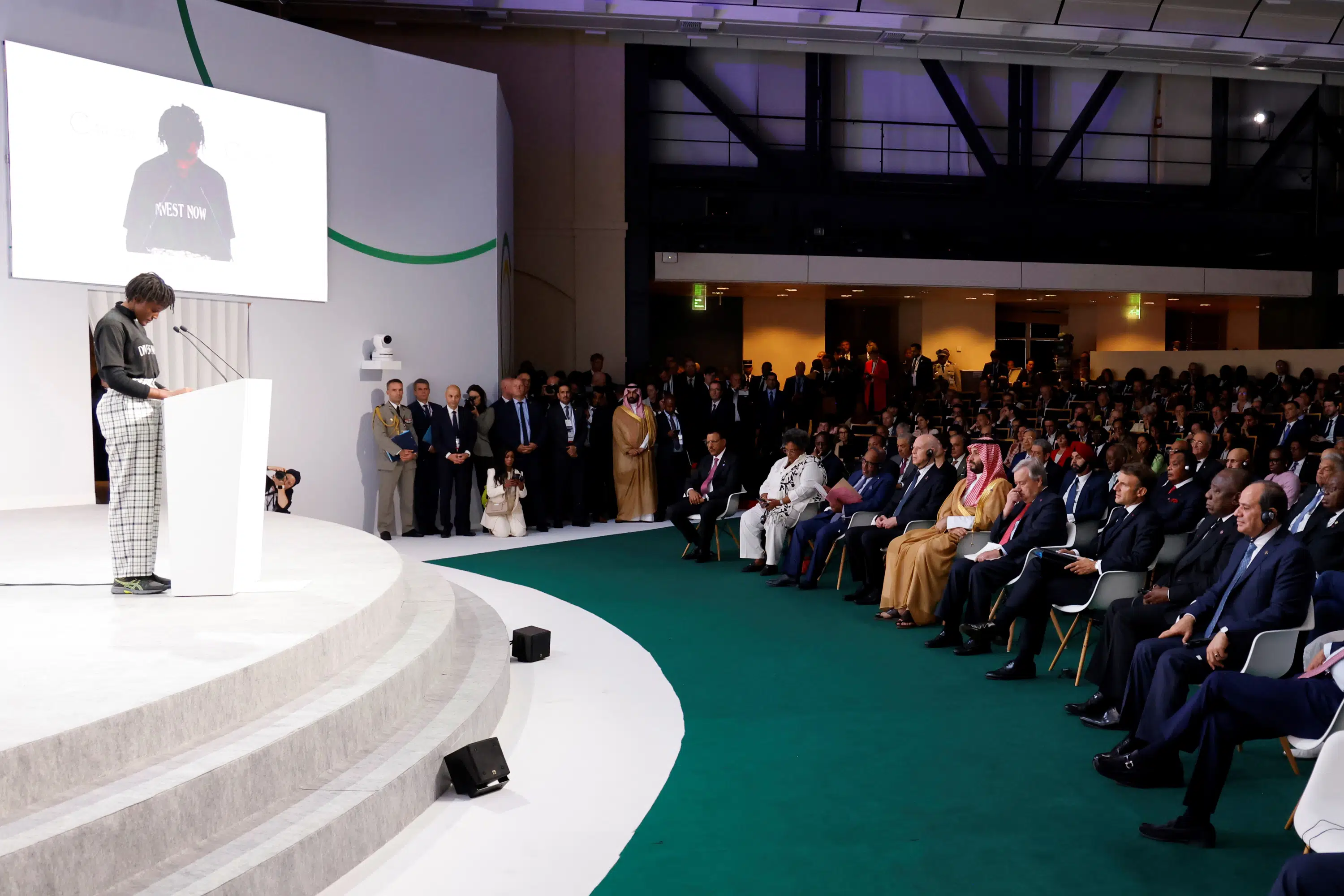
Ugandan climate activist Vanessa Nakate urged world leaders and finance officials at a two-day summit in Paris to put people first instead of profits, make polluters pay, cancel debt, and direct climate finance toward the most vulnerable countries that did not create the climate crisis. The summit aims to reform the global financial system and address the debt, climate change, and poverty crises. Developing nations point to an outdated system where the US, Europe, China, and other big economies that have caused most climate damage are leaving the poorest countries to deal with the consequences.
The pandemic-era policy suspending federal student loan payments has been a big win for public servants pursuing the Public Service Loan Forgiveness program, allowing them to get closer to debt cancellation while not making any payments on their debt. Each month during the pause counts toward a borrower's timeline on PSLF, whether or not they made a payment. While borrowers pursuing PSLF will get credit for payments during the pause, they still need to be employed with the government or a qualifying nonprofit to be heading toward loan forgiveness. The fate of the Biden administration's sweeping student loan forgiveness is currently in the hands of the Supreme Court.
The US Supreme Court has allowed a settlement that will cancel thousands of student loan debts worth over $6bn. The settlement concerns loans that borrowers claim should be cancelled because they were taken out based on misrepresentation made by their schools, many of which are for-profit. The case is unrelated to President Joe Biden’s broader effort to forgive student loan debt, which is also before the justices, with a ruling due in the next two months.