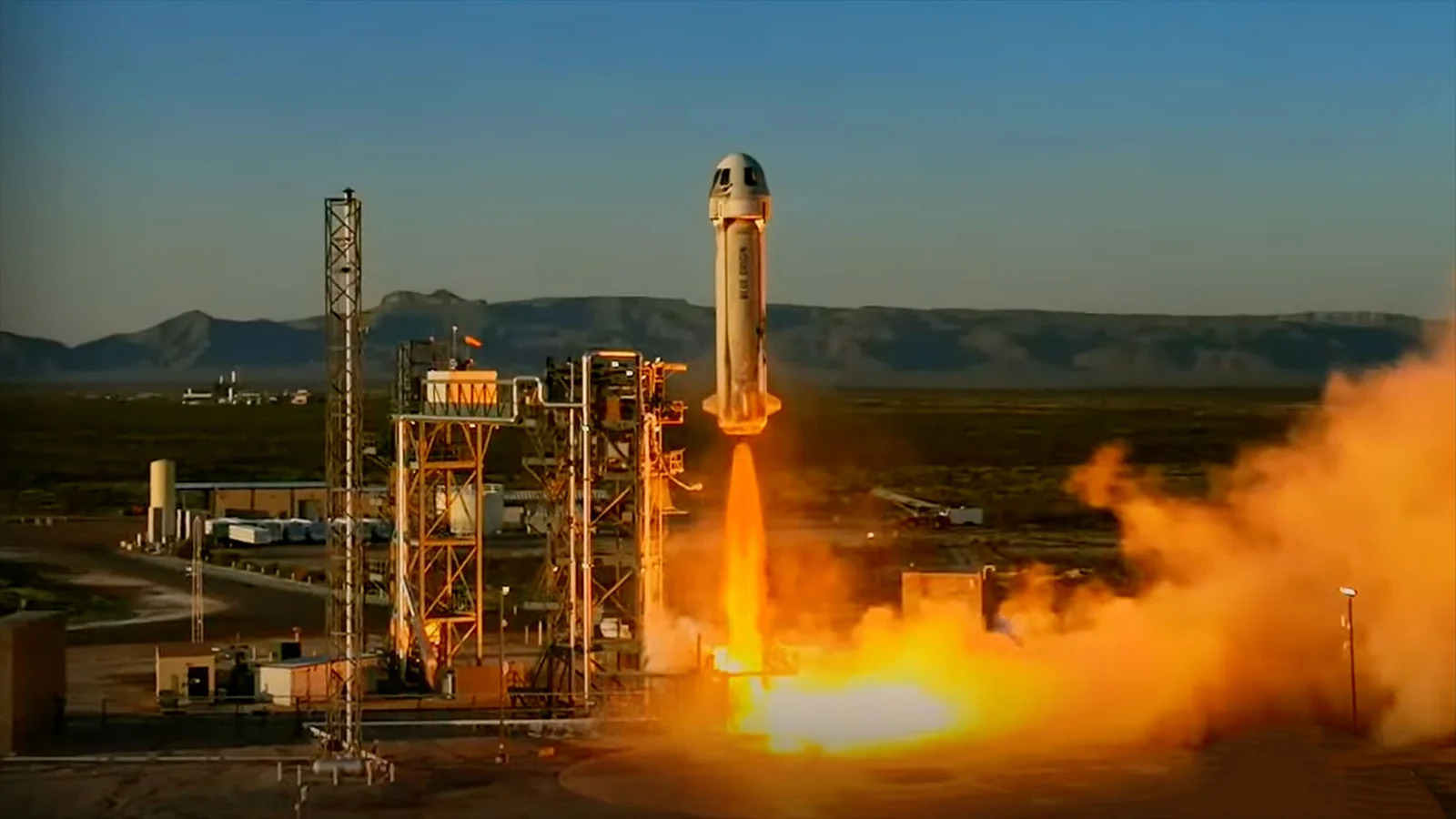
Blue Origin is set to launch its 35th New Shepard mission on August 23, carrying its 200th payload, including experiments from students, educators, and research institutions, with live coverage available online.
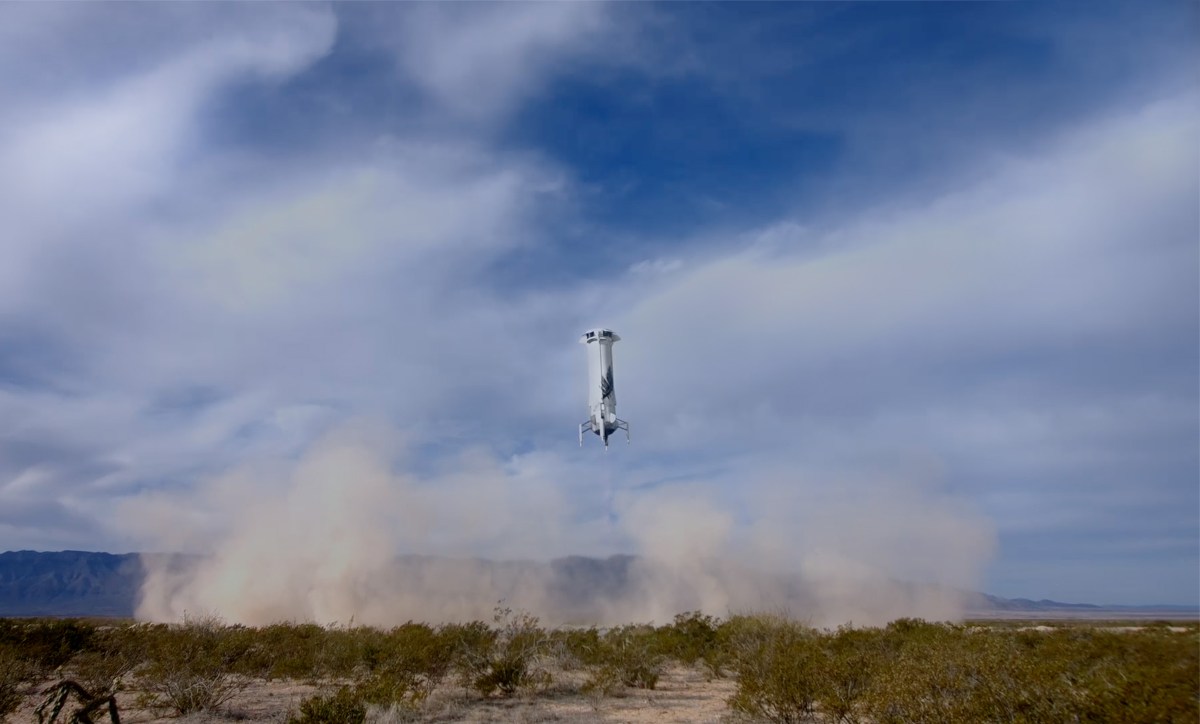
Blue Origin's New Shepard rocket successfully completed its first launch in over 15 months, carrying 33 payloads for various customers including NASA. The mission, NS-24, lasted 10 minutes and concluded with the safe return of the capsule to Earth. Blue Origin plans to increase its flight cadence in 2024 and is looking forward to flying the next crewed flight soon.
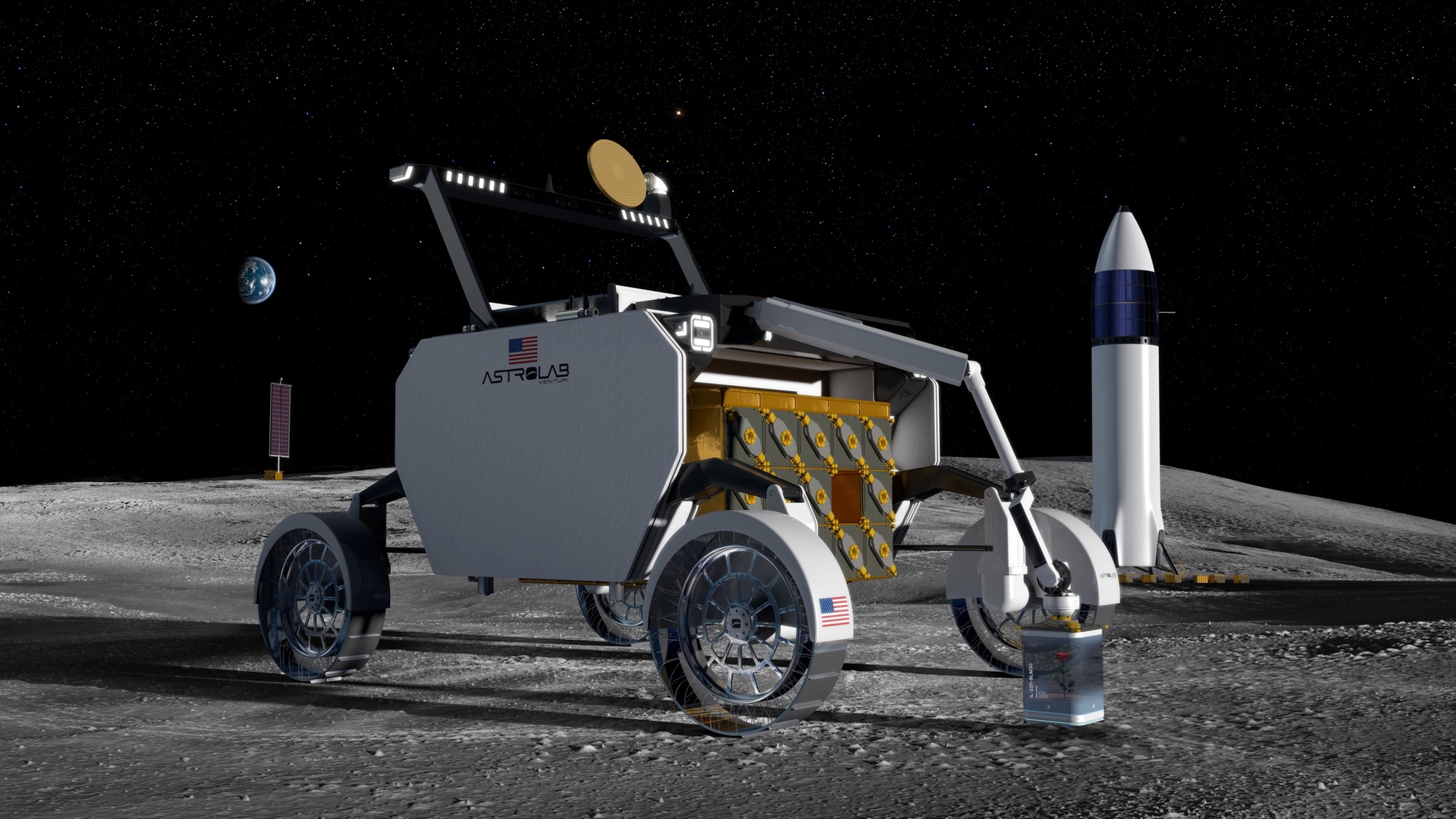
Astrolab has announced eight customers who have signed contracts worth over $160 million for its first commercial mission to the moon in 2026. The customers will fly payloads on Astrolab's FLEX lunar rover, which is scheduled to launch in mid-2026. The customers include startups working on technologies related to lunar development, such as water extraction, lunar brick production, and sustainable development experiments. The names of three customers remain undisclosed for now. Astrolab is still seeking additional customers for the mission, which has a payload capacity of 1,500 kilograms.
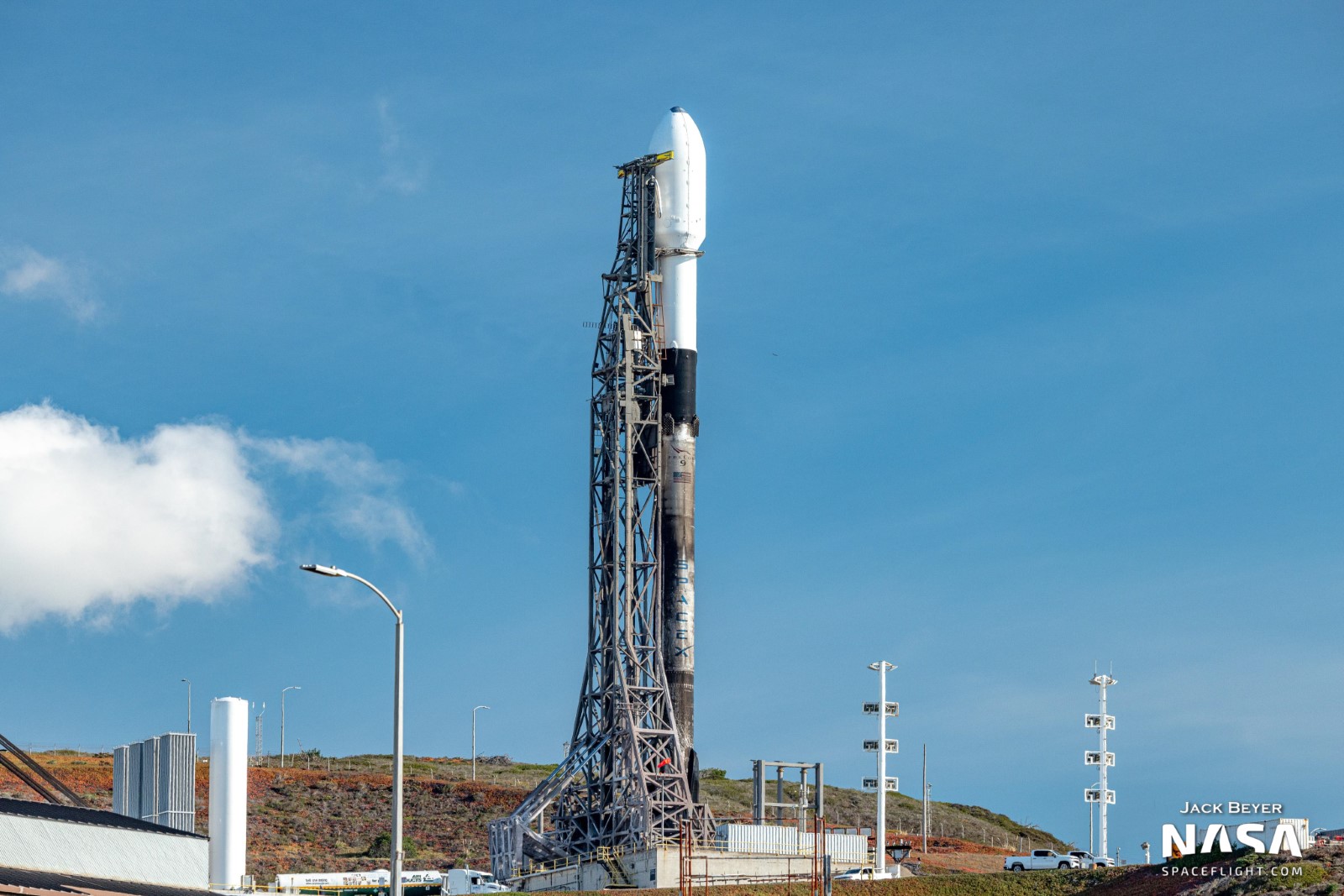
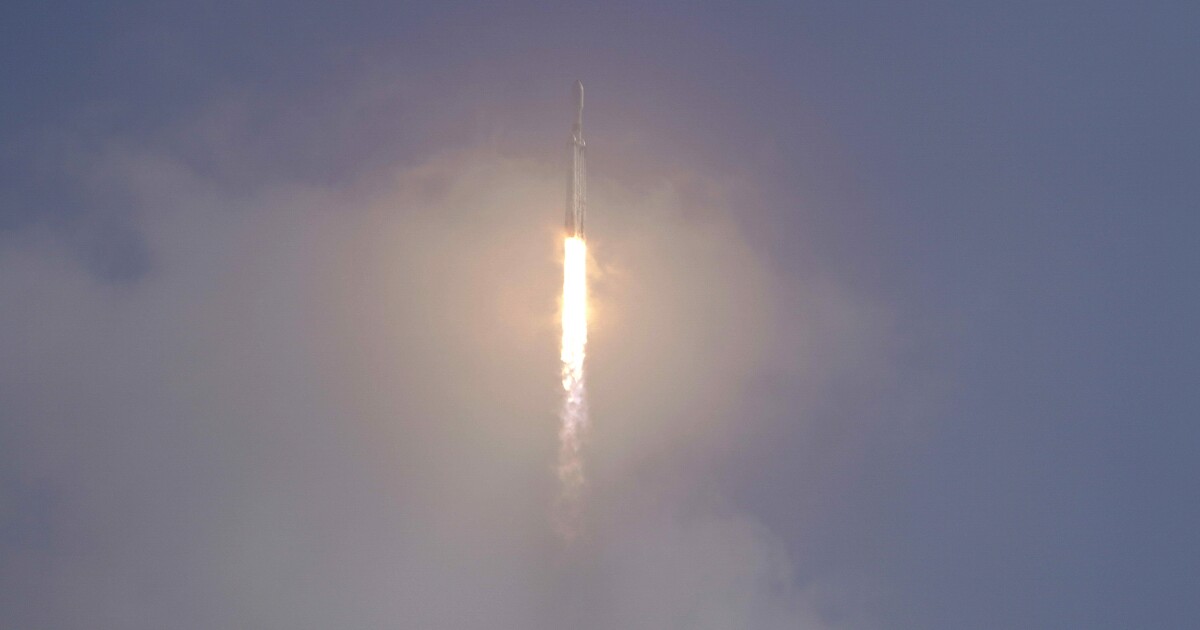
SpaceX successfully launched its Transporter-9 mission from Vandenberg Space Force Base, deploying 113 payloads, including 36 SuperDove satellites from Planet Labs PBC. The mission also included a technology demonstration satellite and payloads from other companies. This launch marks SpaceX's fourth smallsat rideshare mission of 2023 and comes after recent Starlink and cargo resupply missions. The Falcon 9 booster returned for a landing at Vandenberg.
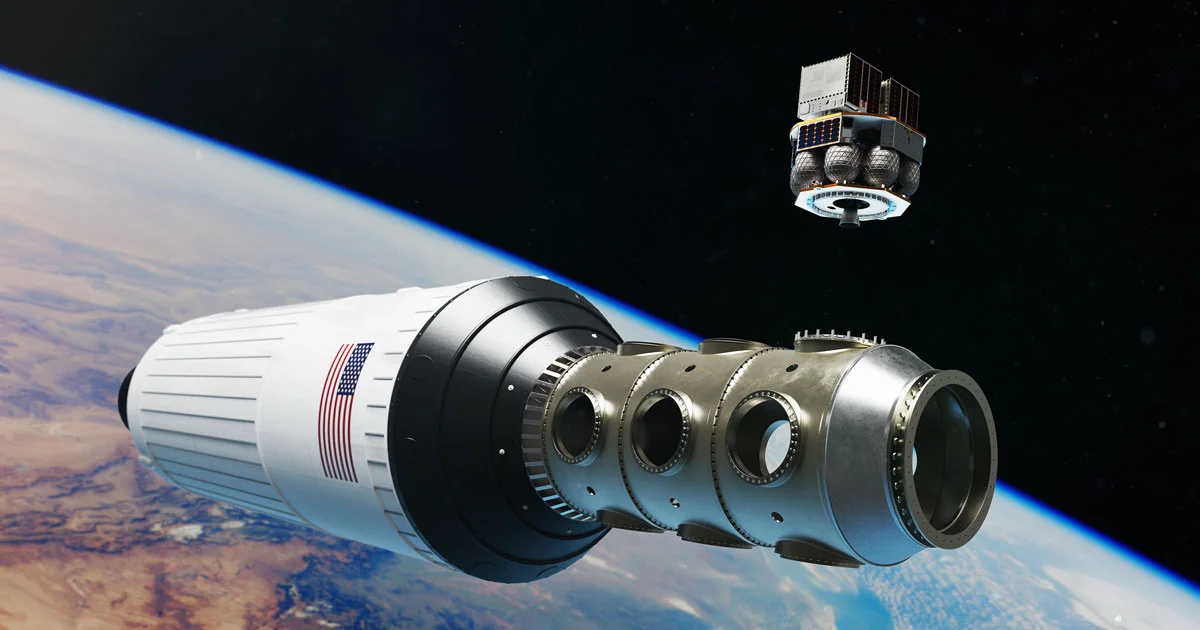
Launcher lost its second spacecraft, Orbiter SN3, after it started spinning uncontrollably following its deployment on a SpaceX rideshare mission. The spacecraft was designed to carry small satellites into their proper orbit after launch but failed to charge its batteries due to its rapid spin. Unfortunately, Orbiter SN3 also carried the payloads of three other customers, causing its primary payload, an on-orbit docking demonstration by space startup Otter Pup, to start spinning as well. Launcher has identified the issue and is ready to make some changes to try again with SN5, which is slated to launch on a SpaceX rideshare mission in February 2024.
SpaceX is set to launch the Transporter-8 rideshare mission on June 12, 2023, carrying 72 payloads of varying sizes and purposes into a Sun-synchronous orbit. The booster for Transporter-8, B1071-9, is making its ninth flight and will attempt to land at LZ-4, marking the 200th recovery of a Falcon booster and the 126th consecutive successful landing since SpaceX last lost a booster. The payloads range from picosatellites to several hundred-kilogram satellites, and the majority will be deployed into a Sun-synchronous orbit. This will be the eighth dedicated rideshare mission organized by SpaceX, with one more Transporter mission scheduled for 2023.
SpaceX is scheduled to launch a Falcon 9 rocket from Vandenberg Space Force Base on June 12 as part of its Transporter-8 mission, carrying 72 payloads including CubeSats, MicroSats, a re-entry capsule, and orbital transfer vehicles. The launch window opens at 2:19 p.m. and a live webcast will begin 15 minutes before liftoff.
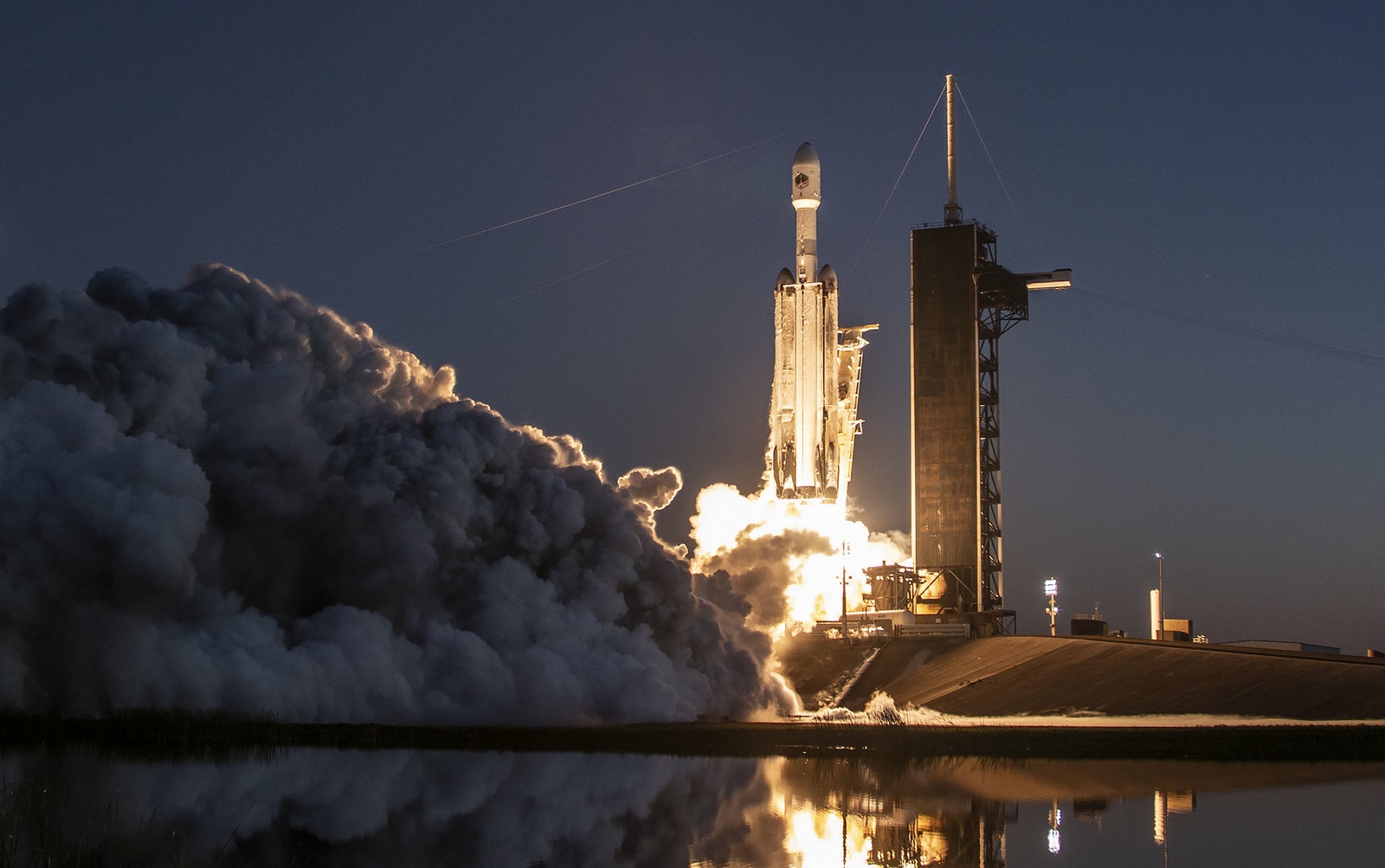
While SpaceX works on resolving legal challenges and reliability issues with its Starship vehicle, its Falcon Heavy rocket offers a stopgap solution for NASA's lunar exploration plans. The Falcon Heavy has had six successful flights and offers a path forward for delivering larger payloads to the lunar surface. The method involves launching a commercially available reusable first stage rocket system, followed by an expendable upper stage that docks with the first in orbit. Refueling options can also be used to increase payload capacity. This method is cheaper and more readily available than other options and can be used to distribute infrastructure on the Moon.
Astrobotic has announced that it will launch its third lunar lander mission on a SpaceX Falcon Heavy rocket in 2026. The mission will be able to carry hundreds of kilograms of customer payloads to a site near the south pole of the moon. Astrobotic currently offers two landers, Peregrine and Griffin, with payload capacities of 120 kg and 500 kg, respectively. The company did not identify any customers who have signed up for this third mission, including NASA.
SpaceX successfully launched its Transporter-7 mission from Vandenberg Space Force Base, carrying 51 payloads including CubeSats, MicroSats, hosted payloads, and orbital transfer vehicles. The rocket's first stage booster landed back at Vandenberg Space Force Base. The launch was originally scheduled for Tuesday but was delayed and rescheduled for Thursday night due to weather constraints. The booster being used Friday was used in nine previous missions.
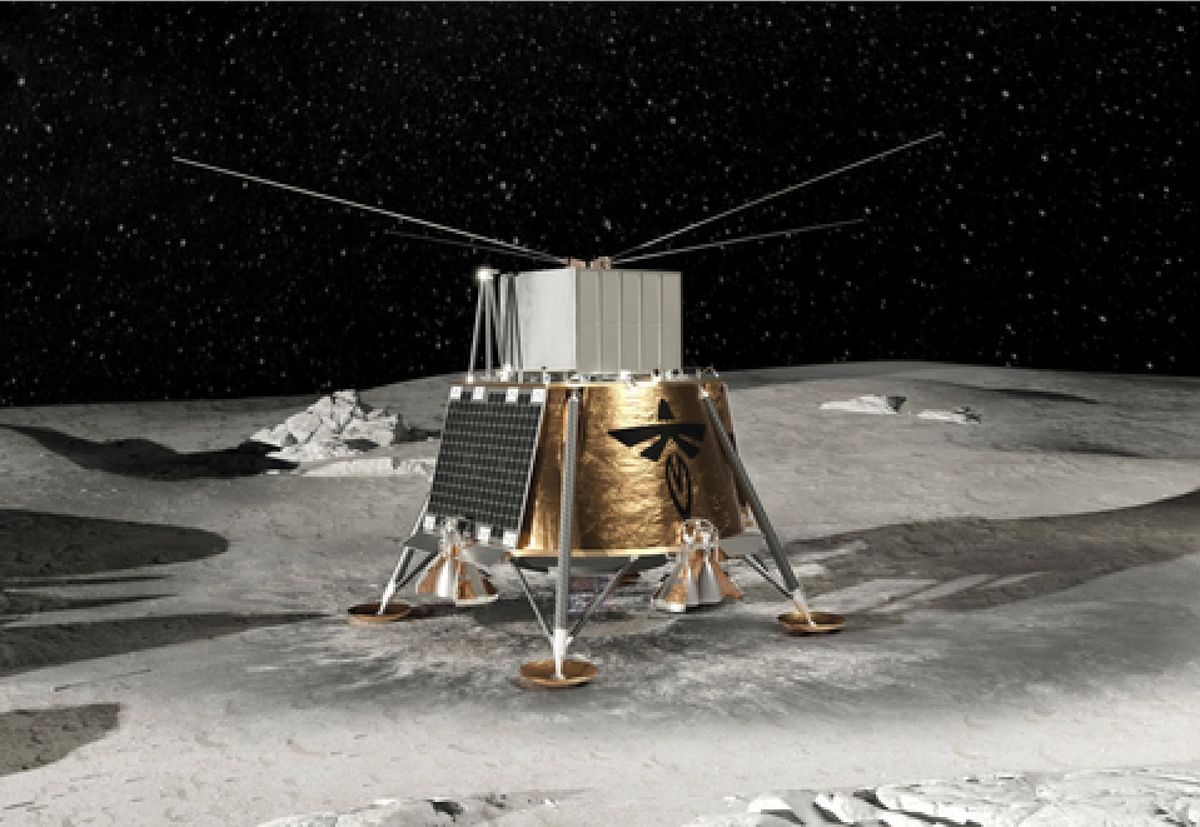
NASA has awarded Firefly Aerospace a $112 million contract to land payloads on the moon's far side using its Blue Ghost lander and send another into orbit to provide communications. The payloads include the Lunar Surface Electromagnetics Experiment-Night (LuSEE-Night) and User Terminal (UT). The European Space Agency's Lunar Pathfinder communications and navigation satellite will be launched first to relay signals between Earth and the payloads on the surface. This is the second Commercial Lunar Payload Services (CLPS) contract for Firefly, with the first mission launching in 2024.