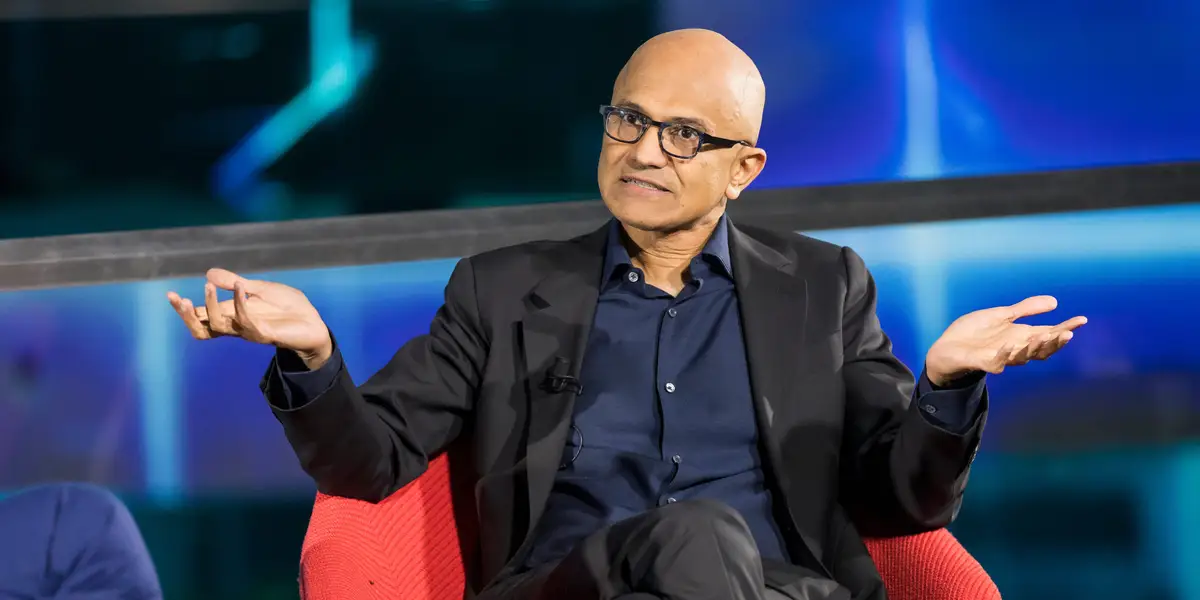
Leaked Microsoft pay data reveals over 850 self-reported employee salaries, bonuses, and stock awards, highlighting efforts to remain competitive in attracting top AI talent amid ongoing hiring and layoffs. The data, primarily from US software engineers, shows varying pay ranges across different teams, with cloud and AI roles earning the highest average base salaries. Microsoft is actively adjusting its pay strategies to compete with rivals like Meta in the AI space.
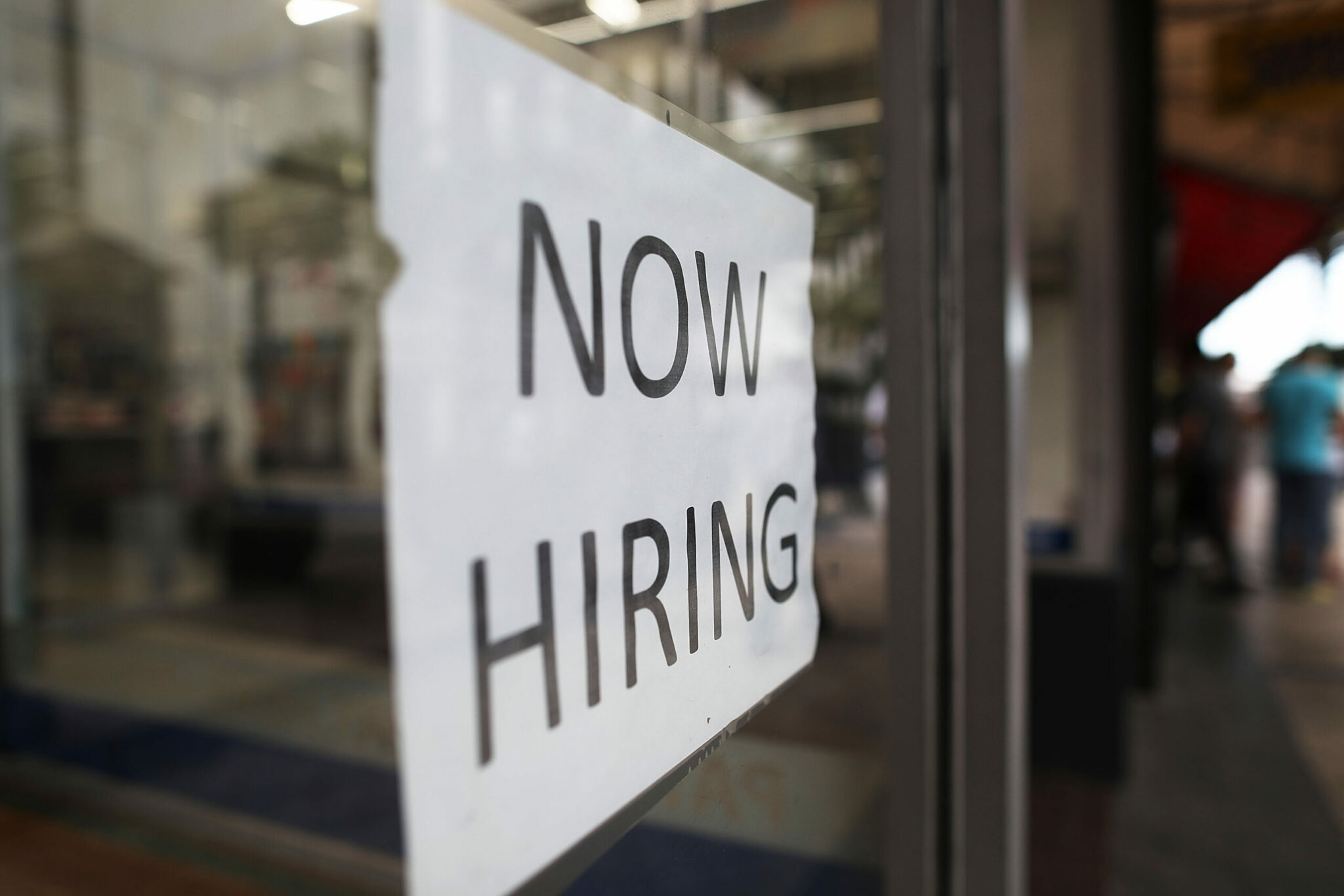
New Jersey Governor Phil Murphy has signed a new law requiring employers with more than 10 employees to include compensation ranges and benefits in job listings, as well as disclose promotional opportunities to current employees. This legislation aims to enhance transparency and fairness in the hiring process, following similar laws in other states like New York. The law, which will take effect in mid-2025, includes fines for non-compliance and is part of a broader trend towards pay transparency across the U.S.
A former Goldman Sachs recruiter suggests a salary negotiation trick that involves asking about the skills and experiences that differentiate candidates at different pay levels during a job interview. This information can be used to shape discussions about one's own background and later justify a higher pay during the negotiation process. Even in places without pay range disclosure laws, candidates can still inquire about the salary range based on the growing practice of pay transparency. The strategy has reportedly led to successful negotiations for a 20% increase in the initial offer for some job seekers.
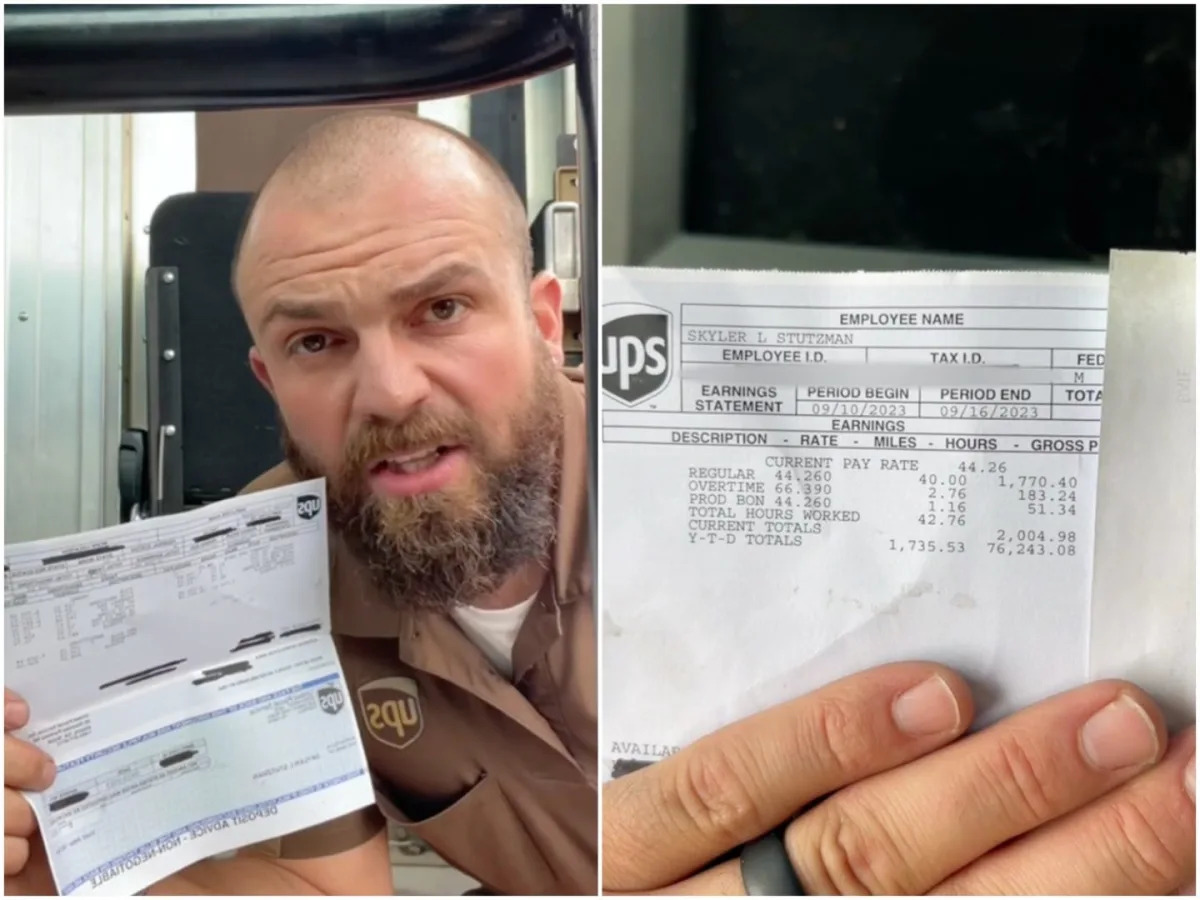
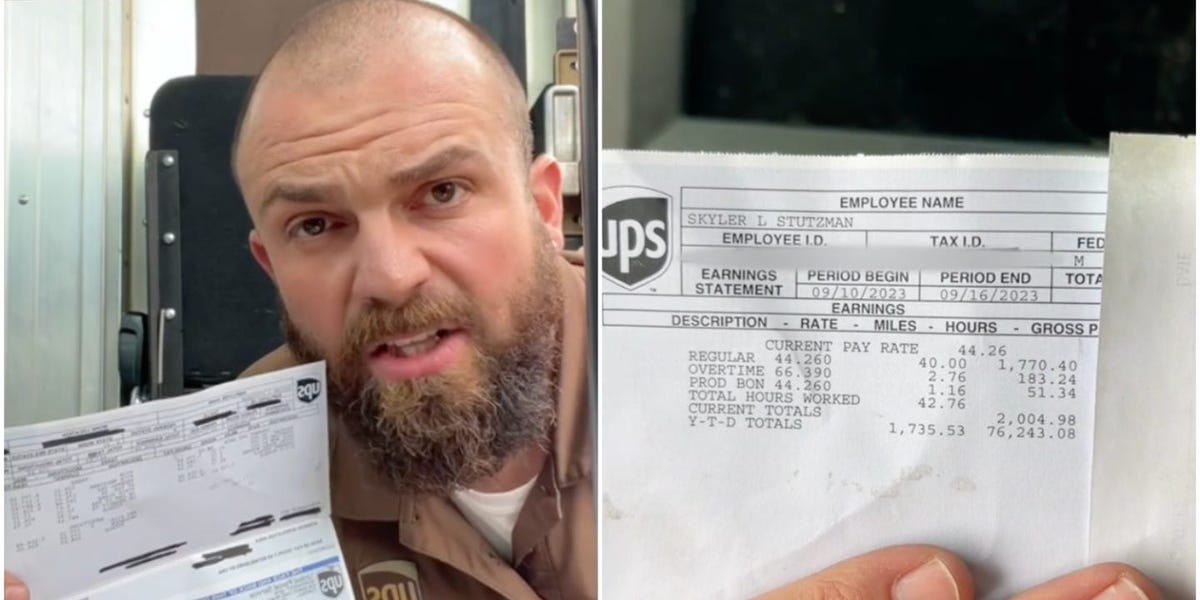
A UPS driver's TikTok video revealing his weekly paycheck has gone viral, sparking shock and jealousy among viewers. The video showed the driver's pre-tax earnings of $2,004 for one week of work, resulting in a take-home pay of about $1,300 for 42 hours. This video led to discussions about UPS driver salaries, with the CEO stating that full-time drivers will earn an average of $170,000 annually in pay and benefits under a new five-year contract. The agreement also includes improvements such as adding air conditioning to vehicles.
A UPS driver's video breaking down his weekly paycheck has gone viral, garnering nearly 12 million views. The video shocked viewers who were unaware of the high earnings of UPS drivers, with the driver revealing a pre-tax income of $2,004 for one week of work. After taxes and deductions, he took home around $1,300 for 42 hours of work. The video sparked envy and admiration, with many expressing surprise that they earn less in their own professions. The Teamsters union secured a total compensation package of $170,000 for UPS drivers, triggering further discussion about pay disparities in different fields.
A UPS driver's viral TikTok video showcasing his $2,004 pre-tax weekly pay stub has shocked thousands, revealing the high earnings of delivery drivers. The video garnered over 11.9 million views, with many commenters expressing surprise and disappointment at their own lower wages in comparison. The Teamsters union secured a total compensation package of $170,000 for UPS drivers, including benefits, triggering both jealousy and admiration. However, the driver clarified that it took him 10 years to become a full-time UPS delivery driver, starting in the warehouse and progressing gradually.
According to a report by Comparably, Workday, the HR tech company, ranks as the top company where workers feel happiest with their pay. The rankings were based on worker sentiment from August 2022 to August 2023, considering factors such as pay competitiveness and fairness. Other tech companies, particularly cybersecurity firms, also scored highly in the compensation analysis. The top three companies with the happiest workers in general are Workday, Boston Consulting Group, and Uber. Companies that prioritize pay transparency and equitable pay practices, such as Workday, Adobe, and AT&T, have been recognized for their efforts in closing the gender and racial wage gaps. The report highlights the importance of salary transparency and equitable pay in shaping employee satisfaction.
American workers can expect smaller salary increases in 2024, with employers planning to increase salary budgets by about 4%, down from this year's average of 4.3%. However, with inflation projected to slow to 2.6% in 2024, workers could see a net gain of about 1.4% in purchasing power. The raises will vary by industry, with education and healthcare employees expecting a pay bump of 3.5% or less, while energy sector workers will enjoy raises of 4.5%. The tight labor market and pay transparency laws are factors contributing to the need for competitive wages. Experts advise employees to communicate their worth, make requests early, research industry averages, and consider internal job opportunities for potential pay increases. It is recommended not to delay asking for a raise until 2025, as economists predict slower wage growth in the coming years.
A new survey by Pew Research Center found that more than half of US workers are satisfied with their jobs, particularly with their relationships with co-workers and managers. However, workers are less satisfied with their pay and opportunities for promotions. Job satisfaction also varies by age, income, and race. The survey also found that pay transparency laws going into effect this year could help advance equity in the workforce.
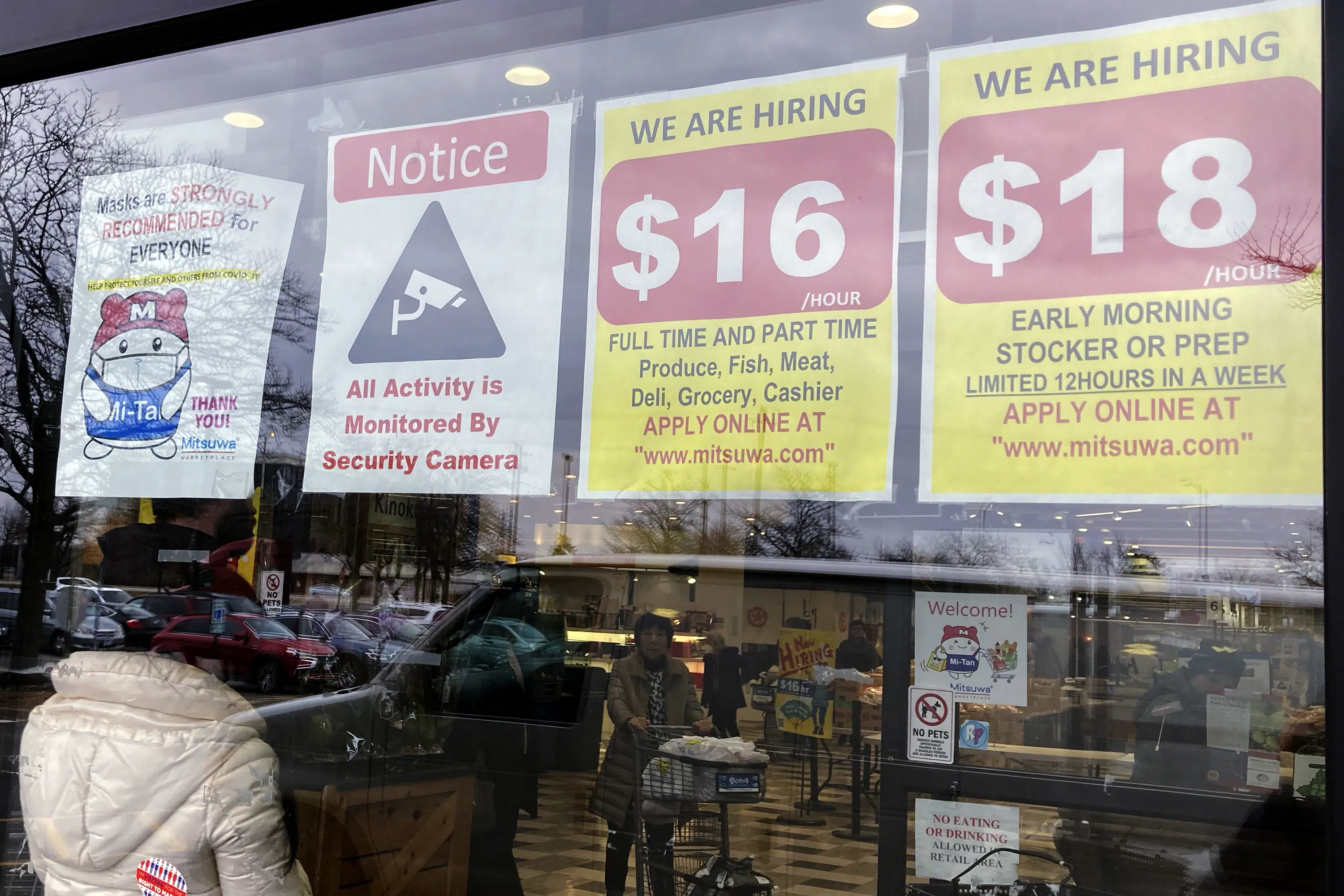
Employers in the US are increasingly posting salary ranges for job openings, even in states where it’s not required by law, due to new legislation in several states and a tight labor market. The number of US job postings that include salary information more than doubled between February 2020 and February 2023. Advocates say it benefits women and people of color, who statistically fare less well in hiring negotiations. Major companies including Microsoft, CitiGroup, and Google have publicly committed to posting salary ranges for all jobs across the country, rather than only in the states where it’s legally required.
Pay transparency laws requiring employers to disclose salary ranges in job postings are causing rifts between employees and employers over fair pay. Many employees are finding out that the listing is for higher than what they're currently being paid, leading to confrontations with their bosses. Rising inflation and labor shortages have required organizations to increase starting salaries to remain competitive, but many employees who find out that newly-hired peers earn more are quick to look for new jobs themselves, creating a vicious cycle of high turnover and unfilled positions. However, pay transparency is heavily dependent on the presence of pay transparency, as it provides job seekers with more control during negotiations and holds employers accountable for any pay discrepancies that exist.
HR executives are adapting their recruiting and employee management practices to attract and retain Gen Z talent. Gen Z seeks professional intimacy and connectedness in the workplace, prioritizes mental health concerns, and desires pay transparency and growth opportunities. Companies can retain Gen Z workers by providing opportunities for them to connect, building inclusivity, and offering a clear path for growth within the organization.