A recent survey and personal stories reveal that many white-collar employees value loyalty from their employers more than higher pay, especially in uncertain economic times, highlighting a desire for mutual care and respect in the workplace over purely transactional relationships.
Dutch Bros, an Oregon-founded coffee chain, ranked third in a study of employee satisfaction among major restaurant chains, with 78% of employees recommending their job. The company plans to move its headquarters from Grants Pass, Oregon, to Arizona, sparking mixed reactions among fans. The study highlights In-N-Out as the top-ranked chain for employee happiness for a decade.
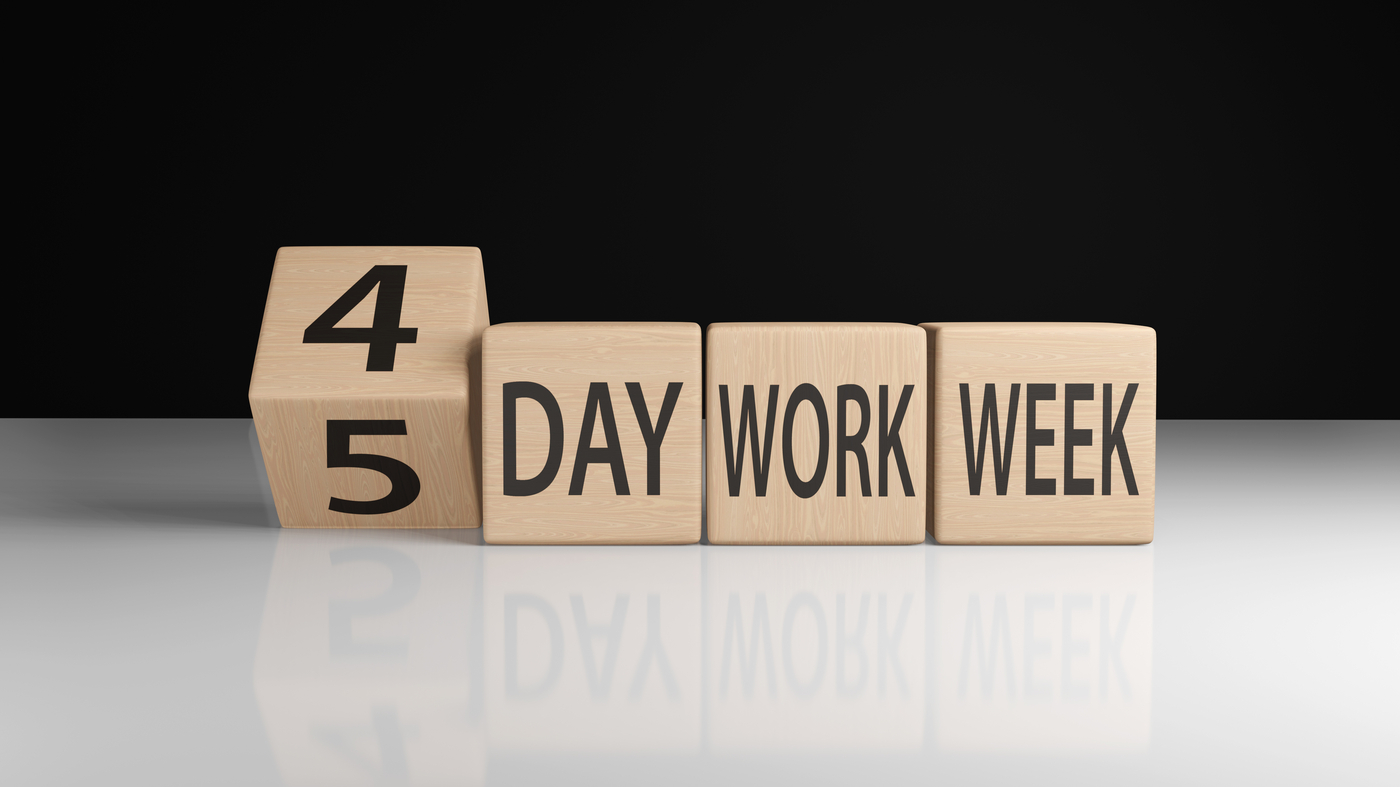
A U.K. pilot of a four-day workweek has shown lasting benefits more than a year later, with companies reporting happier workers, lower turnover, and greater efficiency. Follow-up surveys revealed sustained improvements in physical and mental health, work-life balance, and general life satisfaction, as well as reductions in burnout. However, there is no one-size-fits-all recipe for implementing the four-day workweek, as different companies found success with varying approaches. While most companies have made the policy permanent, some faced challenges in managing client and stakeholder expectations, suggesting the need for better external communications and flexibility in adapting the policy to challenging conditions.
In the high-tech industry, a poor job market has led to a rise in "quiet quitting," where dissatisfied employees stay in their jobs despite wanting to leave due to a lack of alternative opportunities. The global economic crisis, Israel’s domestic political crisis, and the war in Gaza have caused funding declines, mass layoffs, and hiring freezes. This has resulted in a decrease in employee satisfaction and engagement, with many feeling demoralized and resentful. Strong leadership, trust in the organization, and compassionate communication are suggested as ways to address the challenges and retain employees during this difficult time.
Many boss-employee one-on-one meetings are not conducted effectively, with bosses often dominating the conversation and focusing solely on task lists. Organizational psychologist Steven G. Rogelberg emphasizes the importance of addressing both tactical and personal needs during these meetings, recommending that bosses allocate 25-50 minutes per week for them. Good one-on-ones can significantly impact employee satisfaction, engagement, and overall happiness, but surveys show that half of these meetings receive poor marks from workers. Rogelberg stresses the necessity for bosses to listen more and direct reports to lead the conversation, as these meetings are crucial for effective leadership.
Glassdoor's 16th annual Employees’ Choice Awards for the Best Places to Work in 2024 includes seven Massachusetts-based businesses, with Boston's Bain & Company topping the list. Other local companies recognized include MathWorks, Fidelity Investments, Toast Inc, Boston Scientific, Analog Devices, and Boston Consulting Group. The rankings are based on employee feedback, with these companies receiving high ratings for employee satisfaction.
A report by Gympass and Northwell Health on the "State of Work-Life Wellness" reveals that the key to employee mental wellness is the power of choice in work arrangements. The survey of over 5,000 full-time workers found that workers who had the opportunity to choose their preferred work setting were more productive, lower-stress, better-rested, and happier with their employer. However, many companies are still mandating office returns, creating a gap in workplace well-being. The report emphasizes the need for employers to prioritize employee well-being and flexibility to satisfy evolving needs and wants. Workers now prioritize well-being as much as salary and are more likely to consider leaving a job that doesn't prioritize their well-being. Companies that prioritize employee well-being will be the most successful in the future.
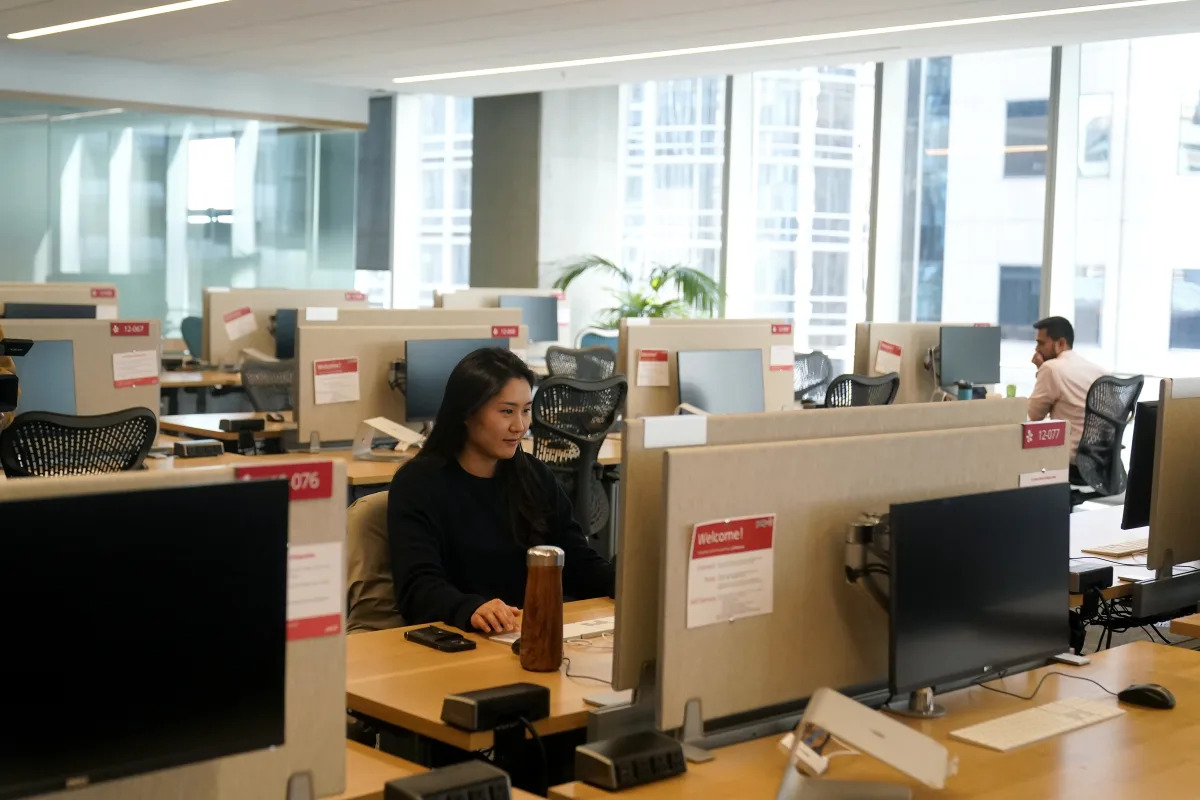
A recent poll conducted by NORC at the University of Chicago reveals that only 13% of employers have introduced new incentives to boost employee satisfaction with in-person work. The survey found that retaining employees who prefer remote work is a problem for 3 in 4 human resources representatives, with factors such as flexibility, work-life balance, and commuting costs influencing employees' desire to work from home. The top incentive that would encourage more in-person work is higher compensation, according to most respondents. Other potential incentives include commuter benefits, in-office childcare, free food, and social gatherings. While the number of people working remotely has decreased since the peak of the COVID-19 pandemic, it remains significantly higher than pre-pandemic levels, suggesting that the hybrid work model may continue to grow in popularity.
According to a report by Comparably, Workday, the HR tech company, ranks as the top company where workers feel happiest with their pay. The rankings were based on worker sentiment from August 2022 to August 2023, considering factors such as pay competitiveness and fairness. Other tech companies, particularly cybersecurity firms, also scored highly in the compensation analysis. The top three companies with the happiest workers in general are Workday, Boston Consulting Group, and Uber. Companies that prioritize pay transparency and equitable pay practices, such as Workday, Adobe, and AT&T, have been recognized for their efforts in closing the gender and racial wage gaps. The report highlights the importance of salary transparency and equitable pay in shaping employee satisfaction.
A woman on TikTok explains why she believes working from home is more productive than being in an office, aligning with recent data on the subject. She argues that in the office, employees are forced to constantly perform availability and deal with interruptions, whereas at home, they can utilize small pockets of time for personal tasks while still completing the same amount of work. The discrepancy between workers' perceptions and recent data on productivity can be attributed to the specific focus of the studies and management procedures that haven't adapted to remote work. Overall, working from home has shown positive impacts on productivity and profitability, eliminating overhead costs for businesses. Despite demands from CEOs, workers have expressed their preference for remote work.
USA TODAY is seeking nominations for its Top Workplaces USA distinction, which recognizes organizations with exceptional workplace cultures that prioritize their employees. Any organization with a workforce of at least 150 people can be nominated, and employees will evaluate their workplaces through a 24-question survey. The winners will be announced in March 2024, and the recognition can help businesses attract top talent and enhance their performance. Participation is free, and the deadline for nominations is November 10th.
Employers are increasingly pushing for employees to return to in-person work, with companies like BlackRock, Amazon, and Farmers Insurance implementing stricter requirements for in-office work. While some studies suggest that in-person work can lead to more collaboration and advancement opportunities, employees are seeking a balance between remote and in-person work. A survey by Boston Consulting Group found that 85% of office workers prefer a hybrid work model and want some say in determining their in-office days. However, as the economy cools down, finding fully remote positions is becoming more challenging, leading some workers to consider in-person jobs with more control over their schedules.
A Morning Consult survey reveals that 66% of American workers believe companies should adopt extended vacation policies, such as a month off in August, similar to those in Europe. While the average American receives only 11 vacation days per year, workers in the European Union are guaranteed at least 20 working days of paid vacation. However, 21% of Americans oppose longer vacation policies. Additionally, many Americans also desire extended lunch breaks, shorter workweeks, and slower employee response times outside of work hours, similar to European labor laws.
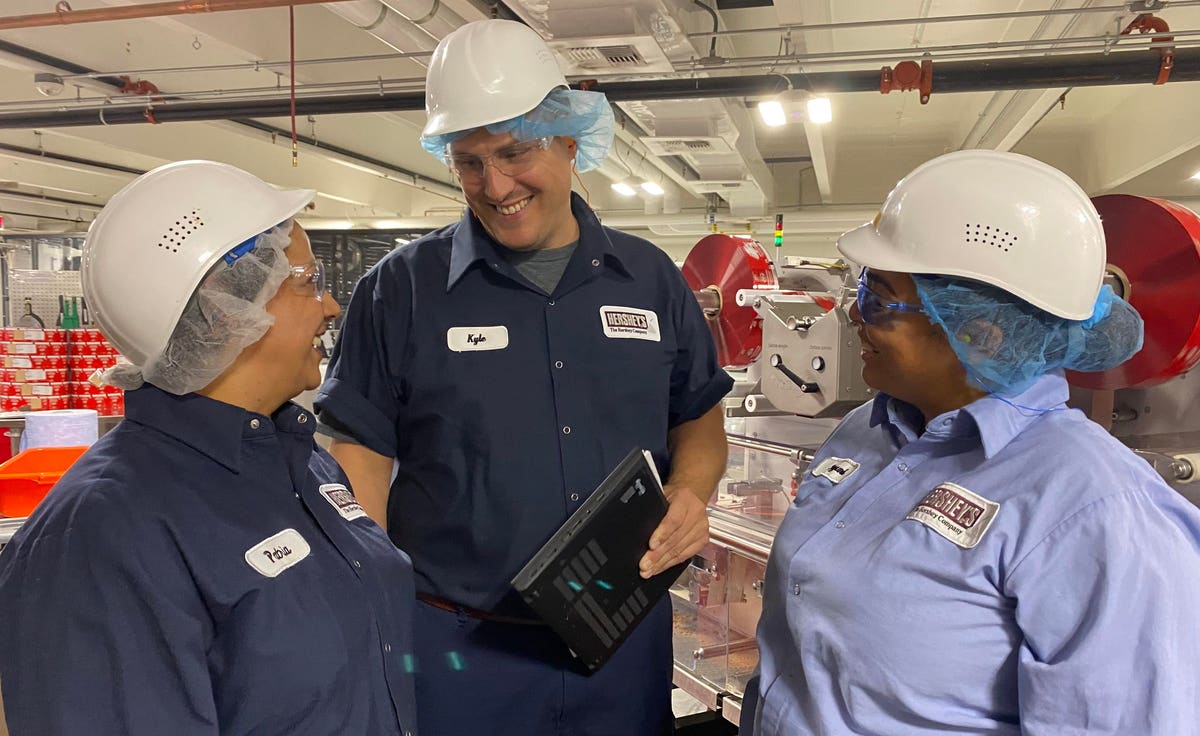
Forbes has released its fifth annual list of the Best Employers By State, in partnership with market research firm Statista. The list is based on a survey of employees at companies with more than 500 employees, who were asked to rate their employer in various categories. The Hershey Company, known for its philanthropic efforts, made the list in Pennsylvania and Virginia. The U.S. Department of Defense and the U.S. Department of Veterans Affairs ranked in the most states, followed by companies like Amazon, Costco, Home Depot, Marriott, Microsoft, Target, and UPS. Employee engagement, development, and loyalty were highlighted as key factors in the success of these organizations.
Companies are taking steps to address job misery by improving employee satisfaction through workplace culture, mental health support, remote work options, and benefits such as paid time off and parental leave. These efforts are aimed at reducing burnout and turnover, and creating a more engaged and productive workforce.