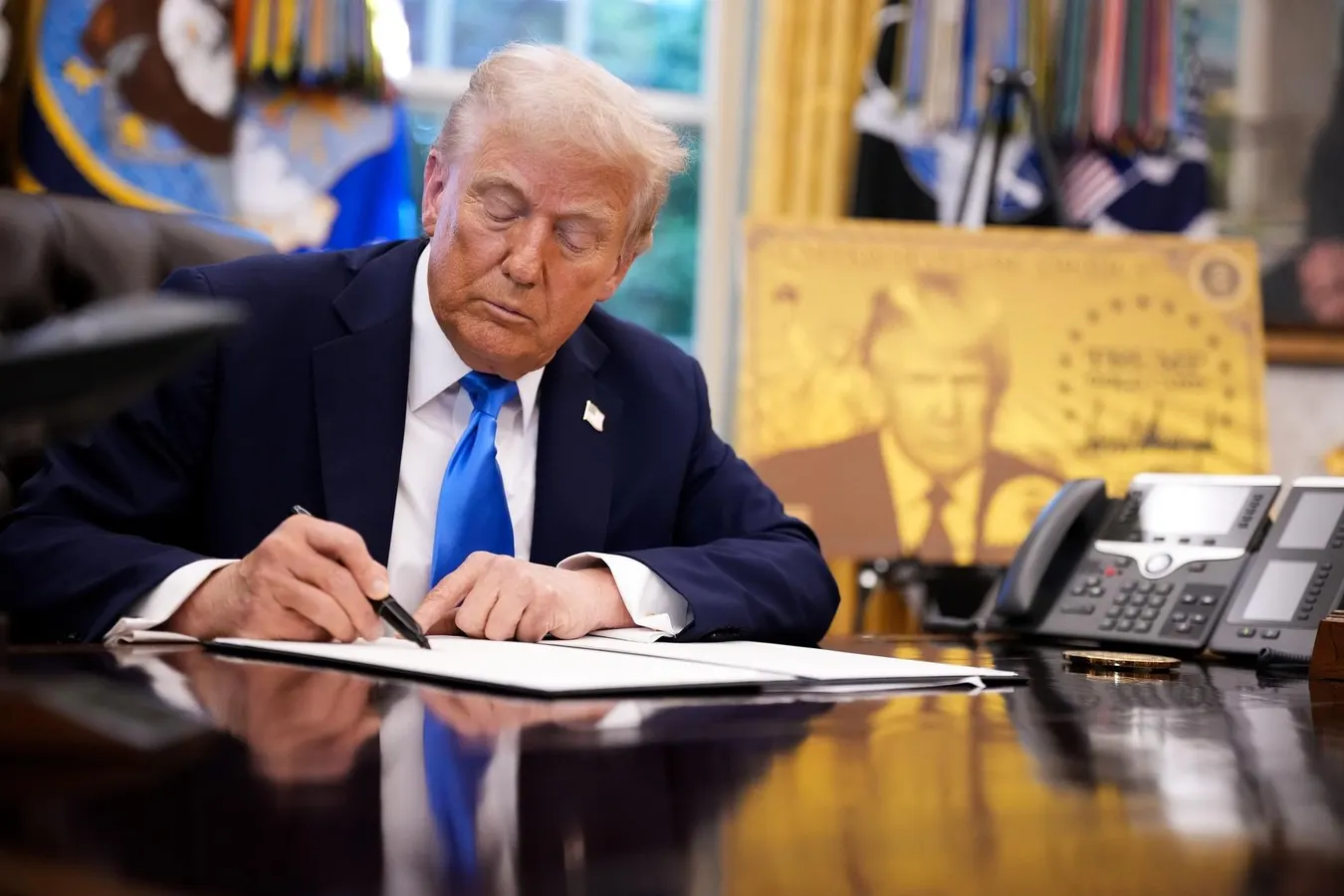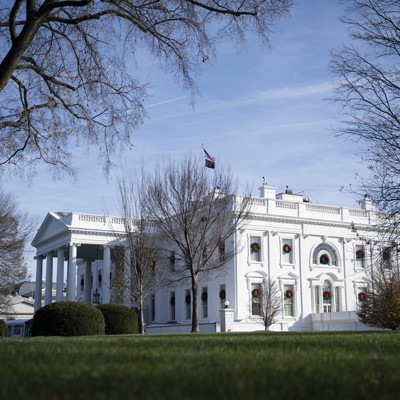
The Trump administration has launched the US Tech Force to recruit around 1,000 technologists for two-year government stints, aiming to modernize federal tech and compete in AI, involving private sector companies and addressing previous workforce reductions.
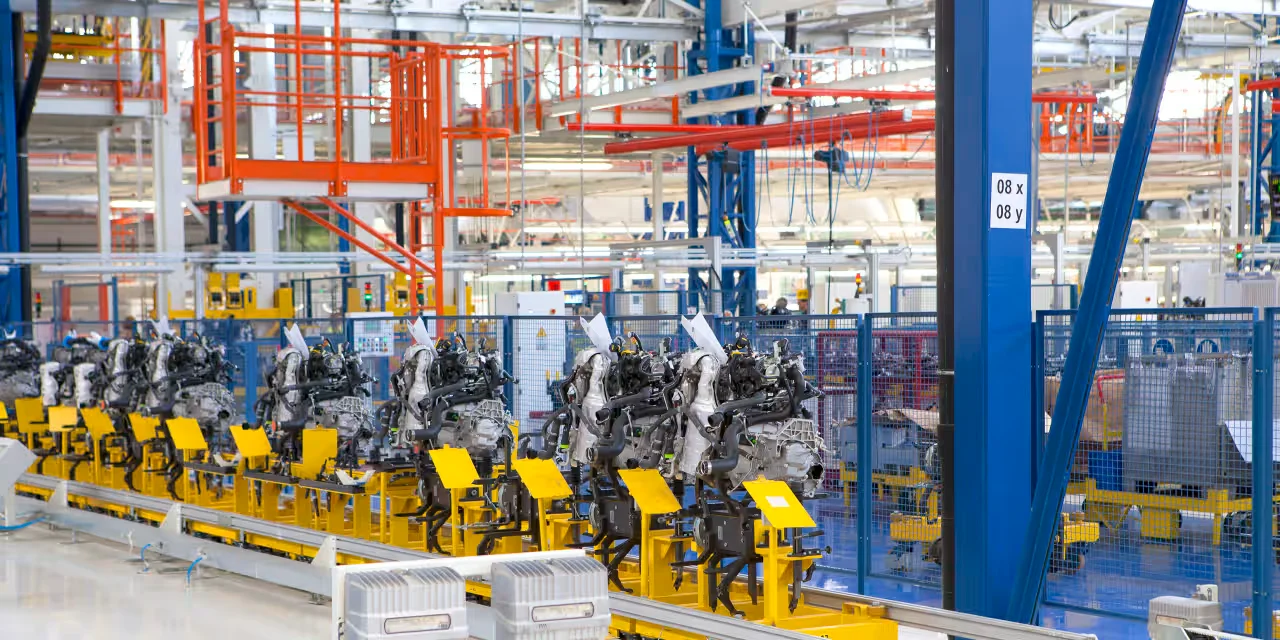
A new study suggests that companies benefit from AI by attracting talent and adopting a lean, experimental approach, which can boost productivity two to three times more than traditional IT, but many AI pilots still fail, and the overall impact of AI on productivity remains complex and context-dependent.
President Trump signed an executive order imposing a $100,000 fee for H-1B visa applications, which could deter US hiring of foreign AI talent and benefit European startups by making the US less attractive for skilled workers, especially resource-strapped startups. The move is part of broader immigration policy changes amid fierce AI talent competition, potentially shifting talent pools and impacting US tech industry growth.
The demand for AI-specific tech talent is significantly boosting real estate markets in key cities across the U.S. and Canada, with increased office leasing and rising residential rents driven by in-migration of tech workers, especially in cities like San Francisco, New York, and Washington, D.C., where AI is fueling a new tech boom and impacting housing affordability.
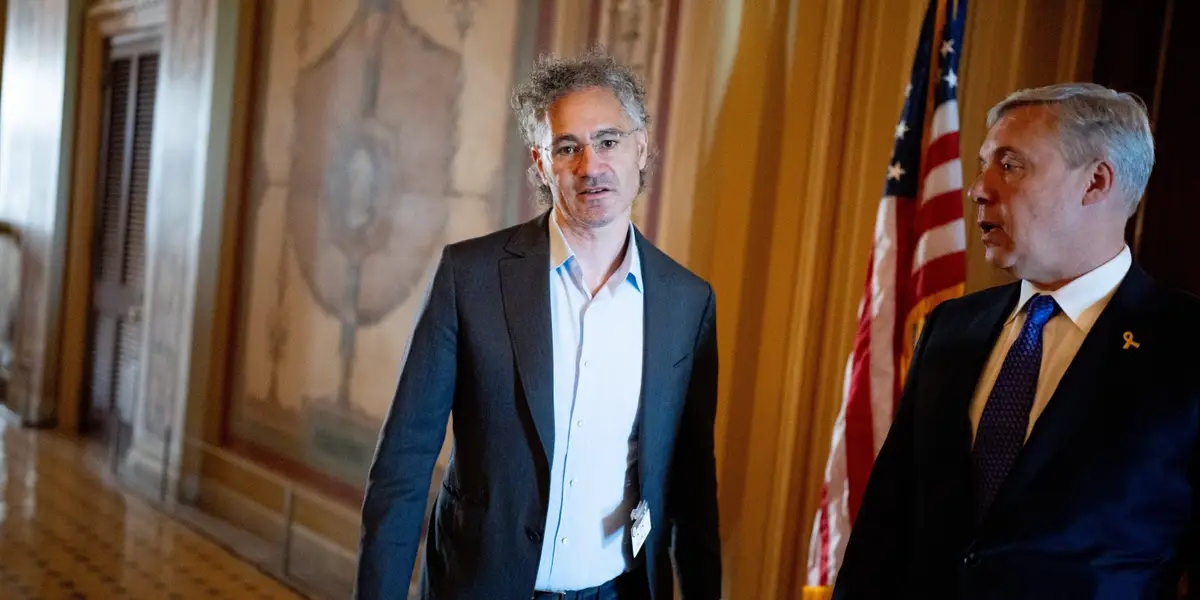
Alex Karp, CEO of Palantir, emphasizes the increasing value and demand for skilled tech workers amid fierce AI competition, noting they will command higher pay, even as companies like Palantir may adopt leaner teams to optimize growth.
Amazon has largely stayed out of the AI talent war due to its pay structure, reputation lagging behind competitors, and strict return-to-office policies, which have hindered its ability to attract top AI engineers. The company is now considering adjustments to its compensation and location strategies to better compete in the rapidly evolving AI landscape.
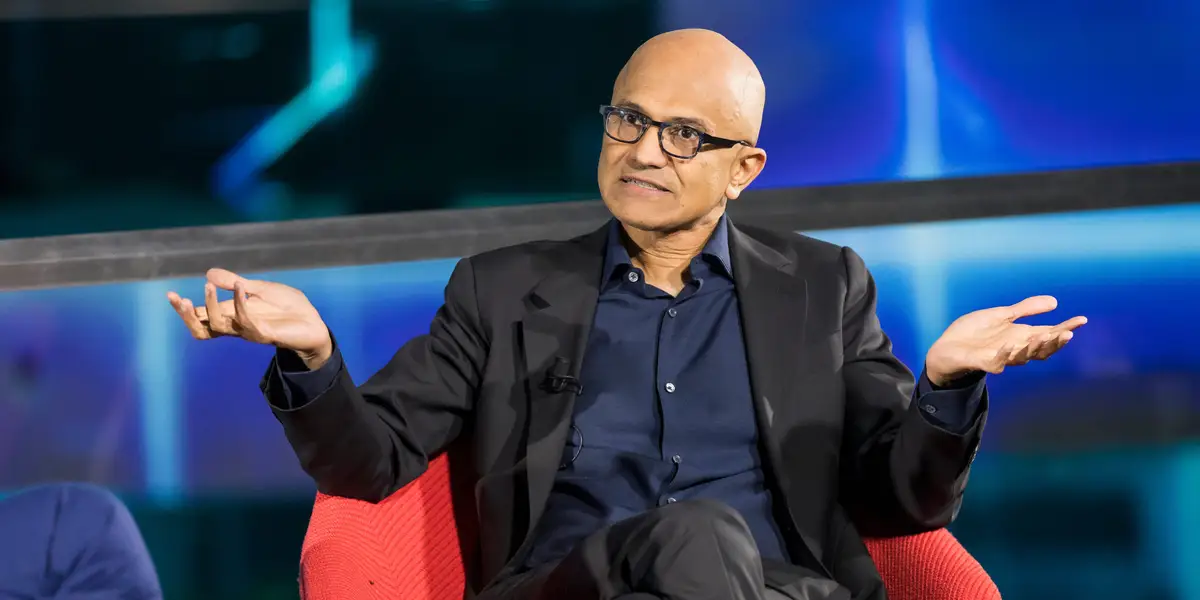
Leaked Microsoft pay data reveals over 850 self-reported employee salaries, bonuses, and stock awards, highlighting efforts to remain competitive in attracting top AI talent amid ongoing hiring and layoffs. The data, primarily from US software engineers, shows varying pay ranges across different teams, with cloud and AI roles earning the highest average base salaries. Microsoft is actively adjusting its pay strategies to compete with rivals like Meta in the AI space.
Jad Tarifi, a Google AI pioneer and founder of Google's first generative AI team, advises against pursuing a Ph.D. solely to capitalize on AI hype, emphasizing the importance of niche expertise, social skills, and passion for thriving in the AI-driven world. He highlights that rapid technological advancements make traditional degrees less relevant and encourages focusing on emotional intelligence and specialized skills instead.
As competition for top AI talent intensifies among Big Tech firms, CEO Alex Bates has developed HelloSky, a platform that uses AI to identify hidden and non-traditional candidates by analyzing their contributions and impact, aiming to diversify and optimize talent acquisition in the AI era.
OpenAI employees plan to sell around $6 billion worth of shares to investors including SoftBank, Thrive Capital, and Dragoneer, valuing the company at $500 billion, which could make it the world's most valuable startup. This move provides liquidity for employees amid fierce competition for AI talent and follows SoftBank's ongoing $40 billion funding round and a recent $1 billion share purchase. The deal highlights SoftBank's strong confidence in OpenAI's future, especially after its recent GPT-5 release and revenue growth projections.
Current and former OpenAI employees plan to sell about $6 billion worth of shares to investors including SoftBank, Thrive Capital, and Dragoneer, valuing the company at $500 billion. This secondary sale, alongside ongoing funding rounds, aims to retain top AI talent amid industry competition and signals SoftBank's strong belief in OpenAI's future success, especially following recent high-profile investments and the release of GPT-5.
Meta has experienced a significant loss of top AI talent due to internal chaos, lack of vision, and a culture of overpayment for mediocre scientists, prompting Zuckerberg to spend billions on aggressive hiring and poaching from rivals like OpenAI, despite ongoing departures and internal challenges.
OpenAI announced substantial quarterly bonuses for nearly 1,000 employees, including top researchers and engineers, to retain AI talent amid fierce competition in Silicon Valley, coinciding with the launch of GPT-5 and reflecting market-driven compensation increases.
AI engineer Yangshun Tay shared his experience of receiving an offer from OpenAI and being quickly contacted by Meta, highlighting the fierce competition for AI talent in Silicon Valley. He notes Meta's current lag in AI leadership despite high-profile hires, and discusses the high opportunity costs of working as an employee versus building his own ventures. Tay emphasizes the rapid pace of AI development, the talent race among tech giants, and the shifting landscape of AI employment and innovation.
Meta CEO Mark Zuckerberg has offered over $1 billion to AI researchers at Thinking Machines Lab to join his Superintelligence Labs, but none have accepted, highlighting potential issues with Meta's AI strategy and leadership. Despite massive investments and high-profile hires, Meta struggles to attract top talent and compete with rivals like OpenAI and Google, amid concerns over AI hype and sustainability.