
health2 months ago
Dubuque Man Adapts to Life with Rare Disease Hour by Hour
A man from Dubuque is learning to navigate life with a rare disease, sharing his ongoing journey and challenges faced along the way.

All articles tagged with #patient story
A man from Dubuque is learning to navigate life with a rare disease, sharing his ongoing journey and challenges faced along the way.

The article shares Ruth Wilson's experience living with lupus, a complex autoimmune disease, highlighting her long diagnosis journey, daily struggles, treatment, and her efforts to support others and raise awareness about the disease.
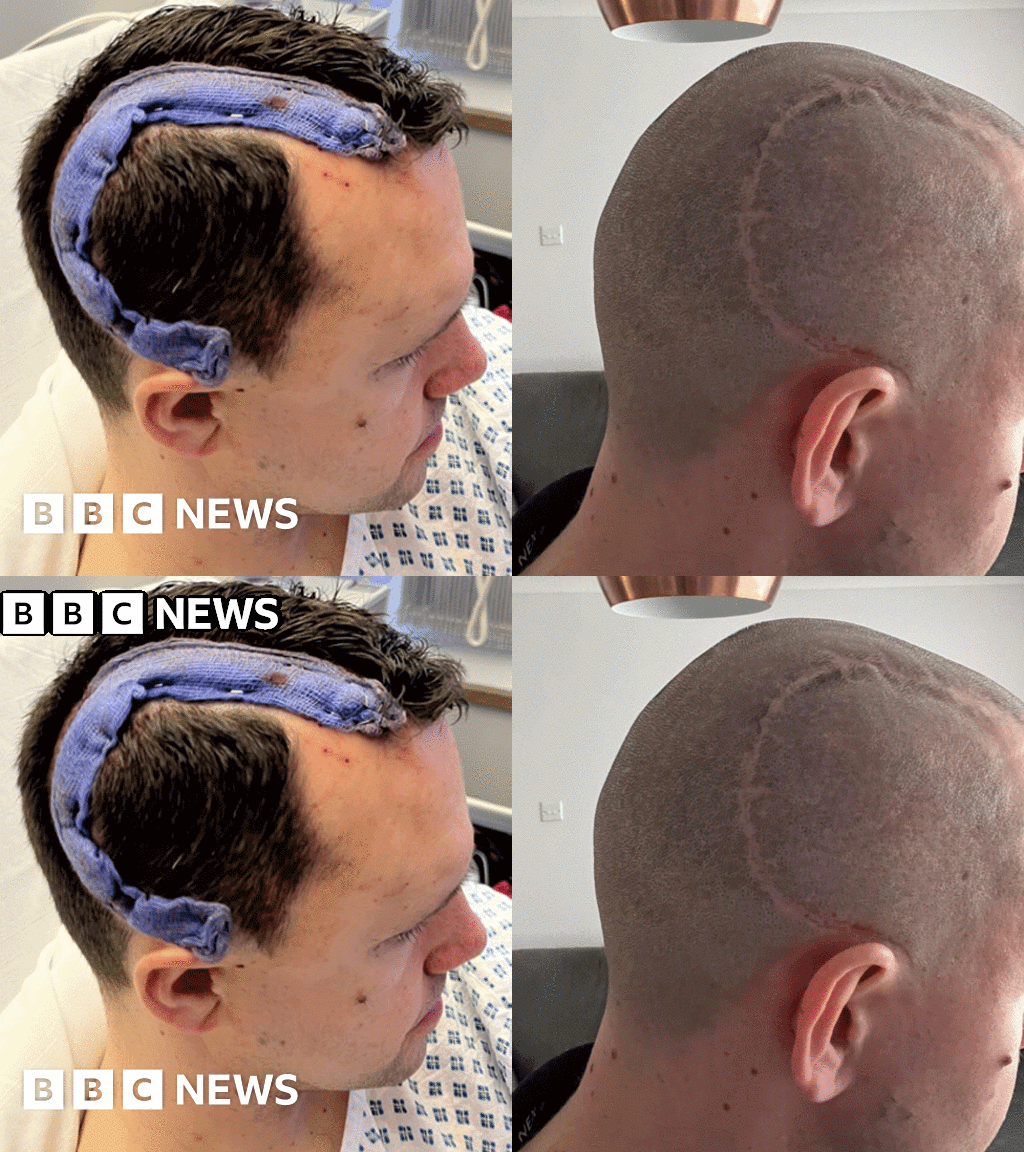
Charlie Broadhurst from West Hanney was diagnosed with a grade II astrocytoma brain tumor that had grown undetected for over a decade, despite earlier scans suggesting sinus issues. After a seizure in 2022, he underwent surgery, radiotherapy, and chemotherapy, and now has regular scans to monitor his condition. His story highlights the importance of brain tumor research and awareness.
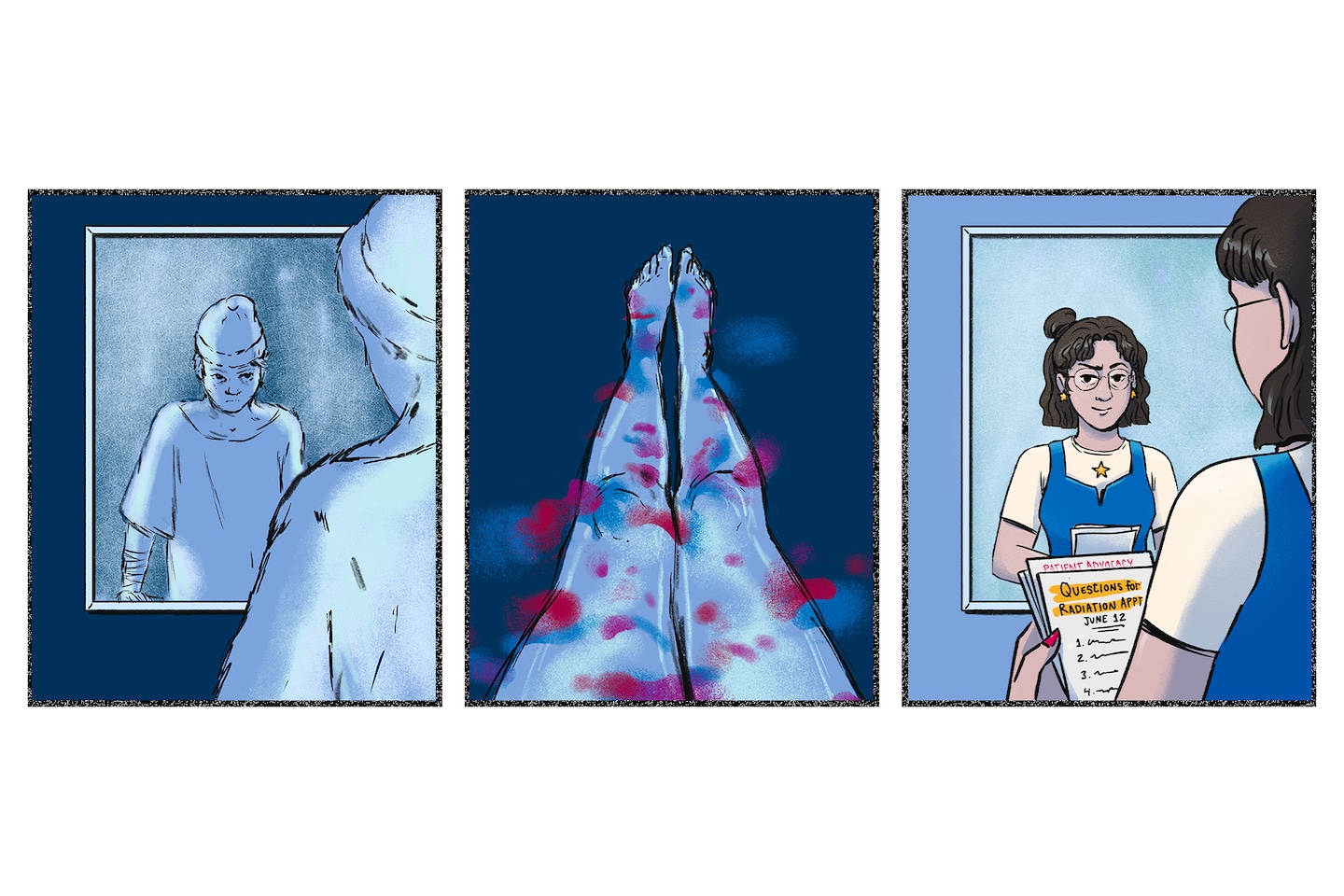
A 26-year-old woman was dismissed by doctors as 'too young' to be seriously ill despite having Stage 4 metastatic cancer, highlighting issues of misdiagnosis and the importance of listening to patients' symptoms.
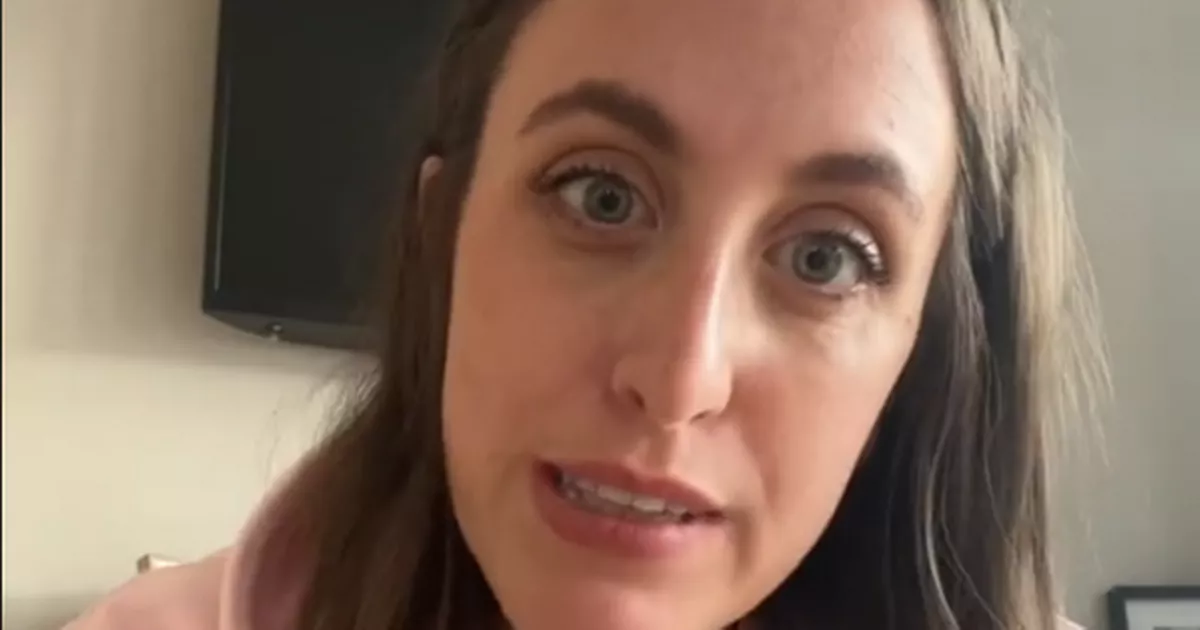
Ellie Wilcock, a woman diagnosed with stage 4 bowel cancer, shared her experience on social media, highlighting four symptoms she encountered: pain in the left side of her abdomen, fatigue, changes in bowel habits, and lack of appetite. She emphasized the importance of recognizing these symptoms early, particularly changes in bowel habits, which she wishes she had noticed sooner. Bowel cancer is a significant health concern in the UK, with around 44,000 new cases annually. The NHS advises consulting a GP if experiencing symptoms like unusual bowel movements, fatigue, or unexplained weight loss.
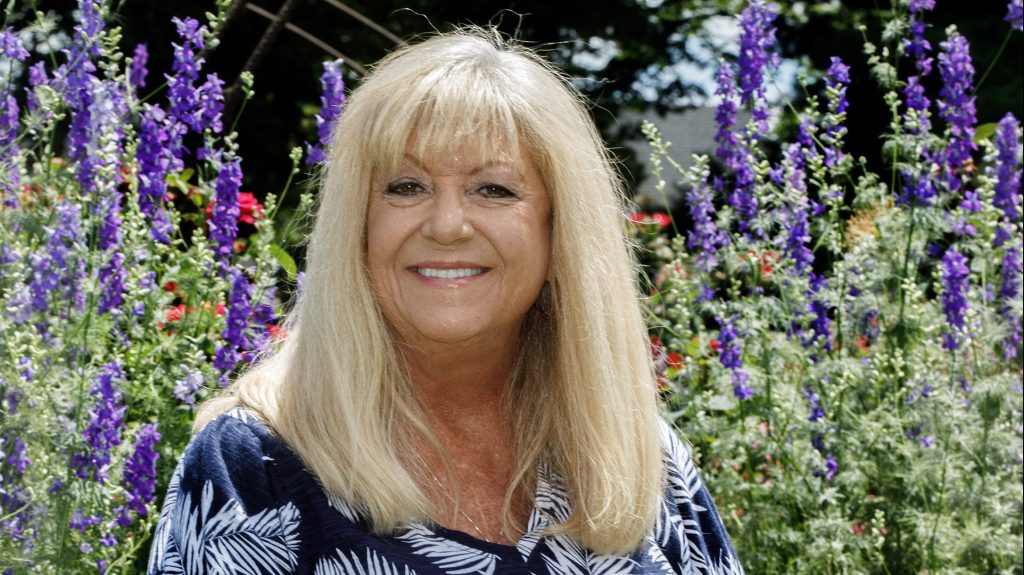
Joy Prestosh, a 66-year-old woman from Bethlehem, celebrated 40 years with the same transplanted heart, making her one of the longest-lived heart transplant recipients in the U.S. Despite the median survival time for heart transplants being around a decade, Prestosh's adherence to medical advice, good care, and a bit of luck have contributed to her remarkable longevity. Her journey began with postpartum cardiomyopathy, leading to a life-saving transplant at age 26. She credits her survival to divine intervention, medical compliance, and a perfect donor match.
Ann Malik, a 39-year-old non-smoker, experienced worsening health symptoms that were initially misdiagnosed as mild anemia and stress-related issues. After months of deteriorating health and multiple misdiagnoses, she was eventually diagnosed with advanced non-small cell adenocarcinoma, a type of lung cancer. Despite being given a grim prognosis, Malik's cancer was found to have a rare ROS1 genetic mutation, allowing for targeted therapy that has extended her life significantly. Her case highlights the importance of considering serious diagnoses even in patients who don't fit typical profiles.
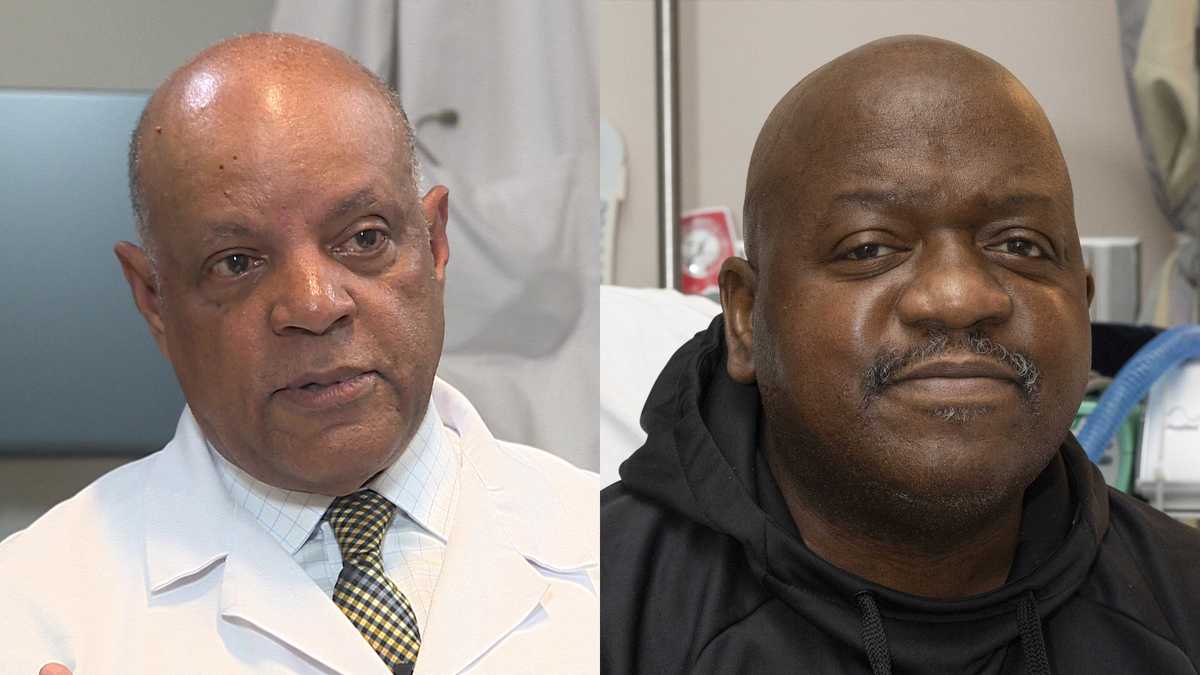
Richard Slayman, a 62-year-old Massachusetts man, received the world's first successful transplant of a genetically-edited pig kidney, living dialysis-free for 52 days before passing away. Dr. Winfred Williams of Massachusetts General Hospital hailed the procedure as a success, emphasizing the kidney's functionality and Slayman's role as a pioneer. The hospital plans to continue this groundbreaking work, aiming to address the significant shortage of human kidneys for transplant. Slayman's contributions will be honored through the upcoming MGH Richard Slayman Xenotransplant Symposium.
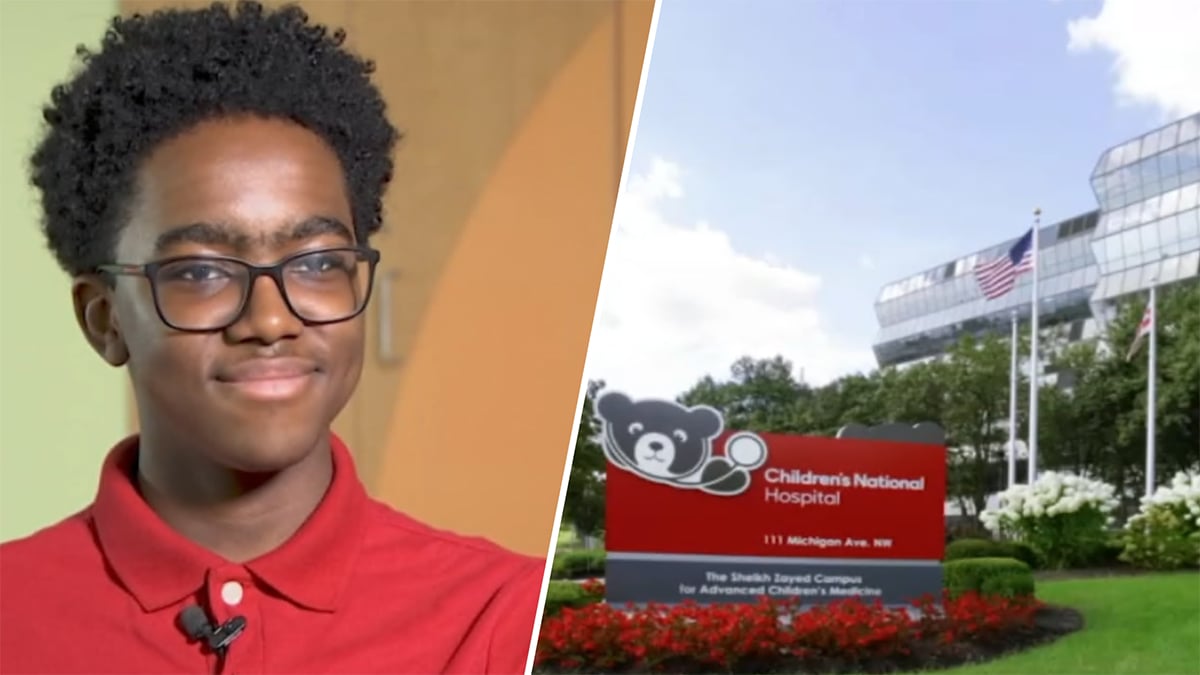
A 12-year-old boy named Kendric Cromer has become the first patient in the U.S. to undergo a newly approved gene therapy for sickle cell disease at Children's National Hospital in D.C. The treatment, which involves modifying his bone marrow stem cells, offers hope for a potential cure and could transform care for thousands suffering from the debilitating condition. Kendric and his family are optimistic about the future, despite the painful and costly process.