A 26-year-old woman was dismissed by doctors as 'too young' to be seriously ill despite having Stage 4 metastatic cancer, highlighting issues of misdiagnosis and the importance of listening to patients' symptoms.
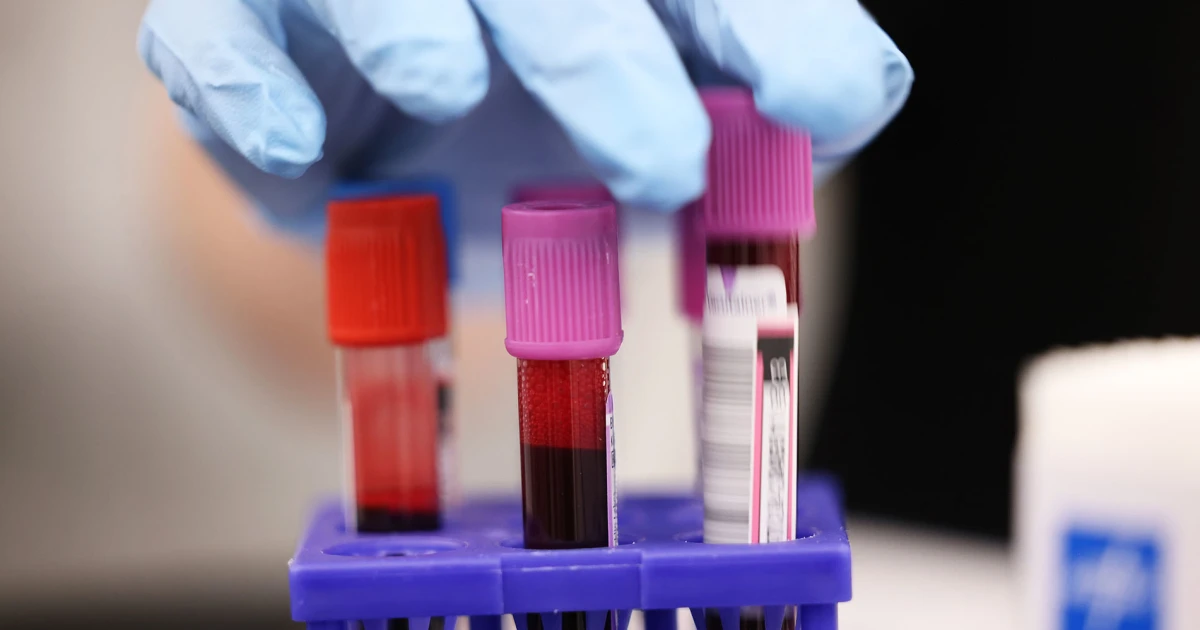
New research shows that liquid biopsies can detect mutations in advanced breast cancer up to nine months earlier than traditional scans, allowing for earlier treatment adjustments that improve tumor control and patient quality of life, though questions about long-term survival benefits remain.
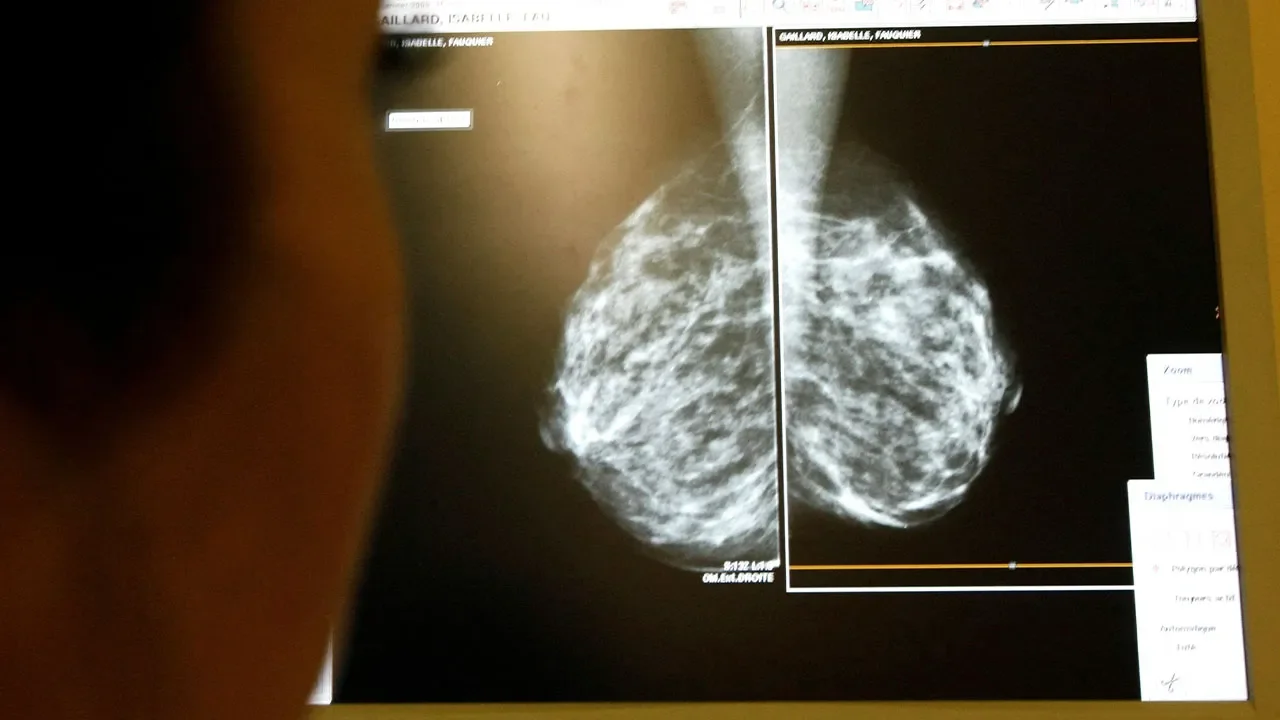
A new study reveals a concerning rise in metastatic breast cancer rates, particularly among women under 40, with a 3% increase from 2004 to 2021. This trend is alarming as younger women face more aggressive cancer types and lower survival rates. The study highlights the need for increased awareness and potentially earlier screening, as current guidelines may not adequately address the risks for younger women. Factors such as lifestyle choices and genetic mutations like BRCA1 and BRCA2 contribute to the increased risk.
Enhertu, a cancer drug developed by Daiichi Sankyo and AstraZeneca, has shown in clinical trials to stall tumor growth in metastatic breast cancer for over a year, significantly longer than standard chemotherapy. This breakthrough could change the standard of care for hormone receptor-positive, metastatic breast cancer, benefiting patients with even minimal HER2 protein expression.
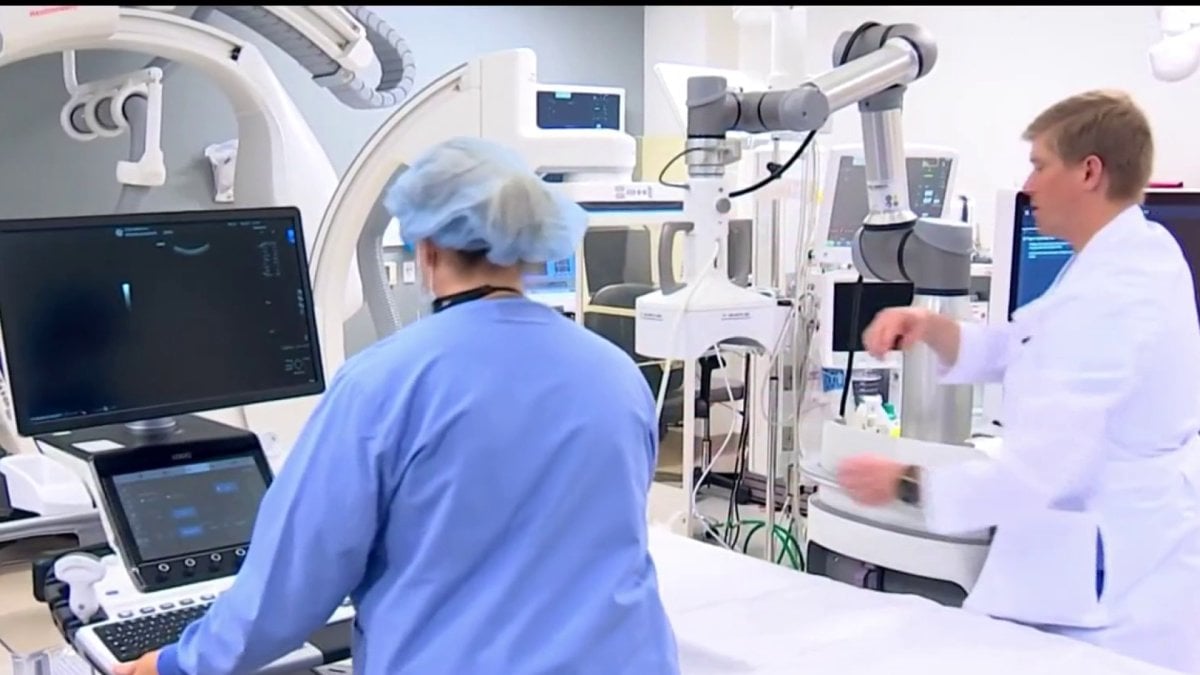
A new device at Providence Mission Hospital in Orange County, called the HistoSonics Edison system, uses pulsed sound energy to target cancerous tumors, offering hope for patients like Michael Farris, who was diagnosed with stage 4 cancer. The technology aims to blast tumor cells, potentially causing regression or shrinking of tumors, and is considered a groundbreaking advancement in cancer therapy. Farris, one of the first patients to receive this treatment, emphasizes the importance of early cancer screening and hopes to live as long as possible to enjoy time with his sons.
Actress Shannen Doherty revealed that her stage 4 breast cancer has spread to her bones. Doherty, who was first diagnosed in 2015 and went into remission after treatment, announced her metastatic stage 4 cancer diagnosis in 2020. Earlier this year, she underwent surgery to remove a brain tumor caused by the cancer. Despite the challenges, Doherty remains hopeful, stating that she is not done with living, loving, creating, and making positive changes. She plans to launch a podcast and hopes to participate in clinical trials while continuing her acting career.
Oncologists in the UK have developed an AI model to predict whether aggressive forms of breast cancer will spread based on changes in a patient’s lymph nodes. The AI model analyzes the immune response in the lymph nodes of women with triple-negative breast cancer to gauge how likely the disease will spread. The researchers believe that it’s possible to predict whether the cancer cells will spread based on their immune response. The team is planning to further test the model at centers across Europe.
Oncologists in the UK have developed an AI model to predict whether aggressive forms of breast cancer will spread based on changes in a patient's lymph nodes. The researchers hope that by using AI to analyze the immune response in the lymph nodes of women with triple-negative breast cancer, they can better gauge how likely the disease will spread. The team tested the AI model on more than 5,000 lymph nodes donated by nearly 350 patients to biobanks and is planning to further test the model at centers across Europe.