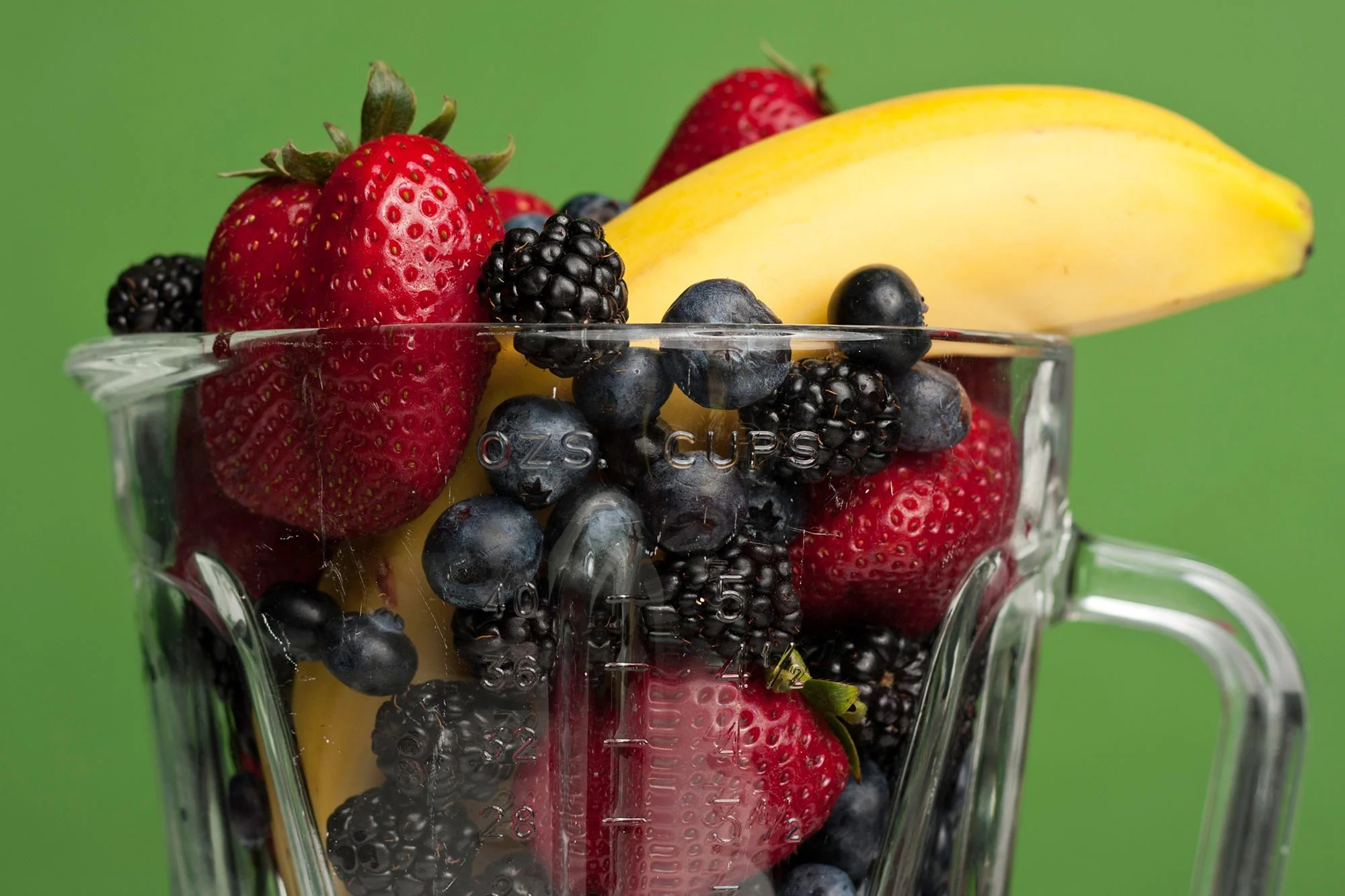
A study suggests that high-heat pasteurization of smoothies can increase the availability of beneficial polyphenols and enhance their absorption by the gut microbiome, potentially boosting the health benefits of smoothies.
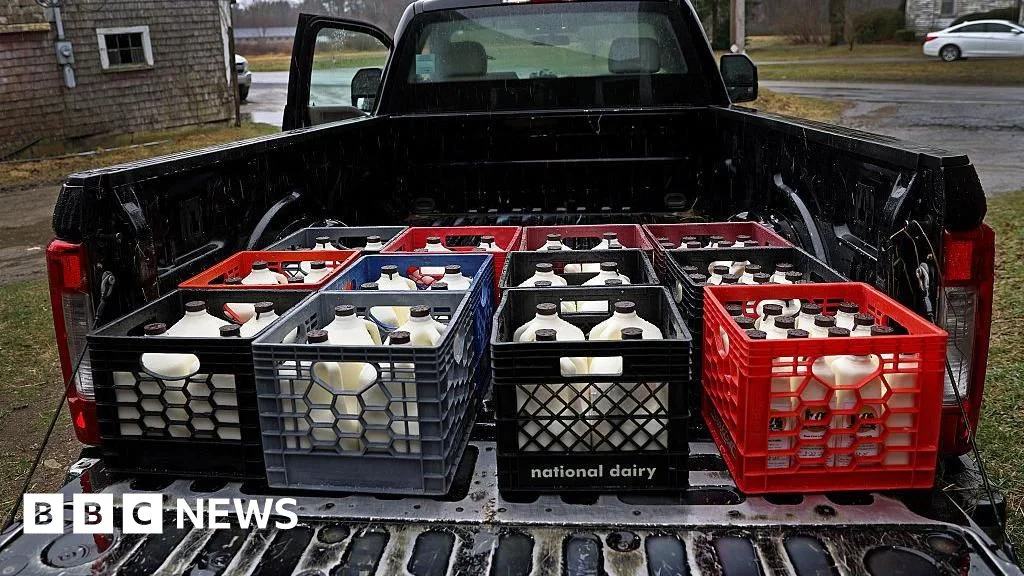
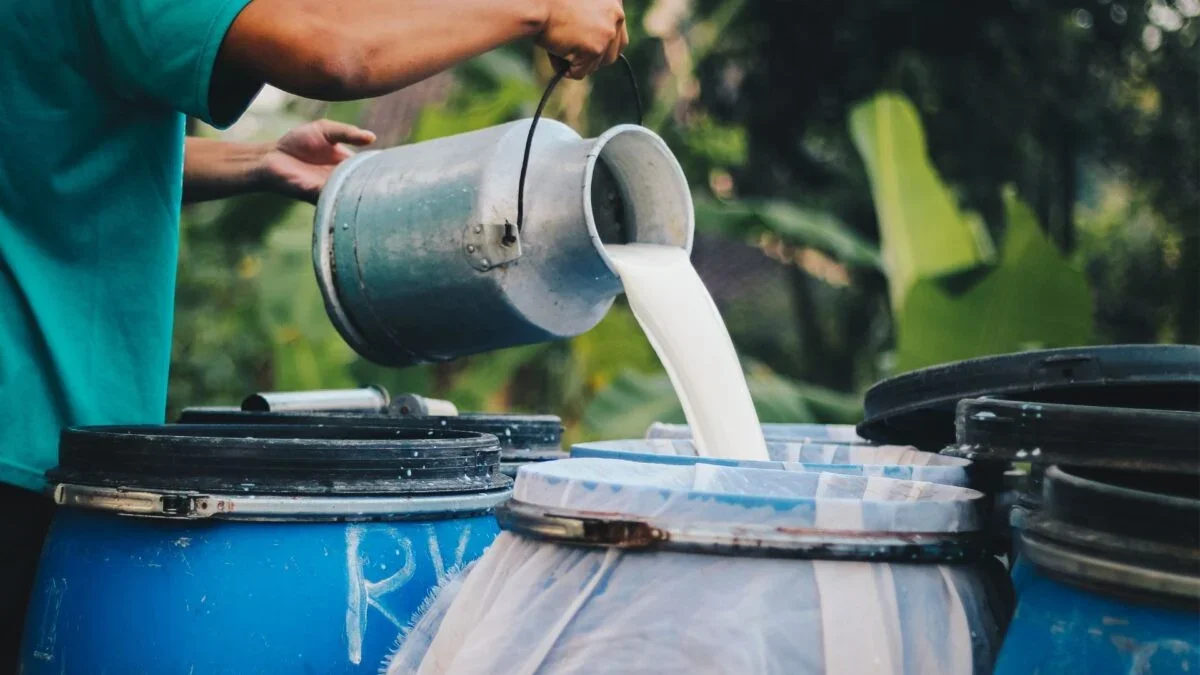
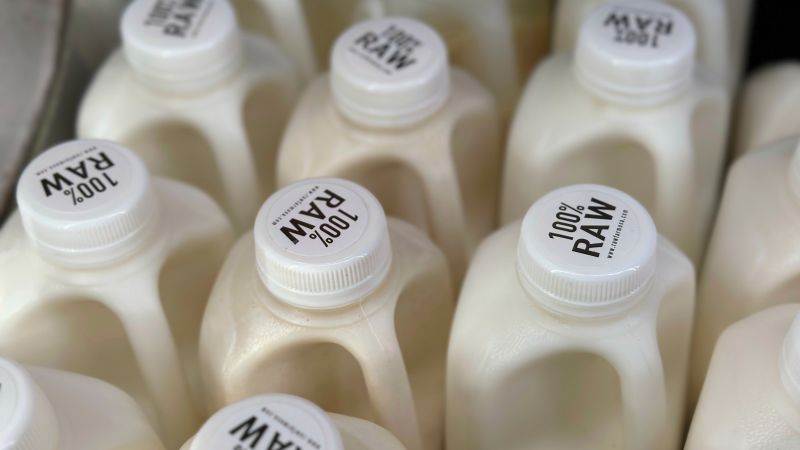
Raw milk is promoted by some for its supposed health benefits, but experts warn it can harbor dangerous pathogens like E. coli and Listeria, and the health risks outweigh the minimal enzyme and vitamin retention benefits. Pasteurization, developed by Louis Pasteur, remains a crucial process for ensuring milk safety, especially outside controlled environments like aged cheeses, which are safer due to fermentation and aging. Unless in regulated settings, consuming raw milk is a risky gamble, particularly for vulnerable populations like children.
California has reported at least 10 illnesses linked to the consumption of raw milk, though none have been identified as bird flu. Despite claims of nutritional benefits, health experts warn that raw milk can carry harmful bacteria and viruses, including bird flu, E. coli, and salmonella. The CDC recommends consuming pasteurized milk to avoid these risks. Interest in raw milk has grown, partly due to endorsements from public figures, but experts emphasize that the health risks outweigh any purported benefits.
Public health experts are alarmed by the growing trend of consuming raw milk, which is unpasteurized and can contain harmful bacteria. Despite claims by proponents like Robert F Kennedy Jr that raw milk is more nutritious, the CDC and other health authorities warn of serious health risks, including food poisoning and severe illnesses. The debate is fueled by anti-authoritarian sentiments and misinformation about processed foods, even as some states have legalized raw milk sales.
A Fresno-based dairy, Raw Farm LLC, has been linked to a potential avian flu risk in raw milk, raising concerns about the safety of unpasteurized dairy products. Despite no reported illnesses from the bird flu in raw milk, the company has a history of selling contaminated products, leading to multiple recalls and illnesses over the years. Experts warn that raw milk can harbor dangerous pathogens like E. coli, Salmonella, and Campylobacter, posing significant health risks, especially to vulnerable populations. Pasteurization is recommended to kill harmful bacteria and ensure milk safety.
California has recalled raw milk from Raw Farm after it tested positive for the H5N1 bird flu virus. While pasteurization effectively kills the virus, raw milk consumption poses significant health risks, including potential infection from bird flu. Despite warnings from health officials, the consumption of raw milk has increased, with some accusing authorities of fearmongering. The California Department of Food and Agriculture will now test Raw Farm's milk for bird flu twice a week. The recalled milk has a lot code of 20241109 and a 'best by' date of November 27, 2024.
A Texas cattle worker contracted bird flu from an infected cow, raising concerns about the virus jumping species. Despite health warnings, sales of unpasteurized milk have surged as some people believe it can build immunity against the virus. Experts warn that drinking raw milk is risky and could lead to further virus mutations. Health authorities are monitoring the situation and advising protective measures.
New research confirms that milk from cows infected with H5N1 influenza can remain infectious, even after flash pasteurization, raising concerns about dairy safety. The study found that while vat pasteurization effectively inactivates the virus, flash pasteurization does not completely eliminate it. The findings highlight the risks of consuming raw milk and suggest that commercial pasteurization processes should be thoroughly implemented to ensure safety.
Health experts in Michigan are warning against consuming raw milk due to the health risks associated with unpasteurized dairy products, which can carry harmful germs such as campylobacter, E. coli, and salmonella. The warning comes amid concerns about the spread of bird flu, which can impact both birds and cows and potentially spread to humans. Recent cases of E. coli infections linked to raw milk cheese highlight the dangers, prompting experts to advise consumers to opt for pasteurized products and ensure proper refrigeration to prevent illnesses.
A bird flu outbreak has affected more than two dozen dairy herds in eight U.S. states, with the virus detected in cattle for the first time. Health officials emphasize that the risk to the public is low and that the food supply remains safe. Pasteurization kills the virus, making grocery store milk safe, but there's uncertainty about raw milk. No beef cattle have been infected, and properly handled and cooked eggs are considered safe, although the situation is evolving.
Avian flu has been confirmed in a South Dakota dairy herd, marking the first case in the state but one of several in the U.S. The Centers for Disease Control reassures the safety of the commercial milk supply and consumer health, emphasizing the importance of pasteurization in inactivating bacteria and viruses in milk. Dairy operators are advised to monitor their herds and enforce biosecurity plans, as symptoms in dairy cattle include decreased lactation and low appetite. The infections in dairy milk have been linked to wild birds due to the contaminated environment from waterfowl migration.
Highly pathogenic avian influenza, or bird flu, has been found in a North Carolina dairy herd, with previous detections in several other states prompting the suspension of cattle movement to North Carolina. The state's agriculture commissioner assures the safety of pasteurized milk products nationwide, as the risk of human infection remains low. Health officials emphasize the importance of pasteurization and advise against consuming raw milk, with no concerns about the safety of the commercial milk supply at this time. Measures are being taken to handle the situation, as bird flu outbreaks are reported across multiple states, affecting not only poultry but also spreading to other animals like cattle and even a black bear in North Carolina.
Experts reassure that the current bird flu outbreak poses no risk to the safety of America's food supply as long as meat is cooked and milk is pasteurized. Federal agencies and veterinarians emphasize that commercial food products are safe, but caution against consuming unpasteurized milk or cheeses. While the outbreak has led to the depopulation of nearly two million chickens, there is no impact on milk supply or prices, and the USDA is confident in the safety of the meat supply. Investigations continue into the potential transmission of the H5N1 virus between mammals, with experts noting that the spread from mammal to mammal is rare but possible.
Highly pathogenic avian influenza (HPAI) virus, also known as "bird flu," has been detected in dairy cows in Kansas and Texas. The USDA assures consumers that there is no concern about the safety of the commercial milk supply, as milk from affected animals is diverted or destroyed and pasteurization kills any viruses or bacteria. Bird flu viruses can infect domestic poultry and mammals, including dogs and cats, and in rare cases, humans. Symptoms of bird flu infection in people range from mild flu-like symptoms to severe illness.